|
 Log in |
Register Log in |
Register
|

|
United Kingdom
|


 Show |
 |
|
|
Regions/Areas:
|
33 sites
The Channel Islands |
14 posts
5458 sites England Country |
7 posts
53 sites The Isle of Man |
|
7 posts
335 sites Northern Ireland |
52 posts
4777 sites Scotland Country |
30 posts
2114 sites Wales Country |
News |
 Add news Add news |
|
Earliest Human Remains in Northern England The University of Central Lancashire has announced the discovery of 11000 year human remains in Heaning Wood Bone Cave near Great Urswick, Cumbria. |
 Posted by spencer
31st January 2023ce Edited 31st January 2023ce |

Megaliths ExhibitionFrom the 14th of January, Kirkleatham Museum will be hosting an exhibition, entitled Megaliths. This collaborative exhibition, a mixture of paintings and photography, will showcase the work of Gavin Parry and Tony Galuidi, both of whom share a passion for ancient standing stones... continues... |
 Posted by fitzcoraldo
17th January 2023ce |
Hill fort hotspots in UK and Ireland mapped for first time in online atlasFor the first time, a detailed online atlas has drawn together the locations and particulars of the continues... |
 Posted by LesHamilton
22nd June 2017ce Edited 5th July 2017ce |
The 25th Festival of Archaeology will take place between the 11th - 26th July 2015The Festival is a huge celebration of our incredible history here in the UK, and you don't have to be an archaeologist to join in. It's a chance for everyone to explore and uncover the past, see archaeology in action, and bring the history on your doorstep to life. We look forward to seeing you there... continues... |
 Posted by Chance
8th July 2015ce |
Free open Days - 11 to 14 Sep - UK WideFind out what's open in your local area - Every where listed is free for the day! http://www.heritageopendays.org.uk/directory/advanced-search For more information about the European Heritage Days, visit www.ehd... continues... |
Posted by Chance 10th September 2014ce Edited 10th September 2014ce |
Help wanted to create 3D modeling of megalithic siteshttp://heritagetogether.org/?lang=en "HeritageTogether is an AHRC-funded project run by Bangor, Aberystwyth and Manchester Metropolitan Universities in conjunction with Gwynedd Archaeological Trust... continues... |
 Posted by juamei
20th February 2014ce Edited 20th February 2014ce |
British Rock Art Collection (BRAC) - back OnlineBritish Rock Art Collection (BRAC) - back Online http://ukra.jalbum.net/brac Quite a few people will hopefully remember BRAC - the online image gallery covering British rock art sites... continues... |
Posted by Chappers 2nd December 2013ce |
CBA issue "Archaeology is about knowledge, not treasure" articleFollowing on the from ITV's "Britain's Secret Treasures" programme, the Council for British Archaeology have issued an excellent, unequivocal statement on their website... continues... |
 Posted by thesweetcheat
20th July 2012ce |
What caused Britain's Bronze Age 'recession'?http://www.bbc.co.uk/news/science-environment-12989605 A large gap in pre-history could signal that Britain underwent an economic downturn over 2,500 years ago... continues... |
 Posted by Chris Collyer
7th April 2011ce |
British ancient forests were patchyFrom PlanetEarth online What were Britain's primordial forests like before humans started tampering with the environment? The latest clues from a study of fossil beetles suggest that the ancient forest was patchy and varied in density across Britain... continues... |
 Posted by baza
30th November 2009ce Edited 30th November 2009ce |
Links |
Add a link |
Of barrows, burials and blades of bronzeA fascinating article on barrows and their history. |
 Posted by moss
28th August 2012ce |

The Heritage JournalHow To: Report Dumped Rubbish or Damage to a Heritage Site An article I wrote which details how to report damage or litter at prehistoric sites that you may find as you work your way through the sites on TMA. In short: 1. Take lots of photos. 2. Take 5 minutes to briefly write down the following: - date - site name - site location (an OS ref will do) - type of crime - extent of crime 3. Ring the police on 999 if its happening right now and on 101 if its already happened. You do not have to give your name. |
Posted by juamei 8th June 2012ce Edited 8th June 2012ce |
The Heritage JournalSpot the stone circle competition! Can you recognise any of these stone circles from the aerial photos? A friend just emailed me this link so thought I'd share it on here if anyone wants to have a go. Good luck! |
 Posted by Emma A
24th May 2012ce Edited 24th May 2012ce |
Old newspapers go on-lineAll over the press today, the official launch of the British Library Newspaper website. May be of use to TMAers... a search for Stonehenge found 450 articles to read. |
 Posted by Mr Hamhead
30th November 2011ce Edited 30th November 2011ce |
The coins of the ancient BritonsVictorian guidebook to coins of various ancient British tribes By Sir John Evans from 1864 - A nighthawkers delight Download the complete book in PDF via Google books |
Posted by Chance 25th July 2010ce |
Mythology and rites of the British DruidsMythology and rites of the British Druids as certained by national documents and compared with the general traditions and customs of heathenism, as illustrated by antiquaries of our age. With an appendix, containing ancient poems and extracts, with some remarks on ancient British coins. by Davies, Edward Published in 1809, Printed for J Booth (London) Download the complete book in pdf format |
Posted by Chance 25th March 2010ce |
Ancient man in BritainAncient man in Britain. by Donald Alexander Mackenzie Published in 1922, Blackie (London) Download the complete book in pdf format |
Posted by Chance 25th March 2010ce |
Life in early BritainLife in early Britain being an account of the early inhabitants of this island and the memorials which they have left behind them by Windle, Bertram Coghill Alan Sir. Published in 1897, David Nutt (London) Download the complete book in pdf format |
Posted by Chance 25th March 2010ce |
An archaeological survey of the United KingdomAn archaeological survey of the United Kingdom. by Murray, David Published in 1896, MacLehose (Glasgow) Download the complete book in pdf format |
Posted by Chance 25th March 2010ce |
The antiquities of England and WalesThe antiquities of England and Wales. by Grose, Francis Published in 1785, S. Hooper (London) Download the complete book in pdf format |
Posted by Chance 25th March 2010ce |
The ancient stone implements, weapons and ornaments, of Great Britain.The ancient stone implements, weapons and ornaments, of Great Britain. by Evans, John Sir Published in 1897, Longmans, Green, and Co. (London, Bombay) Download the complete book in pdf format |
Posted by Chance 25th March 2010ce |
Standing Stones & Monoliths - stories from the Paranormal Database150 Recorded Paranormal events from the UK's Standing Stones & Monoliths |
Posted by Chance 25th October 2009ce |
Latest posts for United Kingdom |
Showing 1-10 of 127,782 posts. Most recent first | Next 10 
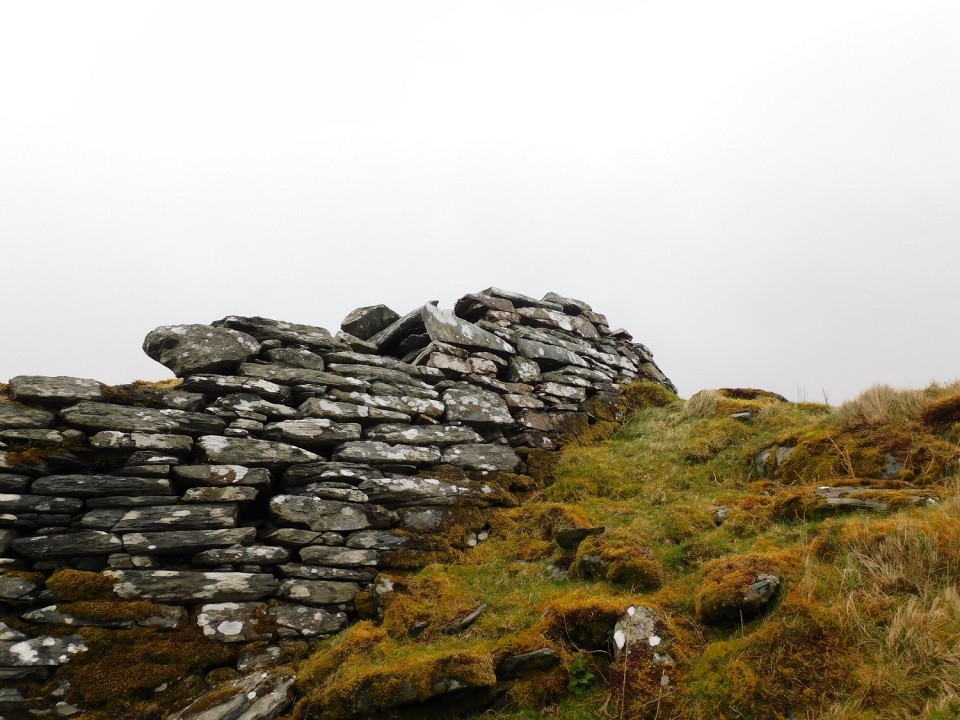
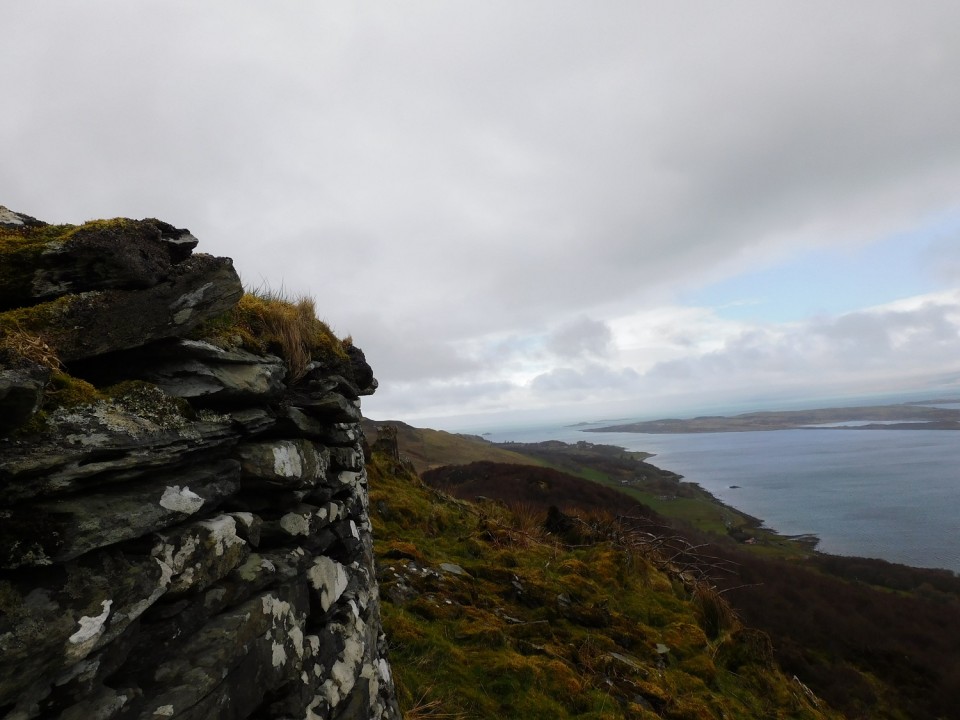
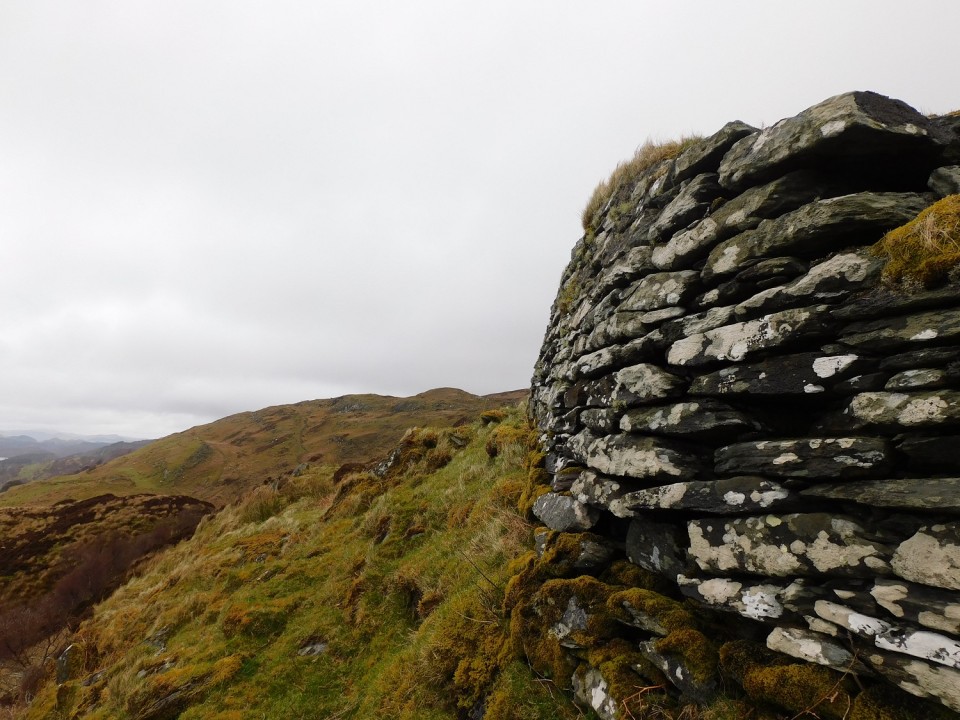
Dun Rostan (Stone Fort / Dun) — Images (click to view fullsize) |
   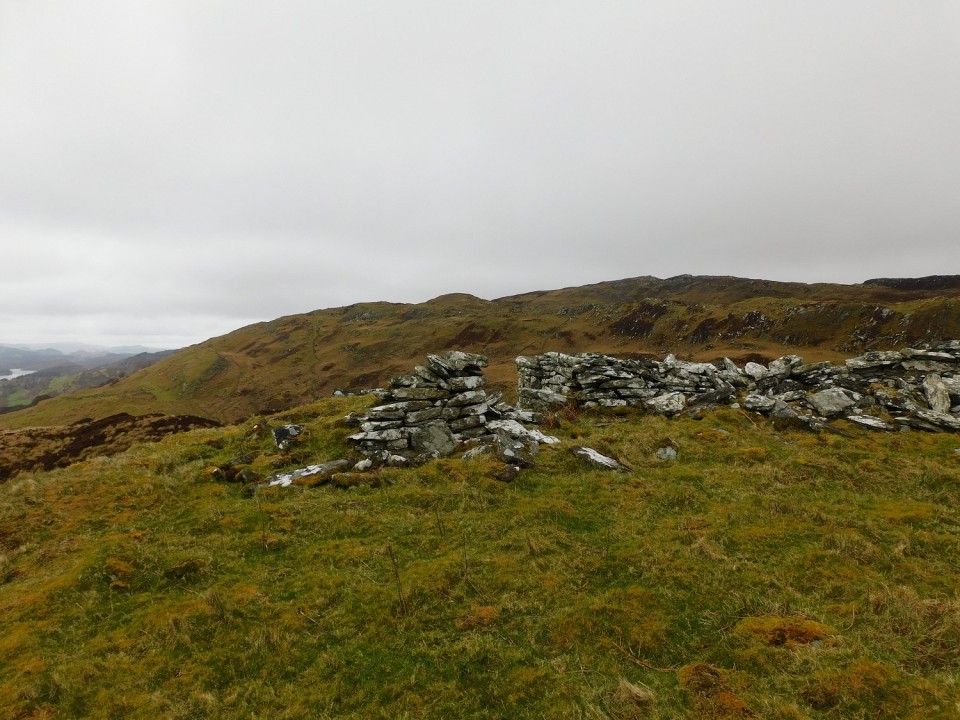 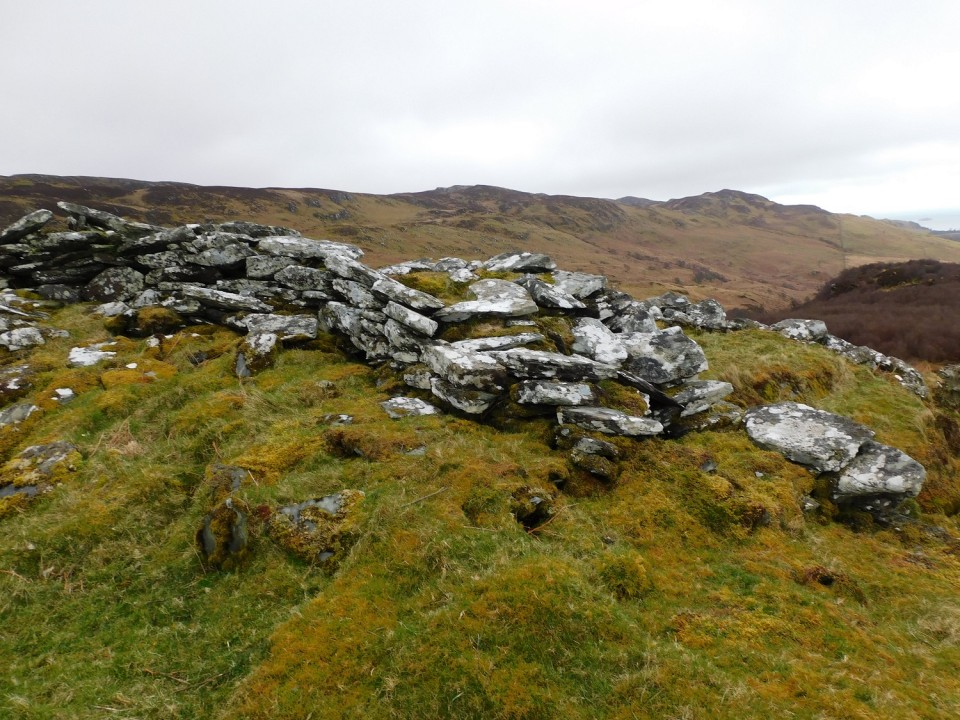 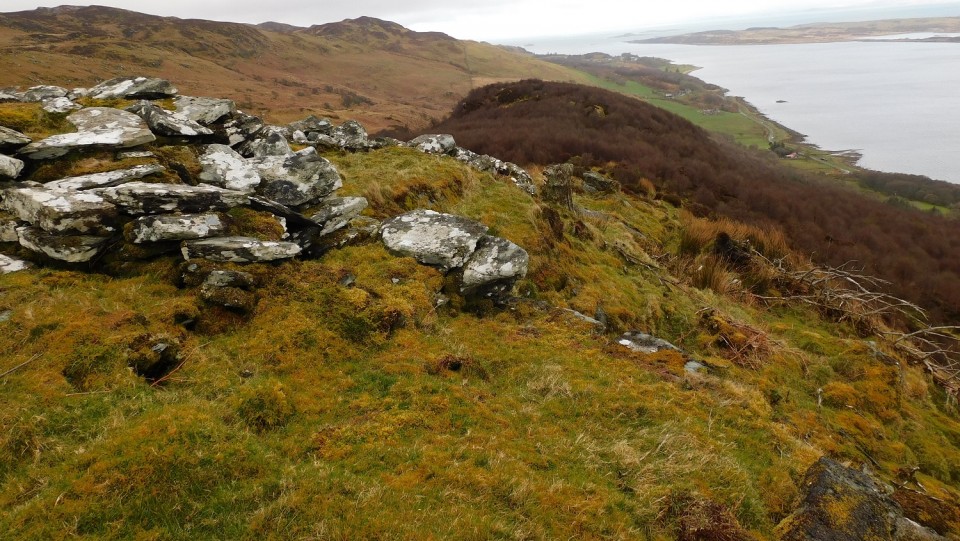 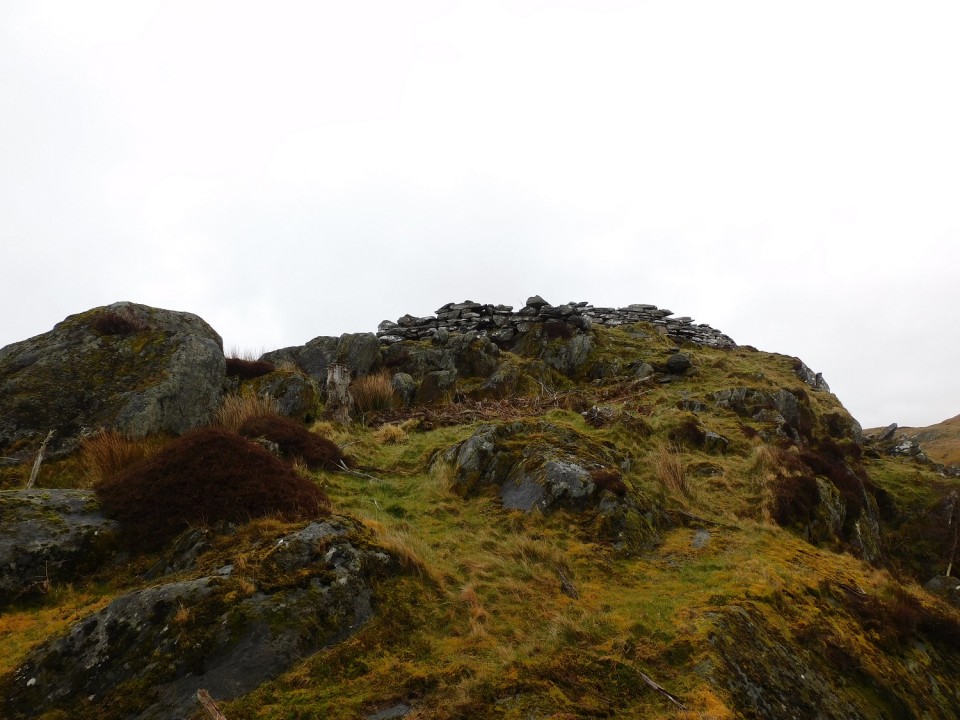 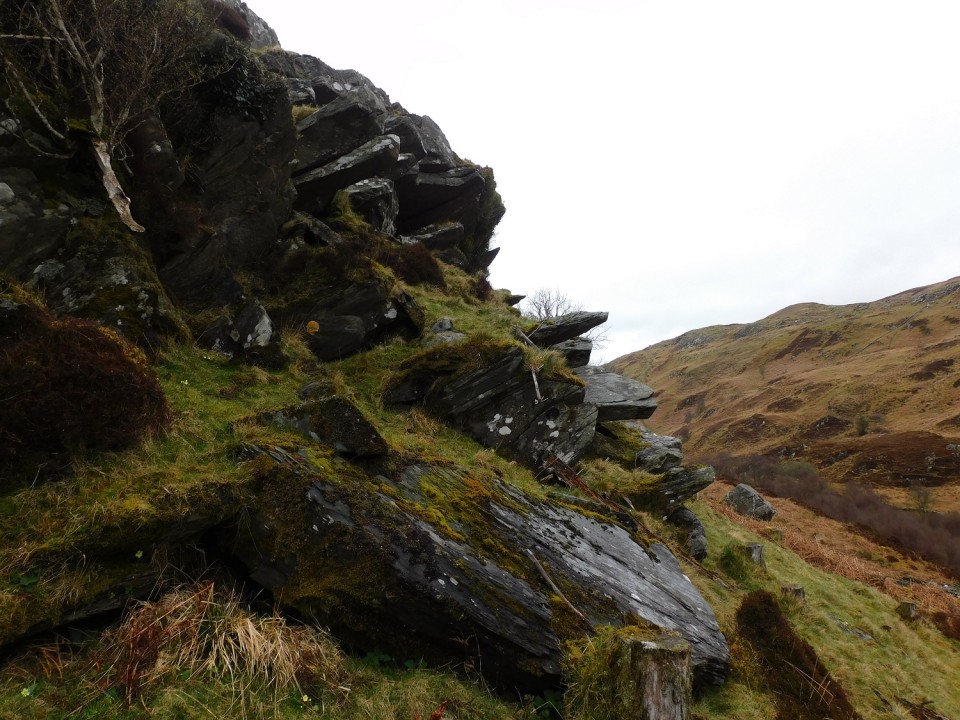 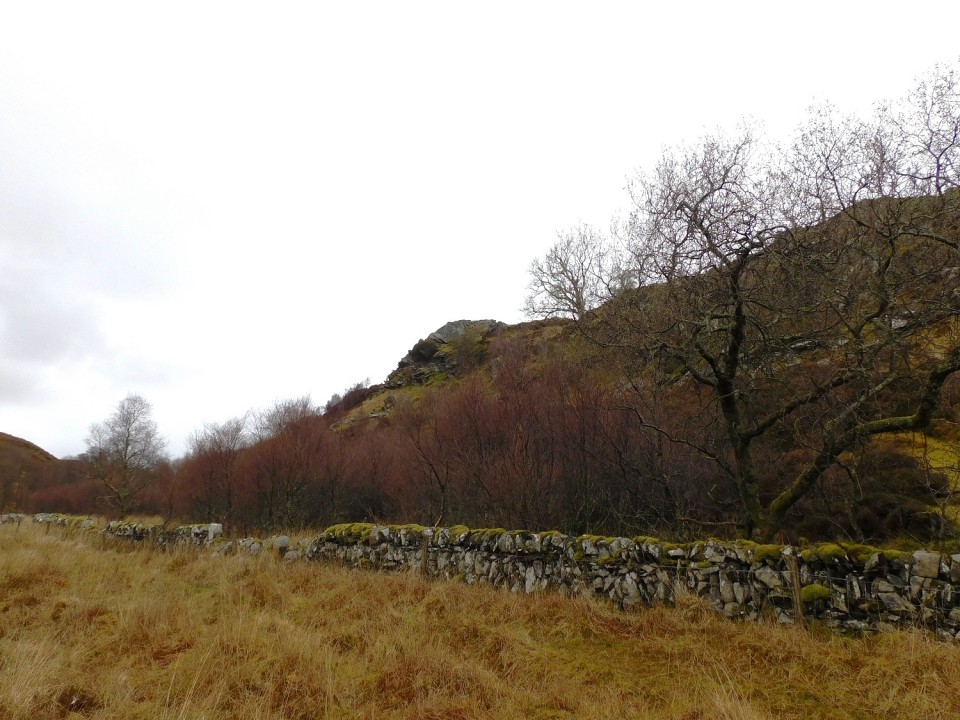 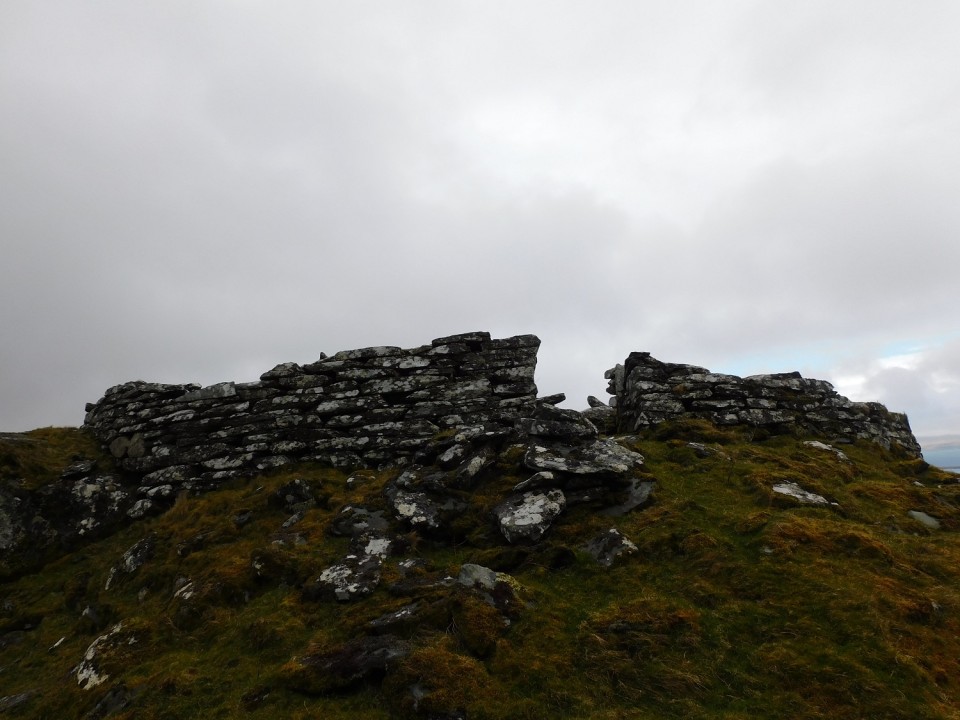
|
 Posted by drewbhoy
19th April 2024ce |
Showing 1-10 of 127,782 posts. Most recent first | Next 10
 Top of page