|
 Log in |
Register Log in |
Register
|

|
|

Fife
|


 Show |
 |
|
|
Sites/Groups in this region:
|
11 posts
Ardross Souterrain |
50 posts
Balbirnie Stone Circle |
43 posts
Balfarg Circle henge |
|
15 posts
Balfarg Riding School Henge |
7 posts
Balgrummo Standing Stone / Menhir |
7 posts
Bandrum Standing Stones |
|
4 posts
Battle Law Cup Marked Stone |
17 posts
Binn Cup and Ring Marks / Rock Art |
12 posts
Black Cairn Hillfort |
|
6 posts
Black Laws Cairn(s) |
4 posts
Boarhills Standing Stone / Menhir |
16 posts
Bogleys Standing Stone / Menhir |
|
3 posts
Bowden Hill Hillfort |
17 posts
Camp Wood Hillfort |
6 posts
Castleton Standing Stone / Menhir |
|
3 posts
Clatchchard Craig Hillfort |
3 posts
Collessie Standing Stone / Menhir |
10 posts
Collessie Farm Cairn(s) |
|
6 posts
Coultra Hill Cairn(s) |
Craigluscar
Hillfort
|
20 posts
Creich Manse Stone Circle |
|
Cult Hill
Hillfort
|
1 post
Darnbogue Cup and Ring Marks / Rock Art |
9 posts
Devil's Blue Stane Natural Rock Feature |
|
13 posts
Down Law Hillfort |
11 posts
Drumcarrow Craig Broch |
28 posts
Dunino Den Sacred Well |
|
14 posts
Earlseat Standing Stone / Menhir |
5 posts
Easter Nether Urquhart Cairn(s) |
7 posts
Easter Pitcorthie Standing Stone / Menhir |
|
9 posts
East Lomond Cairn(s) |
19 posts
East Lomond Hillfort |
1 post
Gallowstone Cairn(s) |
|
6 posts
Glassmount Standing Stones |
11 posts
Glenduckie Hillfort |
11 posts
Green Craig Hillfort |
|
9 posts
Green Hill Cairn(s) |
12 posts
Lady Mary's Wood Hillfort |
5 posts
Law Head Cairn(s) |
|
46 posts
Lundin Links Standing Stones |
9 posts
Macduff's Cross Standing Stone / Menhir |
14 posts
Maiden Castle (Lomonds) Hillfort |
|
3 posts
Morton Lochs Ancient Village / Settlement / Misc. Earthwork |
5 posts
Newton Of Balbirnie Hillfort |
15 posts
Norman's Law Hillfort |
|
14 posts
Norrie's Law Cairn(s) |
North Wood
Cairn(s)
|
16 posts
Orwell Standing Stones |
|
6 posts
Pinnelhill Standing Stone / Menhir |
8 posts
Pitcairn Cairn(s) |
9 posts
Pitcorthie Standing Stone / Menhir |
|
6 posts
Purin Hillfort |
4 posts
Saline Hill Hillfort |
8 posts
Skeith Stone Standing Stone / Menhir |
|
11 posts
Strathendry Standing Stone / Menhir |
8 posts
St Margarets Stone Standing Stone / Menhir |
40 posts
Tuilyies Standing Stones |
|
11 posts
Wemyss Caves - The Court Cave Cave / Rock Shelter |
19 posts
West Lomond Hill Cairn(s) |
7 posts
West Pitcorthie Standing Stone / Menhir |
Sites of disputed antiquity:
|
5 posts
Markinch Hill Ancient Village / Settlement / Misc. Earthwork |
2 posts
Standing Stane Road Standing Stone / Menhir |
News |
 Add news Add news |
|
Neolithic Pottery And Flint Tools Found In Fife http://www.bbc.co.uk/news/uk-scotland-edinburgh-east-fife-38554521 |
 Posted by drewbhoy
9th January 2017ce |

Carpow Log-boat Exhibition OpensThe Carpow logboat was discovered in the bed of the River Tay in 2001, and recovered last year. It's the second oldest to be found in Scotland, and dates from the late Bronze Age... continues... |
 Posted by Rhiannon
6th April 2007ce |
Update on Fife Axe CaseCriminal proceedings against Leslie man Michael Kelly, who found a neolithic axe head and initially refused to give it up, have been dropped. Mr Kelly discovered the 6000-year-old axe head late last year while walking in the Lomond Hills... continues... |
Posted by Rhiannon 23rd April 2004ce Edited 23rd April 2004ce |
Update on Iron Age Warriorhttp://heritage.scotsman.com/cfm/heritagenews/headlines_specific... continues... |
 Posted by nickbrand
19th April 2004ce |
Stone the Crows... Dig Uncovers a Humble PatioArchaeologists were left red-faced when an excavation site they believed was a Norse settlement of "national significance" was actually a sunken patio. Experts rushed to the site when amateur archaeologists unearthed a meshwork of massive stones while exploring the ground in their garden... continues... |
Posted by nickbrand 9th January 2004ce Edited 9th January 2004ce |
Double Stone Age find in Fifehttp://www.thescotsman.co.uk/index.cfm?id=776042003 Joy over double Stone Age find in Fife TWO hugely significant Neolithic finds have been made in Fife within weeks of each other, thanks to sharp-eyed amateur archeologists... continues... |
Posted by nickbrand 17th July 2003ce Edited 17th July 2003ce |
Ancient carvings could be national treasurehttp://www.fifenow.co.uk/ViewArticle2.aspx?SectionID=1015&ArticleID=557553 ANCIENT stone carvings found on Burntisland's Binn Hill have excited major interest among archaeologists... continues... |
Posted by nickbrand 11th July 2003ce |
Iron Age Warrior Grave found in ClackmannanshireScottish Herald - Shan Ross Builders who were on the brink of using a JCB digger to lay the foundations of a new housing estate have unearthed what may be the richest archaeological find in Scotland. It includes the well-preserved skeleton, sword and valuable adornments of an Iron Age warrior buried with full honours... continues... |
Posted by Rhiannon 11th March 2003ce |
Links |
Add a link |
The Jaggy Thistle: Were inhabitants of Fife once human?Haw Haw Haw! |
Posted by nickbrand 27th July 2003ce Edited 27th July 2003ce |
Latest posts for Fife |
Showing 1-10 of 691 posts. Most recent first | Next 10 
Lundin Links (Standing Stones) — Folklore |
|
At a little distance westward from Largo, in the middle of a park on the north side of the road, is the celebrated curiosity called 'The Standing Stanes O' Lundie.' Three tall straight sharp stones, resembling whales jaws more than any thing else, rear themselves at the distance of a few yards from each other, and, though several yards high, are supposed to pierce the ground to same depth. According to the common people, they are monuments to the memory of three Danish generals slain here in battle; but it is more probable they are of Roman origin, it being the site of a Roman town. Robert Chambers, 1827 |
Posted by drewbhoy 15th March 2024ce |
Macduff's Cross (Standing Stone / Menhir) — Folklore |
|
Near Newburgh once stood Macduff's Cross, a 'rude upright stone'. The common legend, recorded by Robert Chambers in 1827, was that Malcolm Canmore endowed Macduff, Thane Of Fife, with three privileges, in recognition of his help in deposing Macbeth. First, he and his heirs should have the honour of placing the crown on the king's head at any coronation; secondly, whenever the royal standard was displayed in battle they should lead the vanguard of the army; 'and, lastly, that any person related to him within the ninth degree of kindred, having committed homicide without premeditation, should, upon flying to this obelisk and paying a certain fine, obtain remission of his crime'. The cross was said to retain its sacred character almost until the Reformation, when it was demolished as a relic of popery; anyone who is interested, says Chambers, 'may still see the block of stone in which it was fixed, together with many tumuli, or mounds, said to contain the bodies of such refugees as, having failed to prove their consanguinity to Macduff, were sacrificed on the spot by their enraged pursuers'. The block or pedestal can still be seen, in the field between the roads leading to Easter Lumbennie and Auchternuchty. The privilege was invoked successfully at least once, if we believe the horror story of John Melville's death at Glenbervie, Aberdeenshire, when the laird of Arbuthnott claimed immunity on this account. Robert Chambers |
Posted by drewbhoy 15th March 2024ce |
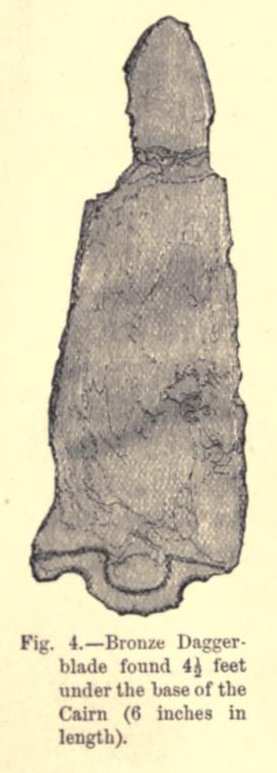
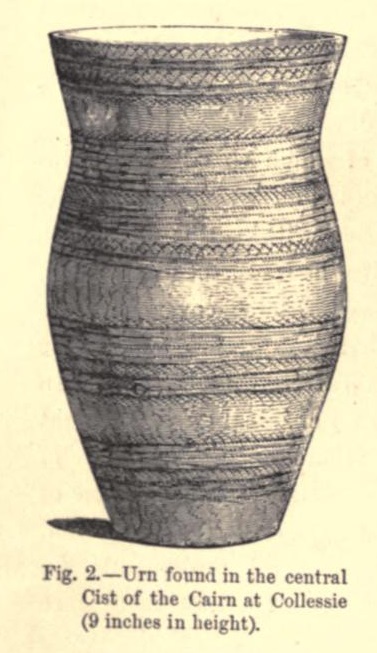
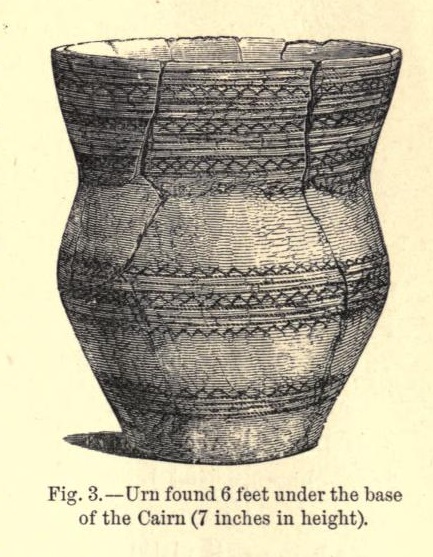
Collessie Farm (Cairn(s)) — Images (click to view fullsize) |
|
Posted by Rhiannon 28th January 2021ce |
Wemyss Caves - The Court Cave (Cave / Rock Shelter) — Links |
Court Cave on BRAC UpdatedThere are photos of Glass Cave and Jonathan's Cave in adjacent pages. |
Posted by markj99 9th January 2021ce |
Binn (Cup and Ring Marks / Rock Art) — Links |
Binn on BRAC UpdatedBinn on BRAC |
Posted by markj99 4th January 2021ce |
Macduff's Cross (Standing Stone / Menhir) — Links |
Macduff's Cross on BRAC UpdatedMacduff's Cross on BRAC |
Posted by markj99 4th January 2021ce |
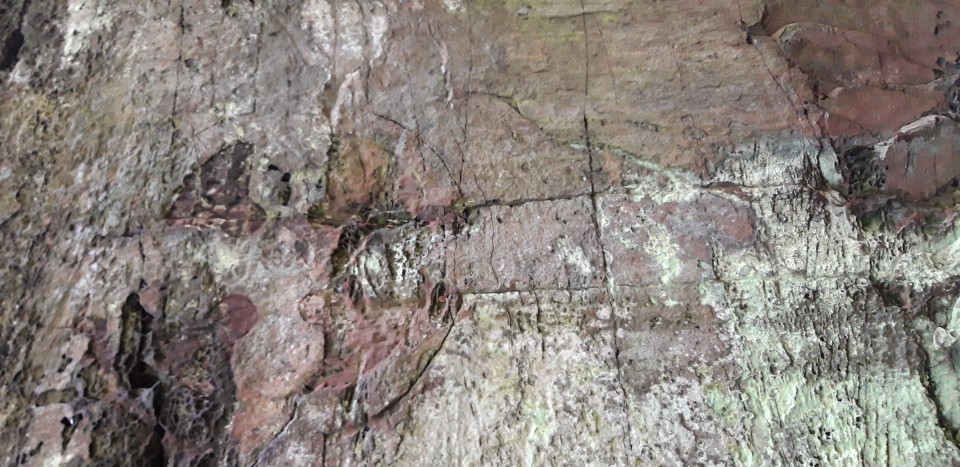
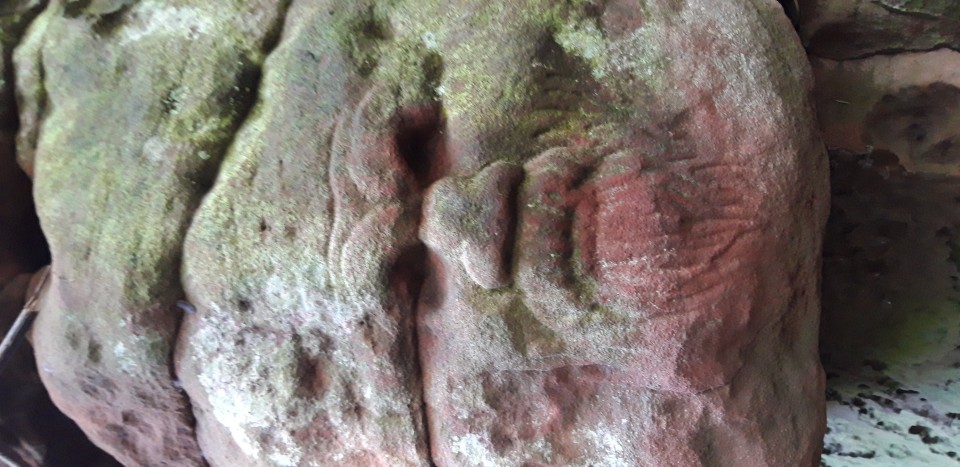
Dunino Den (Sacred Well) — Images |
|
Posted by Lichtiethe36 21st August 2020ce |
Showing 1-10 of 691 posts. Most recent first | Next 10
 Top of page