|
 Log in |
Register Log in |
Register
|

|
|

Llanbedr StonesStanding Stones
|


 Show map (inline Google Map)
|
|
|
Images (click to view fullsize) |
 Add an image Add an image |

|
Fieldnotes |
Add fieldnotes |
|
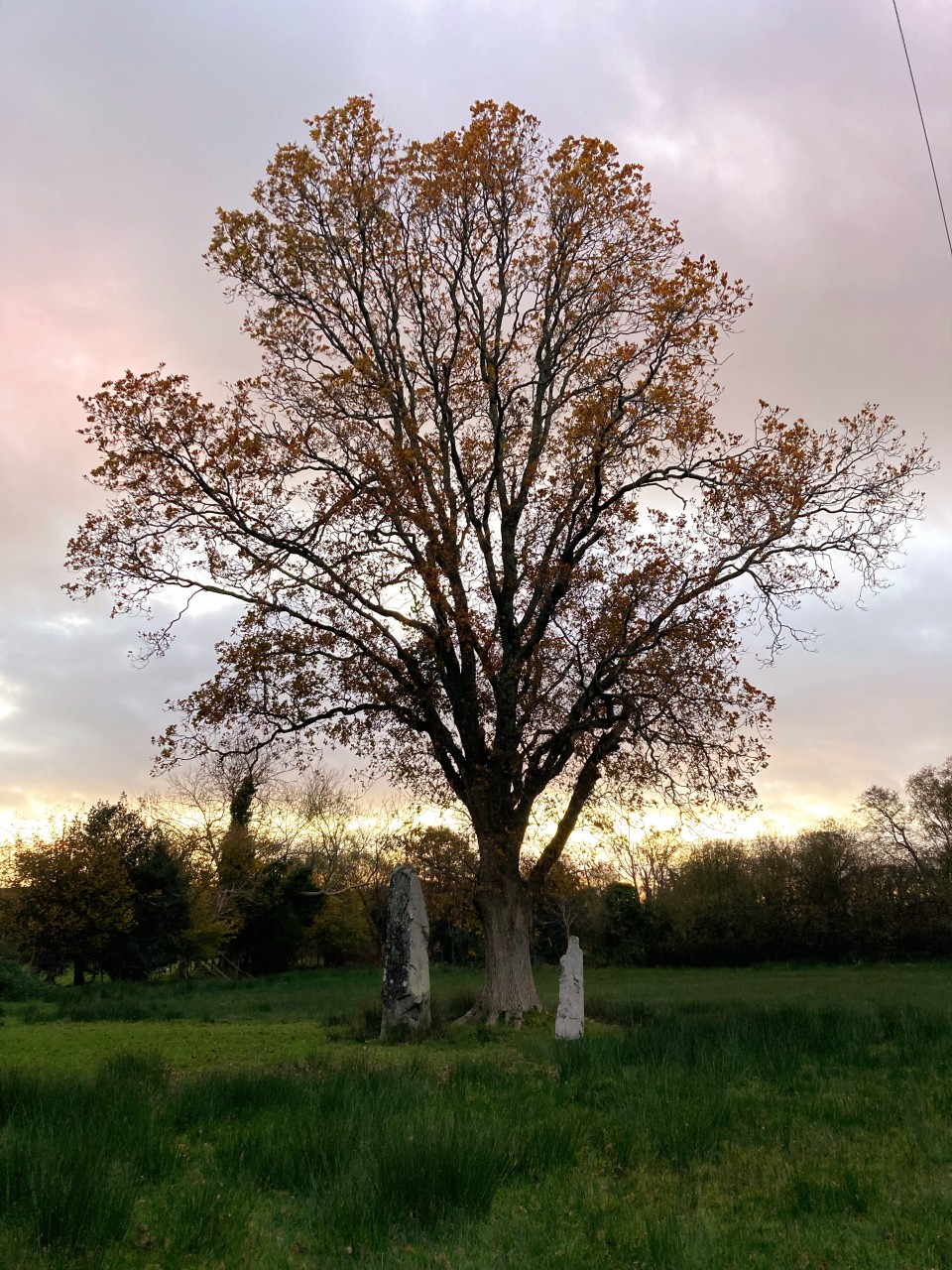
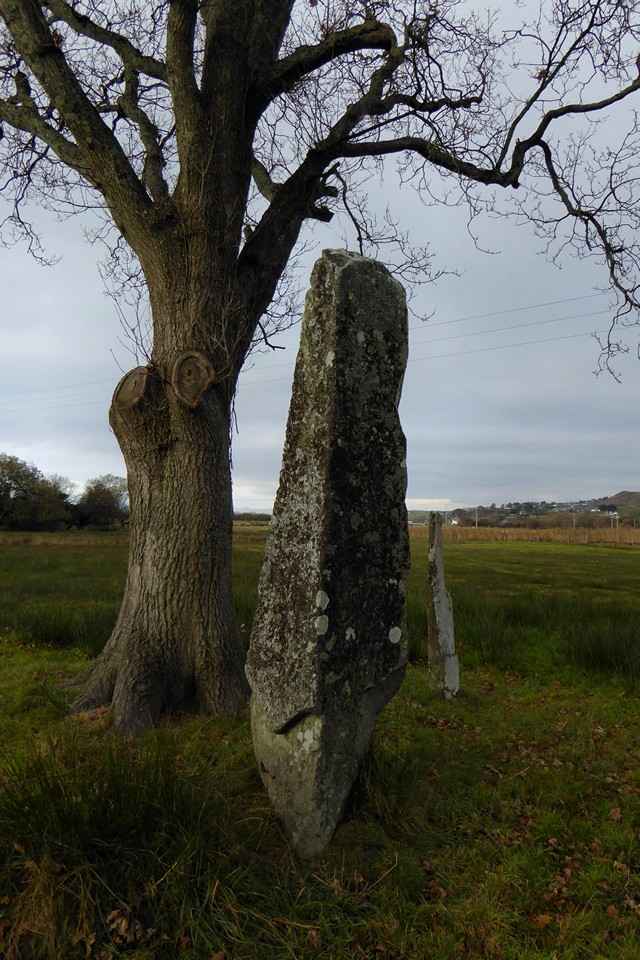
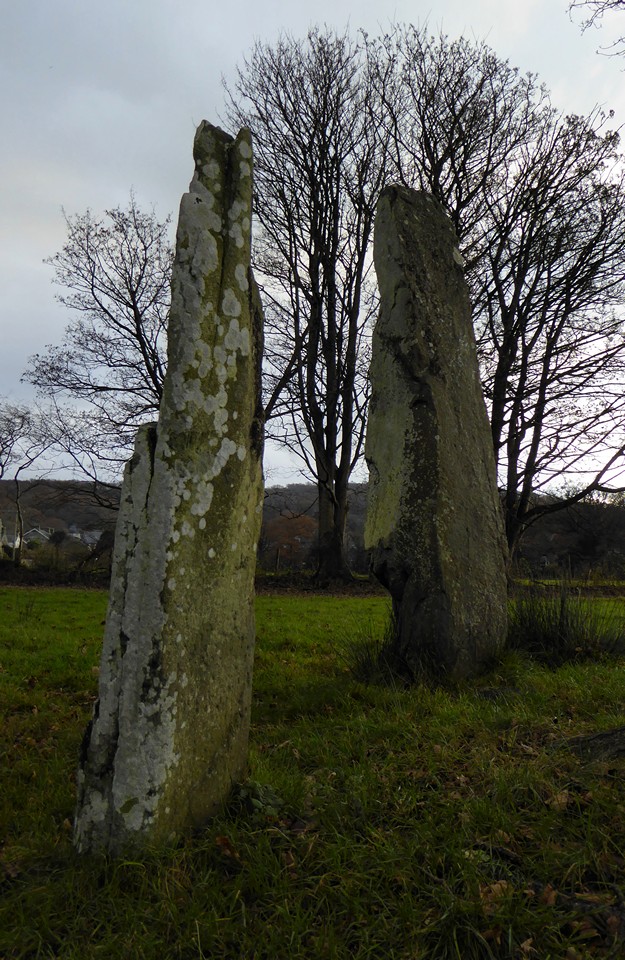
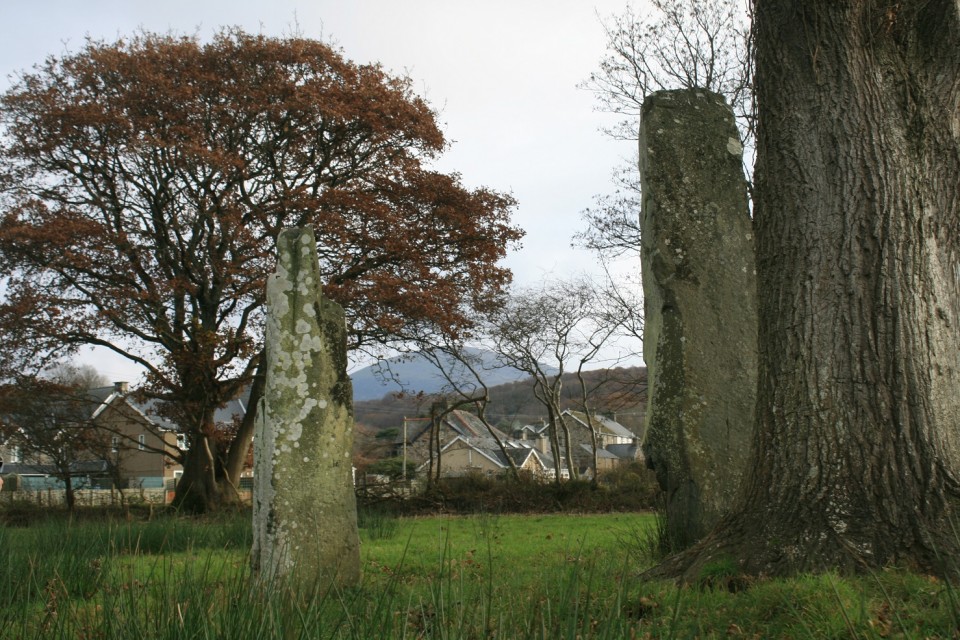
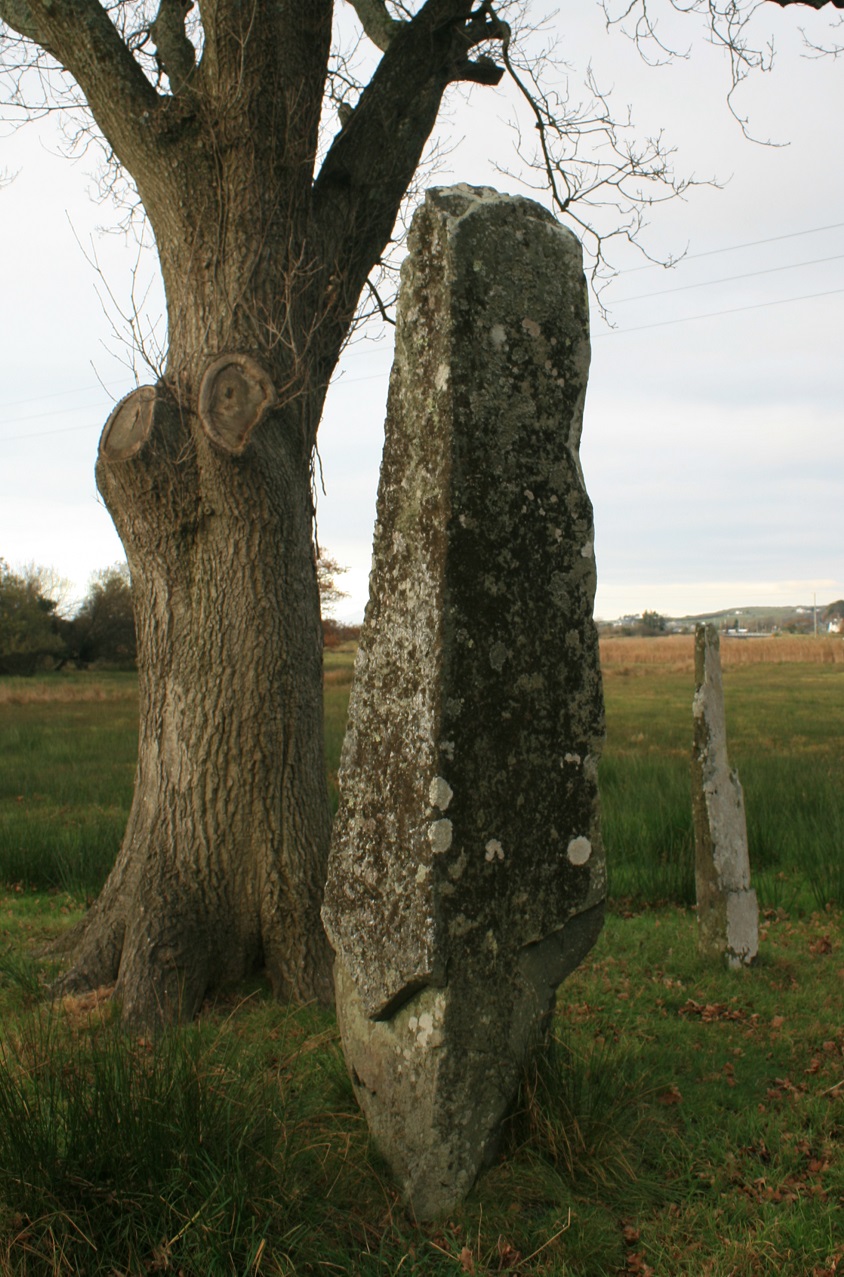
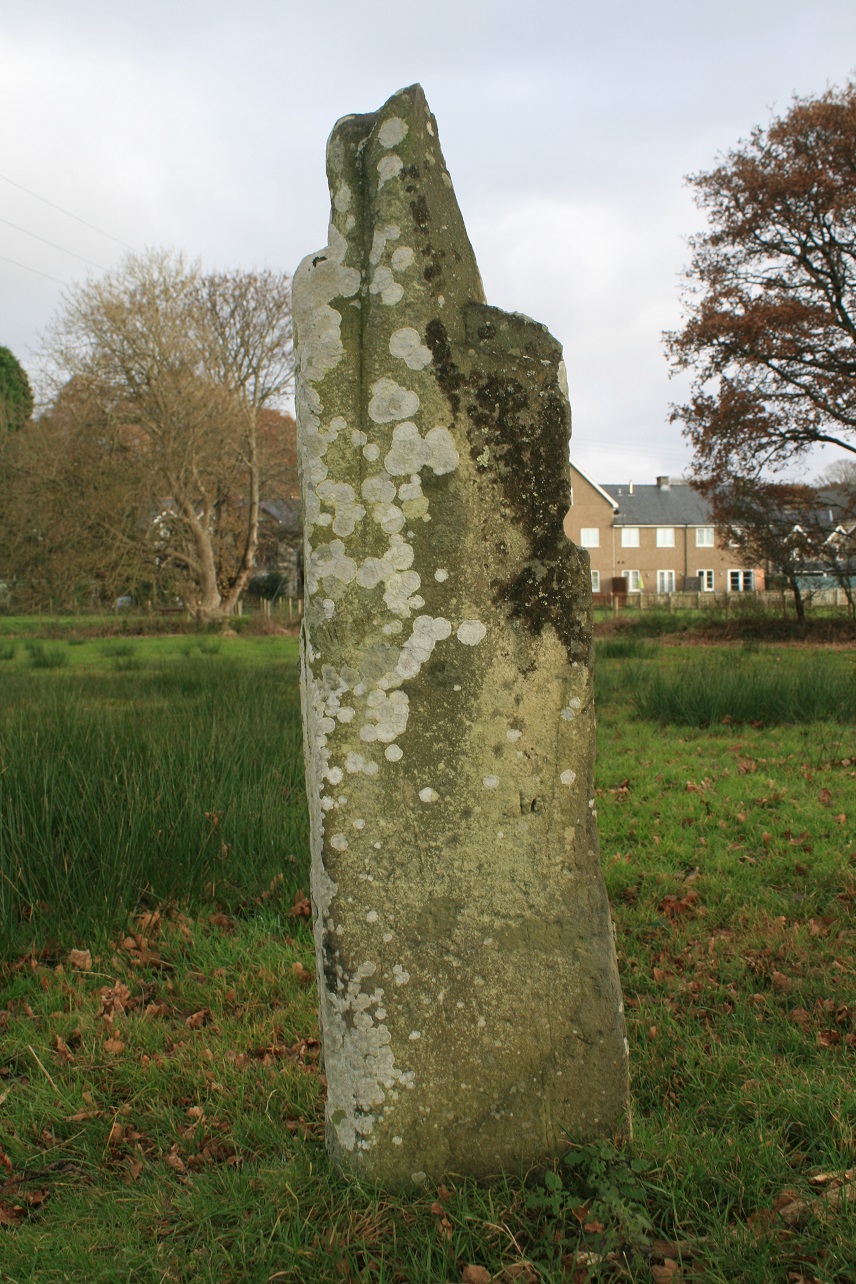
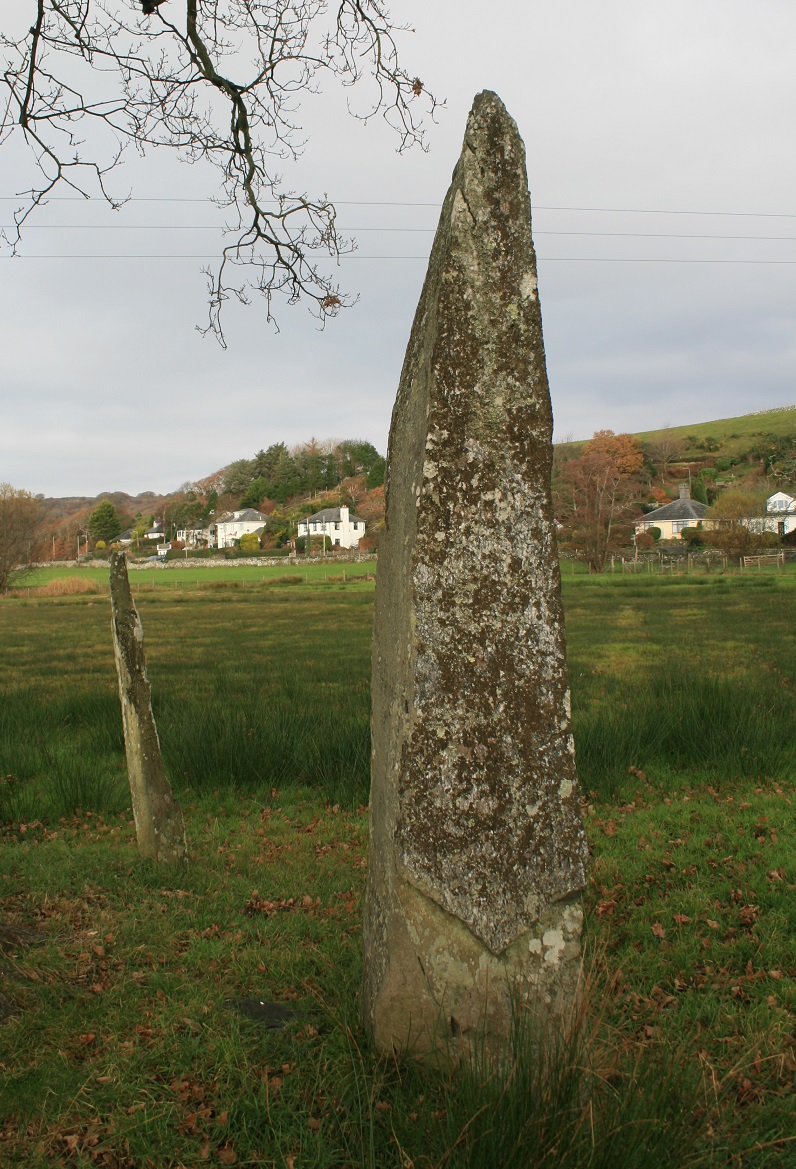
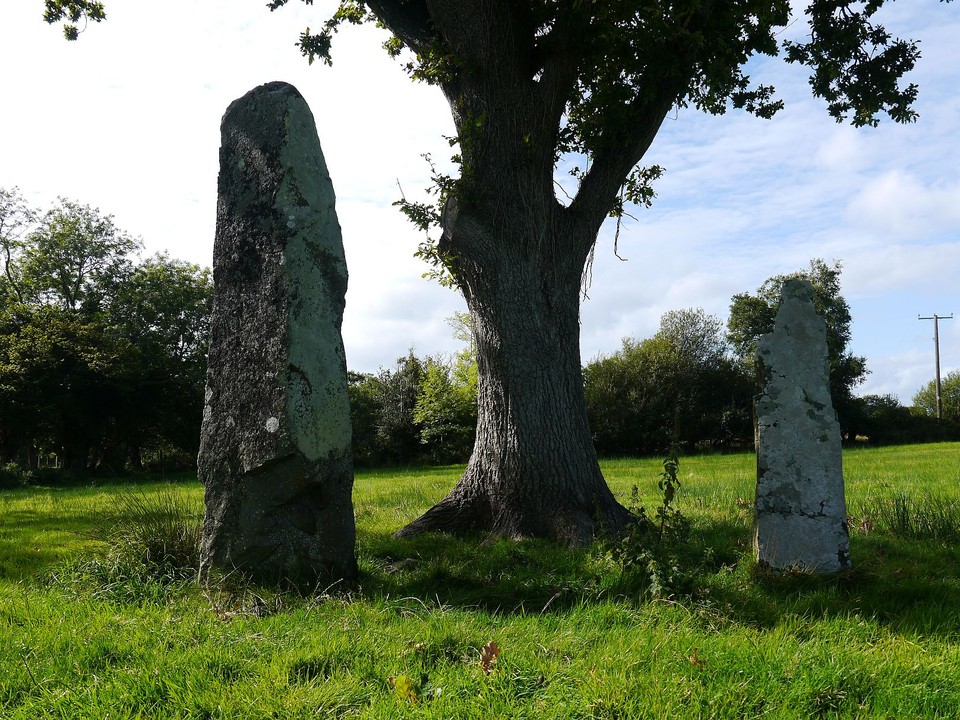
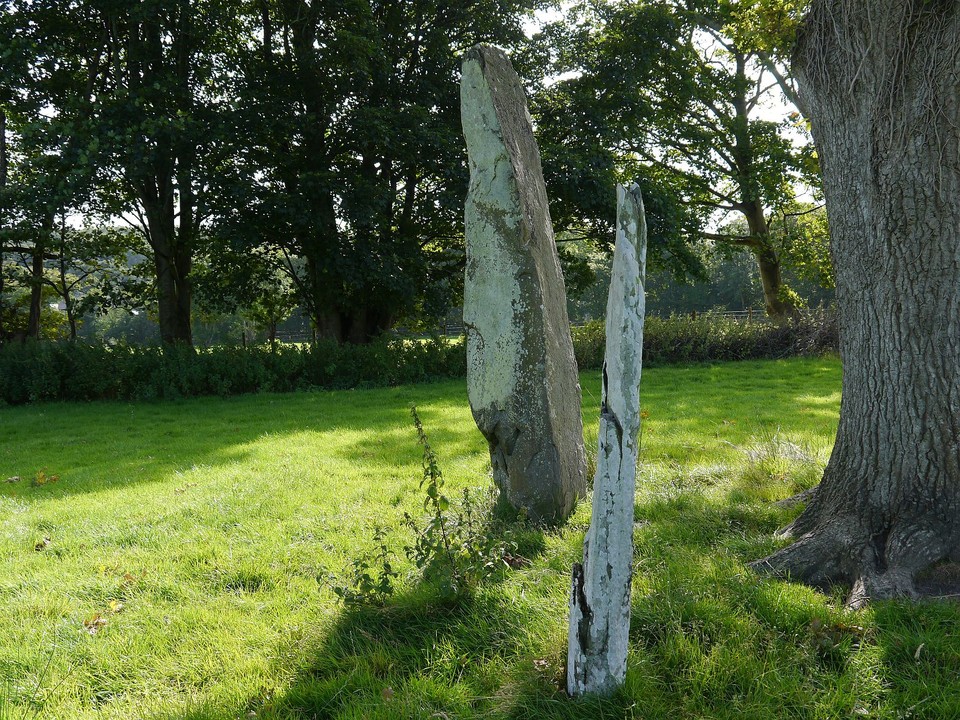
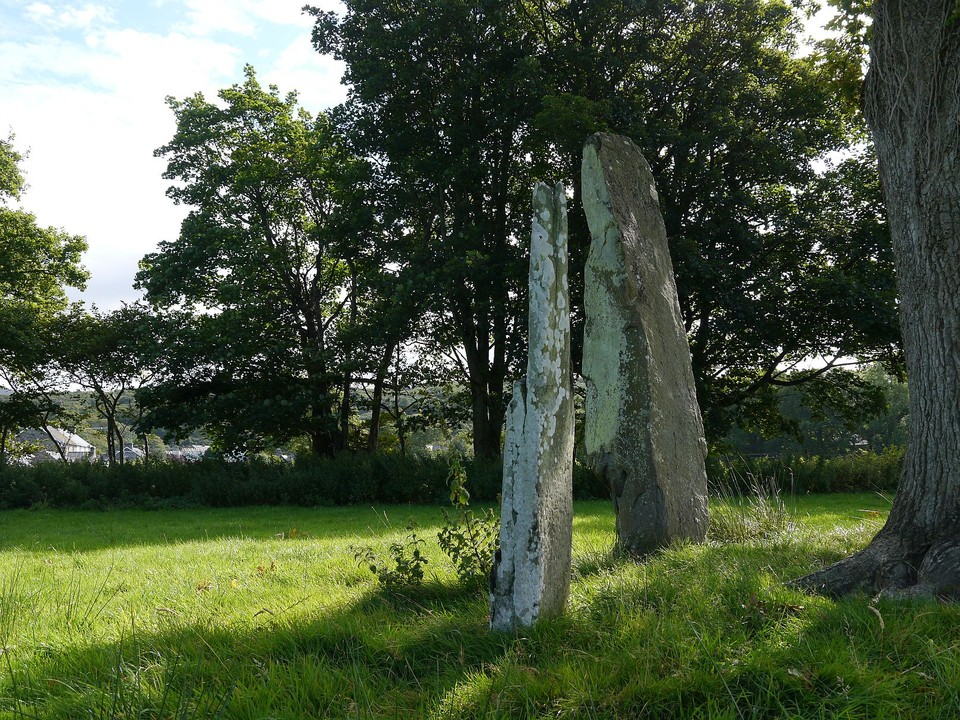
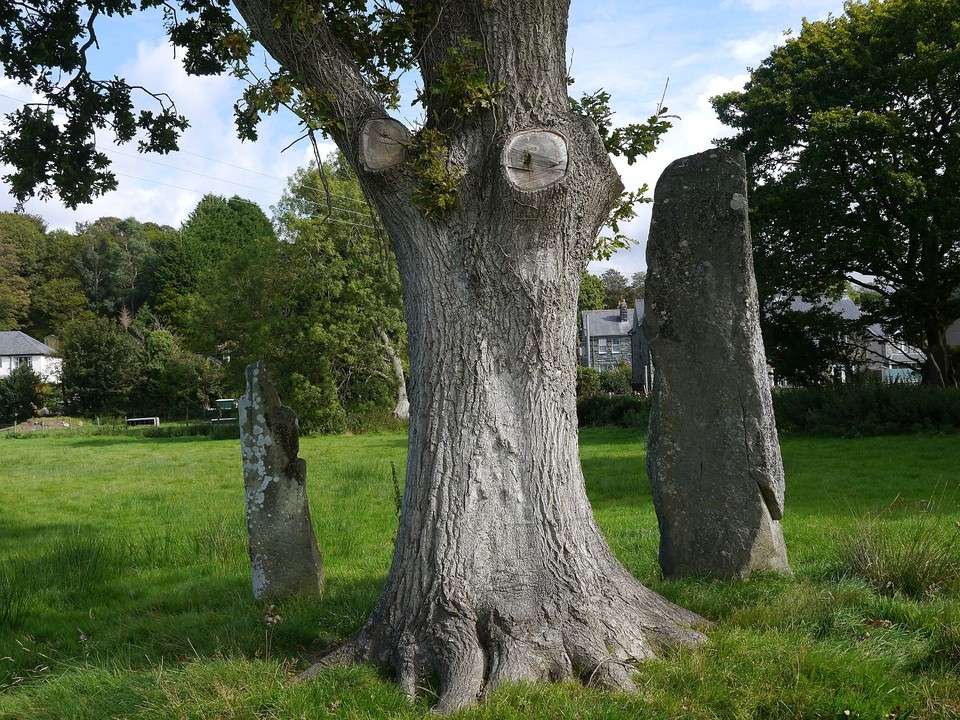
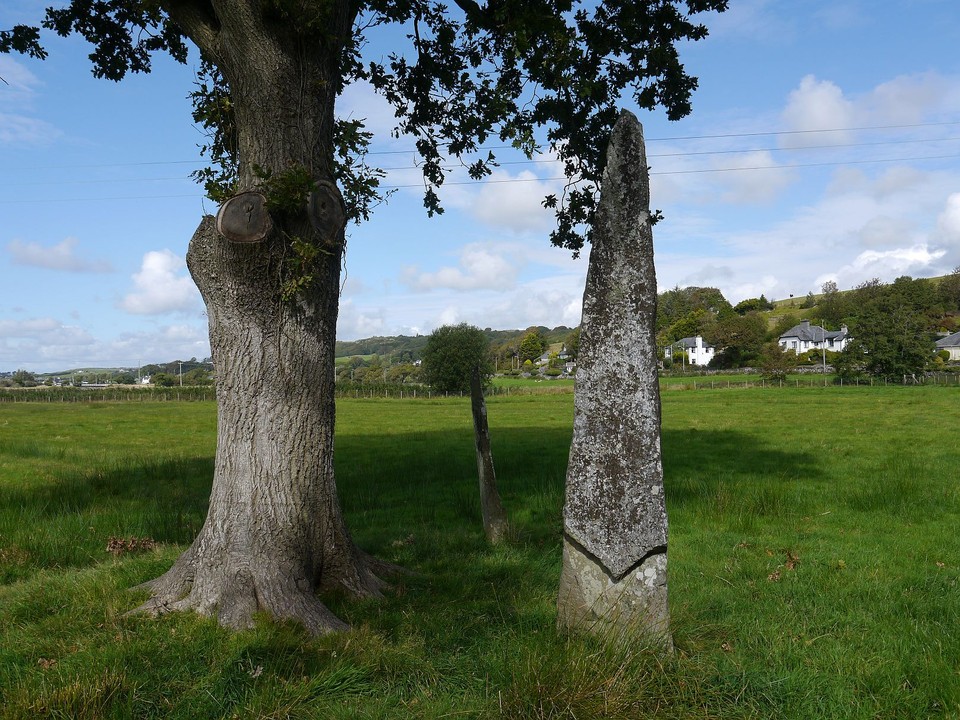
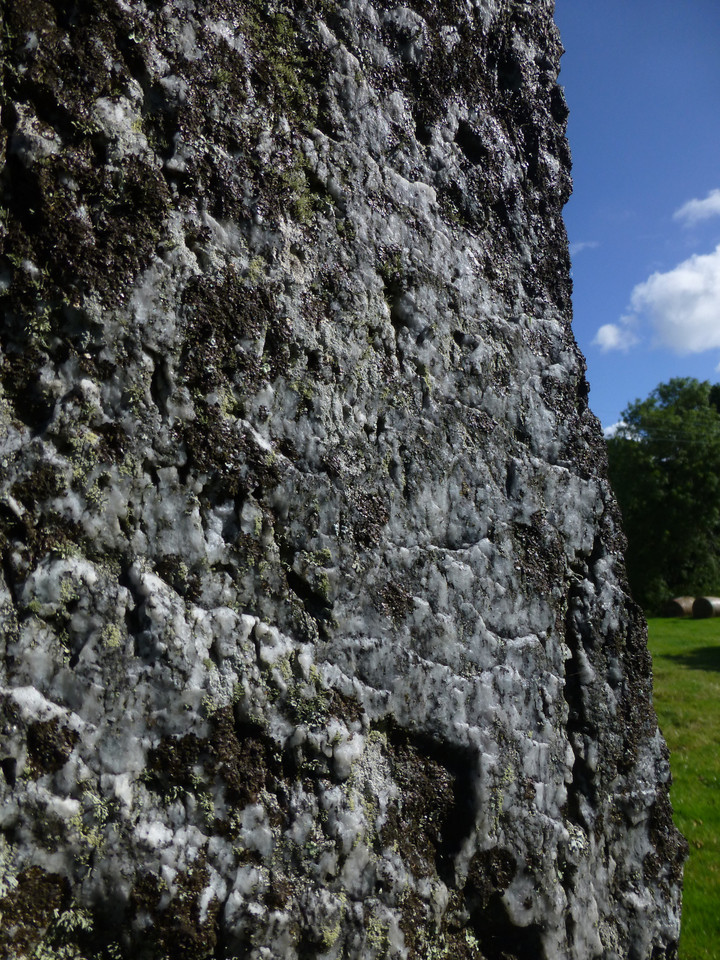
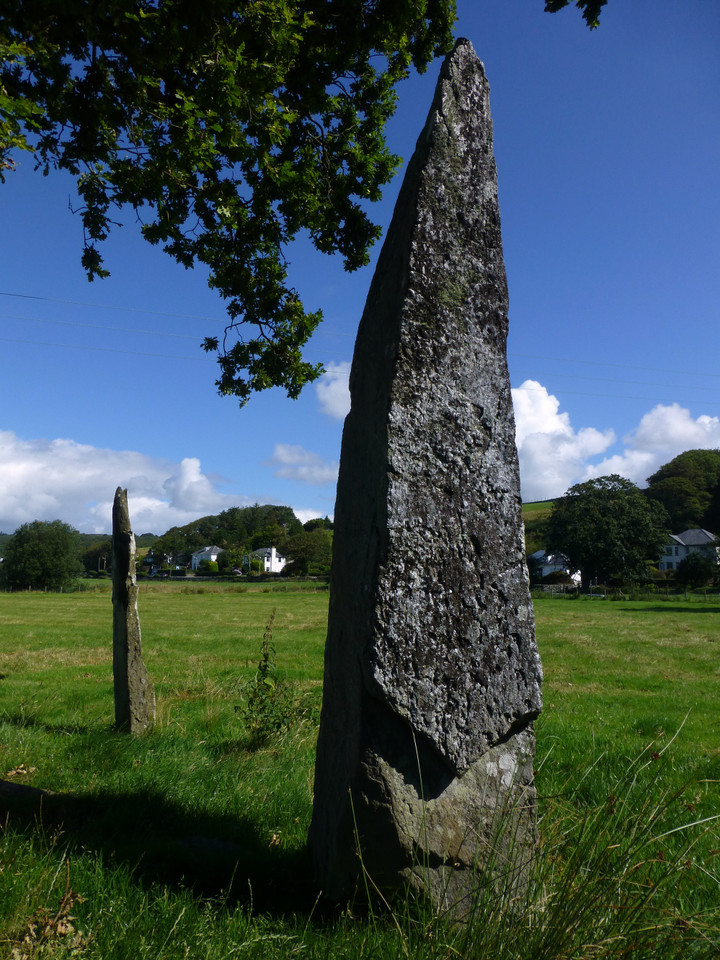
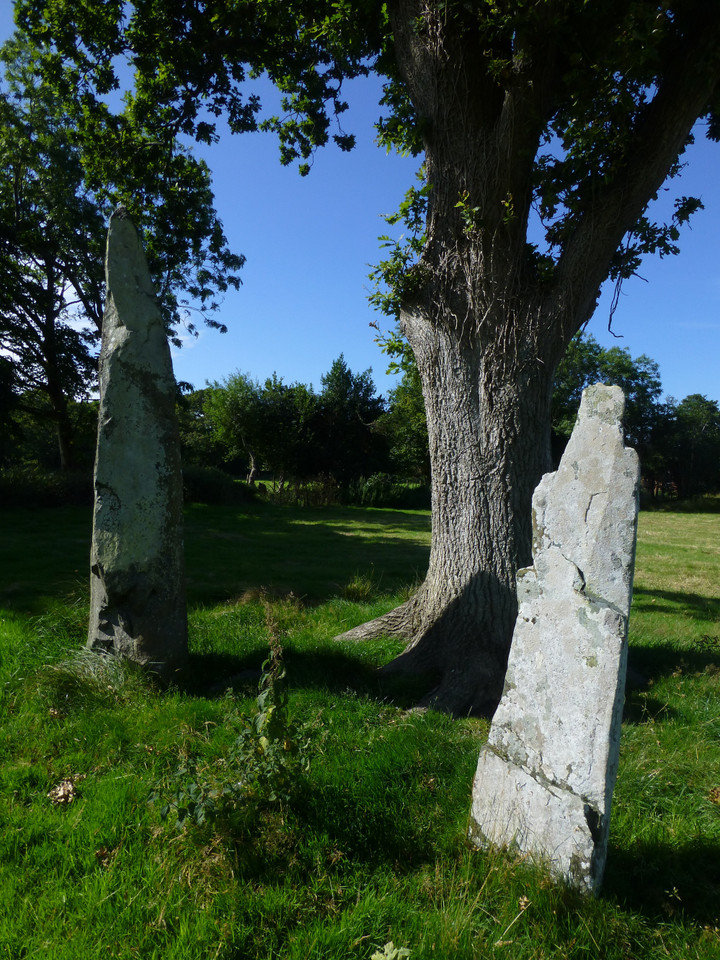
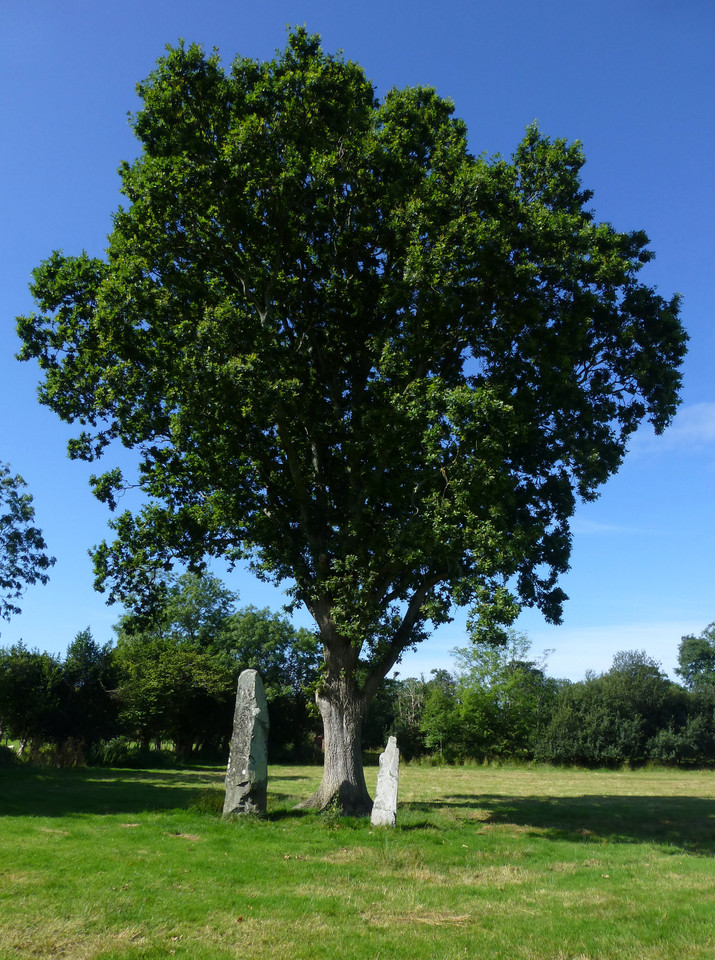
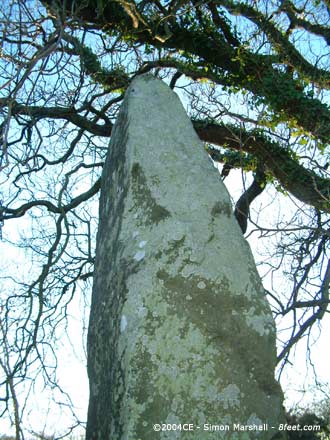
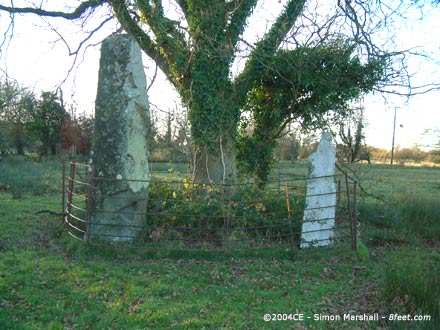
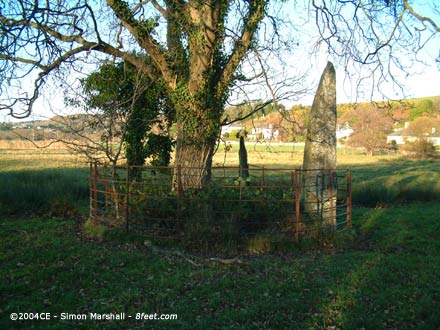
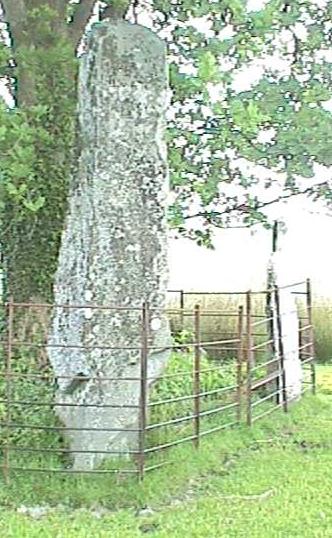
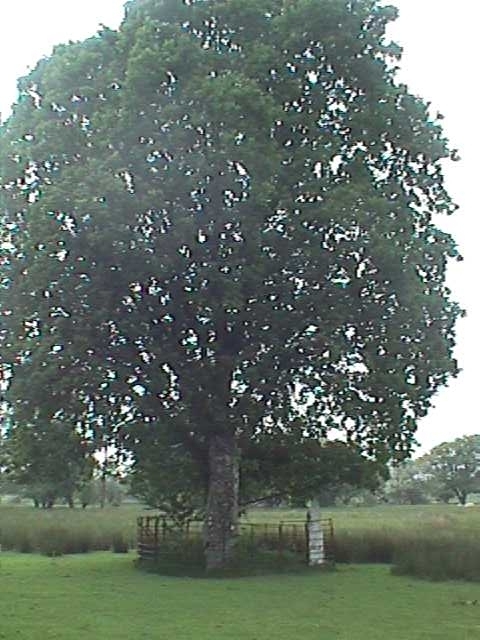
Haven't been here for seven years, the stones are as lovely as ever, the shorter stone is still half white with what I presume is lichen, and it has a small notch in its western edge, it aligns with a young ladies bedroom on the road a hundred yards away, it could, you don't know. The taller stone does have some white lichen but not much, it does have a quartzy shine to its side, and it does have a good shape. The tree is still there and looming large over the stoney pair, I like trees, I once stopped visiting stones for a while and took up visiting heritage and remarkable trees, one thing trees have over stones? they're alive. But most radical and astounding of all, the god awful fence has gone, it was all the way round the stones and the tree, it was too close to the stones, sure you could climb over but that's not point, it was ugly and in the way. But now it's gone and it looks like it was never there, I wonder what prompted them to remove it. Other sites that could benifit from a good defencing, Bodowyr, Lligwy, Kits Koty, come on every one get your fences off. |
 Posted by postman
4th December 2016ce |

|
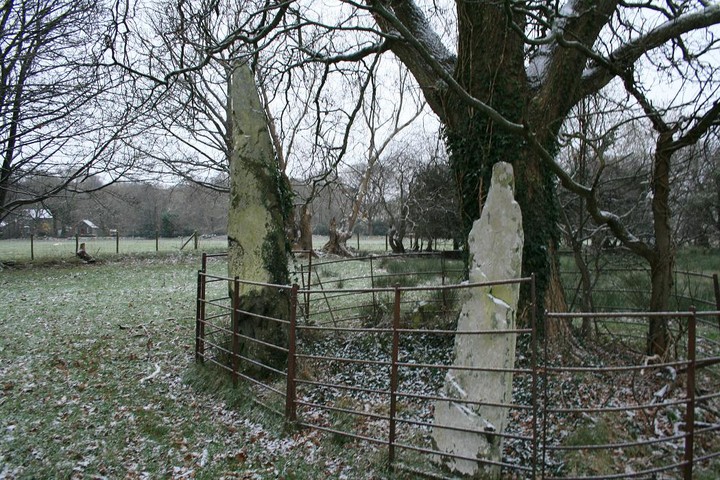
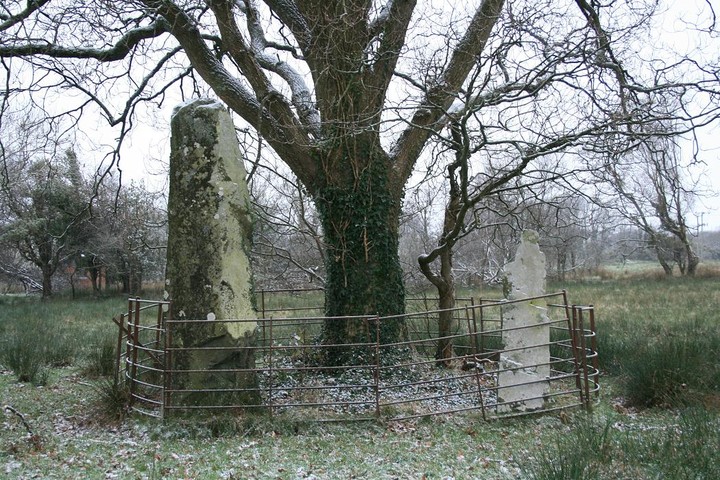
I'm not really a fan of rusty railings, others may find interest in them but I dont see their appeal, I just can't get past the imposition on the land, an electric cow fence might be more aesthetic if crowd control is what your after. But if you intend to keep them away, to bind them, to deny them, then a big rusty fence is what your after. Visit the stones when ever you can, visting hours are between now and then. |
Posted by postman 19th December 2009ce |
|
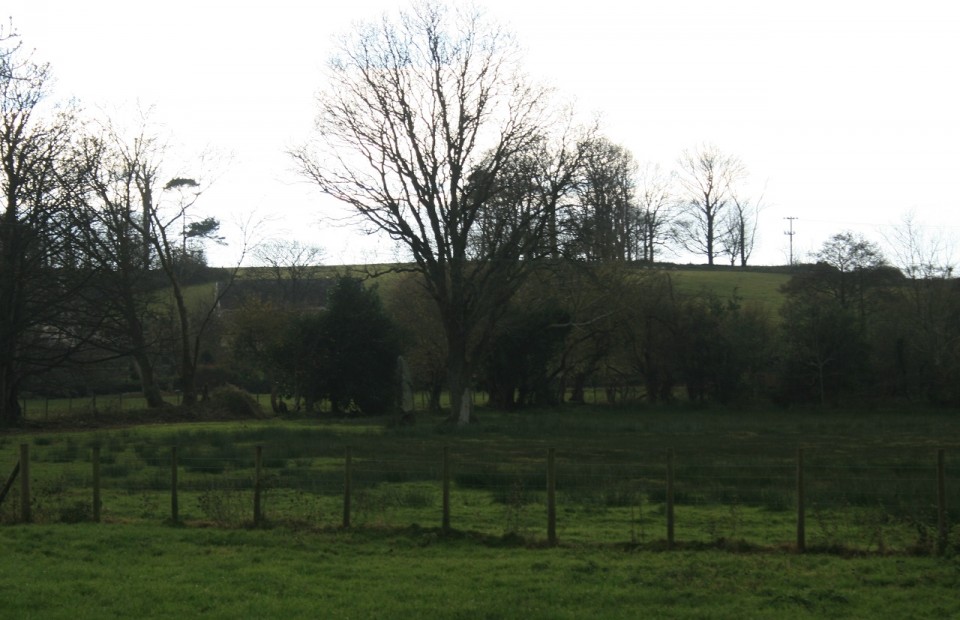
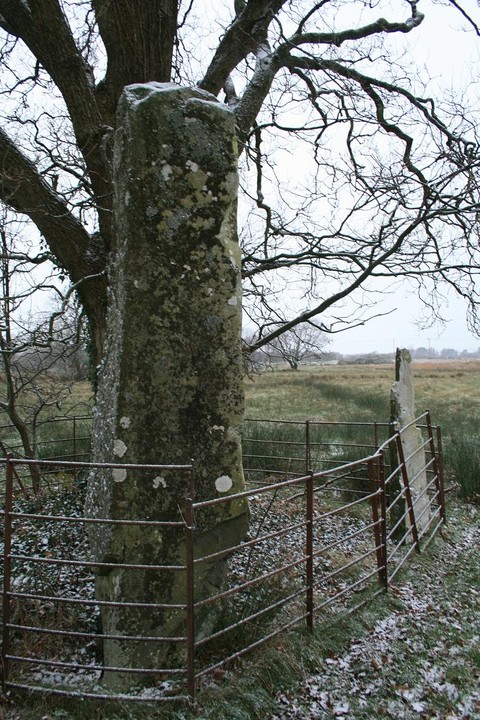
Visited 7th December 2003: We parked on the A496 and asked about access at a house near the stones. The gentleman I spoke to was very congenial. He said that a footpath runs very close to them, and he couldn't see any problem with us taking a closer look. I should add that it wasn't his land, but he seemed to know what he was talking about. We found the stones standing very modestly in the field in the shadow of a large tree which stands right next to them. There's an iron fence around them and the tree, presumably to protect all three from livestock. One of the stones is tall and slender, and the other much shorter. As Julian observed, the smaller of the two looks almost delicate, and it's amazing that's it's survived. Wear wellies if you visit during the winter. |
 Posted by Kammer
7th June 2004ce Edited 7th June 2004ce |
| I couldn't get into the church when I visited back in the summer of '99. Reflections of you in the waterfall. The Llanbedr stones are nearby though in a flat field. My travelling companion of the time listened to the stones for several minutes and said that she heard the stones tell her some stories. She's Krautrock. Very nice and YHA accomodations nearby too if ya fancy. |
 Posted by kingrolo
12th July 2001ce |
Folklore |
Add folklore |
|
From Samuel Lewis' A Topographical Dictionary of Wales, 1849. "The church, dedicated to St. Peter, is an ancient structure; according to an absurd local tradition it was originally intended to erect it at a place about forty yards to the right of the road, where are four or five broad stones, eight feet high, standing upright; but the workmen found that what they executed by day was removed at night, and therefore commenced the building on the site it now occupies." Absurd indeed! |
Posted by Wildeor 14th January 2011ce Edited 14th January 2011ce |
Miscellaneous |
Add miscellaneous |
|
The stone pair at Llanbedr are thought by some to be the first of a number of Bronze Age standing stones marking a trade route into the mountains. The theory is that metal was transported inland having been unloaded from boats moored on the coast (or Afon Artro?). The stones are also known as Meini Hirion (meaning long stones). |
Posted by Kammer 7th June 2004ce Edited 7th June 2004ce |
Links |
Add a link |
George Eastman House ArchiveAn old photo of the Llandbedr Stones by Alvin Langdon Coburn, incorrectly labelled as "Harlech, Standing Stones". The date of the photo isn't clear, but the size of the tree gives a clue to the date. Mr Coburn was alive between 1882 and 1966, so my guess would be early 20th Century. |
Posted by Kammer 10th June 2004ce |
 Top of page