|
 Log in |
Register Log in |
Register
|

|
|

Devon
|


 Show |
 |
|
|
Sites in this group:
|
1 post
Affaland Moor Round Barrow(s) |
1 post
Aylesbeare Common Round Barrow(s) |
Beacon Castle
Ancient Village / Settlement / Misc. Earthwork
|
|
1 post
Beacon Hill Round Barrow(s) |
1 post
Belbury Castle Hillfort |
2 posts
Berry's Wood Hillfort |
|
5 posts
Berry Camp Hillfort |
29 posts
Blackbury Camp Hillfort |
2 posts
Blackdown Rings Hillfort |
|
1 post
Bolt Tail Promontory Fort |
12 posts
Boringdon Camp Hillfort |
1 post
Bow Henge Henge |
|
Bremridge Wood
Hillfort
|
1 post
Brent Hill Hillfort |
6 posts
Broad Down Barrow / Cairn Cemetery |
|
10 posts
Buckland Ford Cairn Circle Cairn circle |
2 posts
Burley Camp Hillfort |
5 posts
Cadbury Castle Hillfort |
|
Castle Close
Ancient Village / Settlement / Misc. Earthwork
|
2 posts
Castle Dyke (Chudleigh) Hillfort |
1 post
Castle Dyke (Little Haldon) Enclosure |
|
Castle Head
Ancient Village / Settlement / Misc. Earthwork
|
2 posts
Cholwich Town (destroyed) Stone Row / Alignment |
6 posts
Chudleigh Rocks Cave / Rock Shelter |
|
1 post
Clovelly Dykes Plateau Fort |
1 post
Colaton Raleigh Common Round Barrow(s) |
Cotley Castle
Hillfort
|
|
1 post
Countisbury Castle Promontory Fort |
1 post
Cranmore Castle Hillfort |
Cunnilear Camp
Ancient Village / Settlement / Misc. Earthwork
|
|
5 posts
Damage Barton Standing Stones |
14 posts
299 sites Dartmoor |
9 posts
Denbury Hillfort |
|
6 posts
Denbury Hillfort round barrows Round Barrow(s) |
5 posts
Dolbury Hillfort |
13 posts
Dumpdon Hill Hillfort |
|
2 posts
Embury Beacon Cliff Fort |
7 posts
24 sites Exmoor (Devon) Region |
1 post
Farway Castle Henge |
|
1 post
Farway Castle Barrows Round Barrow(s) |
2 posts
Gallows Hill Round Barrow(s) |
2 posts
Gittisham Hill Barrow / Cairn Cemetery |
|
1 post
Halwell Camp Hillfort |
9 posts
Hangman's Stone Standing Stone / Menhir |
1 post
Hangman's Stone (Combe Martin) Standing Stone / Menhir |
|
3 posts
Hawkesdown Hill Hillfort |
2 posts
Heathfield Beacons Round Barrow(s) |
8 posts
Hembury Causewayed Enclosure |
|
1 post
Hembury Castle (Buckland Brewer) Hillfort |
1 post
Higher Bury Camp Hillfort |
1 post
Hillsborough Promontory Fort |
|
1 post
Jackmoor Brook Barrow Round Barrow(s) |
9 posts
Kent's Cavern Cave / Rock Shelter |
2 posts
Littlecombe Shoot Ancient Village / Settlement / Misc. Earthwork |
|
8 posts
Longstone (East Worlington) Standing Stone / Menhir |
3 posts
27 sites Lundy |
Maristow Camp
Enclosure
|
|
7 posts
Mattocks Down Standing Stones |
2 posts
Membury Castle Hillfort |
3 posts
Milber Down Camp Hillfort |
|
20 posts
Musbury Castle Hillfort |
1 post
No Man's Chapel Trackway Ancient Trackway |
1 post
Ritson Barrows Barrow / Cairn Cemetery |
|
10 posts
Roborough Beacon Enclosure |
11 posts
Seven Lords' Lands Cairn(s) |
1 post
Seven Stones Stone Circle (Destroyed) |
|
2 posts
Sidbury Castle Hillfort |
1 post
Simons Barrow Round Barrow(s) (Destroyed) |
16 posts
Sittaford Stone Circle |
|
1 post
Stanborough Camp Hillfort |
Stockland Great Castle
Hillfort
|
Stockland Little Castle
Hillfort
|
|
1 post
Thorn Barrow Round Barrow(s) |
2 posts
Three Barrows (Upton Pyne) Round Barrow(s) |
4 posts
Ugworthy Barrows Round Barrow(s) |
|
1 post
Voley Castle Hillfort |
1 post
Whitestone, Lee Bay Standing Stone / Menhir |
26 posts
Woodbury Castle Hillfort |
|
1 post
Woodbury (Dartmouth) Hillfort |
15 posts
Wooston Castle Hillfort |
Sites of disputed antiquity:
|
8 posts
Devil's Stone Natural Rock Feature |
News |
 Add news Add news |
Prehistoric stone hunt under way in Devon salt marshA team of archaeologists is braving horse flies, spiky vegetation and murky ditches to hunt for mysterious standing stones lost beneath a West Country salt marsh... continues... |
 Posted by moss
2nd July 2018ce |

Devon archaeological dig reveals "exciting" prehistoric findsFollow up to news story from October. "A Stone age knife, a Bronze age arrow head and a Roman nail are just some of the surprises uncovered by a new archaeological dig in Devon... continues... |
 Posted by thesweetcheat
10th March 2015ce |
Devon treasure hunter locates Bronze Age settlement using Google Earthhttp://www.exeterexpressandecho.co.uk/Devon-treasure-hunter-locates-Bronze-Age/story-23349132-detail/story... continues... |
Posted by thesweetcheat 22nd October 2014ce |
|
Ipplepen Iron Age settlement 'one of most significant' finds An Iron Age settlement unearthed in Devon has been described as one of the most important finds of its kind. More Here: http://www.bbc.co.uk/news/uk-england-devon-23733741 |
 Posted by scubi63
17th August 2013ce |
William Stukeley: Saviour of Stonehenge exhibition opens in DevonWilliam Stukeley, Saviour of Stonehenge exhibition, opens tomorrow (9 June) at Hartland Abbey, Hartland, Bideford, North Devon and runs until 6 October. Details here - http://www.hartlandabbey.co.uk/exhibition.htm and here - continues... |
 Posted by Littlestone
8th June 2013ce Edited 14th June 2013ce |
Bronze Age shipwreck found off Devon coastOne of the world's oldest shipwrecks has been discovered off the coast of Devon after lying on the seabed for almost 3,000 years... continues... |
Posted by moss 14th February 2010ce |
Volunteers wanted for dig in Stokenham"Keen historians are being invited to help a team of Exeter University archaeologists uncover secrets of an ancient Bronze Age and medieval site.Members of the public are invited to the dig to investigate the remains of a medieval building near an old manor house... continues... |
 Posted by Rhiannon
21st May 2007ce |
Wreck divers recover Bronze Age treasuresFrom This is Devon website, 8 March 2005 A Westcountry diving team has uncovered one of the oldest shipwreck sites in the world... continues... |
 Posted by Jane
8th March 2005ce |
TV shows spark 'gardening' crimeBBC Devon Garden makeover programmes are being blamed for an increase in the theft of ancient artefacts from Dartmoor. Electronic tags are being used to help protect valuable stone crosses and troughs in the area... continues... |
Posted by phil 17th April 2004ce |
New Resting Place for GraveHot on the heels of this: http://www.themodernantiquarian.com/post/24862 comes this: http://www.tavistock-today.co.uk/news/newsdetail... continues... |
Posted by Jane 17th March 2004ce Edited 25th March 2004ce |
Ancient Stone Tomb Returns to DartmoorHoorah! A 'good news' story for once! A 4,000 year old grave discovered in Chagford in 1879 is returning to Dartmoor. The prehistoric grave will be relocated to the High Moorland Centre in Princetown early next month from Torquay Museum where it has been for 120 years... continues... |
Posted by Jane 26th February 2004ce Edited 26th February 2004ce |
Ramblers Protest at TorRamblers have held a mass trespass on one of Dartmoor's most popular landmarks to protest over its closure. Vixen Tor at Merrivale (Cornwall, England) was shut to the public when a new landowner bought it earlier last year... continues... |
 Posted by Kozmik_Ken
5th January 2004ce Edited 6th January 2004ce |
Restoration of Historic Site on DartmoorVolunteers from Tavistock Conservation Project have been helping to restore the setting of an ancient Scheduled Monument on Dartmoor, almost totally obscured by vegetation... continues... |
Posted by Jane 17th December 2003ce Edited 18th December 2003ce |
Vixen Tor Owner ChargedThe farmer who closed Dartmoor's (England) Vixen Tor to the public has been charged with carrying out land improvements without an environmental impact assessment. Mary Alford, who owns the site at Merrivale, near Tavistock, Devon, will appear before Plymouth Magistrates in the New Year... continues... |
Posted by Kozmik_Ken 16th December 2003ce Edited 17th December 2003ce |
Farmer builds own burial chamberhttp://news.bbc.co.uk/1/hi/england/devon/2985083.stm A Devon farmer has realised his dream by building a Bronze Age burial chamber on his land. He transported four huge pieces of granite from Dartmoor to his estate near Ivybridge to carry out the construction... continues... |
Posted by Rhiannon 1st May 2003ce Edited 2nd May 2003ce |
Bronze Age Ingots Now At Exeter MuseumFrom the Western Morning News (thisisdevon.co.uk) "More than 40 rare Bronze Age ingots from Devon have been given to the Royal Albert Museum in Exeter. The ingots, part of a shipment salvaged in 1991, was handed over by the Receiver of Wreck, Sophia Exelby, at a ceremony yesterday... continues... |
Posted by Rhiannon 26th July 2002ce |
Miscellaneous |
Add miscellaneous |
|
There is a series of books well worth looking at for the serious antiquarian who is going to visit Dartmoor and look for the many sites there.The books are by Jeremy Butler and are called Dartmoor atlas of Antiquities and come in five volumes.Volumes one to four are the main books dealing with, volume 1, The East. Volume 2 ,The North. Volume 3,The South west and volume 4 The South East.Volume 5 is an over all cover of The Second Millennium B.C. and also contains an index. All the books contain maps and extensive text along with line drawings and the grid references to all the sites mentioned. |
 Posted by Lubin
19th March 2005ce |

|
Any visitors intending to spend more than a day or so on Dartmoor should consider investing in the following publications: Petit, P. (1974/1995) Prehistoric Dartmoor. Forest Publishing, Newton Abbott. ISBN 0951527460 and Crossing, W. (1912/1990) Crossing's Guide to Dartmoor (2e). Peninsula Press, Kingskerswell ISBN 1872640168 |
 Posted by RedBrickDream
6th August 2004ce |
Links |
Add a link |
Wessex ArchaeologyThe final assesment/results of the Time Team Dig at Tottiford Reservoir. |
 Posted by Meic
27th February 2012ce Edited 28th February 2012ce |
Latest posts for Devon |
Showing 1-10 of 4,107 posts. Most recent first | Next 10 
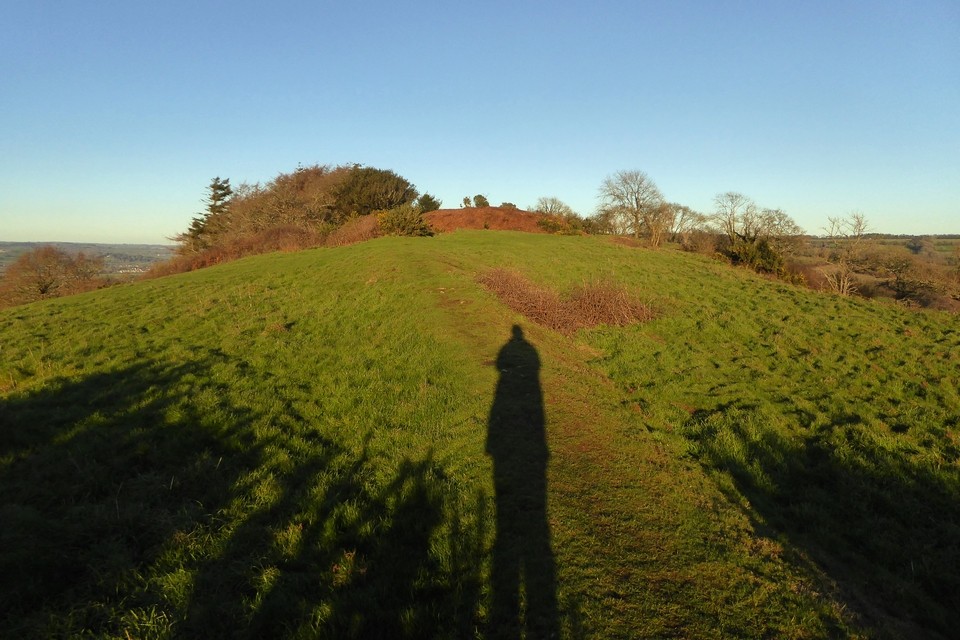
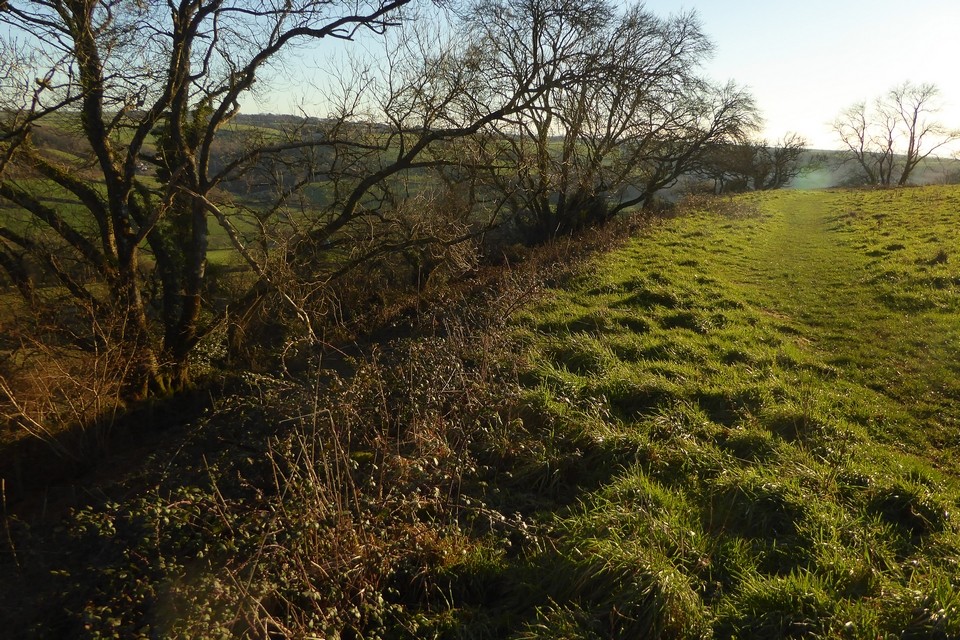
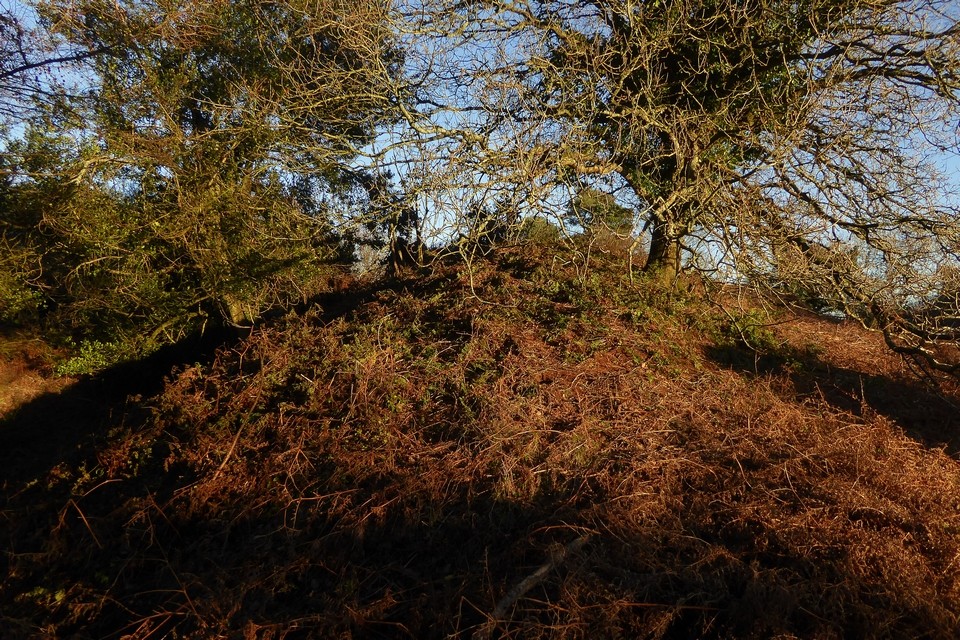
Musbury Castle (Hillfort) — Images (click to view fullsize) |
   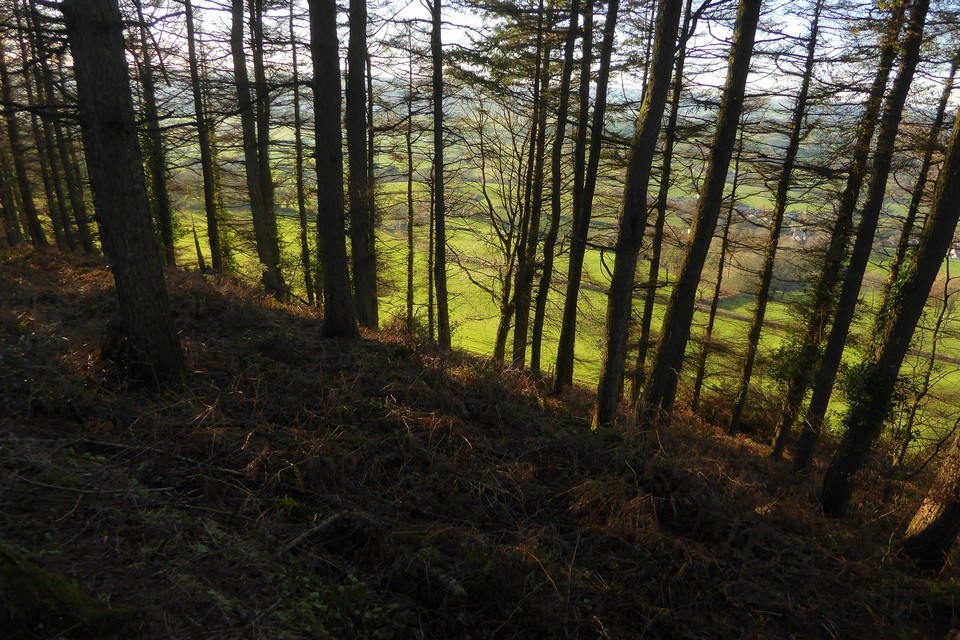 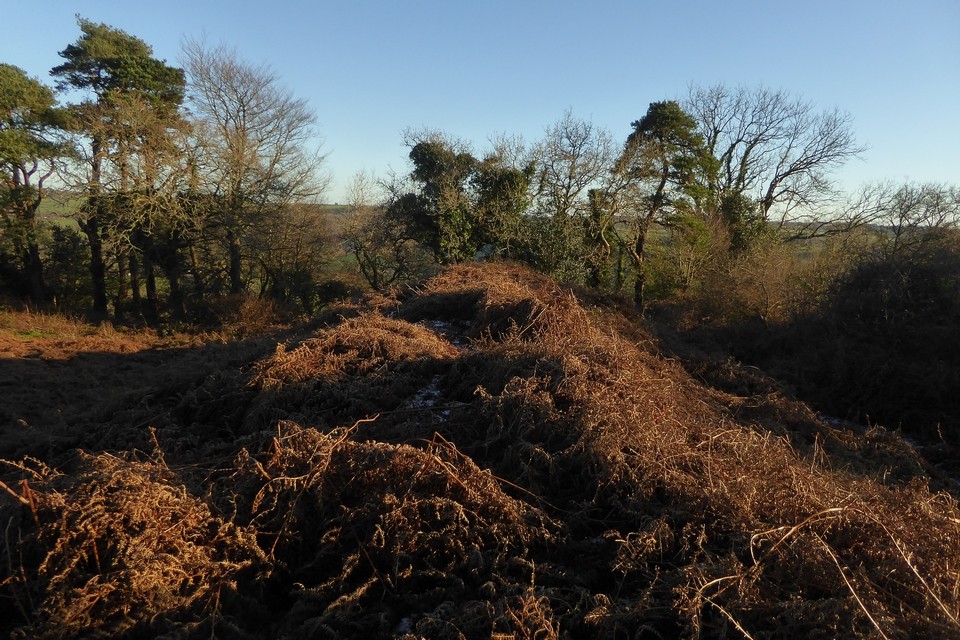 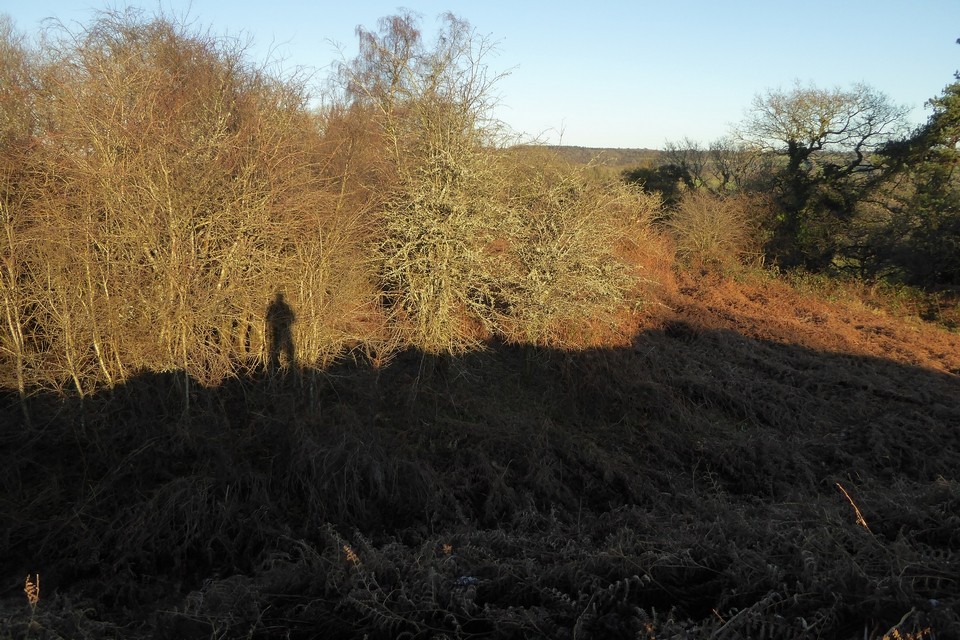 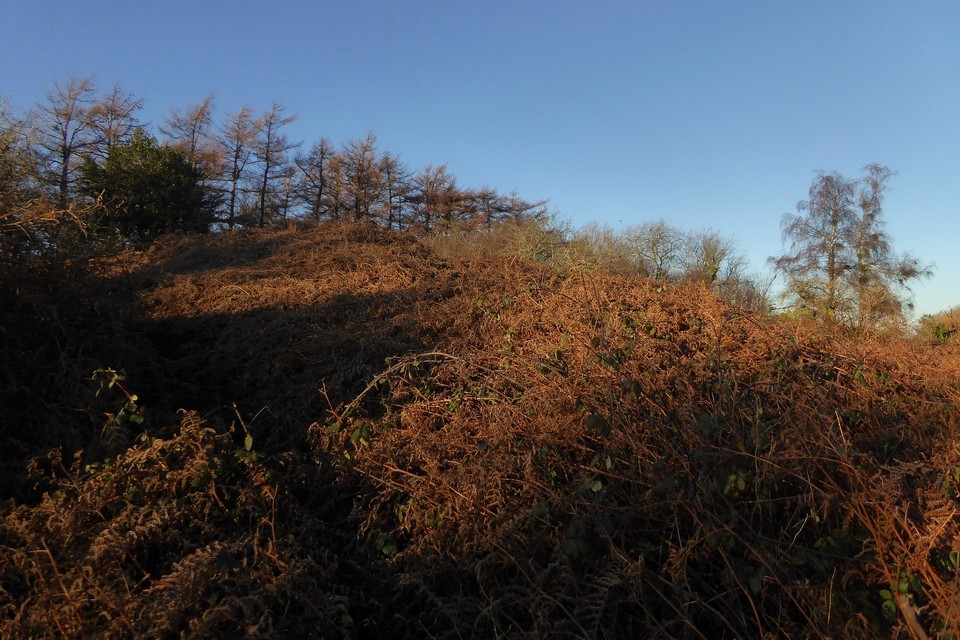 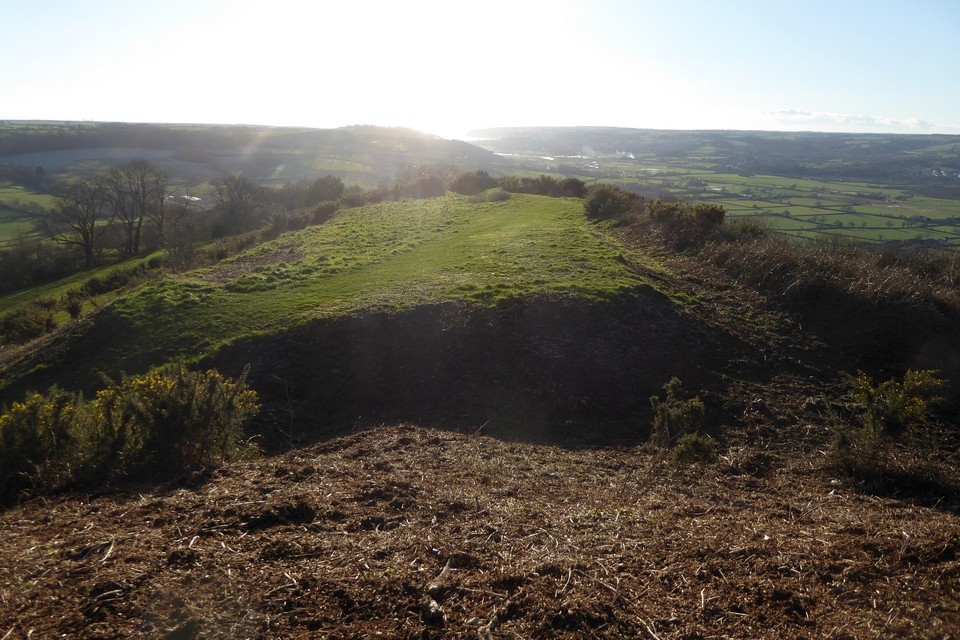 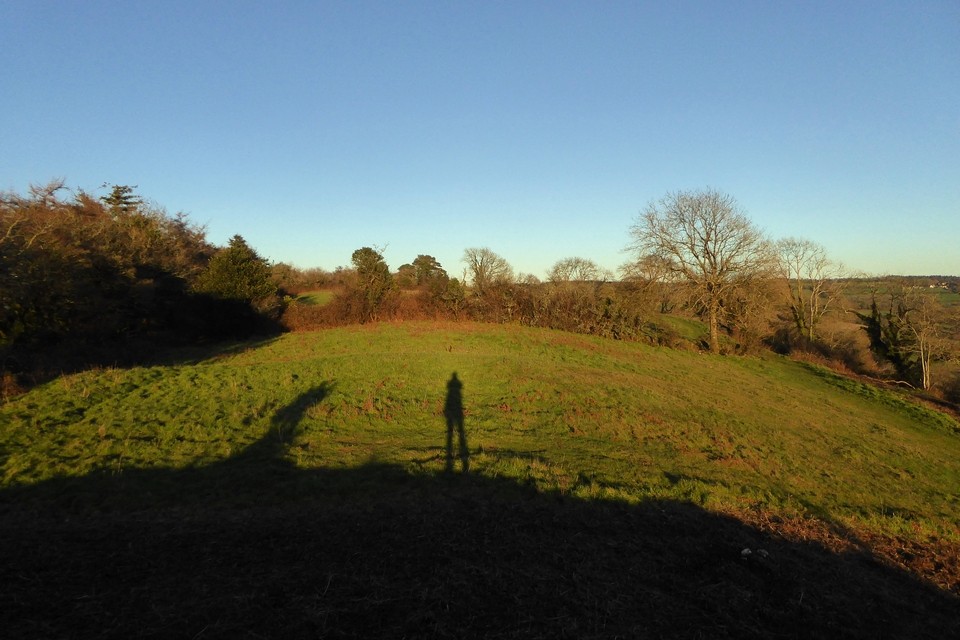 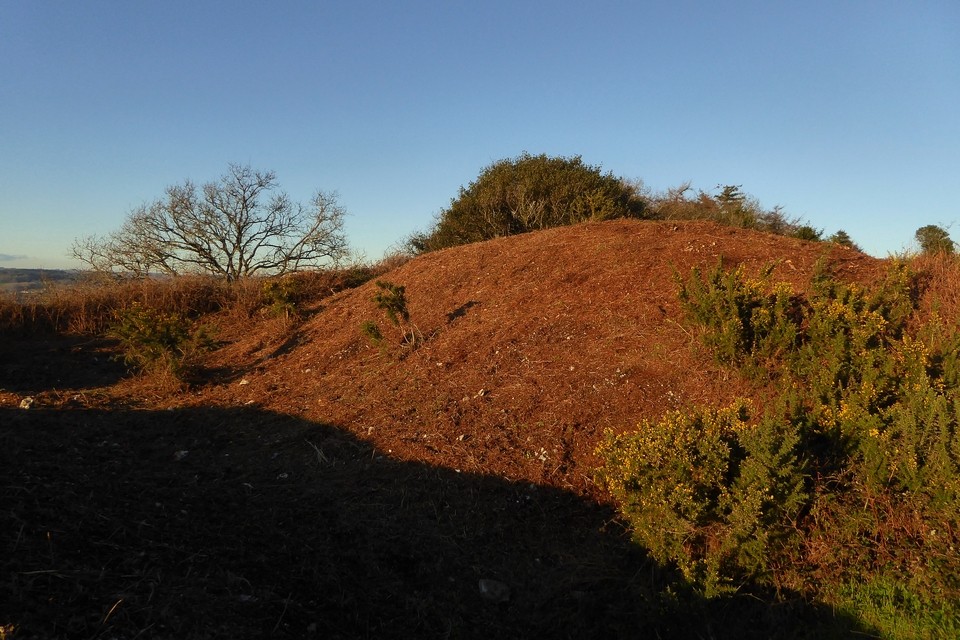
|
Posted by thesweetcheat 11th January 2024ce |
Showing 1-10 of 4,107 posts. Most recent first | Next 10
 Top of page