|
 Log in |
Register Log in |
Register
|

|
|

Knowlton HengesHenge
|


 Show map (inline Google Map)
|
|
|
News |
 Add news Add news |
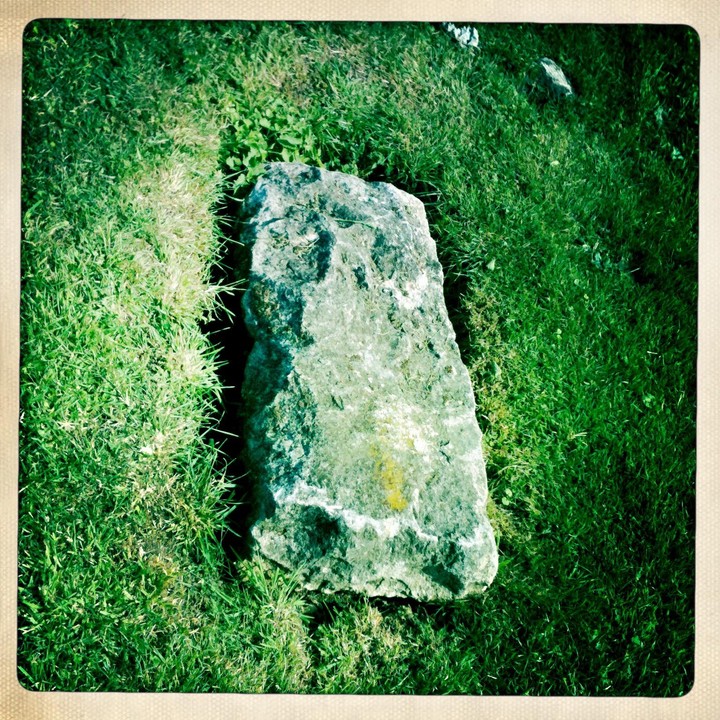
Dowsers find stone from ancient templeSource: Bournemouth Daily Echo Date Published: Friday 10 June 2005 AN ancient standing stone from a lost sun temple has been unearthed by dowsers in east Dorset. Students on a local dowsing course discovered the hidden Bronze Age relic at Knowlton Henge, two miles south of Cranborne... continues... |
 Posted by texlahoma
12th June 2005ce Edited 12th June 2005ce |

Archaeologists begin big dig for knowledgeby Lynn Jackson, from This is East Dorset AN AMBITIOUS project to uncover ancient archaeological remains dating back to the Bronze Age is due to start in east Dorset next month... continues... |
 Posted by Jane
27th July 2004ce |
Images (click to view fullsize) |
Add an image |
Photographs: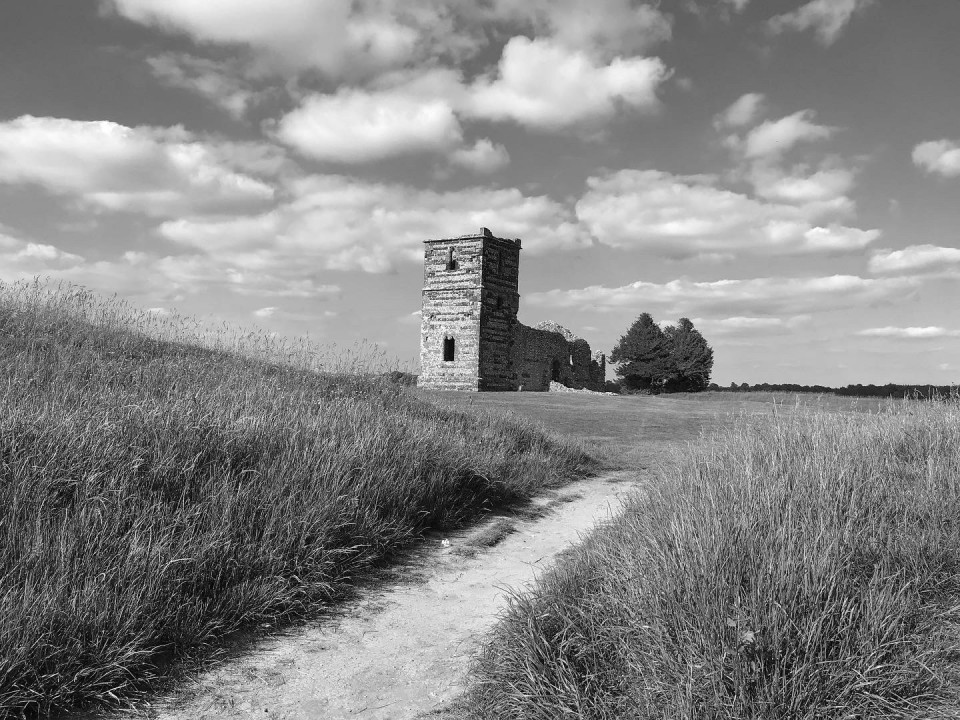
 Maps / Plans / Diagrams:
 Artistic / Interpretive:
|
Fieldnotes |
Add fieldnotes |
|
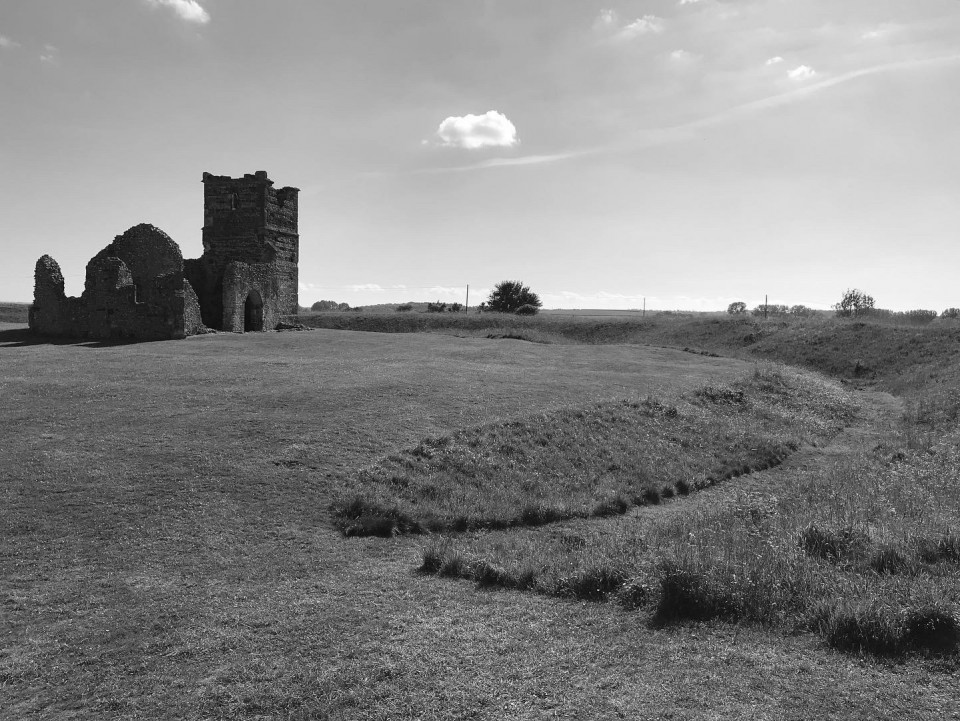
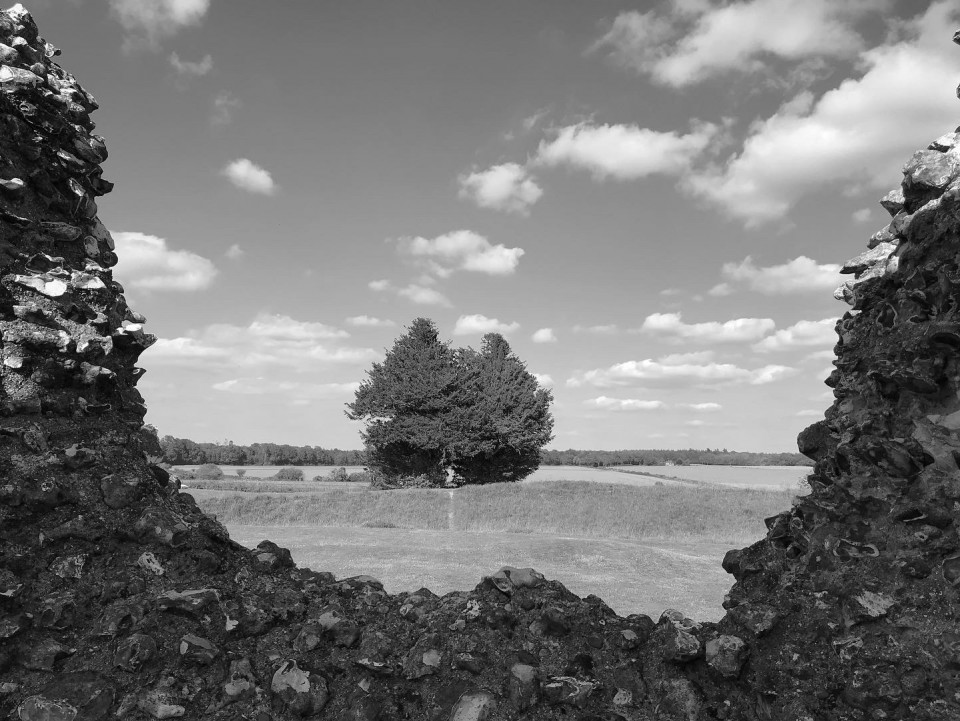
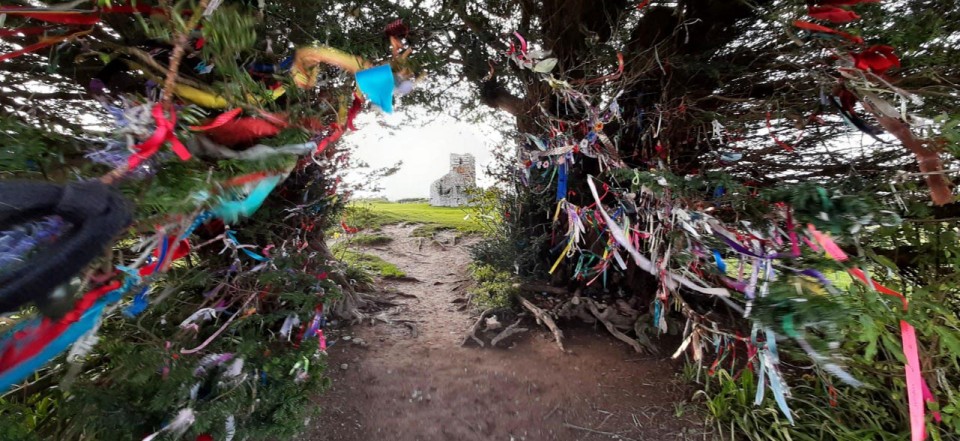
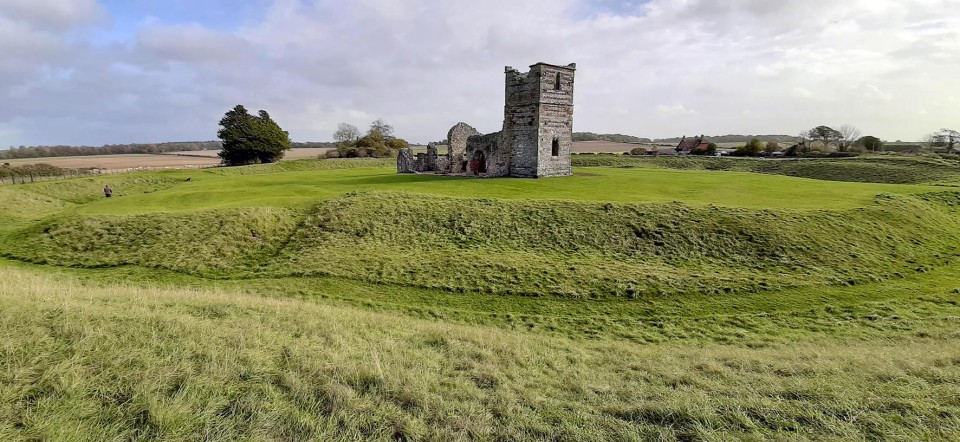
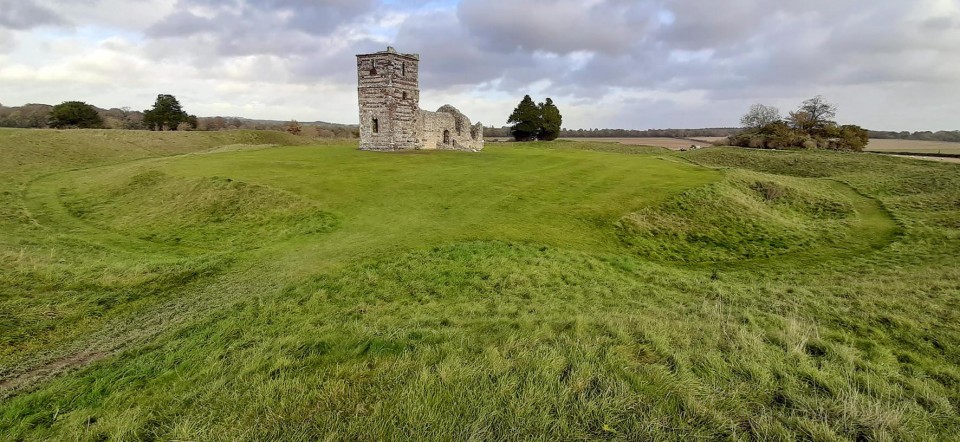
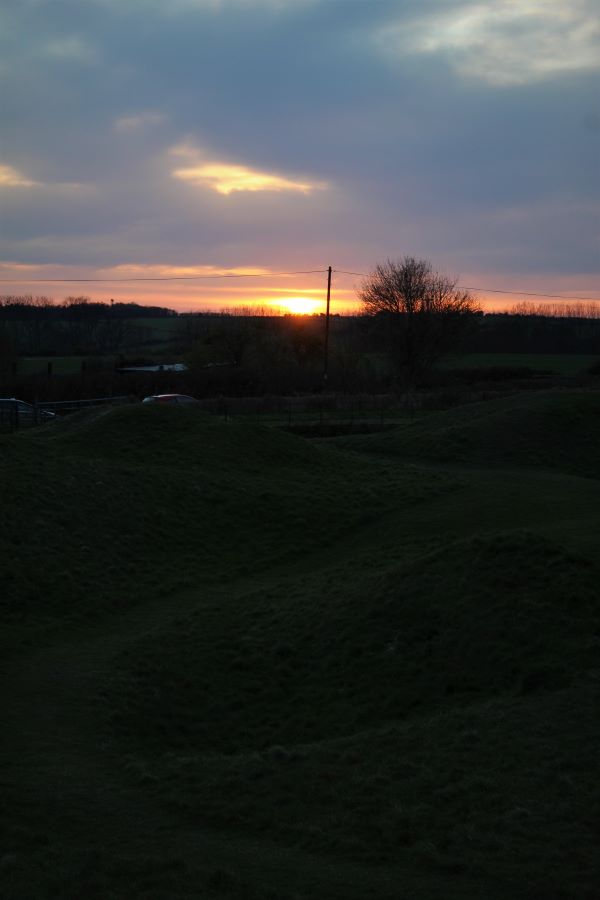
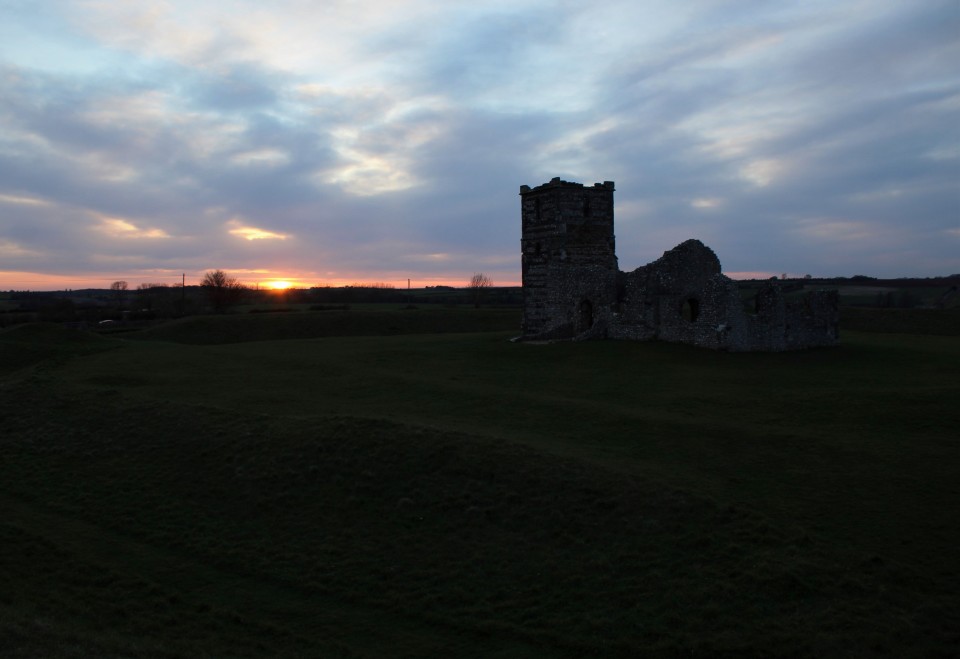
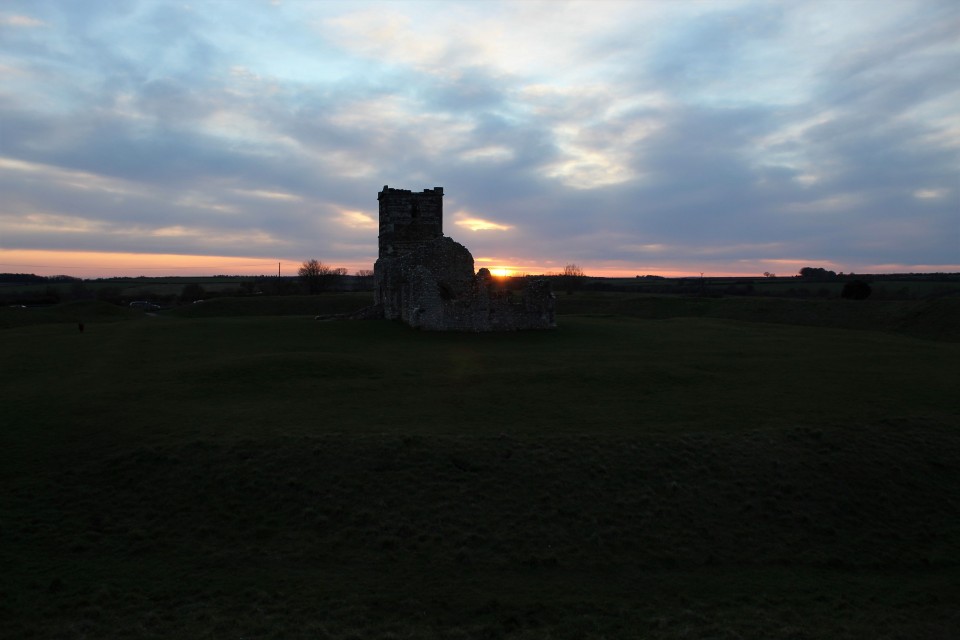
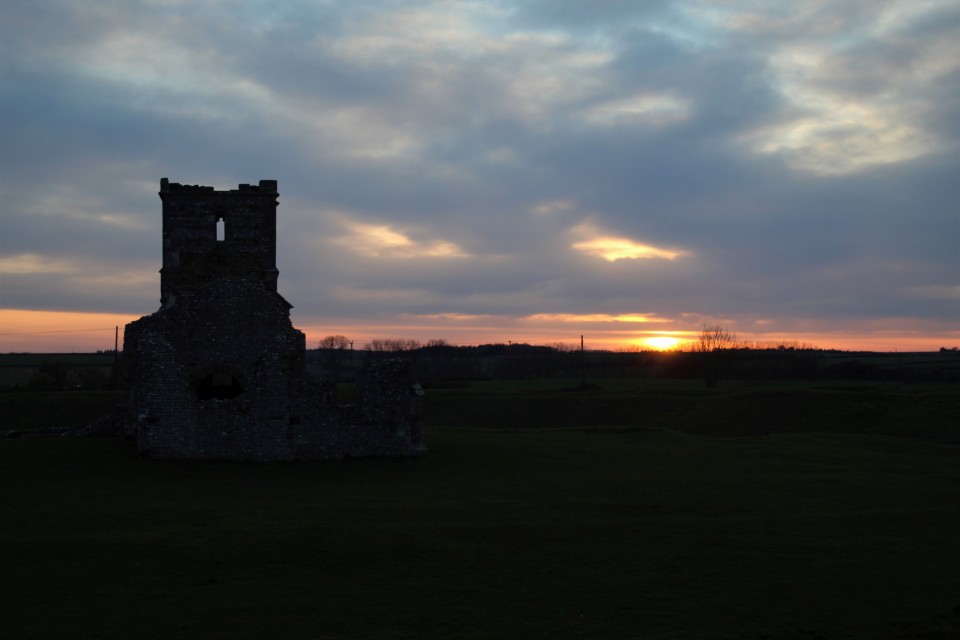
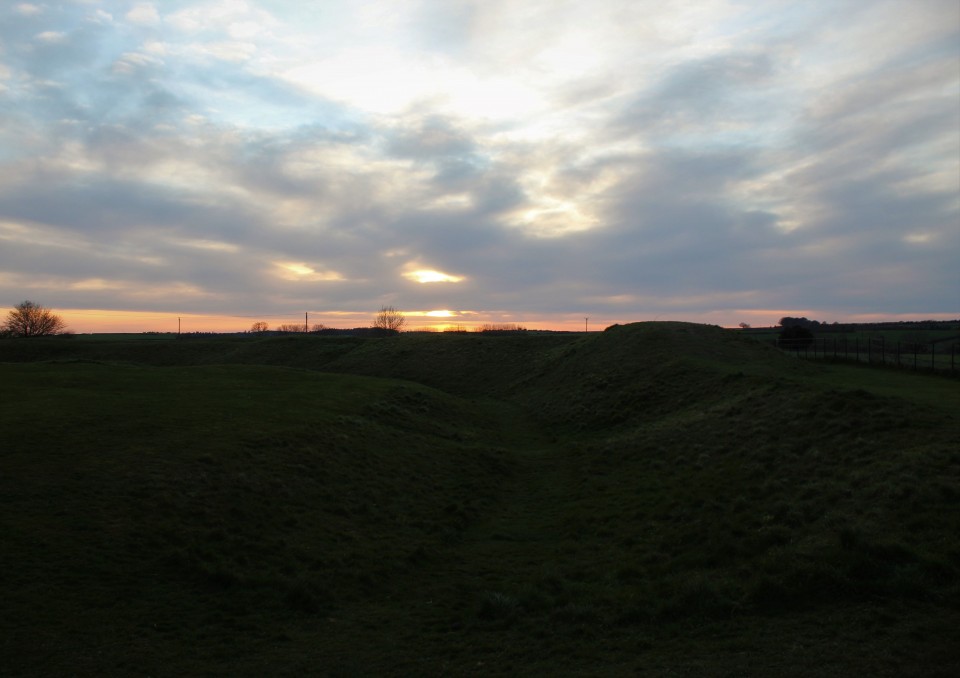
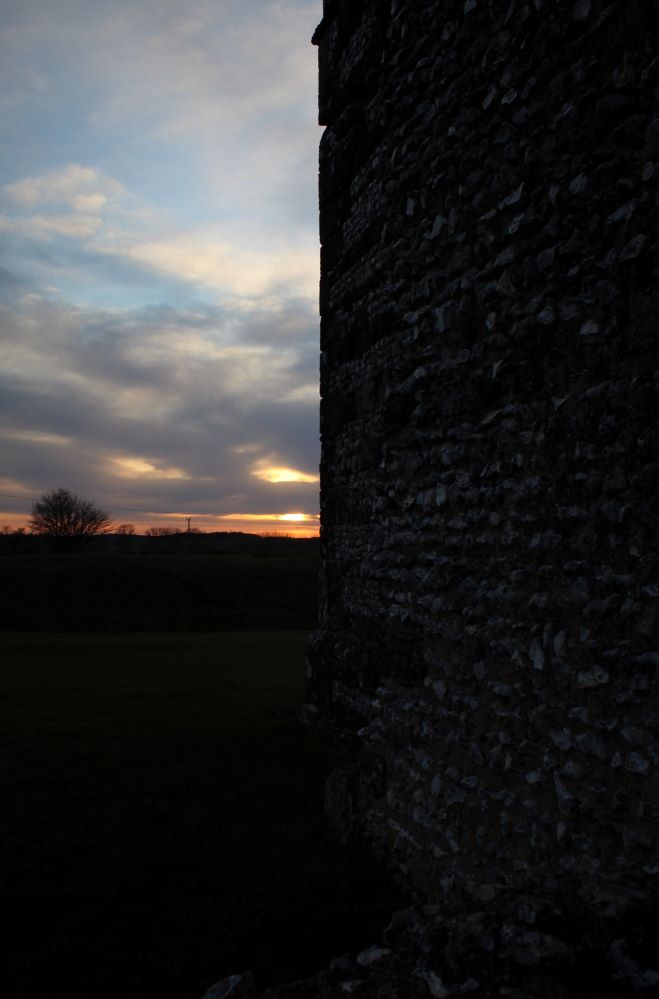
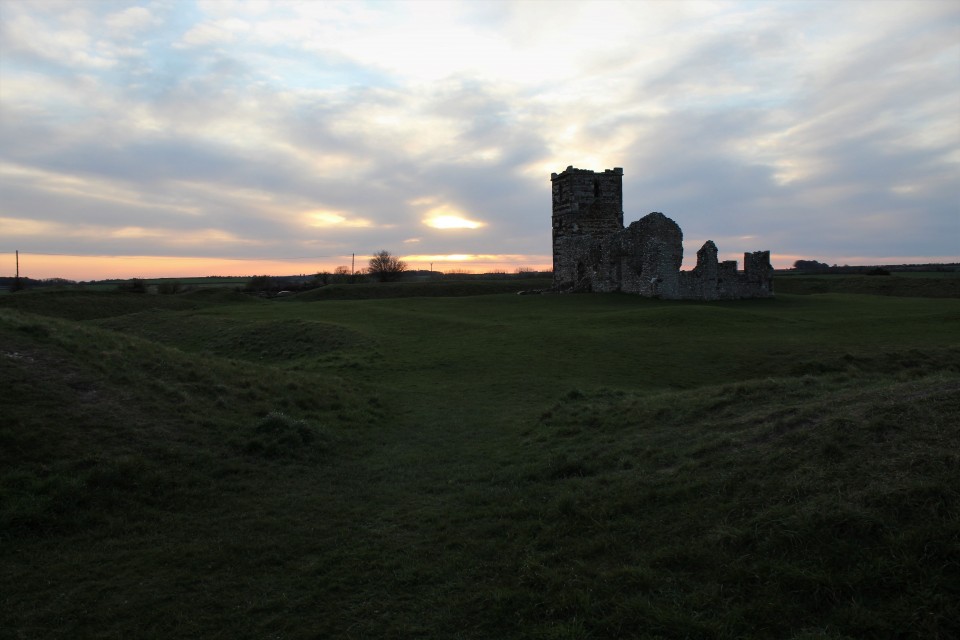
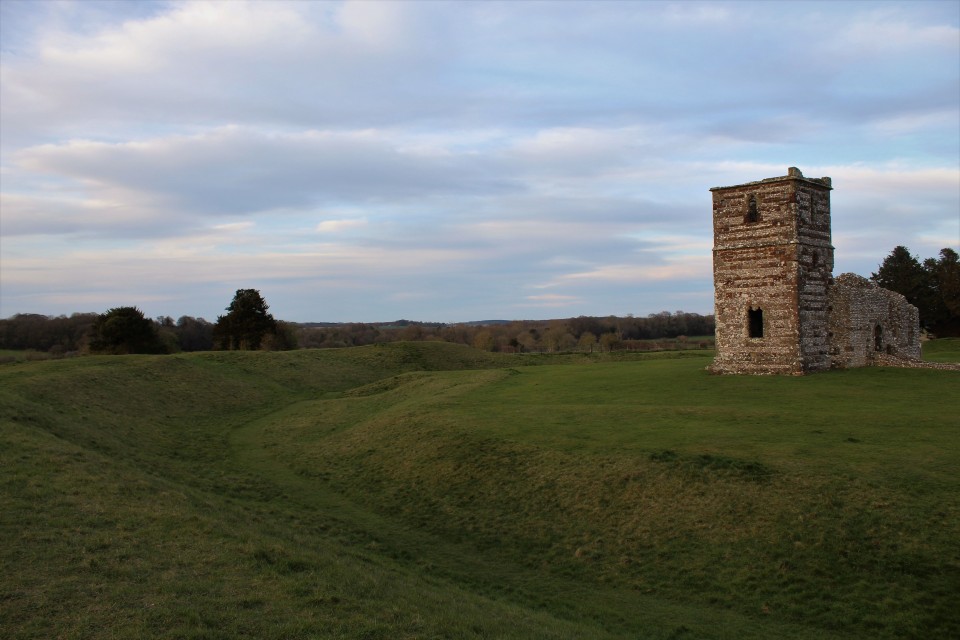
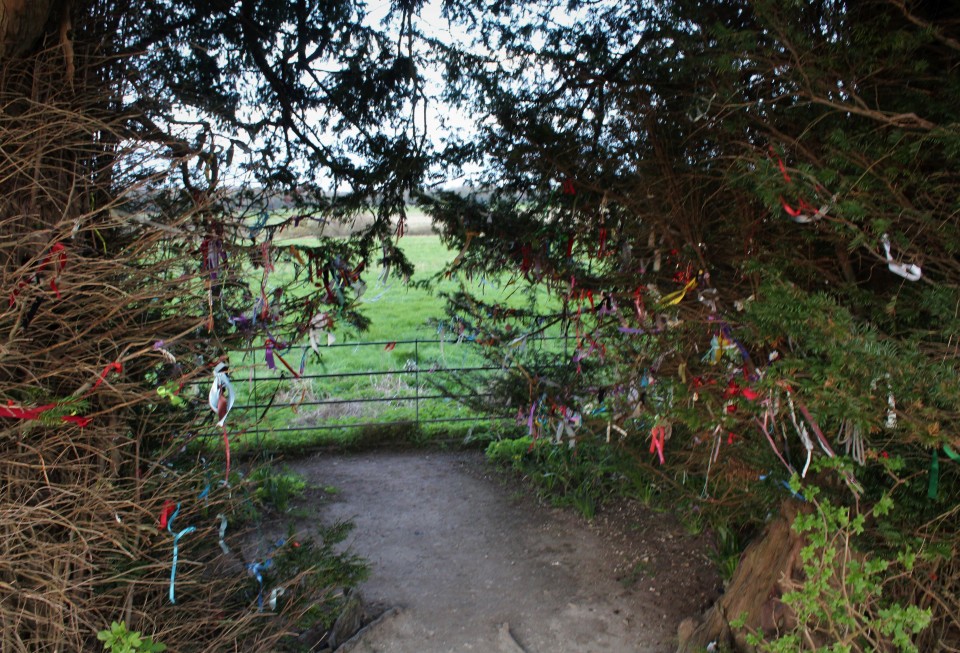
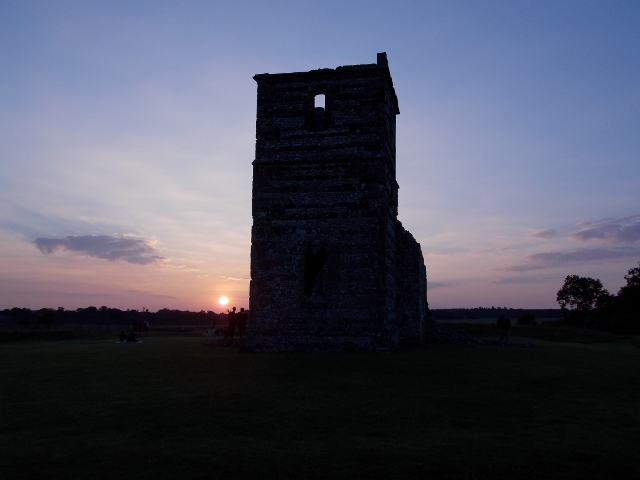
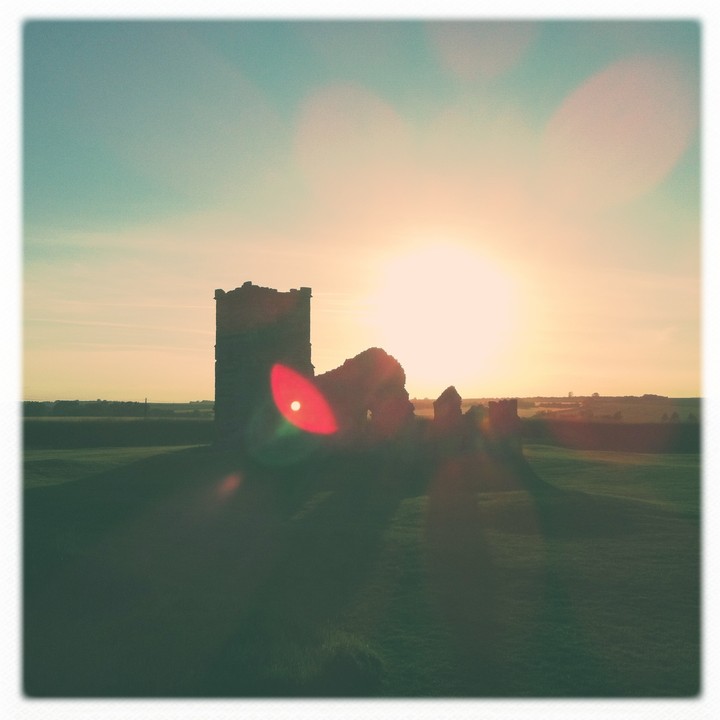
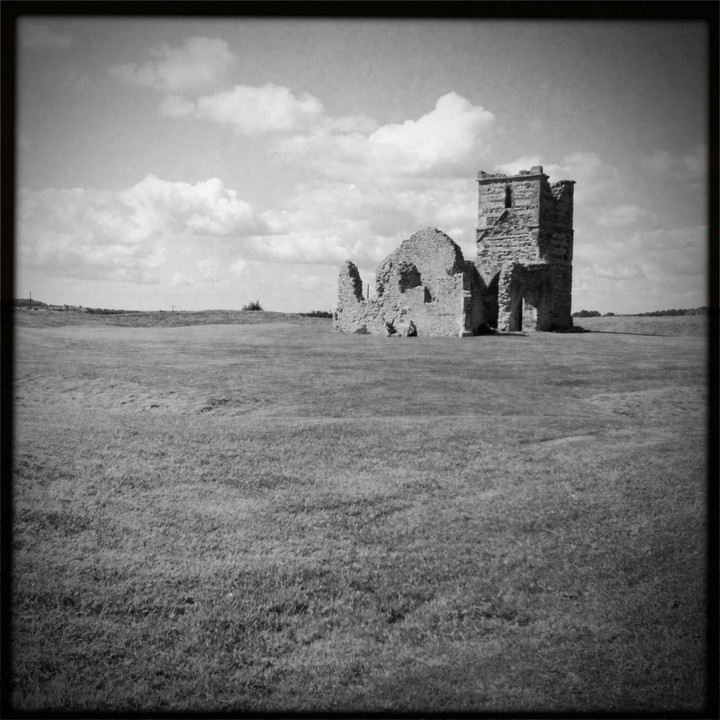
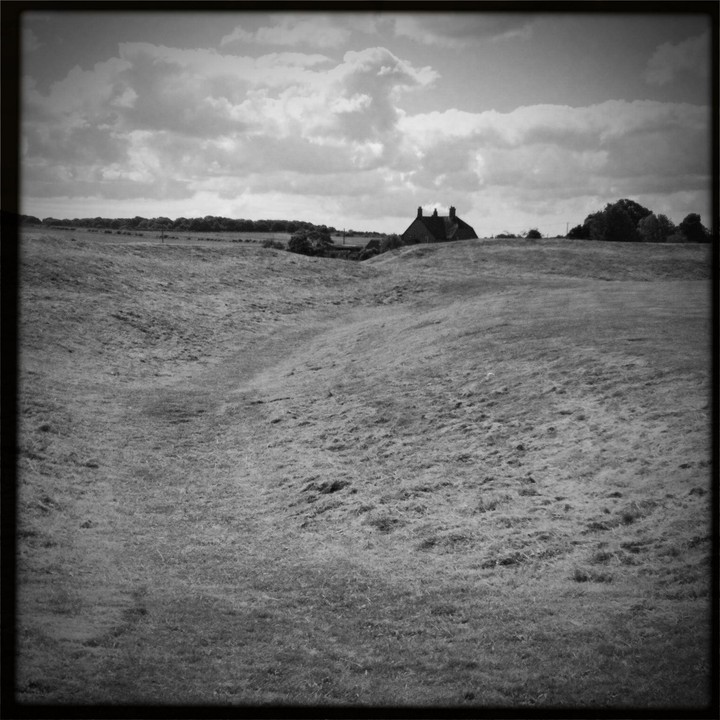
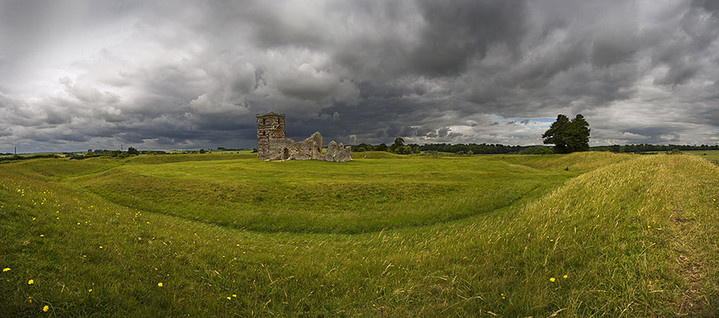
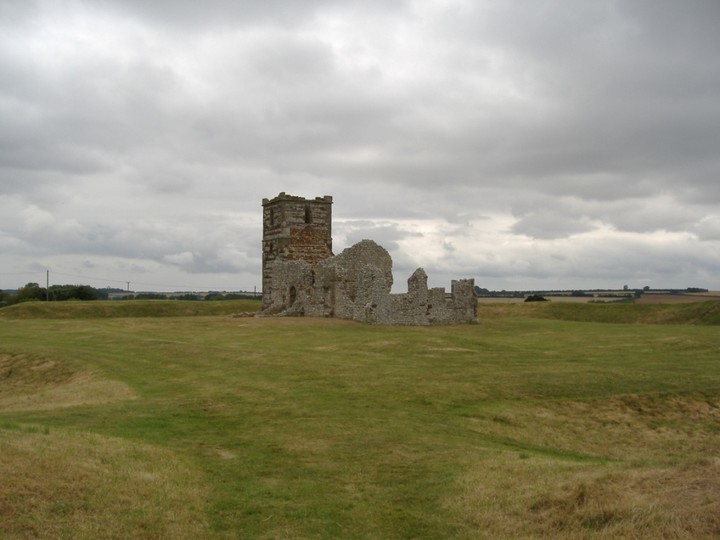
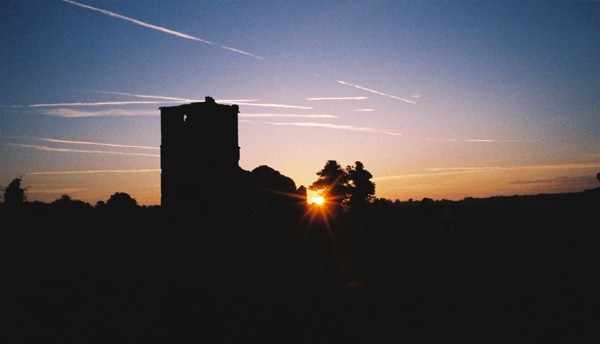
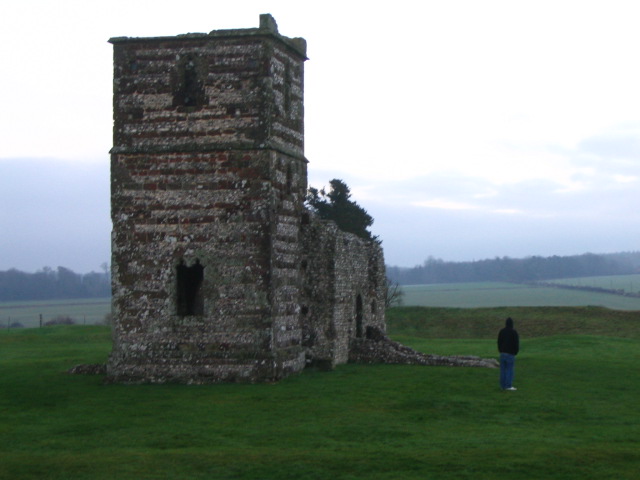
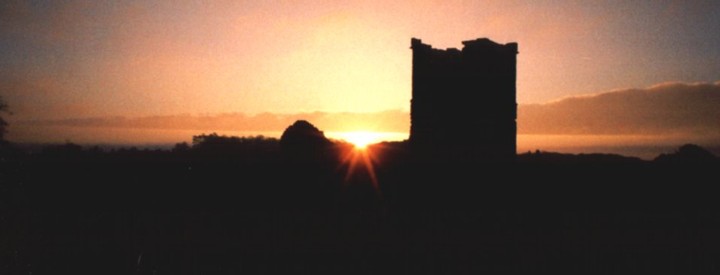
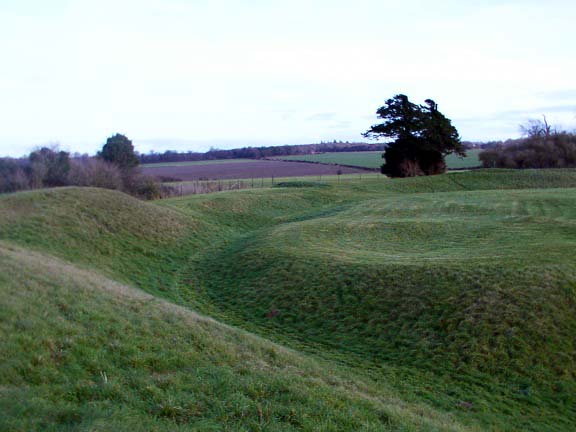
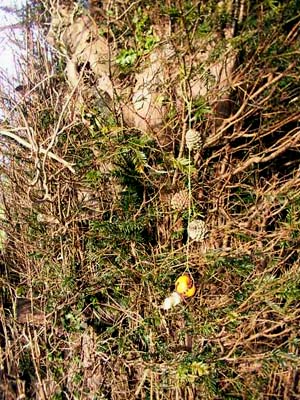
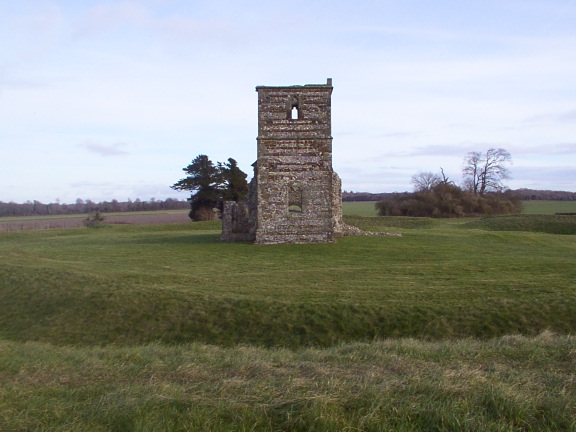
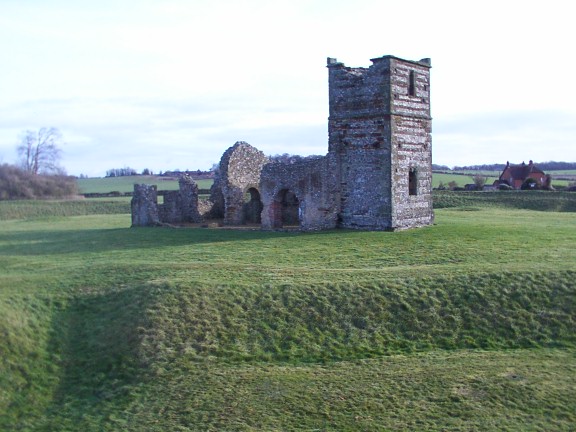
It's been a long time since I was last here, I find myself saying that quite often these days, it was before my digital camera era, my daughter was in nappies and my son wasn't even real yet. So, with daylight waning I headed to Knowlton Henge for an equinox sunset, which was yesterday, some things never change. I managed to find my way to it without the comfort of an O.S map, it's marked on my road map and that was just about enough. Only two cars were parked at the entrance so I easily squeezed the mobile isolation unit in and I hastened to enter the site. Twenty years ago this summer was my last time here, with my wife and small daughter, it was a warm late afternoon, swallows swooped, bees buzzed, small daughter toddled around half naked chasing the dog, we sat in the grass, partaking, wondering at the perfectness of it all. A million years later..... I'm here on my own after one of the longest stoning days ever, i'm very tired, and core blimey it's cold. The occupants of the two cars have taken up residence on the henge bank with tripoded cameras, waiting for the sunset. I was shouted at once by a fat crusty woman for walking on a henge, I wonder how many henges she's been to. The memories of an old man are the deeds of a man in his prime, some one once said, I often wonder if my obsession with seeing stones is born out of those few perfect summers with small children and love in the air, with all these new places to visit with fewer worries. Maybe. Having wandered slowly about the church I was naturally drawn to the pair of Yew trees by the eastern entrance to the henge, I'm guessing they're about the same age as the church, Yew trees are awesome, they're practically immortal, the church can collapse and the henge wear down, but the Yew trees would still be there. The trees are close enough together to form a kind of plant cave who's walls are covered in cloots, if that's what we're calling them, coloured ribbons, often with messages written upon them, I have no strong feelings about them one way or the other. But I do like Yew trees. I stand upon the henge bank with the other photographers, keeping further apart than two meters I can tell you, I've been practicing social distancing for decades, I'm very good at it. Watching the sun slither down in the sky shining brightly through the dappling cloud, it was quite nice. Still cold though. As the sun got lower all manner of folk turned up to share the spectacle, most notable was a bloke with five, yes five Red Setters which he then let off the lead to charge around uncontrollably. One of the photographers, with prolonged use of the F word, was audibly upset. But it was all water off a ducks back for me, i'm not expecting bucolic yesteryear flawlessness, i'm not expecting anyone to take my wants or needs into consideration. I'll just be glad to have a better sunset than this mornings sunrise and a safe and uneventful and uninfected drive home wouldn't go amiss either. |
 Posted by postman
23rd March 2020ce Edited 23rd March 2020ce |

|
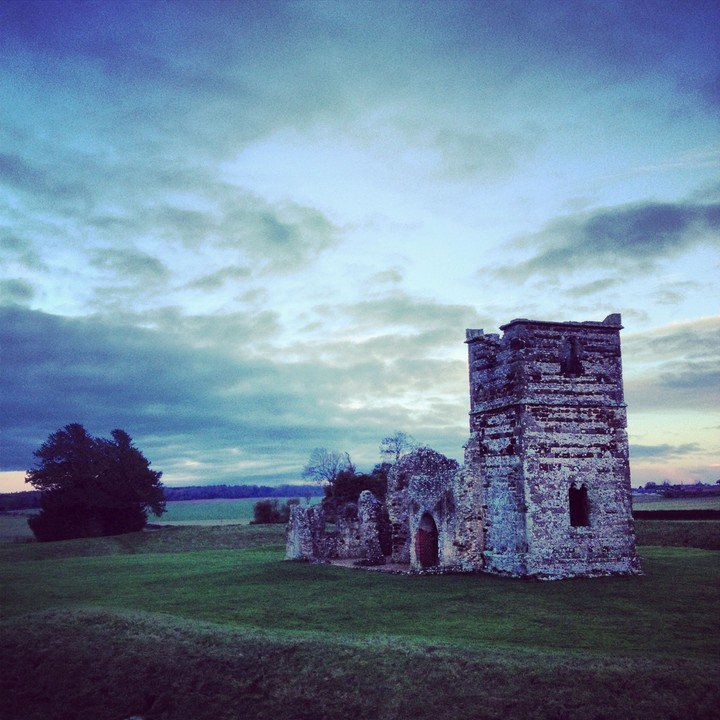
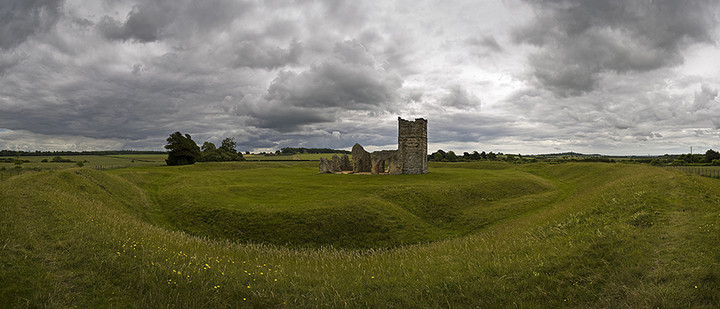
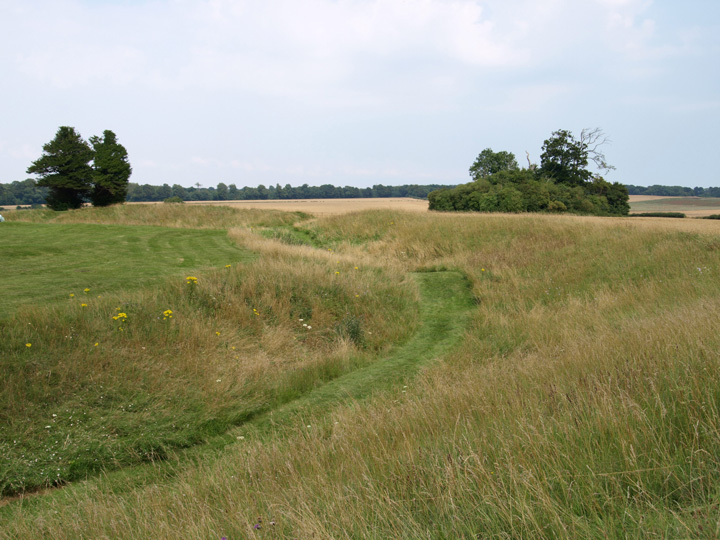
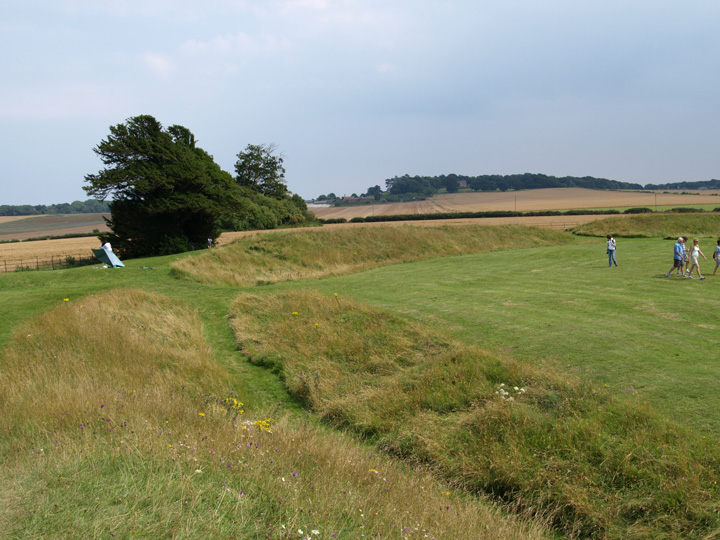
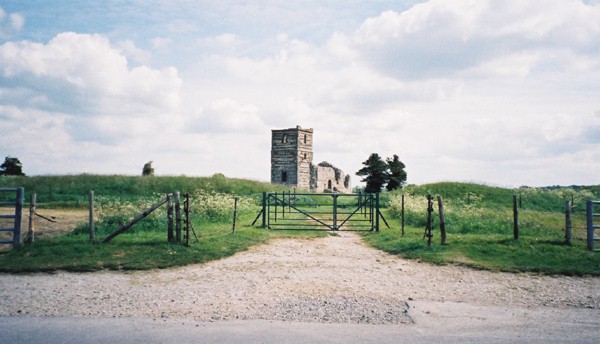
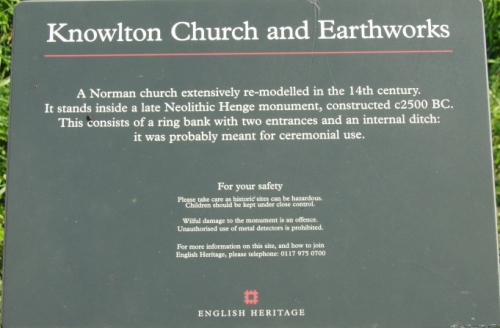
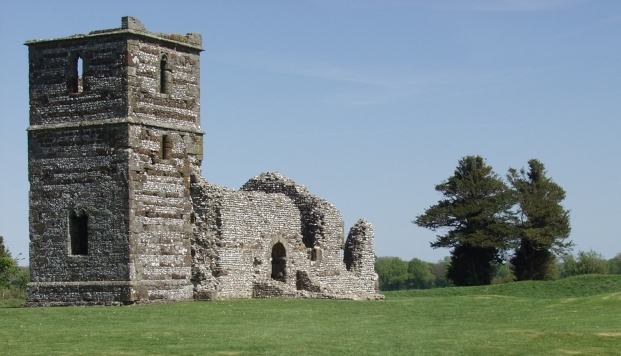
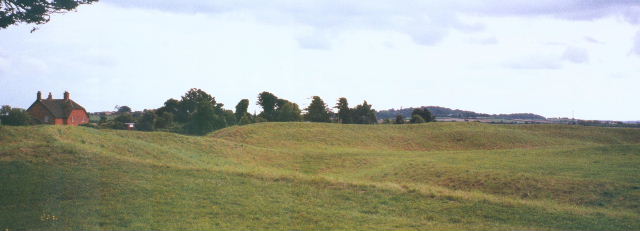
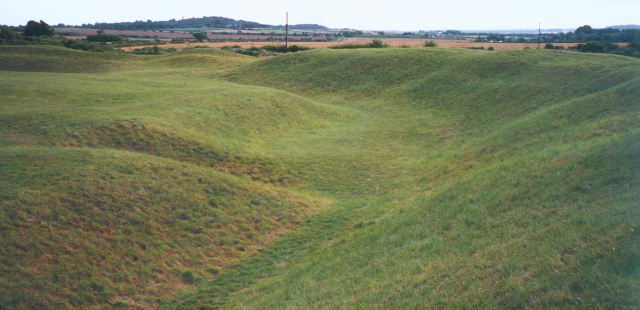
Visited 13.10.14 Directions: Sign posted off the B3078. You can park right next to the site. This is one of those sites that I had been looking forward to visiting for a long time. I am pleased to say I wasn’t disappointed – despite the heavy rain coming down. (At least I had the site to myself!) This is pretty much as easy a henge you are ever likely to visit. It has obviously suffered from erosion over the years but it is still in pretty good condition. It must have been very impressive when first constructed. What surprised me was the old yew tree at the far side of the henge which was covered in clooties, bells, feathers, messages etc. Some of the messages were quite moving. It is nice that some people keep the old traditions alive. The ruined church is also an obvious place to have a look around. Inside the church were many tea lights scattered about the floor. Knowlton Henge is well worth visiting if you are in the area. That’s another English Heritage site knocked off the list! |
Posted by CARL 15th October 2014ce |
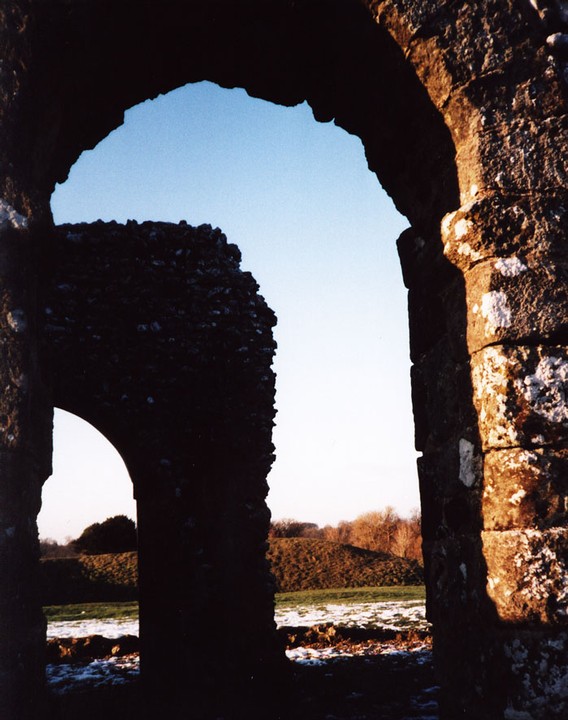
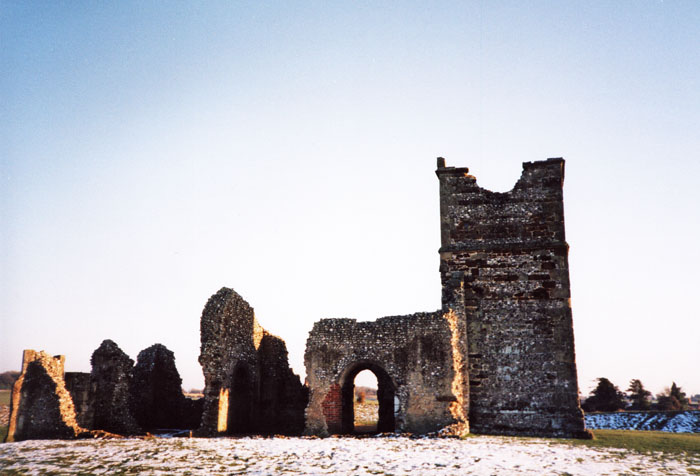
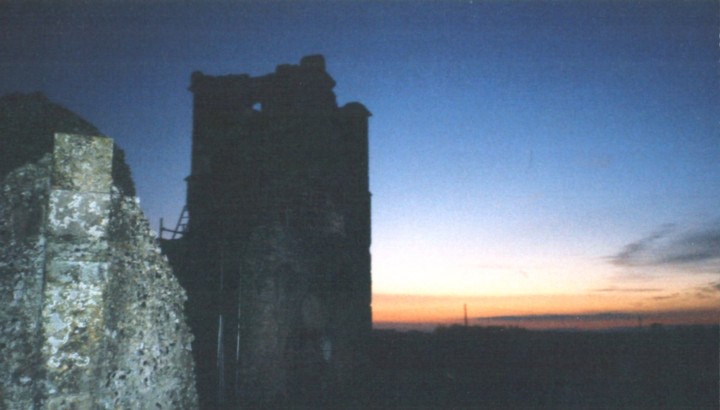
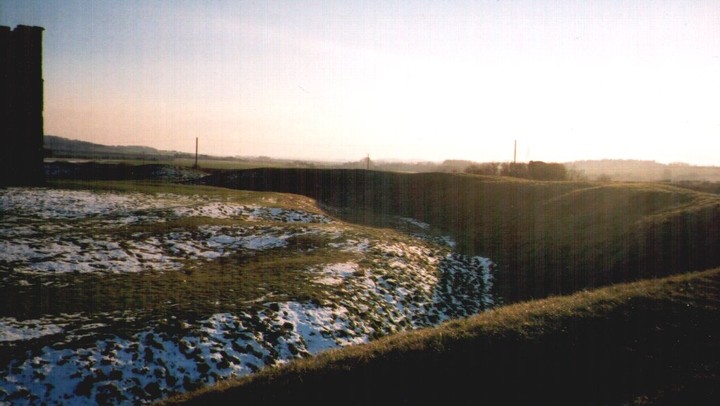
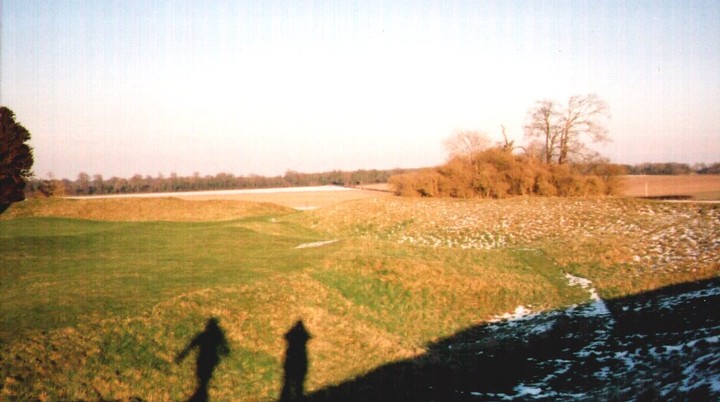
| Charlie and I visited this site again today. This time it was late afternoon and the sun was setting fast as we got out of the car and took some photos of the henge on this Halloween night. Last time we we here in the middle of the day and the ground was covered in snow. Today the place took on a completely different feel as night set in, and we saw the place for the first time in relation to the night sky. There is some work going on inside the church at the moment, and the scaffolding inside from some angles somewhat spoils the overall vibe of the place, as does the portaloo right at the entrance to the henge. However this didn't detract from our time, walking around the henge in the dark, lit only by the moon and stars with the sounds of owls hooting and far away farm dogs barking into the night. |
Posted by texlahoma 31st October 2004ce Edited 1st November 2004ce |
|
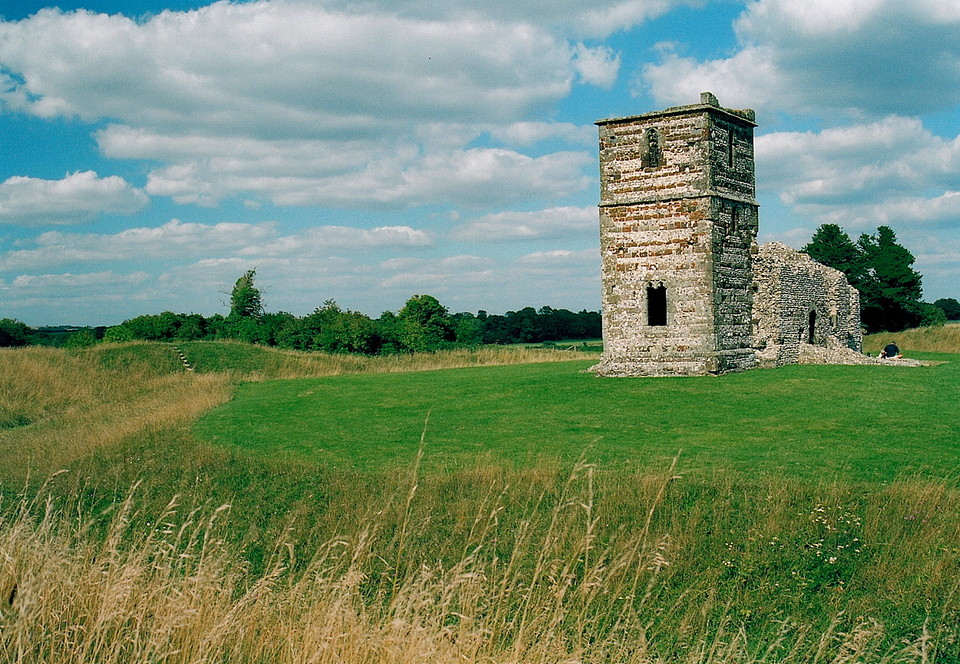
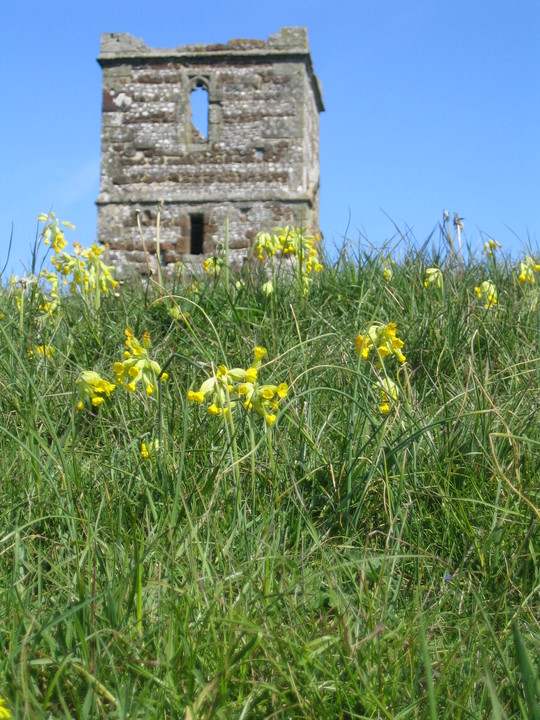
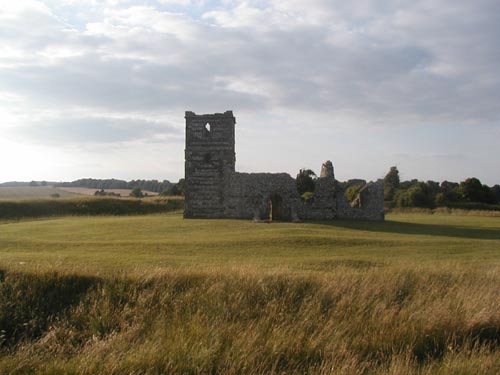
I travelled down after reading the reviews, looking forward to seeing the site, which didn't disappoint. Although the church has somewhat taken over the site, the fact that it's also in ruins just added to the atmosphere at the site, suggesting that no belief is constant... I'd expected to see the two magnificent yews flanking an entrance from the entries here, but the placement of the trees is more in line with the church than the henge, which is unbroken by the trees (see photo) This post appears as part of the weblog entry May Day Weekend Travels
|
 Posted by ocifant
5th May 2003ce Edited 5th May 2003ce |
|
Loved this site! Very easy to reach from the roadside although no direction signs .Very peaceful place only saw 2 other people. The church and henge are very accessable grass is kept very short. Earlier in the day we visited Badbury Rings hoping to find peace but found a heaving carpark and hoards of people walking off their Christmas dinners! It seems the early Christians made a habit of taking over the old religious sites such as Knowlton Henge. This could be blamed on Pope Gregory who in 601 C.E. said.. "The temples of the idols in the said country ought not to be broken; but the idols alone which be in them . . . If the said temples be well built, it is needful that they be altered from the worshipping of devils into the service of the true God." The is a good article on this subject at.. http://www.watchtower.org/library/w/1999/3/15/article_01.htm As you can guess from the URL, the site is Official Web Site of Jehovah’s Witnesses! but it makes interesting reading whatever you chose to believe. Kernow Phil |
Posted by phil 27th December 2001ce Edited 9th June 2003ce |
|
An addition to my earlier review. Check out the following sites for proof of how mind-blowing this area once was (they are both from Bournemouth University's pages). For a plan of the area (a must see): http://csweb.bournemouth.ac.uk/consci/pics_kn/plan.gif For details: http://csweb.bournemouth.ac.uk/consci/text_kn/knback.htm |
Posted by johan 13th October 2000ce |
|
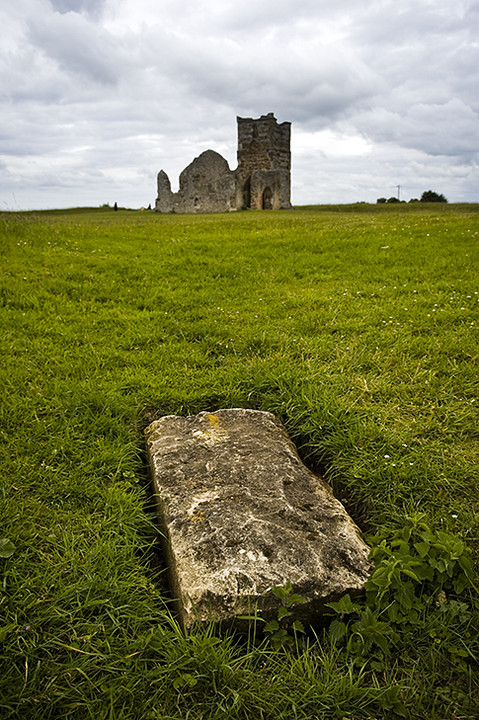
I drove from Southampton to Knowlton with Charlieboy - it's the nearest of the Antiquarian sites to Southampton and it was a sunny day. Knowlton is easy to find from a road atlas and is right at the side of the lane. It's spectacular to look at - a ruined church inside a henge, one religion following another and in the end all gone and just the countryside left ongoing. The knarled old Yew trees at the far end of the henge give a traditional spiritual feel. There are apparently a whole complex of henges, enclosures etc all around, possibly making one of the most important sites in Wessex, but most of it is just vaguely discernable, ploughed out. This was Charlieboy's first experience - a Megalithic virgin! He was well broken in by Knowlton Henge. |
Posted by chrissieboy 25th September 2000ce |
| There is a very good site that forms part of the Stone Circle Webring - can't remember URL or name! - which gives good detailed information about this site. What you see is a lovely little henge, a big barrow and a tiny church. Visited it by accident when at Bournemouth Uni a few years back. The site on the Web-ring reveals a much larger ritual area that points to a very complex and important site in antiquity. Well worth a visit, I found it most relaxing. |
Posted by johan 21st September 2000ce |
|
I cycled there with a friend a few weeks ago, (from Bournemouth where I live its only anbout 10 miles). A glorious sunny day, I feel this place is very unique. Of all the sites I have visited, there's something intimate and homely about Knowlton. We had a small picnick and a smoke (ran out of matched and had to ask two gentile mature artists painting watercolours on easels, for a light). Two ancient Ewe trees that grow at a gap in the Henge, like living guardians either side an entrance. At the base of each, in little alcoves amongst the roots and undergrowth, were symetrical offerings of a fresh Strawberry, a Clover flower and a pretty stone. We left with warm hearts! |
Posted by Ronnie 21st September 2000ce |
|
Learnt a lesson not to follow directions from TMA that refer to smell i.e. we missed the big smelly farm because it wasn't smelly on the day we went. We'll rely on more visible landmarks in future . Any way only took one wrong turn. Also saw no sign of angry canine, still best to be prepared. Nice site, sort of small and compact. Left quickly as locals appeared to be meeting for large group picnic, not sure of country code or etiquette so left them to it. They had a kid that stared at us in a funny way. |
 Posted by dickie
27th August 2000ce Edited 9th June 2003ce |
Folklore |
Add folklore |
"In walking from Blandford to Damerham in September, 1852, I shaped my course by Horton, with a view to seeing Monmouth's ash on Horton Heath. Having reached the roadside inn, I found that the ash was four miles distant, and not having time to proceed thither, I waited at the inn.The writer says here that he considered this tale very pointless and incomplete but then found Hutchins' version: "There is a tradition current among some of the old people in the village that many years ago the bellringers (or a party) of this village went secretly and removed one of the bells from the old ruined church at Knowlton [...]. They were successful so far, but, as there came a fall of snow during the expedition, they were afraid of being discovered by their tracks, and to baffle pursuit in case of discovery they reversed the shoes of the horses on their return. Arriving at the old bridge of White Mill, which is distant from Sturminster Church about half-a-mile, they sent on two of their party in advance to the village to see that the course was clear. As they were so long gone the remaining party thought something was a miss and that they were discovered, and, suspecting that the people of Knowlton were on their track, they, to dispose of the bell and put it out of sight, threw it into the River Stour, in a deep hole (now called Bell Hole or White Mill Hole). Hence the following doggerel:-From the Proceedings of the Dorset Natural History Society vol. 27, 1906. The first story is told by Mr A Reeves, all being part of an article on Church Bells of Dorset by the Rev. Canon Raven. |
 Posted by Rhiannon
30th March 2016ce Edited 30th March 2016ce |

[There was] an old ruined church in the neighbourhood of the farm where he was shepherd. It was roofless, more than half fallen down, and all the standing portion, with the tower, overgrown with old ivy; the building itself stood in the centre of a huge round earth-work and trench, with large barrows on the ground outside the circle. Concerning this church [Caleb] had a wonderful story: its decay and ruin had come about after the great bell in the tower had mysteriously disappeared, stolen one stormy night, it was believed, by the Devil himself. The stolen bell, it was discovered, had been flung into a small river at a distance of some miles from the church, and there in summertime when the water was low, it could be distinctly seen lying half buried in the mud at the bottom. But all the king's horses and all the king's men couldn't pull it out; the Devil, who pulled the other way, was strongest. Eventually some wise person said that a team of white oxen would be able to pull it out, and after much seeking the white oxen were obtained, and thick ropes were tied to the sunken bell, and the cattle were goaded and yelled at, and tugged and strained until the bell came up and was finaly drawn right up to the top of the steep, cliff-like bank of the stream. Then one of the teamsters shouted in triumph, "Now we've got out the bell, in spite of all the devils in hell," and no sooner had he spoken the bold words than the ropes parted, and back tumbled the bell to its old place at the bottom of the river, where it remains to this day. Caleb had once met a man in those parts who assured him that he had seen the bell with his own eyes, lying nearly buried in mud at the bottom of the stream.From 'A Shepherd's Life; impressions of the South Wiltshire downs' (1921), by WH Hudson. |
Posted by Rhiannon 28th October 2009ce |
|
Stukeley was told by local people that there had been seven churches here originally, but that six had vanished entirely. (mentioned by Westwood and Simpson in 'Lore of the Land' 2005 p215) |
Posted by Rhiannon 28th February 2006ce |
Miscellaneous |
Add miscellaneous |
|
Details of site on Pastscape A cluster of Neolithic and Bronze Age monuments near Knowlton. The principal features are the henge monuments and the Great Barrow, while a number of round barrows and ring ditches are also focused on the area. Until recently, little fieldwork has been undertaken in the area. Some stray finds of Neolithic date have been reported, while some flint scatters have been examined on the opposite side of the Allen Valley to the monuments. A research programme undertaken by Bournemouth University in 1993-5 included geophysical survey on various monuments in the area as well as some trial excavation at the southern henge (SU 01 SW 101). The monuments in this group are visible on aerial photographs and have been been mapped by EH's Knowlton Circles Project. See child and associated monument records for details about individual sites. The core of the site is in the care of English Heritage. |
 Posted by Chance
24th May 2014ce |
Links |
Add a link |
Knowlton Henge video on youtube |
 Posted by wickerman
25th April 2009ce |

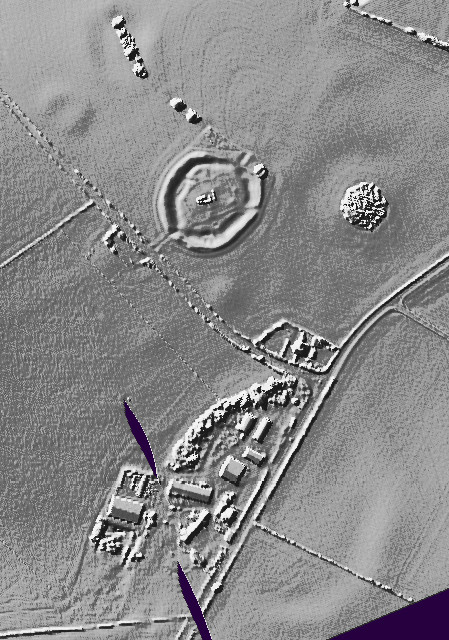
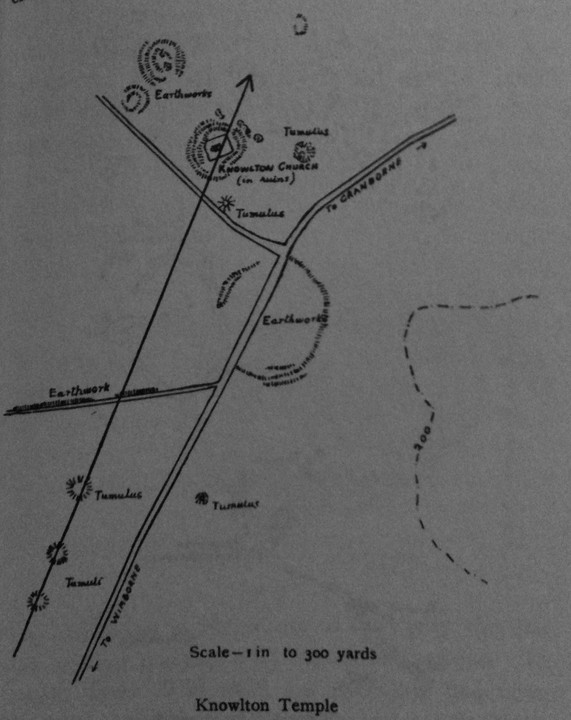
Research at the Knowlton Henge complexPlan of the area. Part of research at Bournemouth University, with contents page at http://apollo5.bournemouth.ac.uk/knowlton/ |
Posted by Rhiannon 2nd December 2004ce |
EH ViewfinderEnglish Heritage air photo |
Posted by BrigantesNation 29th March 2004ce Edited 2nd December 2004ce |
Aerial Survey for Archaeology reportAir photo of the henges on Britarch. |
Posted by BrigantesNation 4th August 2003ce Edited 2nd December 2004ce |
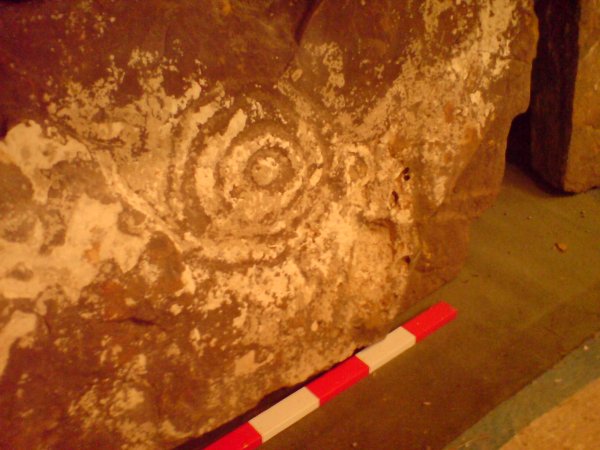
PAST - Newsletter of the Prehistoric SocietyUnusual carved megaliths found at Knowlton Henges, 2000 |
Posted by Rhiannon 15th May 2003ce |
Francesca Radcliffe - Aerial ArchaeologyNice aerial picture, and a little bit of info. |
 Posted by pure joy
24th November 2002ce |
 Top of page
