|
 Log in |
Register Log in |
Register
|

|
|

Hetty Pegler's TumpLong Barrow
|


 Show map (inline Google Map)
|
|
|
News |
 Add news Add news |
|
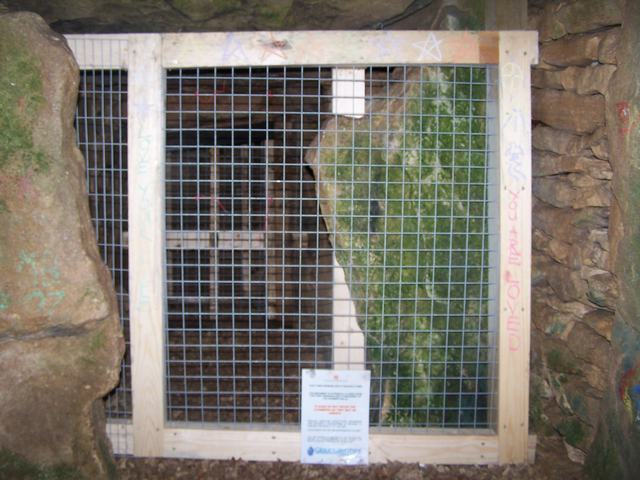
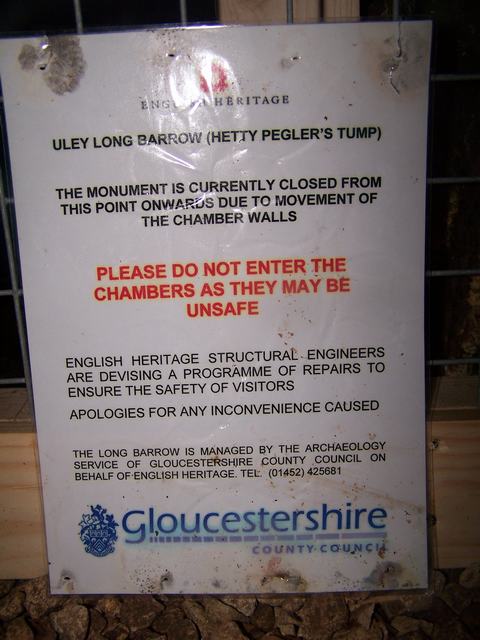
Hetty Pegler's Tump re-opens Thanks to PeteG for posting this on Facebook. http://www.bbc.co.uk/news/uk-england-gloucestershire-14442631 |
 Posted by tjj
8th August 2011ce |
Images (click to view fullsize) |
Add an image |
Photographs: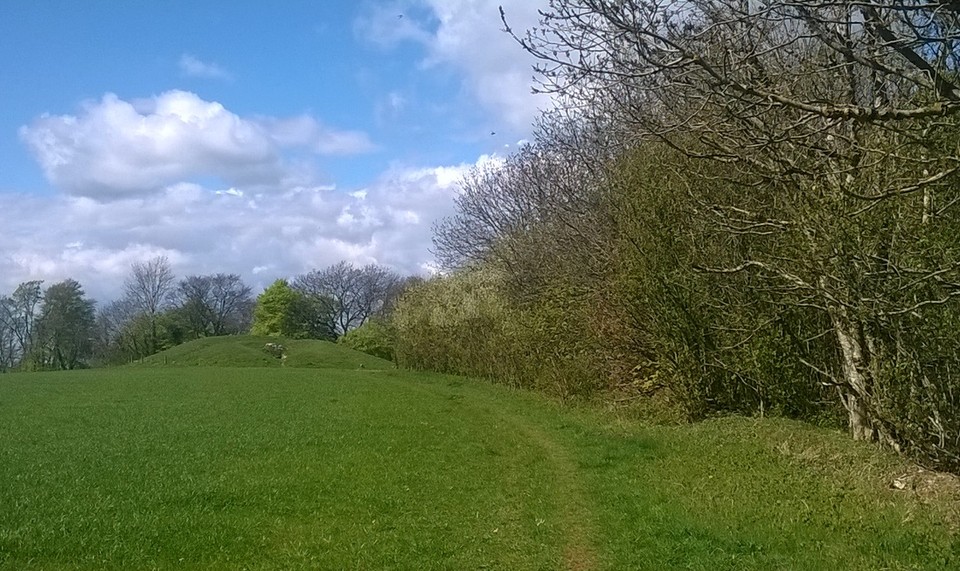
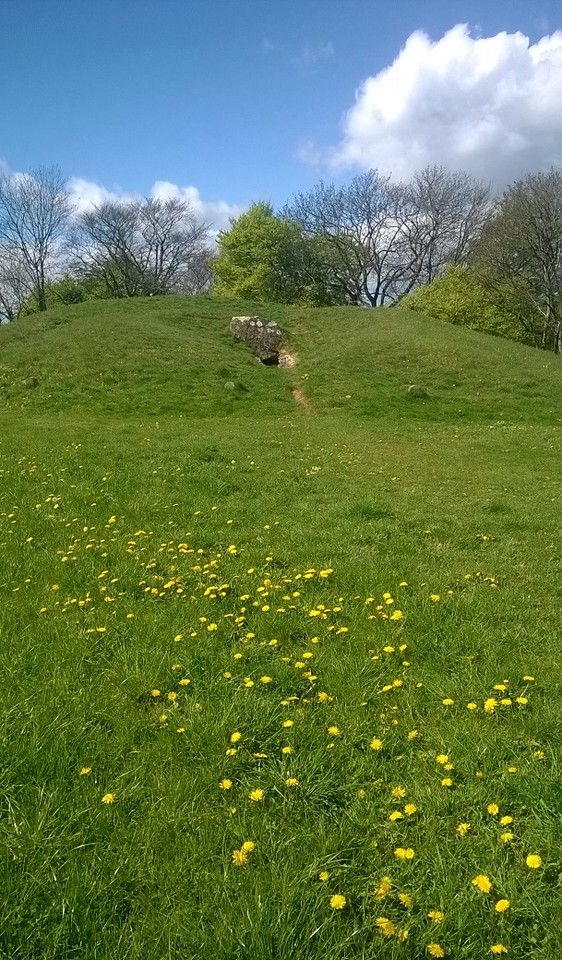
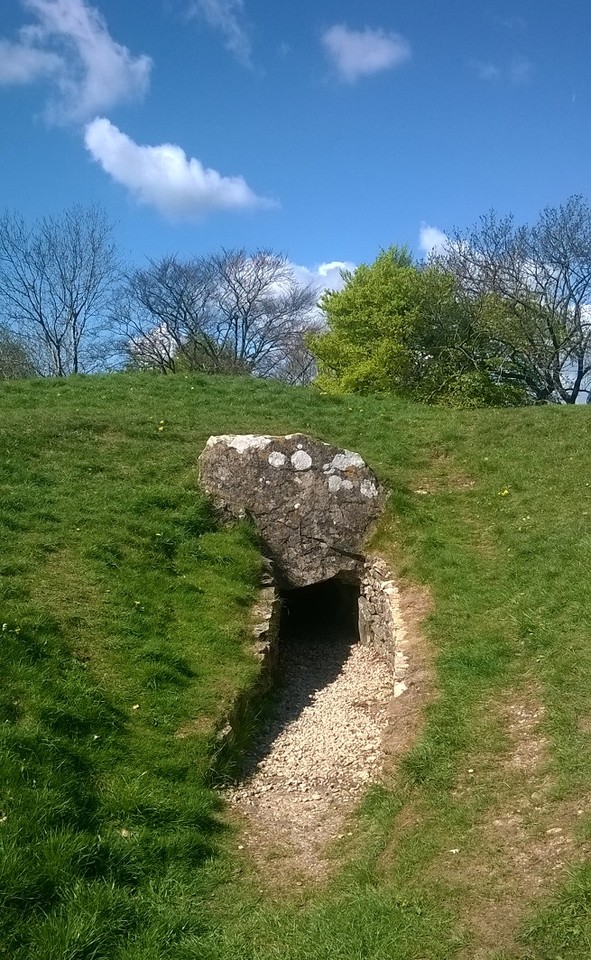
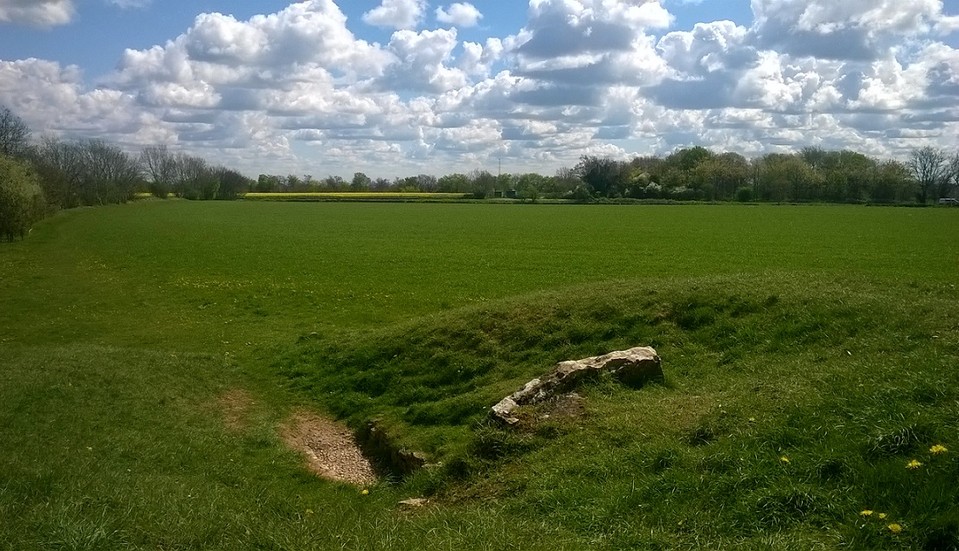
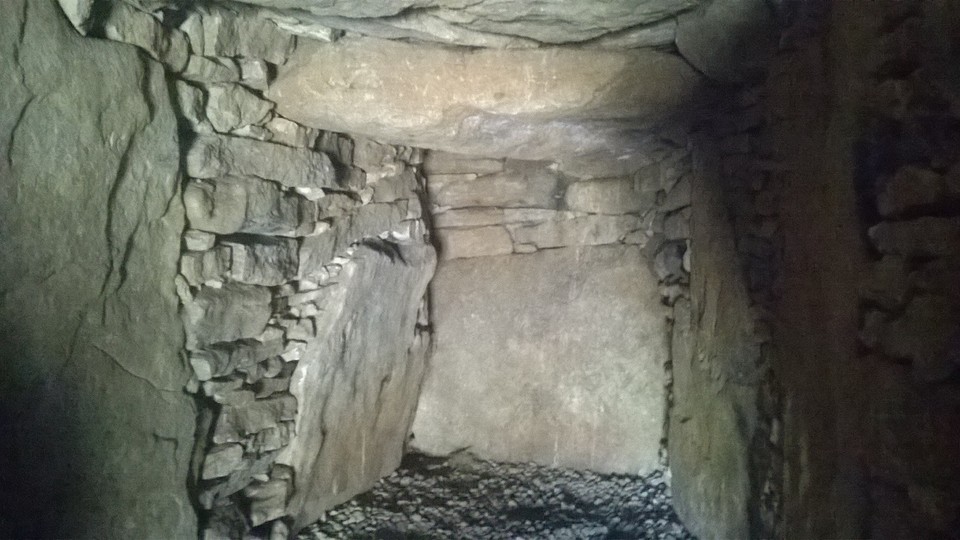
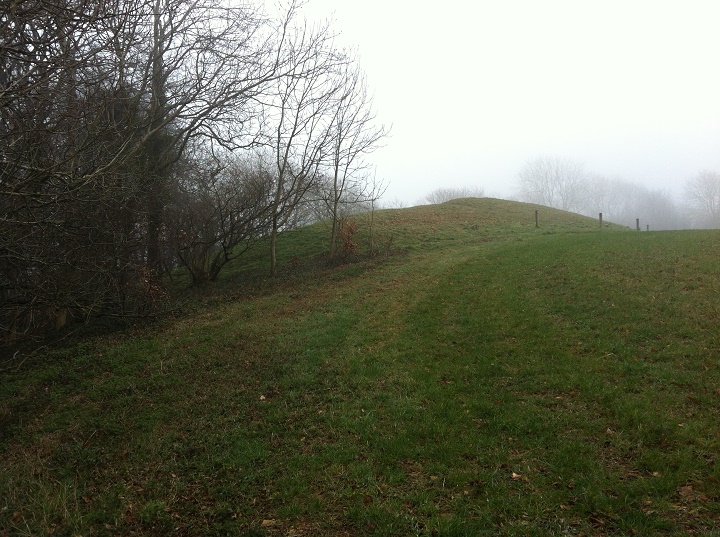
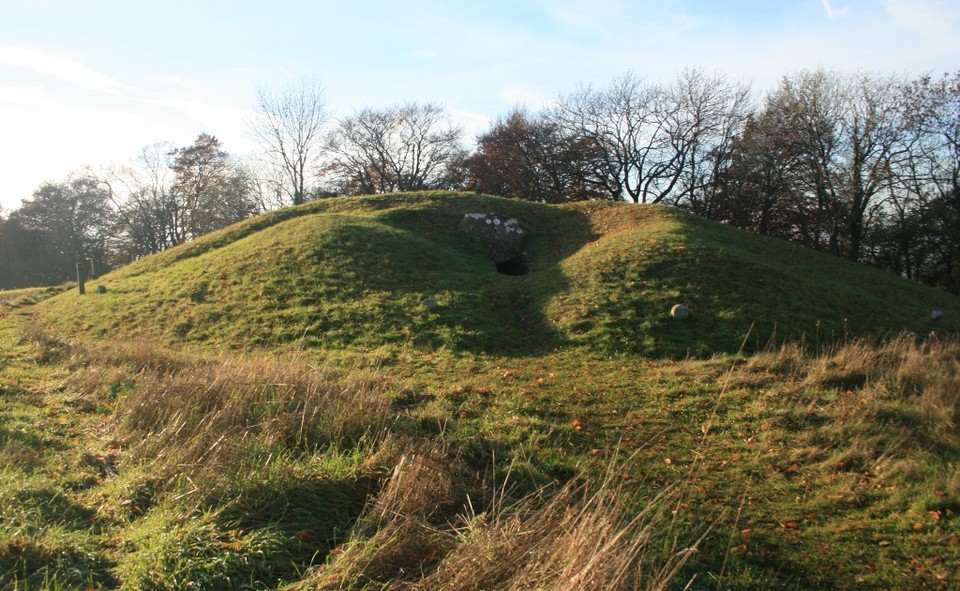
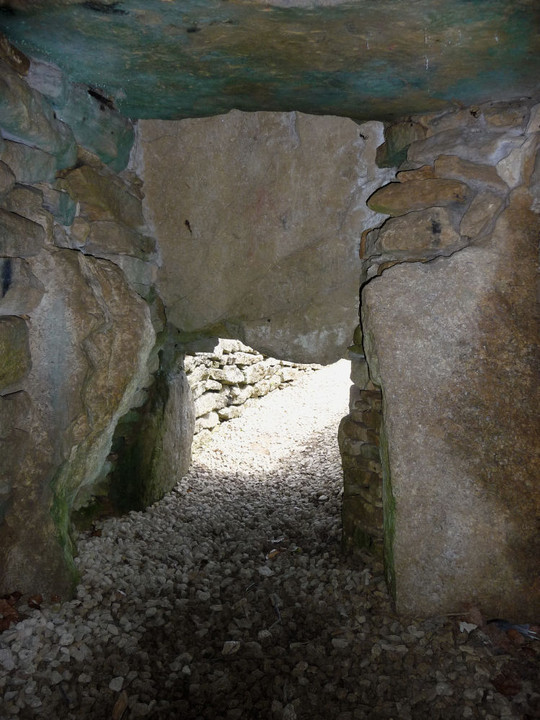

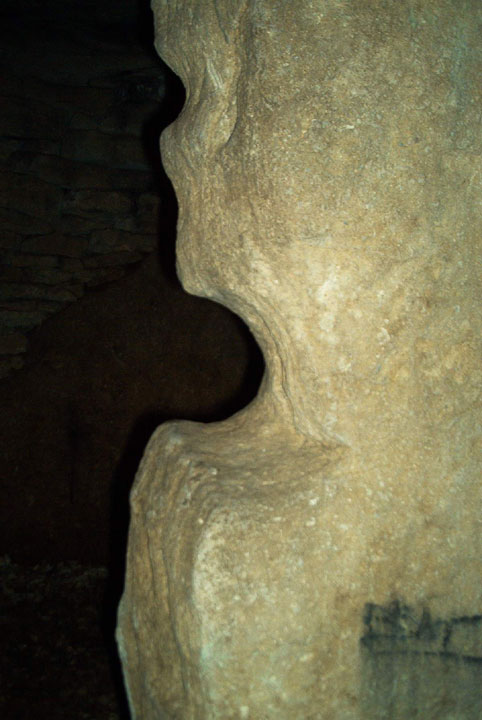
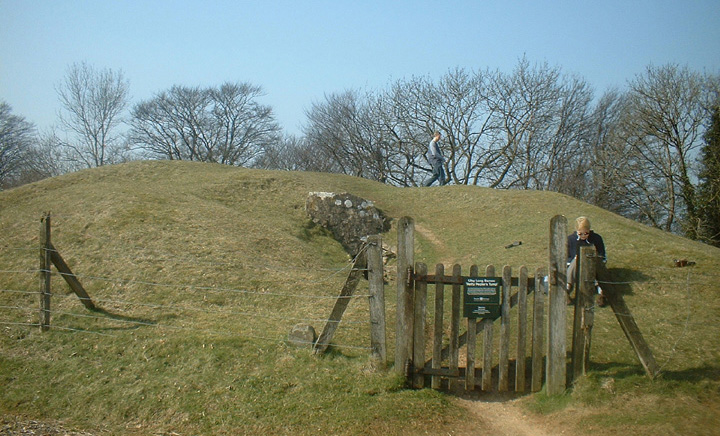
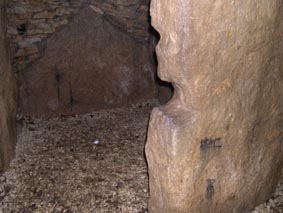
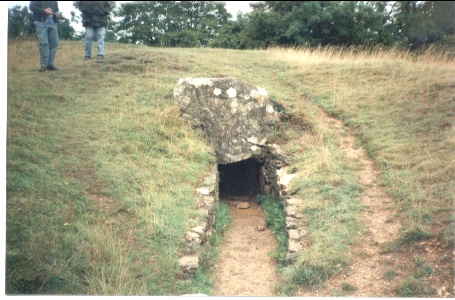
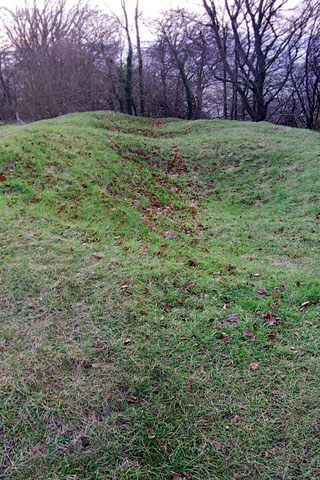
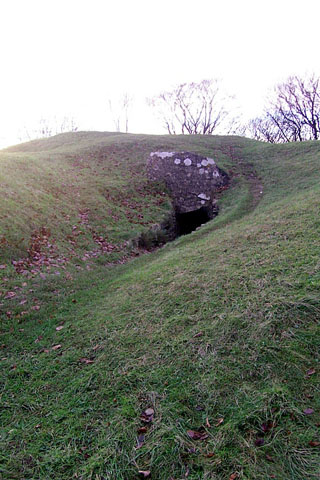
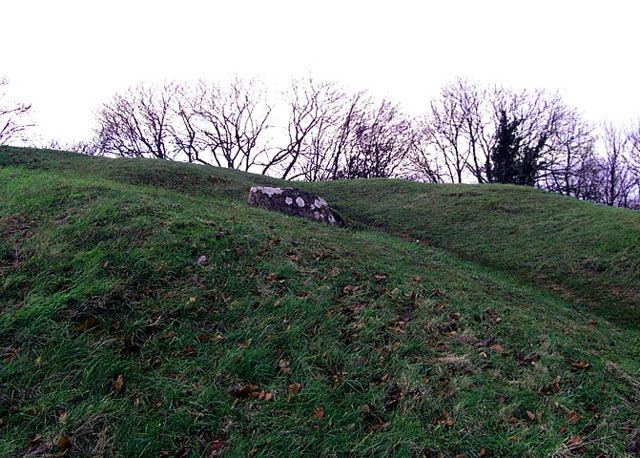
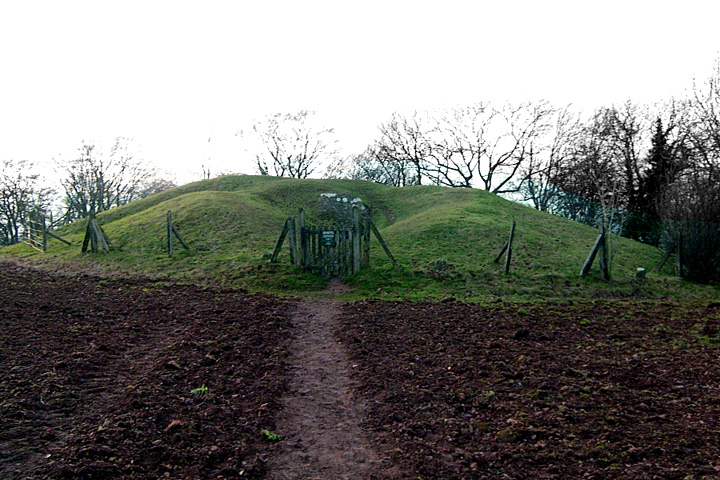
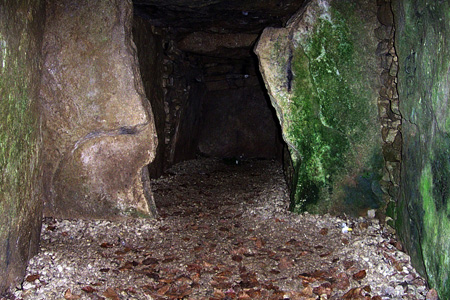 Maps / Plans / Diagrams: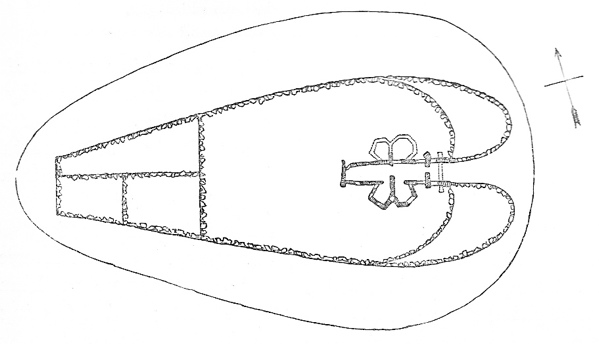
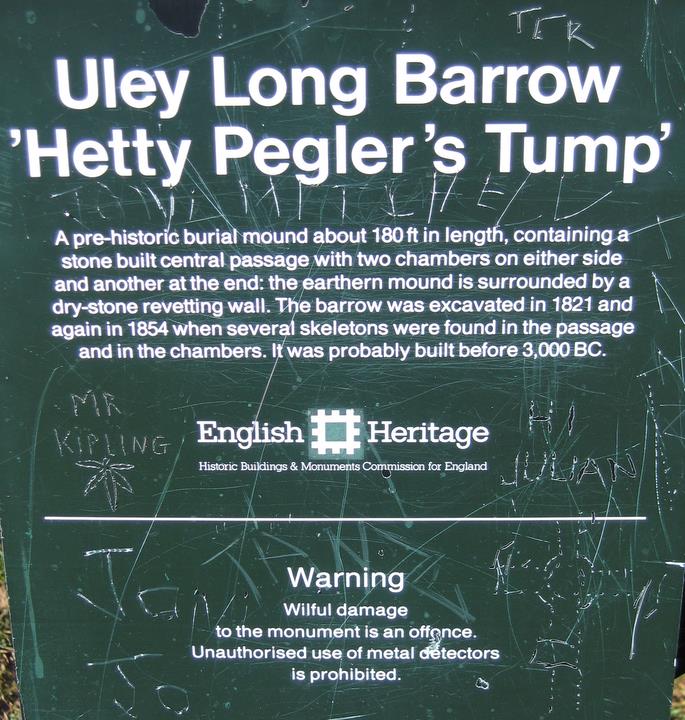 Artistic / Interpretive: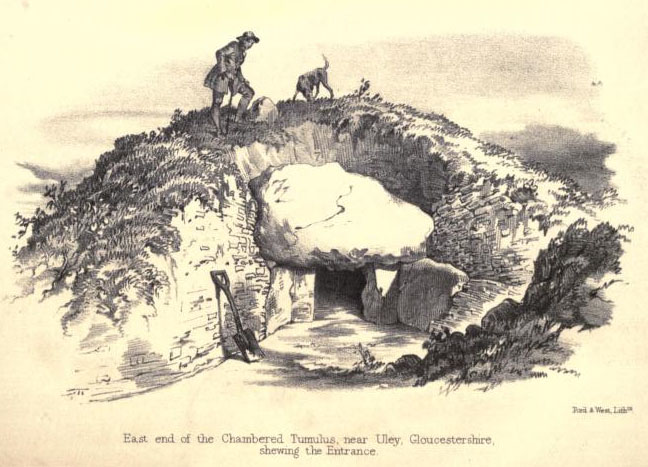
|
Fieldnotes |
Add fieldnotes |
|
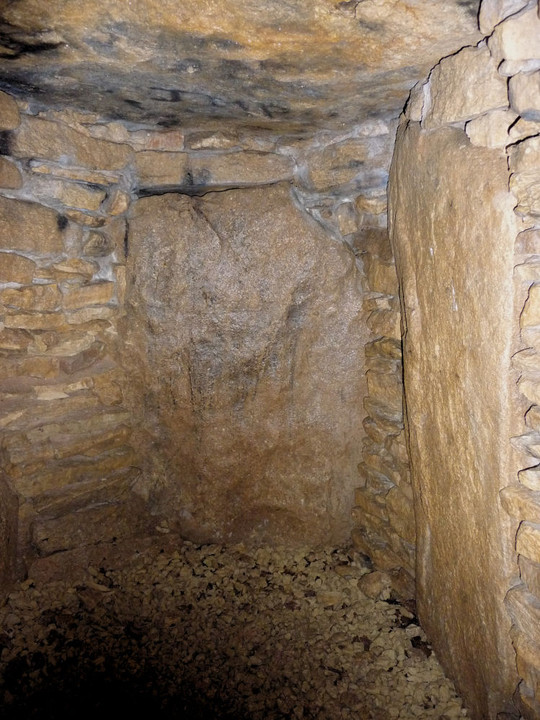
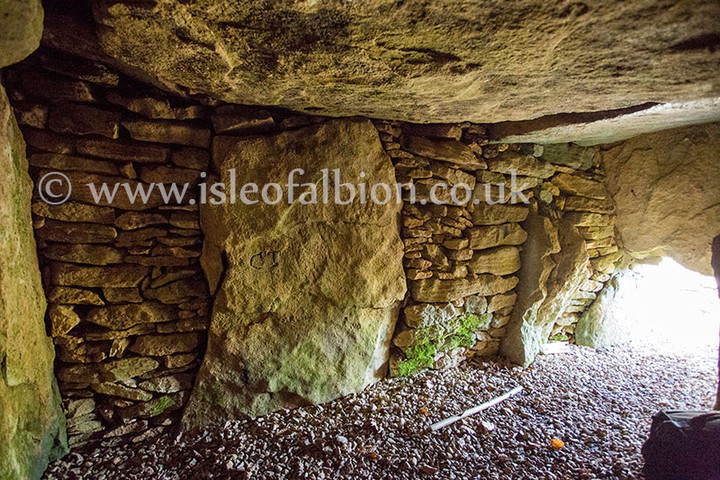
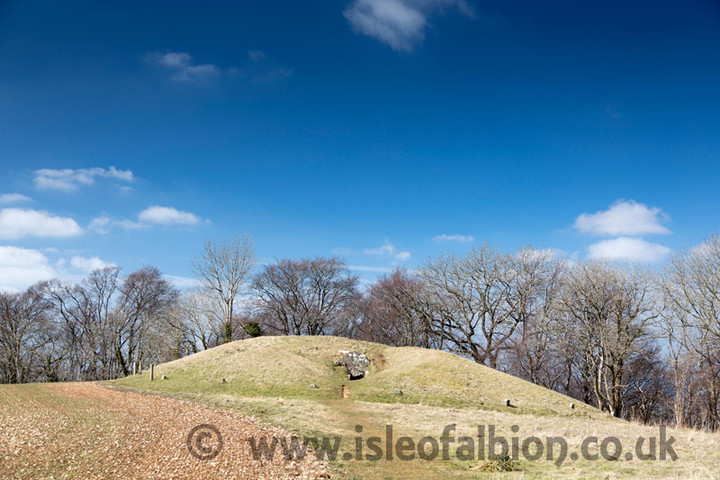
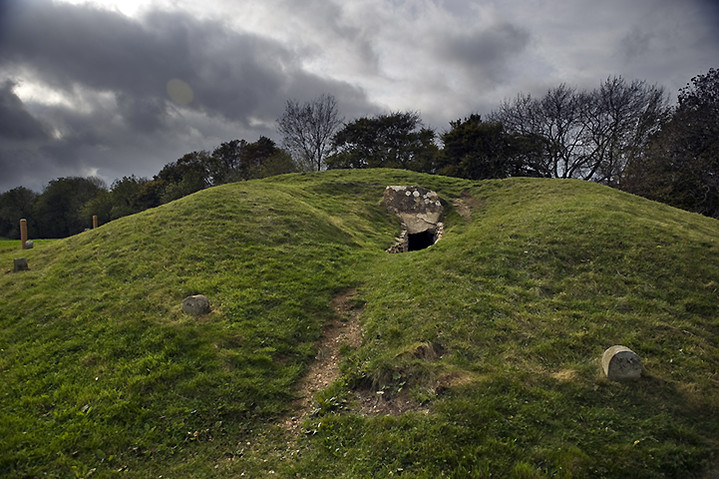
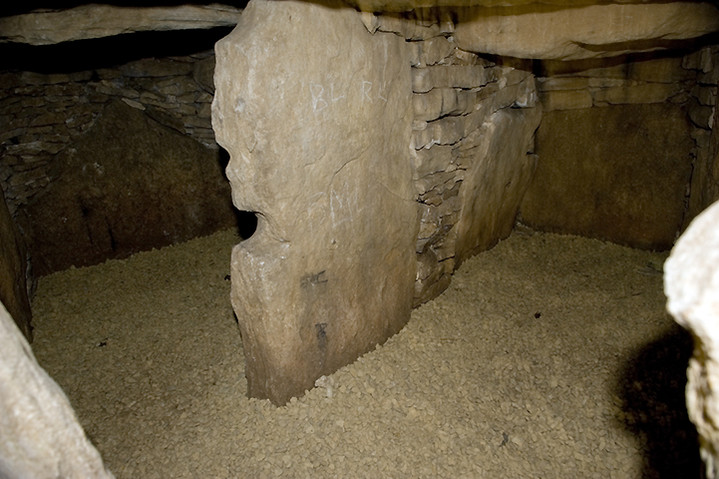
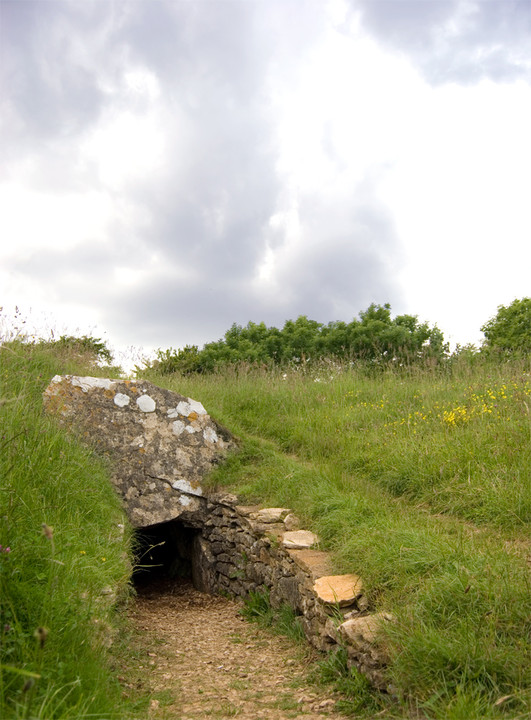
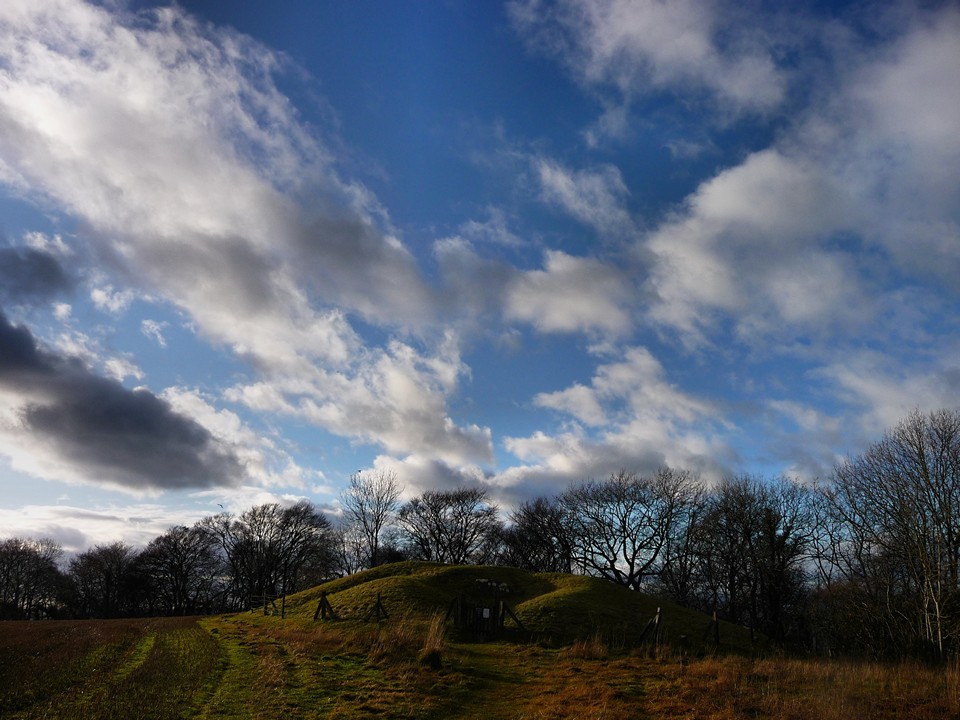
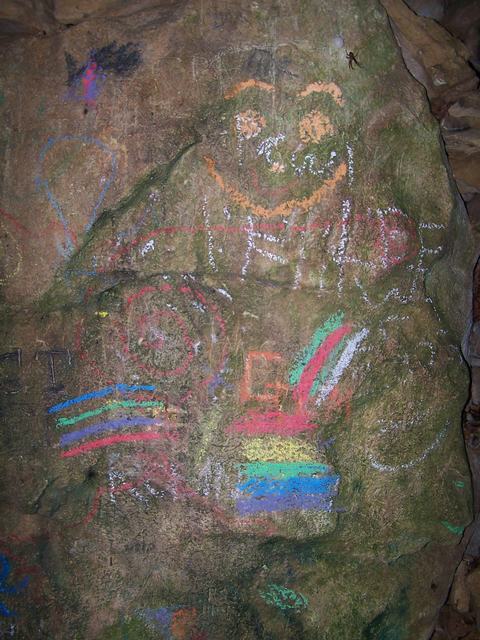
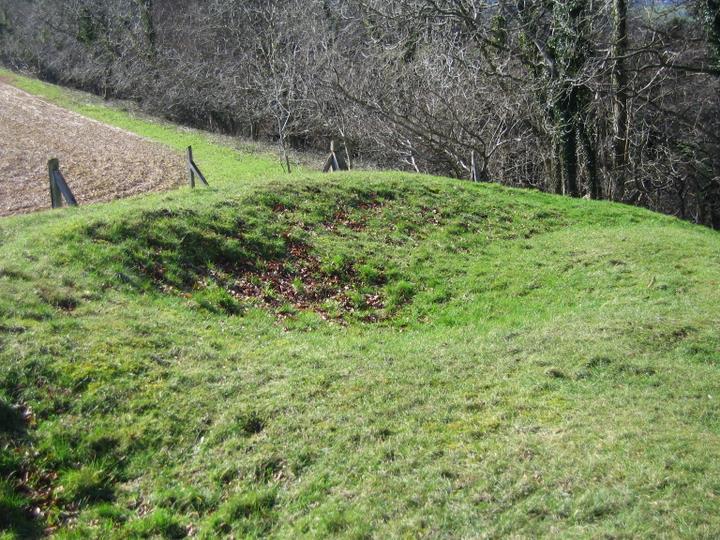
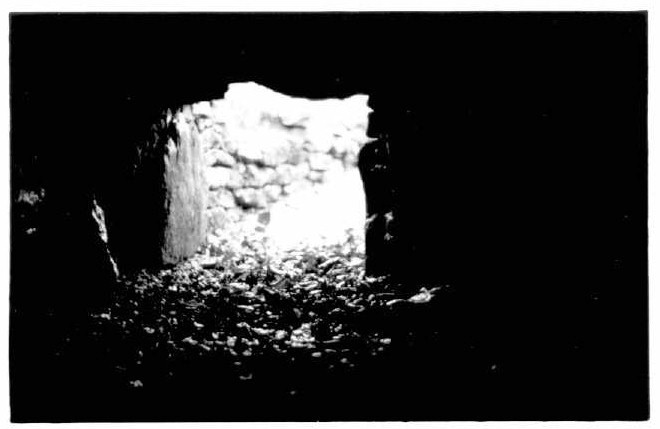
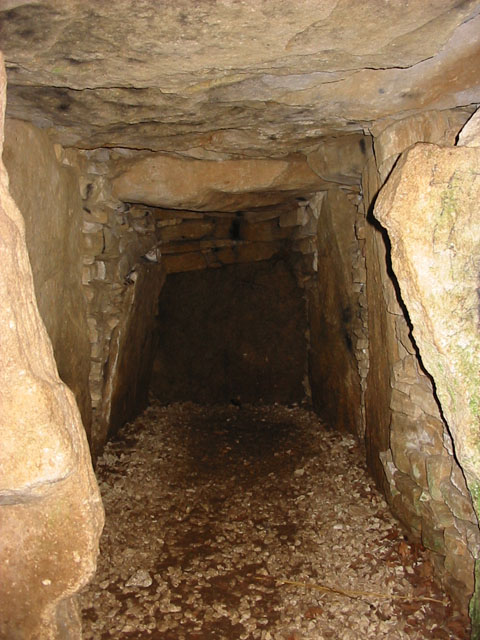
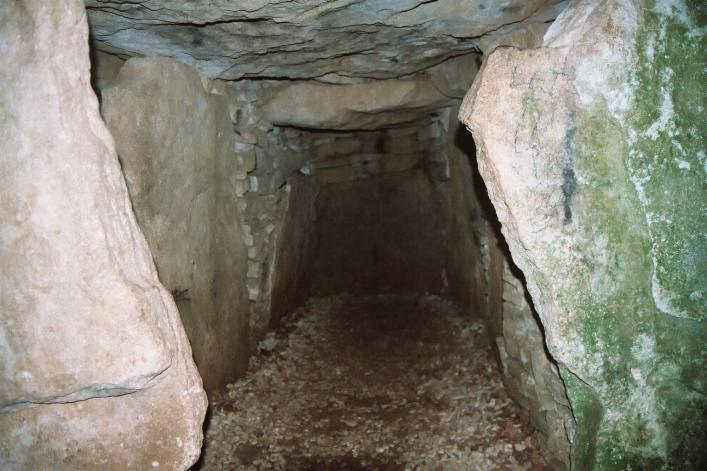
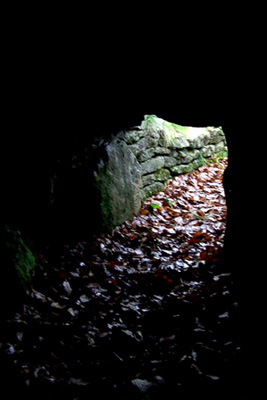
Seeing stars at Hetty Peglars tump! Tump must be one of my most favourite words ever. "Stars" courtesy of a hefty wallop to the head when crawling out of said tump. Mother used to call me Lizzie Dripping as a child, I haven't changed ( banging into things..er talking to witches etc!) Visited Hetty on the way down to Cornwall, our first monolith of the trip. Got there early on a warm sunny morning. Lovely mound with dips in the earthwork at the sides & the top. She has one chamber off to the left. Quiet & clean inside, though some man made scratching inside, why? Led down on top of entrance stone to recover from head spinning & pain! Soon healed up & feel batteries charging up for neolithic journeying. |
Posted by carol27 22nd September 2015ce |

|
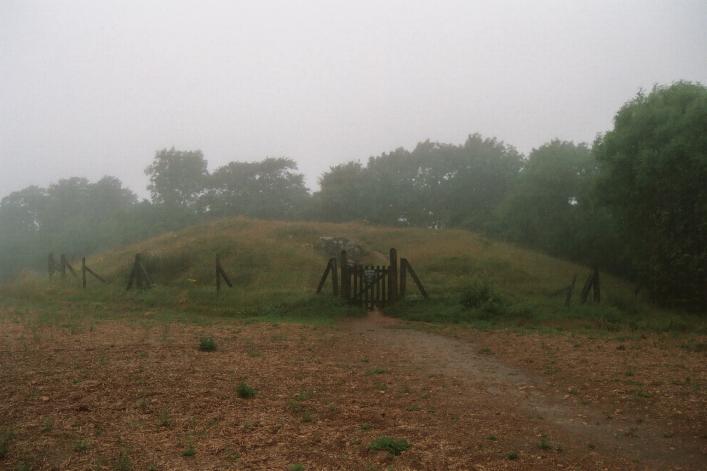
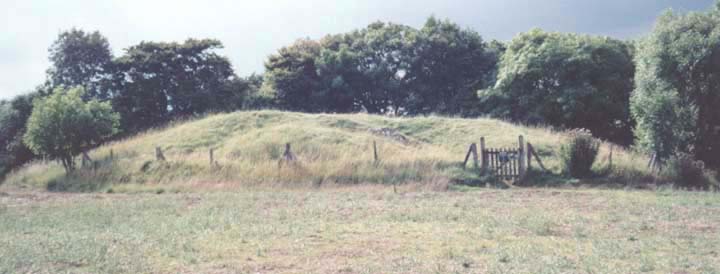
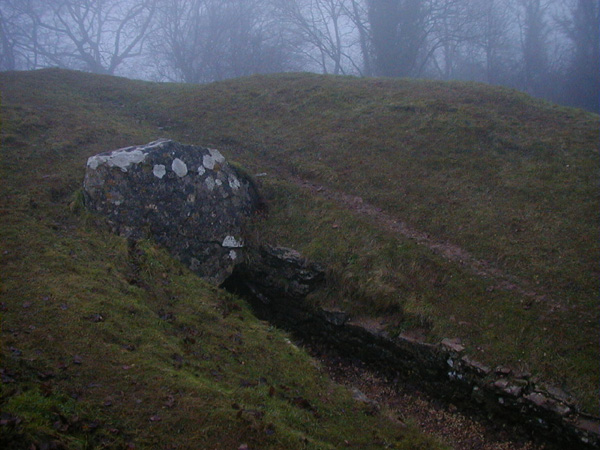
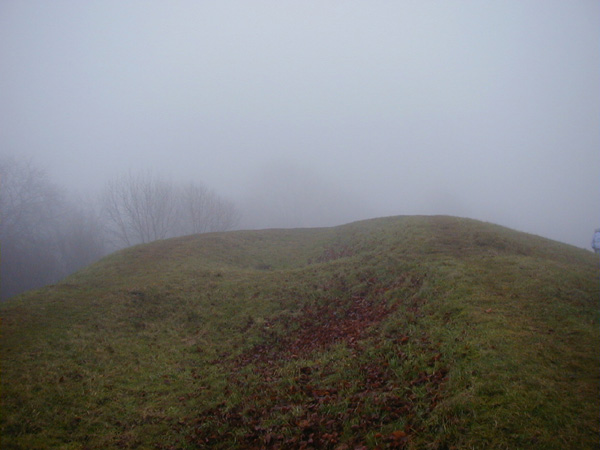
Because Hetty Pegler’s Tump is relatively easy to find I ended up visiting here after an aborted mission to the sites around Minchinhampton. I failed to find the Longstone and others due partly to what Julian writes in TMA about the maze of roads in Minchinhampton, but mainly due to me bringing the wrong map (too vague)and being woefully under-prepared through acting upon a last minute whim to venture out on a wet, foggy late afternoon. Lesson learnt. Anyway…as the fog turned into drizzle I pulled up at the tiny car-width spot by the roadside, and headed out into the gloom in the direction of a muddy path. Soon the tump loomed out of the grey, making it hard to get a sense of its size against an unclear background. After walking around for a while I noted with interest how, on just like my recent visit to Belas Knap, the mound was perched upon the edge of the plateau of Crawley Hill. In fact it looks like the tump is going to slide off towards the back, if it wasn’t for the surrounding trees on the northwest side. I was surprised how far back the chamber cuts into the barrow, but didn’t stay long due to the worsening weather conditions. Time to head off to Nympsfield, and maybe another attempt at Minchinhampton?.... (I failed again). |
Posted by ruskus 9th April 2015ce |
|
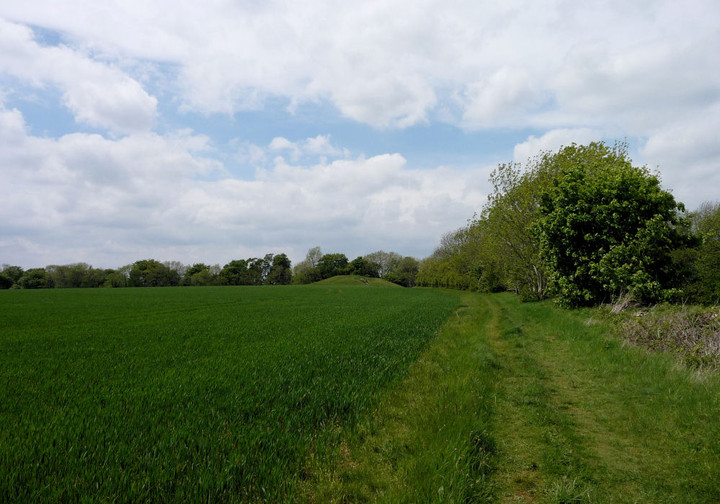
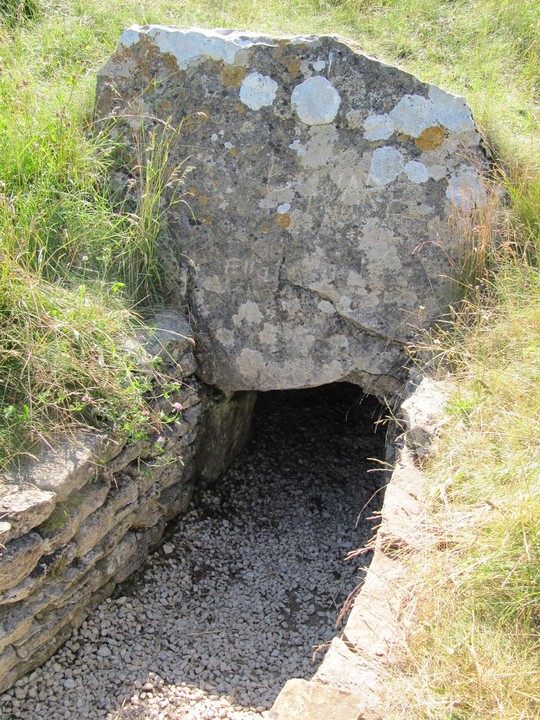
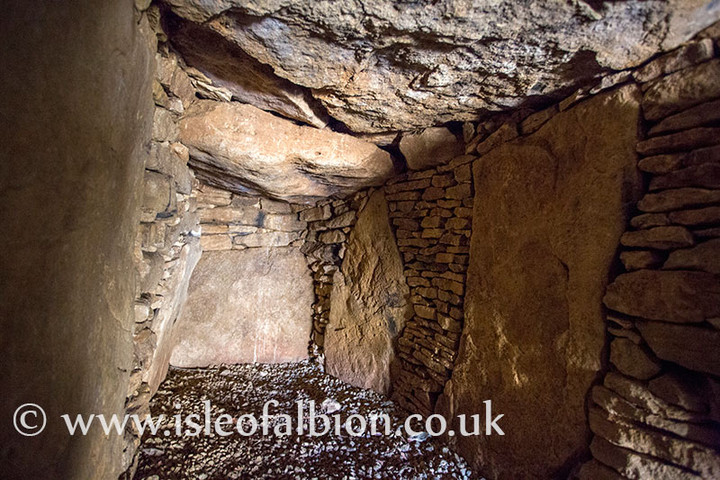
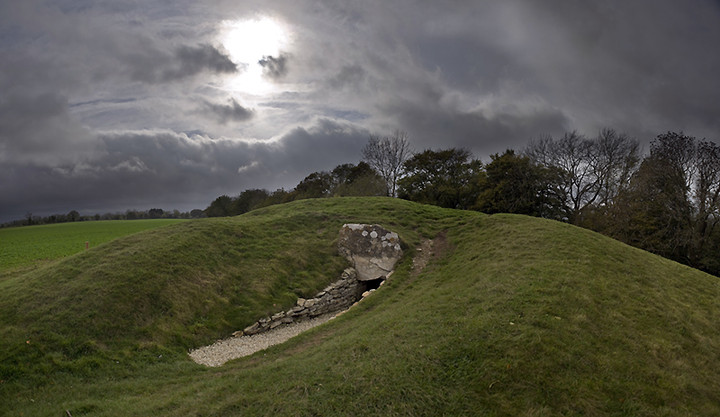
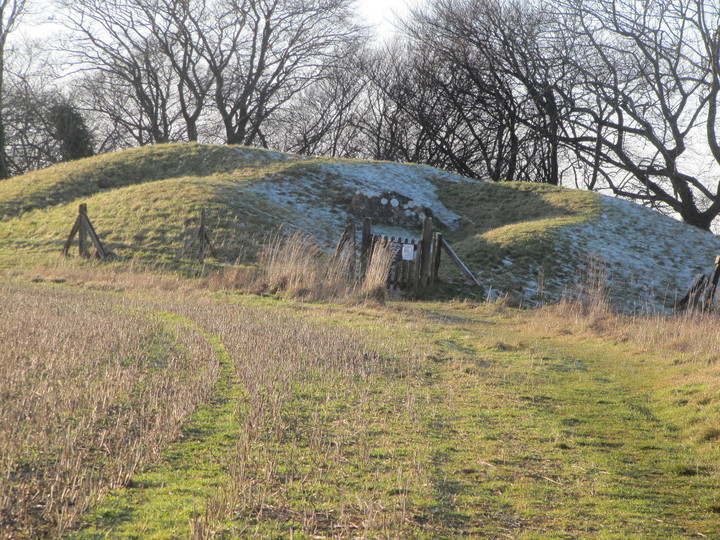
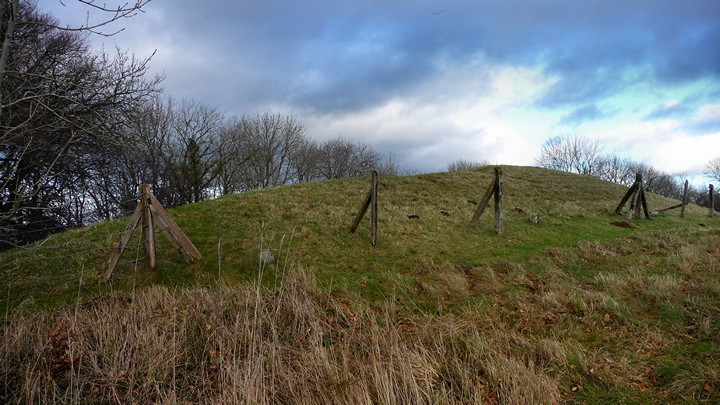
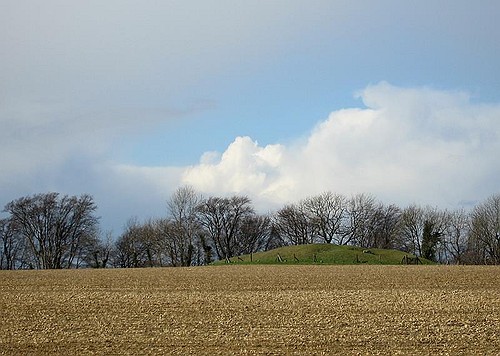
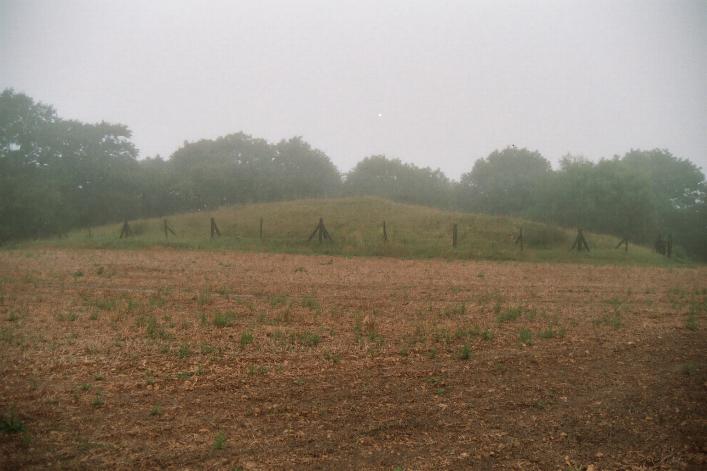
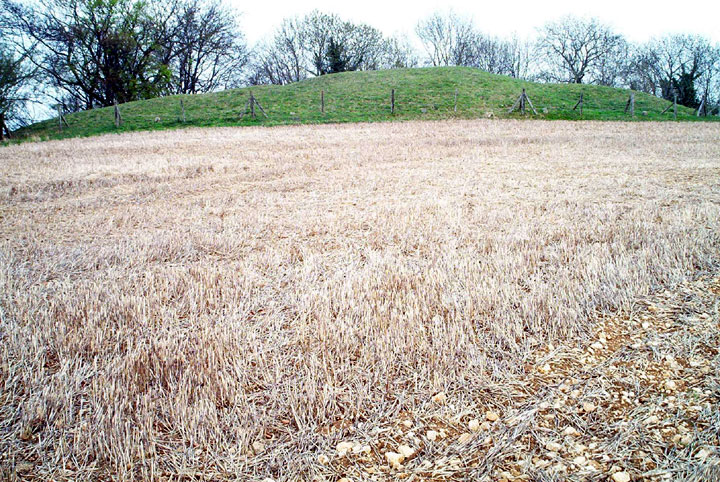
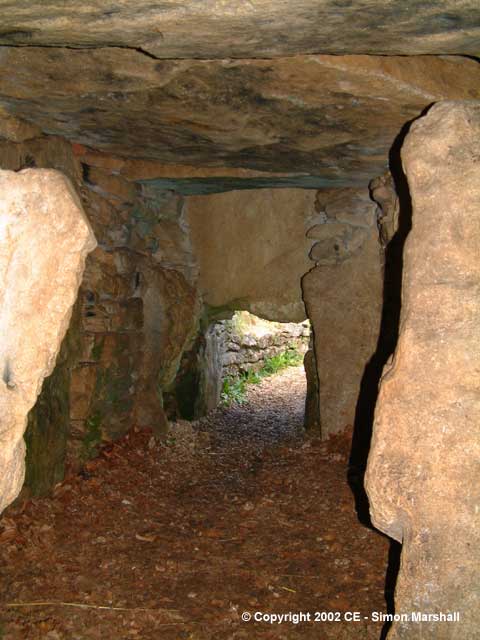
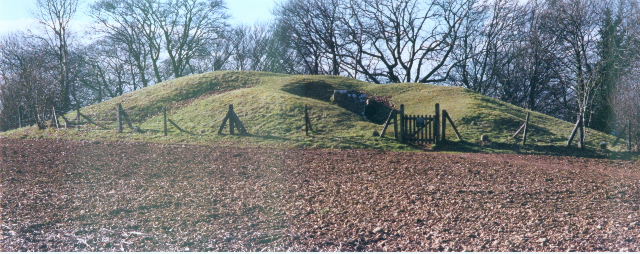
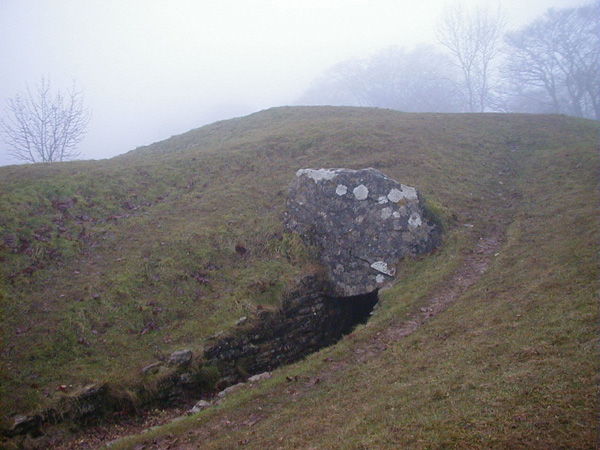
Visited 23rd November 2013 It’s been too long since I was last here, probably a good twelve years, and a visit on a crisp, clear winter’s afternoon is a perfect antidote to the stresses of a morning spent Christmas shopping. Pulling in to the tiny, muddy parking spot just off the road on the edge of the field, I catch a glimpse of the mound, and something seems different, but it takes me a few minutes to work out what. The barrow is no longer fenced in, and stands proud in its field, looking all the better for it. As we approach I’d forgotten how big it was, and also the way the mound seems to slowly sag, like a deflating soufflé, and I wonder if perhaps Rhiannon is onto something with her speculative musings on the site having been named after a type of suet pudding. Whatever the case it’s a great shape, and the very definition of a ‘tump’ in my book. I’m pleased to see the pathetic scrawling’s on the lintel are starting to fade, and duck low to ease myself into the passageway, again forgetting just how low the entranceway is. It’s good to be back inside Hetty’s welcoming embrace, as my eyes adjust to the gloom I notice how clean and tidy it is inside, not a cobweb or any detritus to be found, almost as if the place has had a spruce up. Only a small bunch of vegetation, taken from the nearby field, unceremoniously (or possibly ceremoniously, but if so it’s a strange offering!) dumped just inside the entranceway, impinges on the tidiness of the chambers, it won’t be there long though as I’ll be removing it on my way out. From inside only the occasional drip of water breaks the quiet, along with the muffled cawing of crows from the field outside, again my memory of the place seems at odds with the reality, the passageway inside being much shorter than I remember, but I’m probably just getting the place mixed up with Stoney Littleton. I lean back in one of the side chambers and just relax, breathing in the calm atmosphere of the subterranean room, and even manage to just about see enough in the dim light to write my fieldnotes, whilst Ellen walks around the outside of the tump, the crouched entrance lintel proving a little too low for her. Eventually it’s time to emerge, although I could have stayed there all day, so peaceful and welcoming does the place feel. Outside Ellen is confused by the enigmatic circle of low concrete posts which surround the tump, which must have been too small to be fence posts. At first I’m also baffled, but then remember other sites where such posts have been used to show the original circumference of the mound so guess that this may be the same principal here. As we walk back to the car I keep casting glances back toward the mound, and promising myself it won’t be so long next time before I visit Hetty again. |
 Posted by Ravenfeather
5th March 2014ce |
|
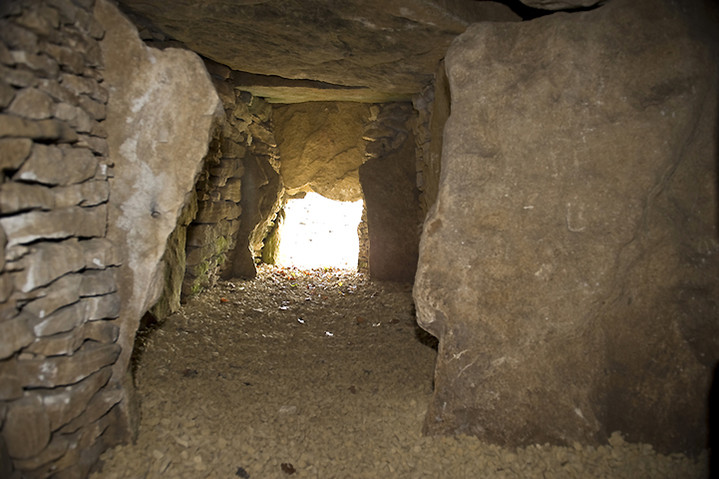
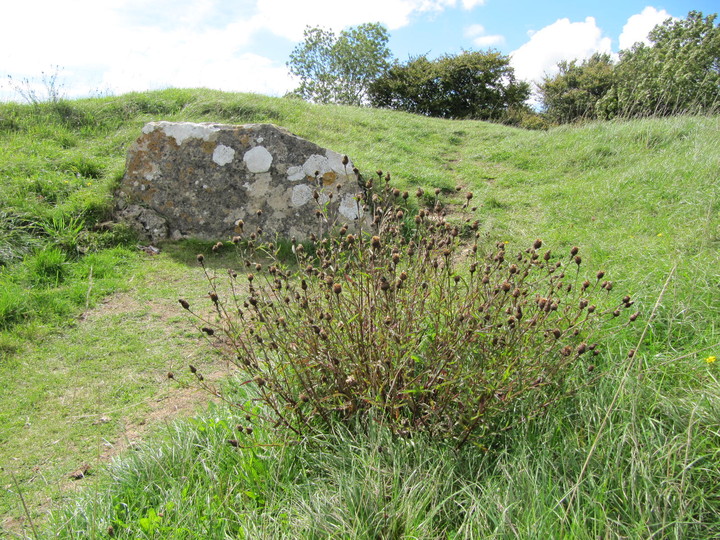
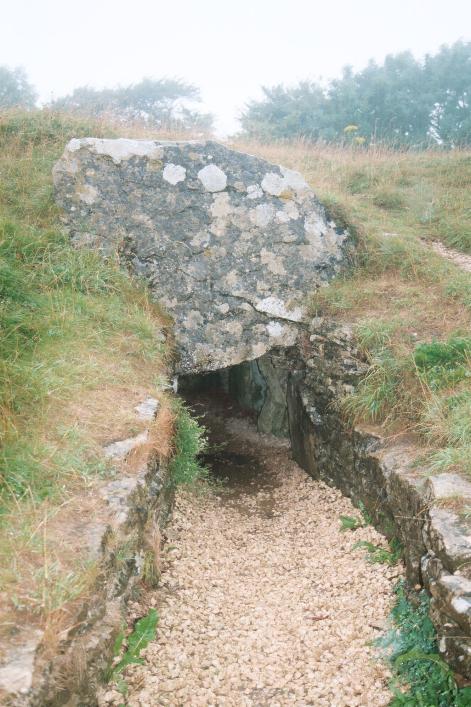
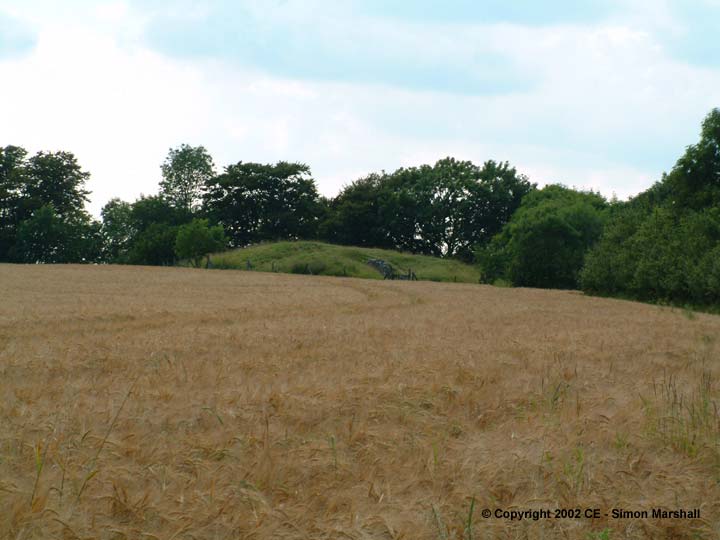
I've visited this long barrow before but on each previous occasion the chambers have been closed to visitors. Today was my first opportunity to go inside. A hot summer's day, as we approached along the edge of a field of unripe wheat a raven rose up from the barrow - a good sign. Externally the barrow was covered in high grass and wild flowers - internally it was dark and cool with a low lintel stone to scramble under to gain access. The ground is covered with loose Cotswold stone chippings so hard on the knees, especially in light summer clothes. However, once inside it becomes almost possible to stand - I could see the chamber at the back of the barrow but did not venture that far in. This is one of my favourite long barrows to visit - it always feels 'away from it all' in spite of the road only being a field distance away. Today there was a raven and later a buzzard. Sad to report, the exterior of the lintel stone had been vandalised by some idiot scratching the word 'Beware' and someone's name on it. My companion also reported similar damage inside. |
Posted by tjj 9th July 2013ce |
|
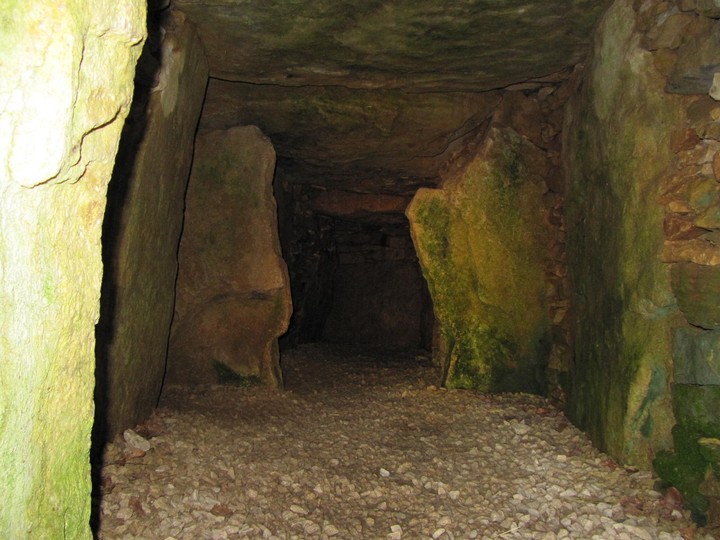
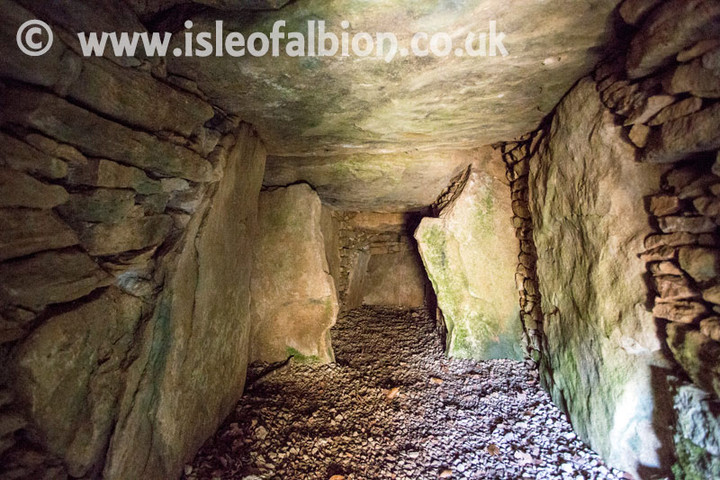
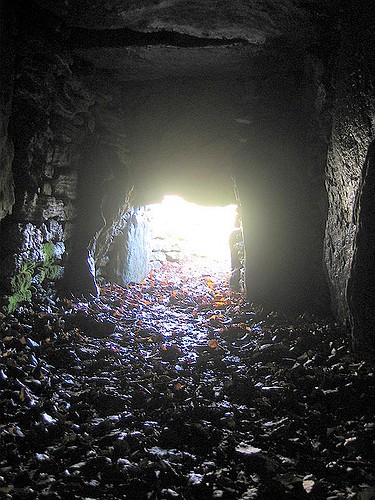
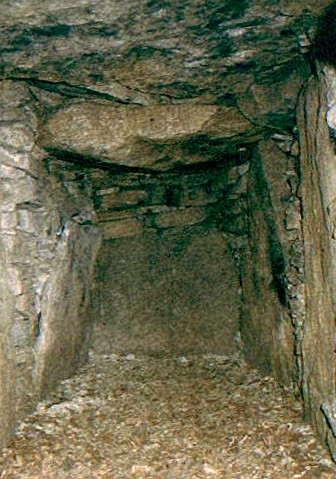
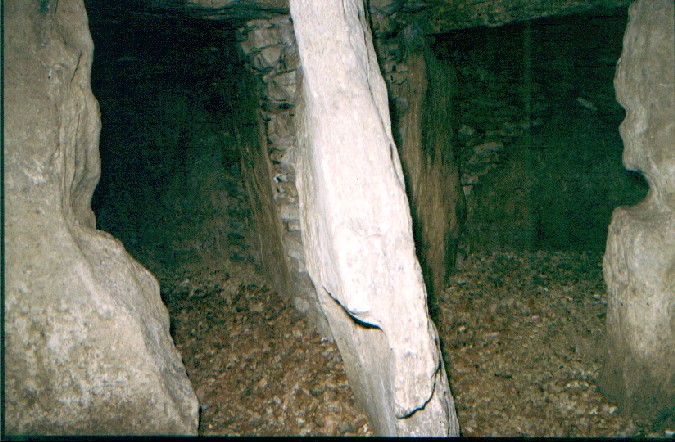
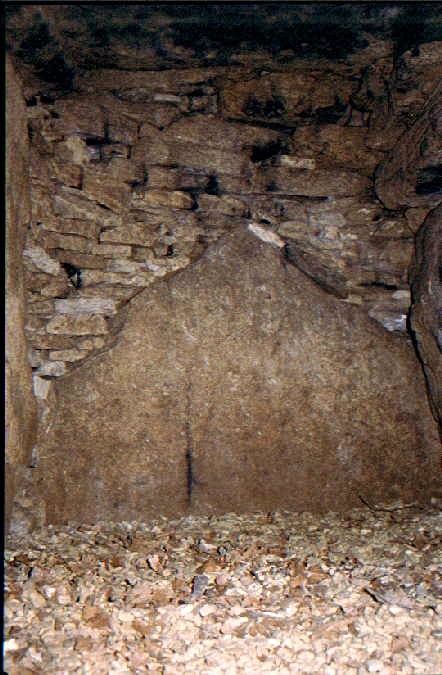
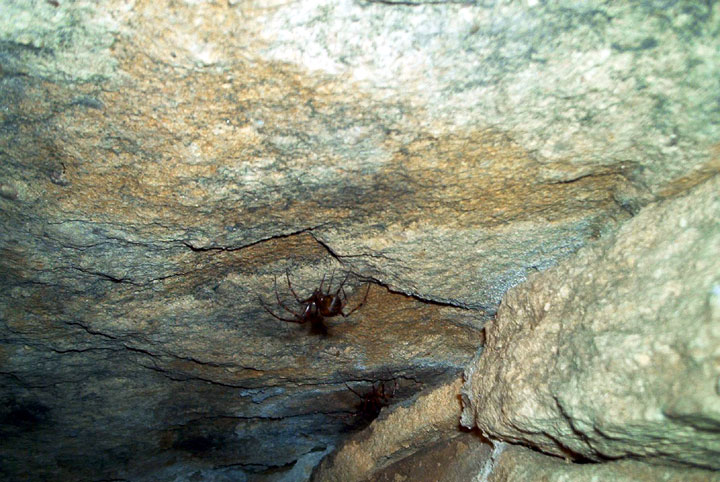
Visited 28.12.11 My 800th Field Note! A couple of months ago I had read that the Long Barrow had been re-opened to the public and since then I have been 'chomping at the bit' to go back. Boy, am I glad I did. This is a fantastic site to visit. Easy parking, easy access and very close to several other sites which are also well worth seeing We passed the site earlier on in the day but there were so many people there I decided to call back later when we were more likely to have the place to ourselves. We returned as dusk fell and sure enough this time there was no one to be seen – hurrah! Sophie was asleep so Karen stayed in the car whilst myself and Dafydd headed off across the field – Dafydd insisting on wearing my head light and taking the lead! As we approached the first think I noticed since my last visit was that the fence which surrounded the tomb had been removed. Then, there waiting for us, was the entrance! Dafydd quickly took command of proceedings and insisted on going in first (as he had the light!). We both crawled on our hands and knees and were soon inside. Dafydd was then able to stand up while I crouched down. It was black inside and we both looked around using the light as best we could. It was then that I spotted the two side chambers – something I wasn't expecting – a real bonus. We crept into the first chamber and it was then that I noticed something hanging from the ceiling. I couldn't make out what it was and called Dafydd over. We shone the light on the object and then to my great surprise (and delight) found it to be a bat roosting! It was only about 4 inches long and through the wings I could make out the head and eyes. I wasn't sure how Dafydd would react but typical of him he took it all in his stride. I didn't want to disturb the little thing so we backed out and went into the second chamber. Here Dafydd spotted a large spider hanging down. He quickly decided that this was the 'spider's house' and the other chamber being the 'bat's house'. It was now starting to get dark and we headed back to the car. I excitedly told Karen about what we had seen and suggested she go and have a look herself. 'How do I get in?' asked Karen. 'Easy' said I, 'Dafydd has the light and all you need to do is crawl inside on your hands and knees'. 'If you think I am crawling on my hands and knees into a dark burial chamber…………………' We headed home. This is a cracking site to visit and well done to English Heritage for doing the work required in order that the Long Barrow can be accessed again. I must admit when visiting these types of site I am still amazed that there is unrestricted access to these important and ancient monuments. I guess we should just be grateful and enjoy it for as long as we can. |
Posted by CARL 6th January 2012ce |
| I visited this site earlier this year and the barrow is still blocked. Despite a cold, frosty morning there were a few people about and I had a nice chat walking across the field to the site from the main road. Given the other tombs and Hillfort near by (plus the large car park and picnic facilities) I thought that this would be a great place to bring school children to teach them about prehistoric times etc? |
Posted by CARL 17th June 2010ce |
|
It was great to have the opportunity to visit Nympsfield and Uley long barrows this afternoon (courtesy of a friend who was visiting family in the Stroud area). Both barrows are closed; the Uley barrow (Hetty Peglers Tump) is by far the most impressive. My over-riding impression of both, however, was the stunning locations. Both overlooked the Severn Valley with views of the snow covered Brecon Beacons; the Nympsfield barrow has a picnic and viewing area beside it though both barrows had their views obscured by small plantations of trees which no doubt served act as windbreaks. However, it did not take much imagination to see why these sites were selected by the 'ancients' for burials. The Uley site has a glider club nearby and three or four of them glided over the barrow; a pair of barrow buzzards made an appearance as well – it all added up to a sense of tranquility. I hung about on my own for a bit while my companions made their way back to the road and would love to have stayed for the sunset but was grateful all the same to go back to the warmth of my friend's car. It was a perfect crystal clear afternoon, too cold today (for me) to head off along the Cotswold Way but I will go back later in the year and do that section by foot. Thanks to thesweetcheat for directions, which we proved extremely helpful. |
Posted by tjj 2nd January 2010ce |
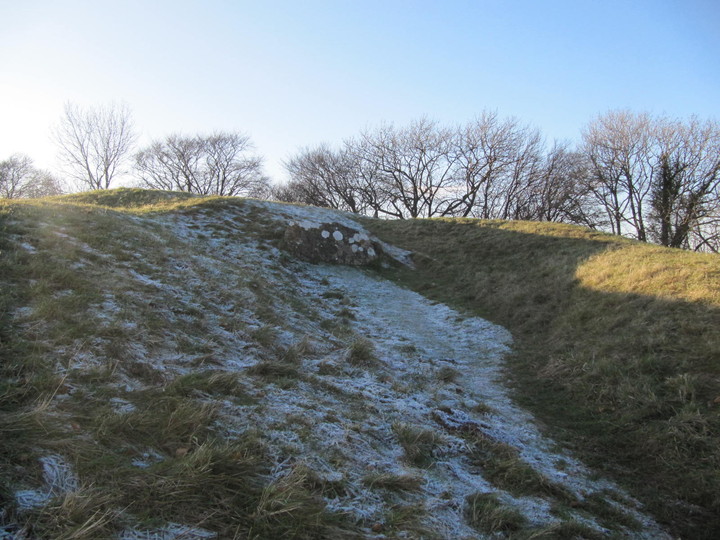
| Visited 27.12.2009, walking from Nympsfield long barrow along the busy B4066. This is our first visit to the site and I was aware from previous posts that the chambers have been "temporarily" closed, so wasn't expecting much to be honest. However, a winter sun was shining as we approached, with the pale moon looking down as well, which brightened the prospect nicely. This barrow is huge, and very impressive. Even with the entrance turfed over and the chambers inaccessible, this is an excellent site. Many of the surrounding barrows (The Toots, Nympsfield, Buckholt Wood, etc) are very badly preserved, with their mounds greatly reduced. Not so Hetty Pegler's Tump - although there are two large excavation craters on the back of the enormous mound, it certainly hasn't suffered from the plough. I'm sad that we couldn't get to see the interior, especially given all the wonderful descriptions, but perhaps it will re-open one day. In the meantime, it's still here and it's still more than worth a trip to see. |
 Posted by thesweetcheat
27th December 2009ce |
| Visited 30th January 2005: Back to the tump with some friends. The kids loved being inside with torches. I was sad to see relatively new looking carvings and candle damage. |
 Posted by Kammer
20th November 2005ce |
|
16 Jan 2005 I find myself far from home and looking for somewhere to walk after a late night the night before. A book I have gives details of a walk from Uley to the hillfort then onto the Tump and then via another village back to Uley. We set off up the steep escarpment behind the church reaching the eastern end of the fort (Uley Bury), the walk around is nearly a mile but well worth it, the views are amazing. Reaching the far end of the fort we joined the Cotswold Way and followed it until it reached the road beyond the tump (no scrambling up the bank for us). Turning back on ourselves we walked along the road (there is a good grass verge). At the tump we missed a troop of ramblers by about three minutes... phew! I have come prepared, torch, waterproofs... it looks like it could be a long wet crawl in. Imagine my surprise after getting all dressed up for a trogloditic exploration that once under the large stone at the entrance you can virtually stand up and everything is nice and dry. Kathy, my better half and not one for dissapearing into holes even sticks her head under and comes into the inner sanctum. There we sit eating oranges (yes we took the skins with us) and marvelling at the workmanship. What I can't figure out is why is the tump so large and yet the chambers only go in about 20ft? Must ask on the forum. We opted not to continue the walk as it said in the book but headed back along the road to Uley. Not quite so easy between the tump and the hillfort we opted to retrace our steps around the hillfort rather than follow the raod back into the village. The pub in the village brews its own beer, didn't try it, still recovering from night before. |
 Posted by Mr Hamhead
19th January 2005ce Edited 20th November 2005ce |
|
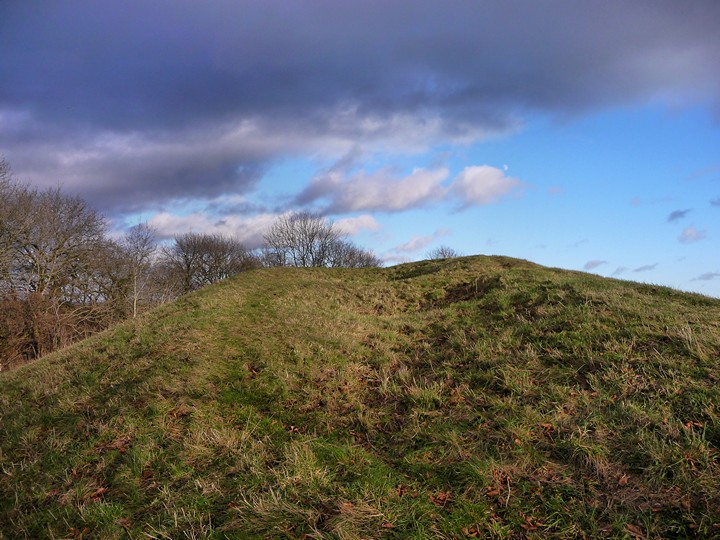
Uley Long Barrow / Petty Hegler's Tump - 27.12.2003 I decided to see if there was a pleasant walking route from Uley Bury Hill Fort to the Uley Long Barrow, via the Cotswold Way (i.e. avoiding the main road between the two). The Cotswold Way does run from Uley Bury along through Coaley Wood below Uley Long Barrow, but I couldn't see any path up to the longbarrow (although I have to say I didn't try very hard). Instead I scrabbled up a very, very steep (look at the contours on the map!) and slippery slope. I judged it quite well though and emerged from the woods about 100 metres from the barrow. I enjoyed it but don't encourage anyone else to do it! Not one of my best decisions in life! The barrow itself made up for my scrabbling. A lumpy, podgy top (not exactly looking like a long barrow), but great entrance and interior. After a quick limbo/creep under the enormous entrance stone, your eyes slowly adjust to the semi-darkness. The walling and stones inside are beautiful. A small plea - take yer feckin tealights home with you please. If coming by car, I would hardly consider the gap in the field wall next to the tourist sign to be the greatest place to park, but I guess you could park there for a short while. You could try the entrance to the reservoir (almost opposite the tourist sign) or the entrance to the footpath into Toney Wood about 150 metres further down the road (south). You can walk along the road from Uley Bury, but it's not the most pleasant, or safe walk. N.B. - local references usually call it 'Uley Tumulus' which got me confused several times! |
 Posted by pure joy
3rd January 2004ce Edited 3rd January 2004ce |
| This is something else. Magnetic, compulsive, binding. Lie back within its grassy bank on summer's afternoon, and discover a portal to the cosmos. And I found it extremely difficult to leave the womb-like interior once inside; the sense of safety was profound. |
 Posted by treaclechops
31st August 2003ce |
|
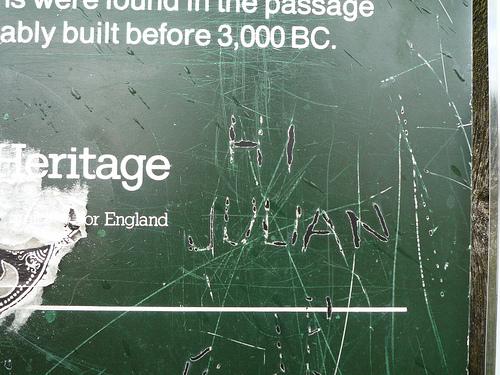
Visited today (2nd August 2003CE), 2 days after Moth's wet visit. I was luckier - beautiful day, almost too hot. Hundreds of butterflies flitting around the top of the Tump. Inside - brilliantly illuminated by sunlight. I'd wasted 45 minutes scouring the area for a shop that sold torches on a Sunday, remembering the darkness from my previous visit 2 years ago; but this time the natural daylight showed up every detail except in the 2 southern chambers. I live 180 miles from the Tump, but have friends nearby whom I stay with occasionally. On my first visit I had come alone, and spent some time sitting in the womb-like darkness, absorbing the past and the silent mystery of the place. Today I had 2 companions - my God-daughters, aged 6 & 9. I had recently sent the eldest the 'Caveman' issue of 'Horrible Histories' magazine - a comic designed to interest children in History - and there was a feature in it on West Kennet Longbarrow. In my covering letter I had mentioned that she lived very near a similar Longbarrow, Hetty Peglers Tump, so when I visited this time she begged me to take her there. I had expected that the Tump would lose some of its mystery in the company of 2 easily-bored kids - but I was wrong. Although my in-loco-parentis duties prevented me from sitting in silent contemplation, the same old sense of awe and the vague awareness of the closeness of ancient presenses came over me the moment I crawled beneath the portal. Even the kids were touched by the strangeness and peace of the place. They became quiet, almost reverent, as the explored every inch of the interior, pointing out features - like blocked up cavities that were only visible when a torch was shone through a crack - that I had previously missed. There was much evidence of modern magical practices: the portal was guarded by two small bundles of grass, tied in knots; there were clover flowers stuck into interior holes and cracks; a letter- illegible through damp and time- rested in a small cranny, held in place by a stone with a feather beneath it. Does anyone know what these symbols mean? A visit to Hetty Pegler's Tump is an intense and compelling experience, even in ther company of distracting children. Strange: spooky, yet comforting; almost impossible to leave. Once inside you wish you could block off the portal and rest there forever. I shall be back. PS : Incidently - I agree with a previous correspondent. "Hi Julian" graffitied into the - agreeably unobtrusive - information board is simply crass and gives all antiquarians a bad name. We should leave no trace of our visits. |
Posted by South Saxon 4th August 2003ce |
|
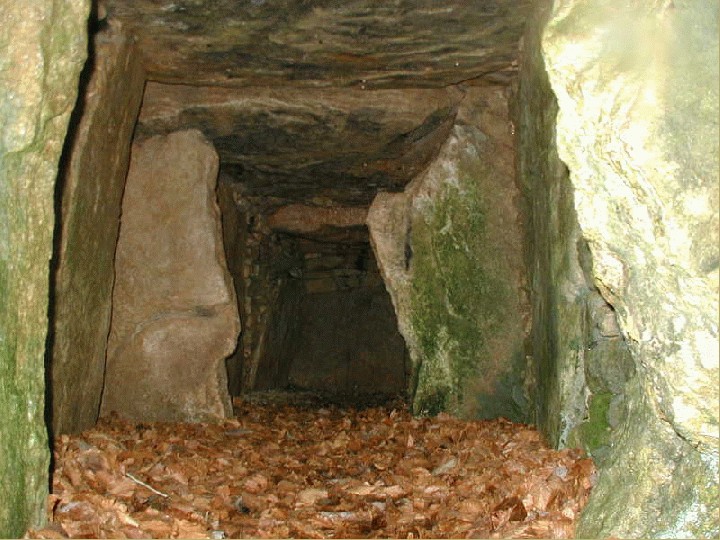
25 July 2003 Spotting the signpost for Hetty's pseudonym 'Uley Long Barrow' on the right, I pulled into the tiny layby, discovering that at the moment at least there is a nice flat piece of grass just inside the field behind where it looked as if people had been parking. I parked the car and got out. In the time it took me to put on my coat I was pretty damp. I walked a couple of hundred yards in the direction the signpost pointed but the path petered out. Retracing my steps twenty yards or so, I noticed a slight gap in the hedgerow that had been on my left and was now on my right (if you see what I mean). I stepped through and, as I hoped, to my right stood the long barrow which had been hidden from my sight by dense summer vegetation and filthy weather! Oh for a sunny day to visit! This must be a pretty wonderful place when the water isn't seeping down your jeans and you don't have to have your camera stuck inside your jacket, digging in your chest. I just managed to keep my knees clear of the growing puddle as I squeezed through the entrance into the central passage. Immediately I'd got in I realised I'd done it again…. I'd left my torch in the bloody car!!!! I knew from experience that this would probably also scupper my chances of getting decent photos as I wouldn't be able to focus in the dark…. Squatting in the now dampening chamber I could immediately make out the layout and construction of the passage, the remaining chambers on the left (south) and where the destroyed chambers would have been on the right (north). As my eyes became accustomed to the dark, the light seemed just good enough that I tried focusing manually and fired off a couple of decent shots. (I haven't uploaded them as they are too similar to the pictures already included on the relevant page of this website.) I love seeing ruined barrows and burial chambers, but there really is nothing quite like being able to get inside these things! I often refer to ruined ones being like a 'cutaway' or 'exploded' diagram, but as the stones of the passage and chambers are visible from inside you still get a clear picture of the construction. It's especially nice to find the peace and feeling of well-being which seems, from comments on this site, to be universally felt here. I even sat in the blackness of the south-eastern chamber for a few minutes, unusual for me – not because of any misgiving about the dark, but because I'd usually rather be moving and looking and poking! This post appears as part of the weblog entry Glos 'n' Oxon, Picnic People & Stomping in the Sun – Part 1
|
 Posted by Moth
31st July 2003ce Edited 31st July 2003ce |
|
My parents grew up around this area and as a very small child I remember being brought from my home city of Bath (not so very far away) to play at the tump one very frosty morning. Now 15 and taking my gcses, I was looking out of the car window as we drove to visit my grandparents (also local to the area) when I was suddenly reminded of this beautiful site. I asked if we could visit. A 20 minute trip later and I was raving about the place - absolutly inspired for my pending art exam piece "architecture." The next day found me sitting, protected from the howling storm outside, with candle and camera in hand and with only a large black spider and the slightly uncomfortable feeling of something else's presense for company. For me this place brought about a huge conflict of emotions. An overbearing feeling of warmth and womb-like protection coupled with the nagging reminder that I was sitting in a mass grave... The entrance is narrow, low-down and invisible once corners have been turned. Did anybody else feel that unease? I'll be back as soon as possible. Tove x x x |
Posted by Tove 30th October 2002ce |
|
Nursing the mother of all hangovers and with a heavy heart from a broken relationship I decided to give Hetty a visit. I'd never been there before so felt a fresh new place to move onto. Hetty looked beautiful today: covered in waves of wild flowers and grasses, there were even wild orchids. As I went into her depths i realised i had something in my coat pocket. It was a love letter from him, stuffed there from another time. I read it by the light of my candle, snug in Hetty's chamber. The smell of him was overwhelming and his words made me remember how sweet and loving he could be. I cried my heart out, i just couldn't stop. Then suddenly I sensed someone there, but could not see or here anyone. A warm feeling came over me and I felt comforted, things are gona be alright. I went out from her warm dark depths, out into the light, refreshed , ready to go on and move on. Thanks Hetty. |
 Posted by girlinwellies
16th June 2002ce |
|
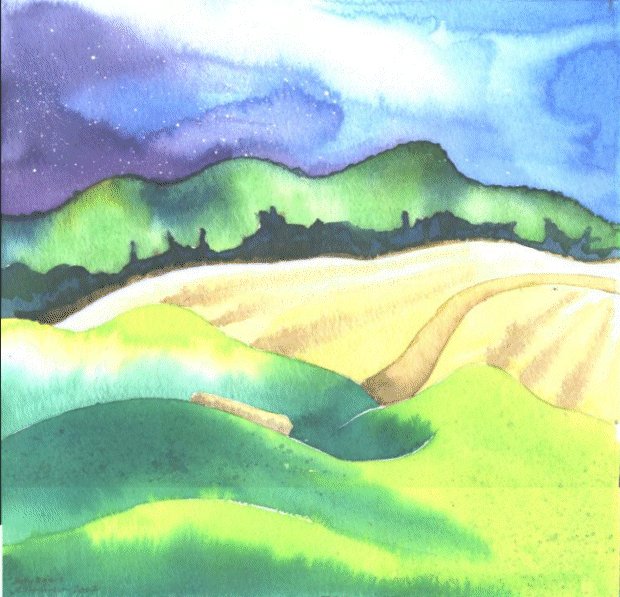
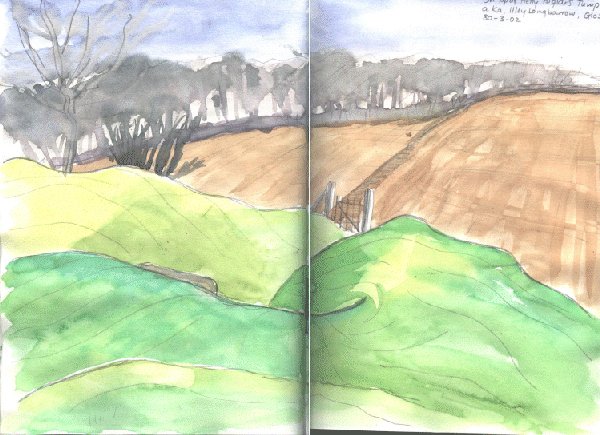
A quite splendid, undulating site, showing off her graceful curvaceousness in the warm spring sunshine. What a joy to sit on top and feel the breeze in your hair and hear the skylarks sing! We crawled in on hands and knees over a carpet of dry beech leaves and after allowing our eyes to accommodate to the low light were delighted to find chambers in which one could almost stand. Thankfully no slugs (as mentioned in a previous post on this page!) This is an absolute beauty and I made a number of watercolour sketches of her. I guess Nympsfield long barrow, just one mile to the north, would have been like this at one time, though now it is rudely torn open and crawling with picnickers. Shame. |
 Posted by Jane
31st March 2002ce |
| A planned detour on the way to Cornwall. I first stopped at the easily accessible Nymphsfield Long Barrow - a picnic place with an ice-cream van! Then on to HPT. This is a gem! Not so easily accessible as NLB to the casual visitor, but well, well worth seeking out. Some kind visitor even left a candle (no matches though). The interior is quite and comtemplative, sit for a while and enjoy the stillness. At time of visit (march 2002) the chambers were carpeted with dry leaves and shimmering with condensation. Great place! |
Posted by steev 25th March 2002ce |
| A Class-A site if ever there was one! Enjoy getting dirty !) as you climb into the hole. A real warmth can be felt inside. Standing on the top, looking down the top of the mound is wonderful, but difficult to convey with just a photograph. LOVE this site. |
 Posted by IronMan
23rd January 2002ce |
|
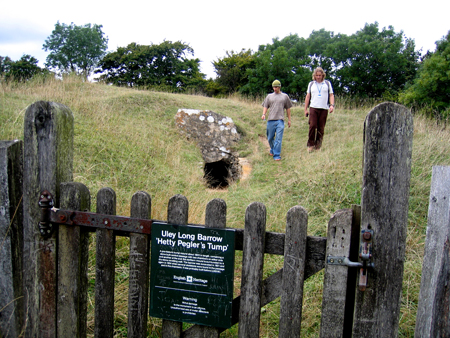
So we drive straight past it the first time, missing it entirely for the frankly rather feeble (but much better signposted) Nymphsfield Long Barrow, long since ploughed over and destroyed. A hint: park at the small gap where the sign (for "Uley Long Barrow") is. It's then a short trek over the fields to get there. And wow, this rivals West Kennet anyday. It's much more intimate, yet almost more majestic. Maybe because it's on less of a grand scale. Crawling in over the gravel, it's a marvel to be able to almost stand. Suddenly the world is quiet and dark. Sit in one of the central chambers (bring a torch) and just soak it all up. It's perched just on the edge of a Cotswolds escarpment, and it's nice to be able to think that it would be able to be viewed from the valley floor even now if the trees were cut back a little. And the shape of it is so distinctly feminine. A sad sign of progress, though: "Hi Julian" scraped onto the British Heritage plate on the gate. . |
Posted by Mavis Trickle 13th December 2001ce |
|
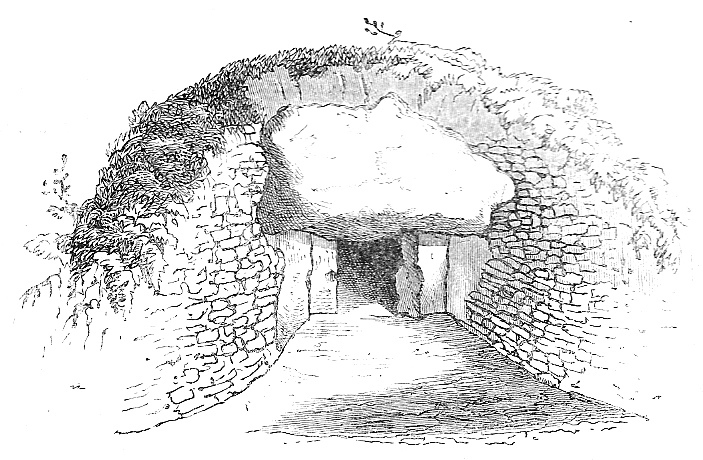
I parked my car in the small space on the verge of the road and started beaming like a fool as I approached the Tump (also known by the less romantic name of Uley Long Barrow). Although the mound is somewhat disfigured where it's been dug into, the entrance to the chamber is beautiful. Crawling under the huge slab of stone above the entrance I was immediately struck by the warmth and absolute stillness, a marked contrast from the gale blowing outside. Get someone to walk about on the mound while you're inside...the amplified thump of footsteps is fantastic! |
Posted by drzoon 17th September 2001ce |
|
HETTY PEGLER'S TUMP - Visited 26/8/00 After visiting the Longstone of Minchinhampton we continued driving around in circles in the Gloucestershire countryside until we came upon Hetty Pegler's Tump. This was a really fine barrow that you could get right inside of, provided you weren't put off by the enormous slugs that guarded the entrance, preventing the passage of the more squeamish amongst us. |
 Posted by Rob Gillespie
15th January 2001ce |
Folklore |
Add folklore |
Presenting an addition to my dubious theory of 2006. I found mention in Gloucestershire Notes and Queries v5 (1894), which is about 'Place Rimes', rhymes expressing local prejudice about neighbouring villages :)Charles Hillier the ancient Corunna [Napoleonic battle of 1809] veteran who died at Uley some years ago, aged upwards of 90, added to the above [rhymes]:-- "Nimpsfield heg pegs," which the old man explained were "things" which grew in the hedges.And Nympsfield is literally yards from the tump. Etymology eh, you can argue it until the cows come home and it doesn't really matter, but it is interesting I think. |
 Posted by Rhiannon
21st February 2015ce |

|
Welcome to the weird and wonderful world of Rhiannon's folklore speculations. I've never been that convinced by the 'Hester Peglar' school of thought when it comes to the name of this long barrow, and recently found some solid(ish) confusion about it (see 'Misc'). And now I have a no less incredible alternative.. I came across mention of 'Heg-Peg Dump', which is a suet pudding made with plums and damsons. It was made, in Gloucestershire (where the Tump is), on the occasion of St Margaret's Day (hence the 'Peg' part of the name, which was her nickname) - which is the 20th July. Then I read this, which relates the pudding to the specific area of Gloucestershire near the Tump: Village Feasts.--Many Cotswold parishes keep their annual Feast in the autumn, usually on the Sunday after the church dedication festival, which is sometimes observed on the date according to Old Style. There are family gatherings, a special dish for the occasion, and often open house, especially at the smaller public-houses. [..] at Nympsfield, puddings or dumplings are made of wild plums or "heg-pegs." There is a local rhyme, twitting the Nympsfield folks, who are very sensitive on the point:-Cotswold Place-Lore and Customs (Continued) J. B. Partridge Folklore, Vol. 23, No. 4. (Dec., 1912), pp. 443-457. Whaddya reckon. Surely not coincidence?? Could the tump have reminded them of the pudding in shape? Or did they connect St Margaret with the tump.. is St Margaret a christianisation of another protective goddess? Or am I going too far now. Shall we just stick with the pudding theory. Or indeed consign the whole idea to the back burner. The question still remains of whether / when the local people were aware of the barrow - how old is the name?? |
Posted by Rhiannon 3rd October 2006ce Edited 3rd October 2006ce |
|
In TC Darvill's 'Long Barrows of the Cotswolds' (2004) he says "In 1820 during the clearance on woodland and stone quarrying a previously unrecorded long barrow was revealed. It was promptly investigated on 22/23 February 1821 by Dr Fry of Dursley and TJ Lloyd Baker of Hardwick Court." Previously unrecorded? Should we doubt this? Does it mean 'previously unrecorded by the local antiquarian gentlemen' or 'previously unnoticed by local people'? If it's the latter, how can it fit with the 'Hetty Peglar' name? The general explanation has been that Hetty was the Hester Peglar you find on a monument in the church - the wife of Captain Pegler of Wresden, alleged owner of the land. But she died in 1694. So why on earth would the barrow be named after her, if it wasn't discovered until 1820?? Then again, 'Peglar' is hardly an uncommon name in the area, so it might just be another Hester, from later. Or maybe 'previously unrecorded' is a total red herring, and it was perfectly well known locally for years (a century+, seemingly) previously. Hmm. I don't think the bottom of this has been reached. |
Posted by Rhiannon 23rd August 2006ce Edited 4th March 2011ce |
the Doctor [Dr Bird, who'd been present at the opening of the Nympsfield Park barrow] stated that an old friend of his had told him many a time he and other boys had gone to [Uley] tumulus and had a fight with the "giants' bones" in the chambers.From v2 of the Bath Field Club proceedings, 1870-2. |
Posted by Rhiannon 16th June 2006ce |
| After visiting Hetty Peglar's at the weekend with a friend who asked 'Where did the name come from?' I thought I'd try and find out. A cursory glance at Google found 'Earth Mysteries: Hetty Peglar's Tump' and the suggestion that the tump is named after the wife of the owner of the field. Sounds possible but not as exciting as the wise woman versions I've heard elsewhere. |
Posted by Chloris 31st January 2005ce |
Miscellaneous |
Add miscellaneous |
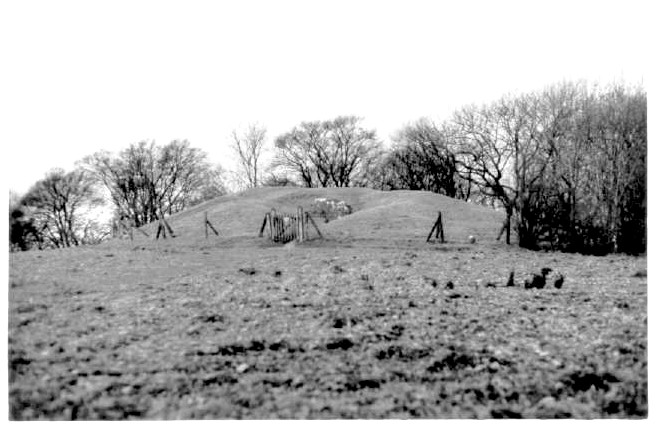
A visit to Hetty Pegler's in the mid-20th century was accomodated by all the necessary equipment (and the feeling of other presence) on payment of threepence -From "Companion into Gloucestershire" - R.P. Beckinsale (1947 5th edition Methuen):The road-side cottage at the top of the hill and close beside the entrance to the camp, has a notice informing us that the keys to Uley Bury and the requisite candle and matches are to be had within on payment of threepence. This great Long Barrow, prettily known as Hetty Pegler's Tump, lies just off the main road a half-mile to the north. Here in the corner of a ploughed field is an oval mound some 40 yards long by 30 broad at its widest. The lower end has been encroached upon by the plough, but the higher end, which even now is 10 feet high, is securely railed off. Here fine ogee-curved walling leads to the entrance, where a massive flat stone quite 8 feet by 4 feet resting on two uprights forms a portal, once closed with a stone. |
Posted by thesweetcheat 8th February 2009ce Edited 20th July 2013ce |

| Whilst at Hetty Pegler's Tump or Uley Bury you may like to consider the presence of a Romano Celtic shrine between the two, at West Hill. The 1992 EH book 'Shrines and Sacrifice' by A Woodward has lots of details. A possibly Neolithic burial feature was reused and extended in the late Iron Age -there was an enclosure round a wooden temple that lasted well into the Roman era. A lot of bits of goats were found, along with some curses on metal tablets, and a stone carving of Mercury - the latter seen at the 'Curse Tablets of Roman Britain' website. |
Posted by Rhiannon 7th March 2007ce Edited 7th March 2007ce |
A little more on the name of the barrow. Not that the local antiquarians were necessarily that aware of what the locals called the place. But it does fit with the mention of 'giant's bones' elsewhere..Mr. Edward Freeman invited the attention of the Society to the existence of a remarkable sepulchral chamber at Uleybury, Gloucestershire, partially excavated some years since, when some remains were found, now preserved at Guy's Hospital. This burial-place has been designated as "the Giant's Chamber," and it appears to be in some respects analagous to the surprising works in Ireland, at New Grange and Dowth, on the banks of the Boyne. Mr. Freeman proposes to bring the subject before the notice of the annual meeting of the Institute, at their approaching assembly in Cambridge [..]From the 'Archaeological Institute' section of the 1854 'Gentleman's Magazine' (online at Google Books). |
Posted by Rhiannon 19th February 2007ce |
|
An excursion to Uleybury from the early 1870s. The group set off from Cam via a short cut "which was taken at the advice of one of the members always noted for his short cuts - which are generally found to have their existence in his internal consciousness and by no means to have any objectivity in themselves." When the view opened up "the object of the excursion [was revealed] on the top of another hill in the distance, with a valley between." (I think we've all been on a walk with him). The large stone which covered and protected the entrance to the chambers having fallen down, considerable difficulty was found in gaining admittance at all, as the space at first appeared only sufficiently large for a rabbit run. By dint of wriggling in a most undignified manner, four of the thinnest, and of course, the most juvenile of the members feet foremost, and in a prone attitude were enabled to penetrate the innermost recesses...From the Proc. of the Bath Field Club v2 p241 (1870-2). |
Posted by Rhiannon 16th June 2006ce |
Links |
Add a link |
Hetty Pegler's Tump on YoutubeMy lateste video, feel free to comment. . Thanks to Ken Hannaford for the music. |
 Posted by wickerman
28th October 2012ce |

BBC Gloucestershire360° photos of Uley, thanks to David Bailey of the BBC for sending the link. |
Posted by TMA Ed 24th July 2008ce |
Megaliths: Hetty Pegler's TumpA selection of photos of Hetty Pegler's Tump and a Virtual Reality Panorama (you'll need either a Java compatible browser or the RealVR plug-in to see these). |
Posted by Kammer 20th November 2005ce |
 Top of page