|
 Log in |
Register Log in |
Register
|

|
|

Bosiliack BarrowRound Barrow(s)
|
||||||||||||||||||||||||


 0 discussions


 Show map (inline Google Map)
|
|
|
Images (click to view fullsize) |
 Add an image Add an image |
|
Fieldnotes |
Add fieldnotes |
|
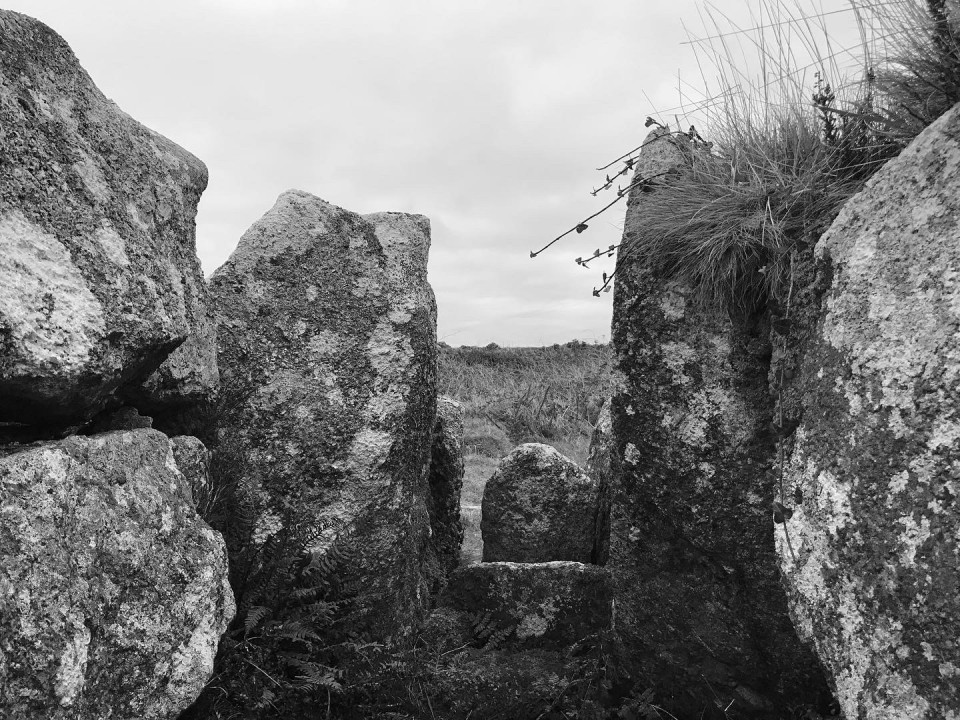
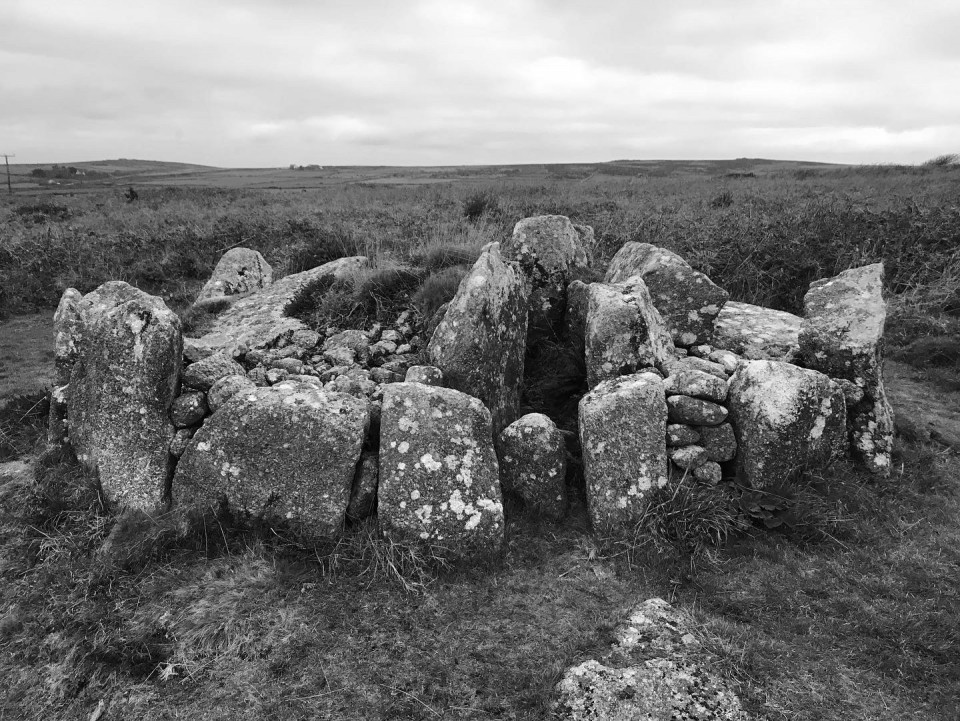
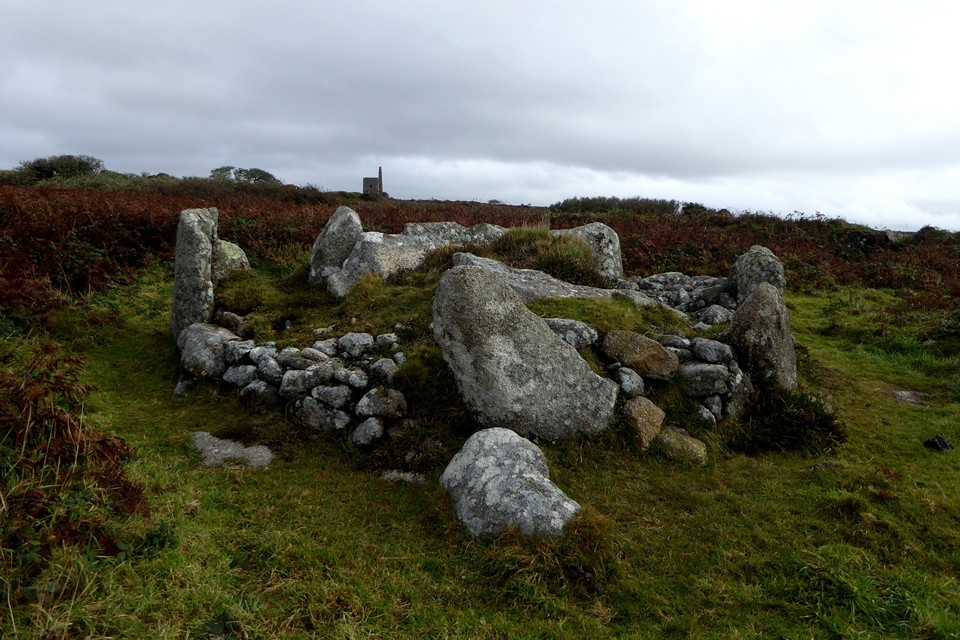
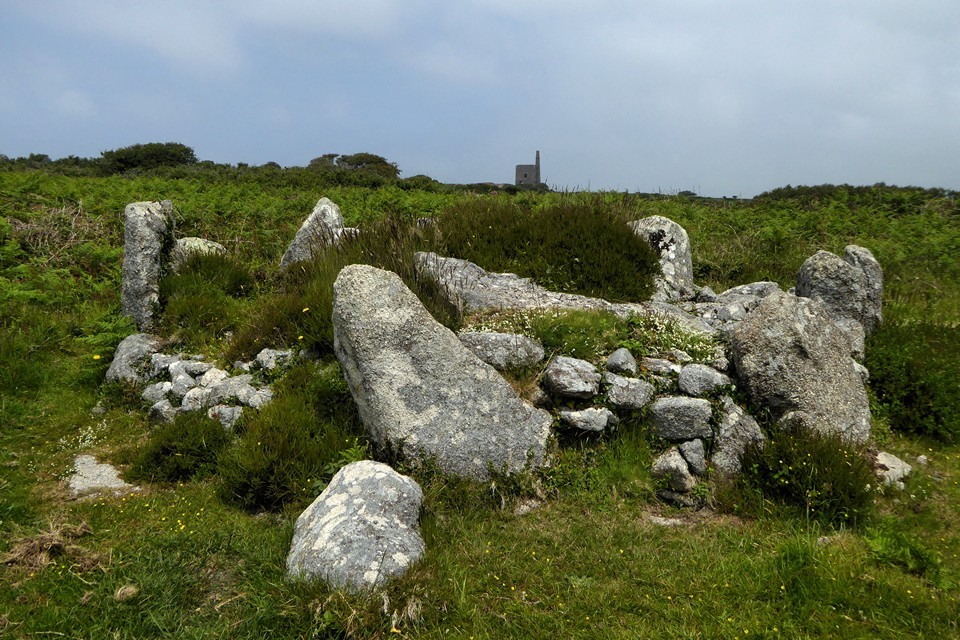
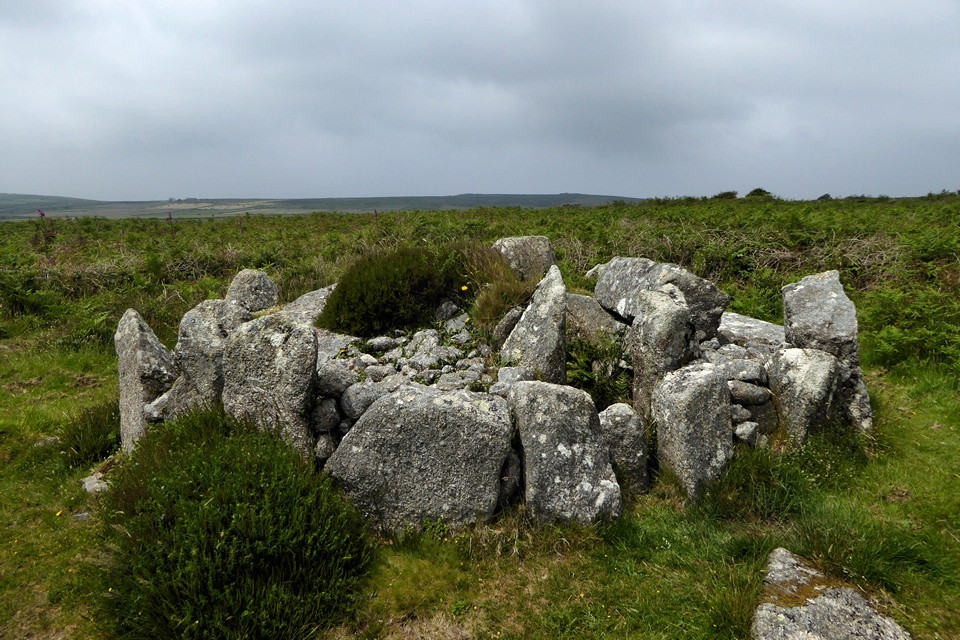
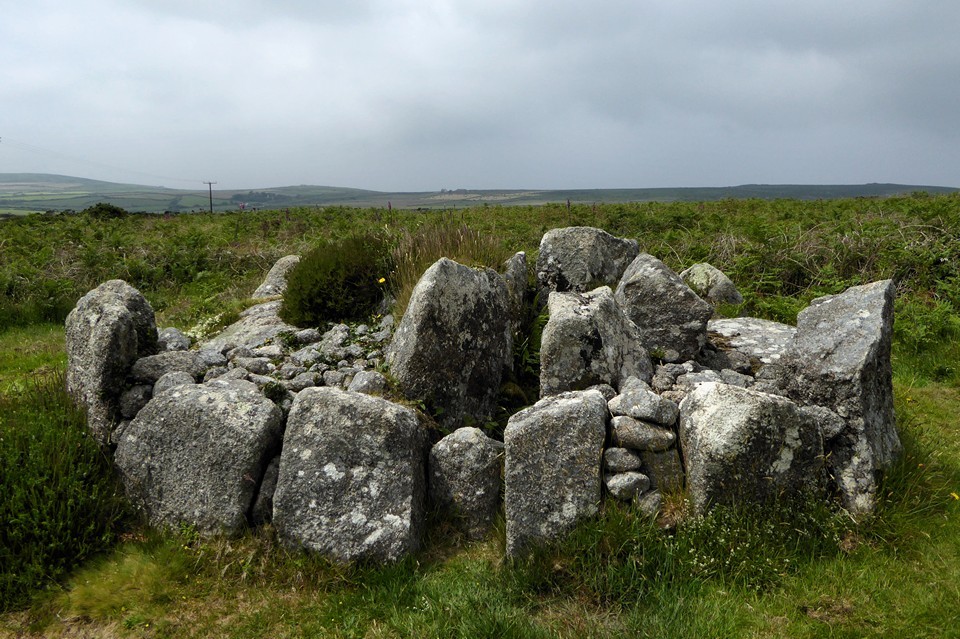
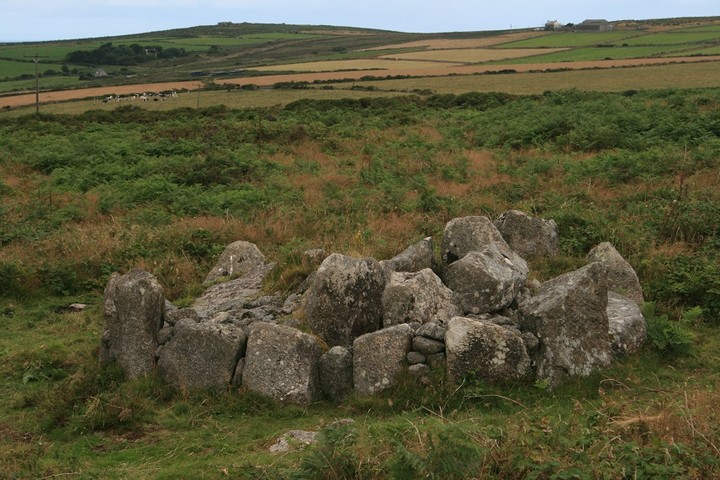
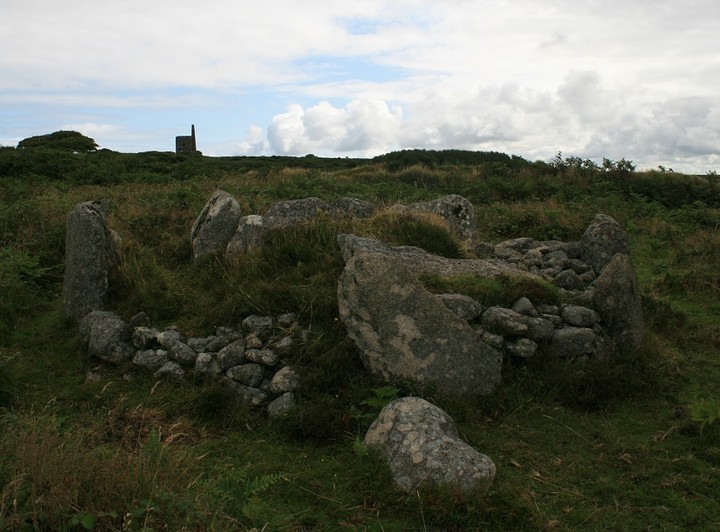
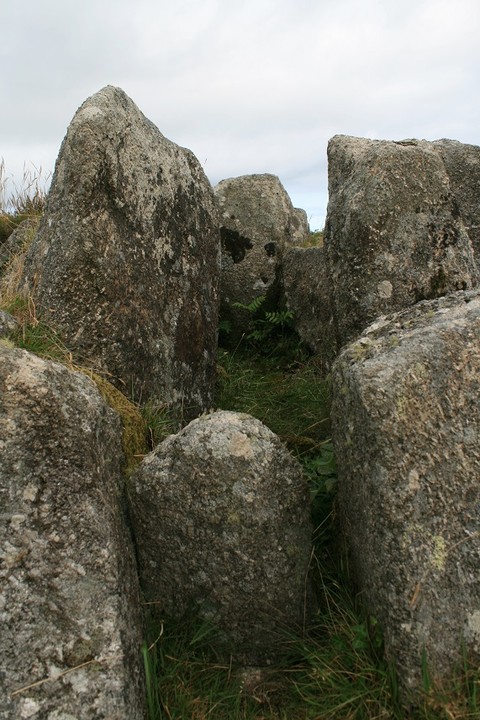
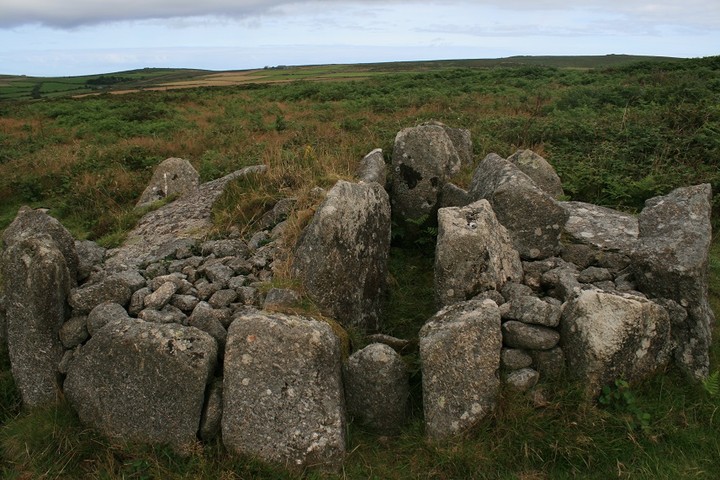
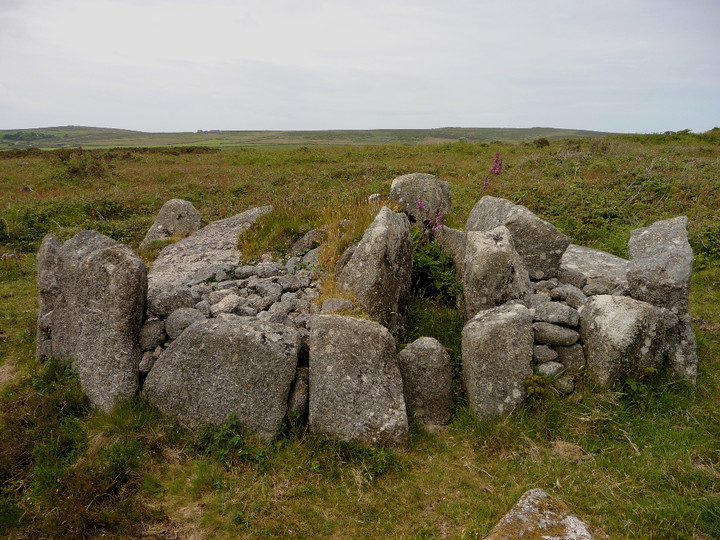
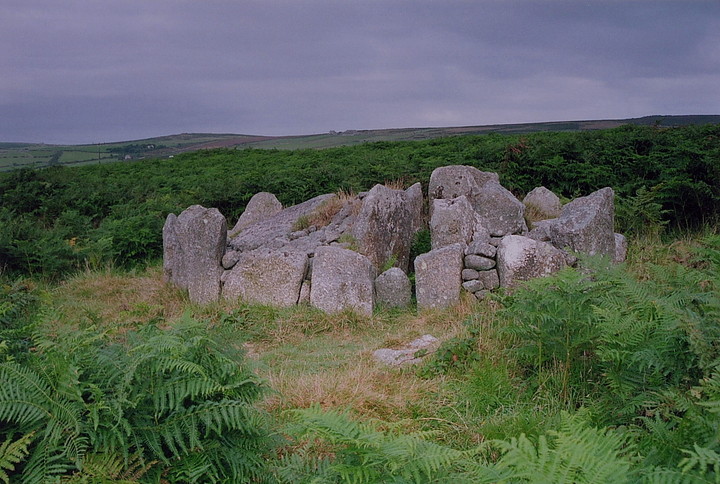
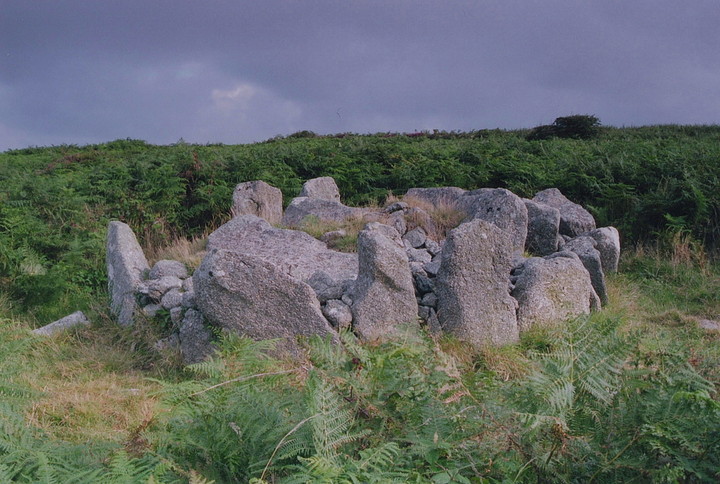
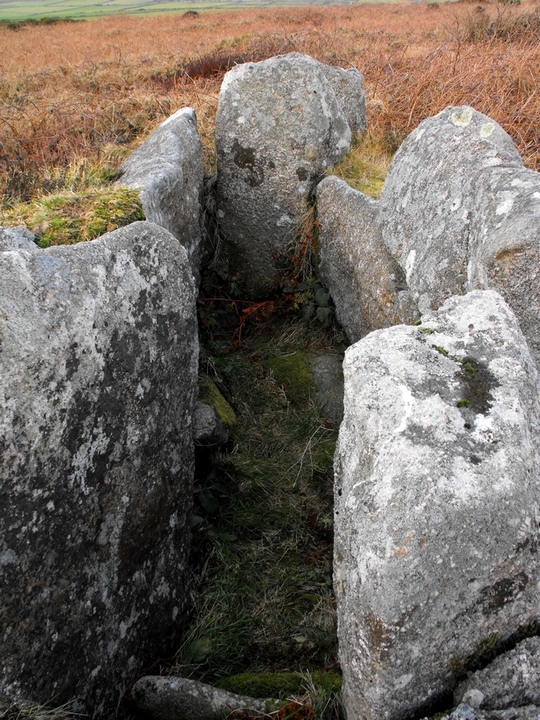
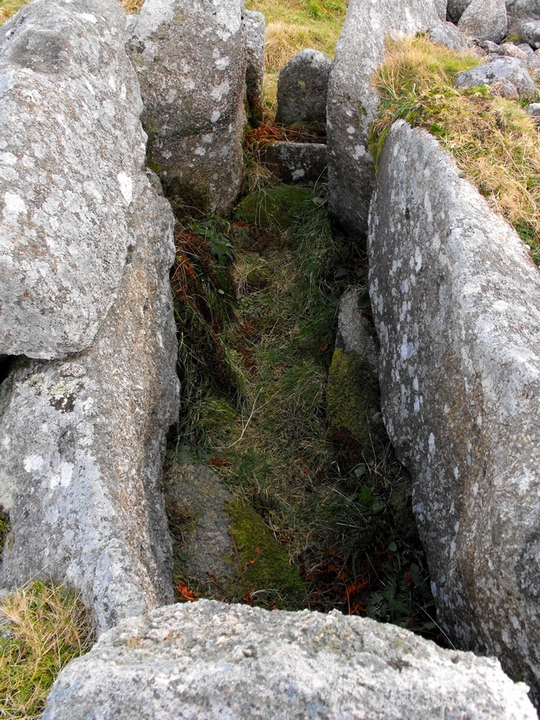
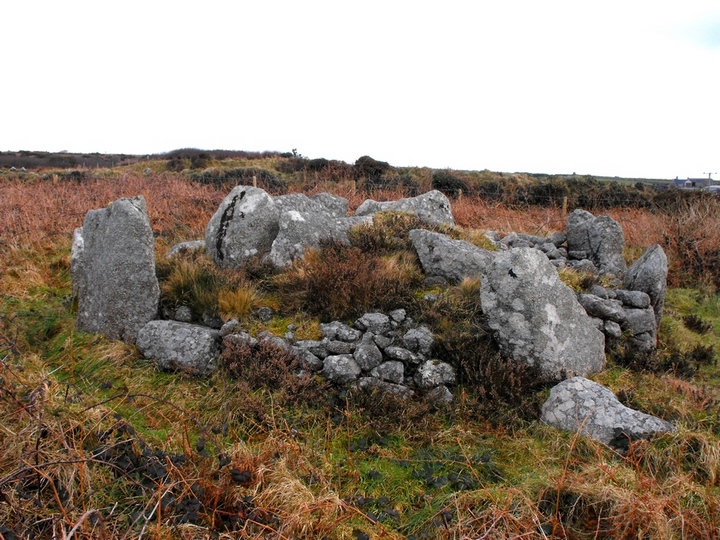
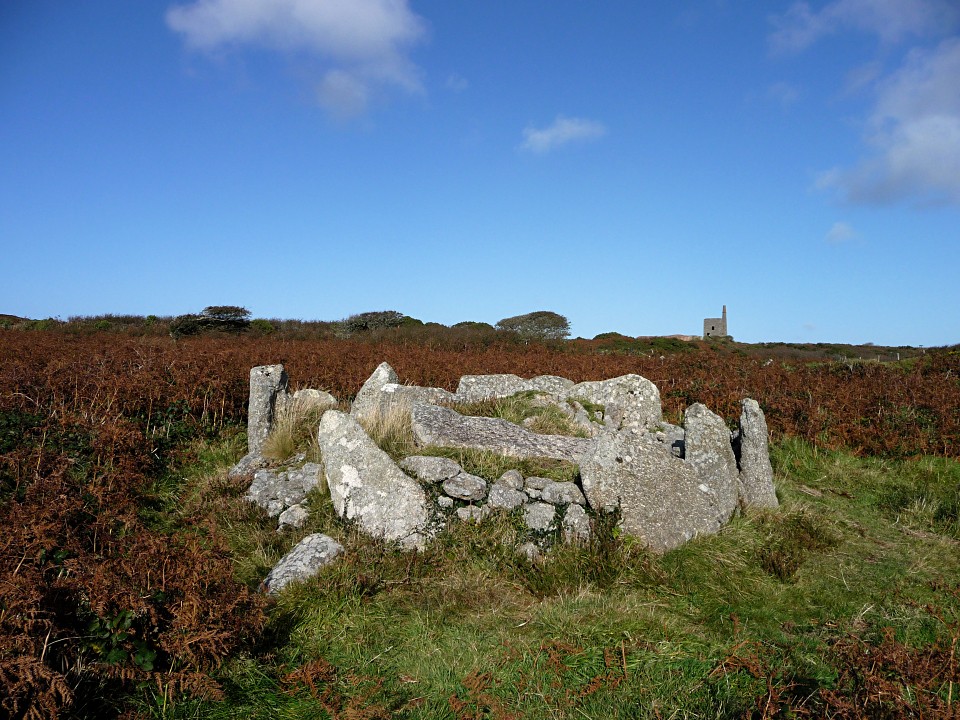
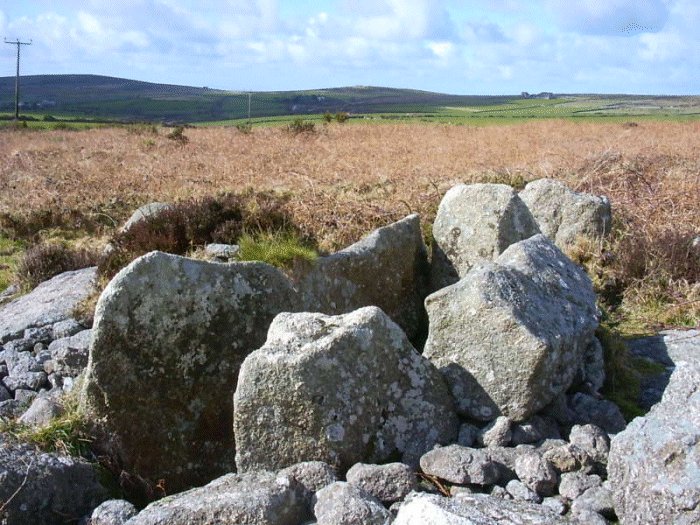
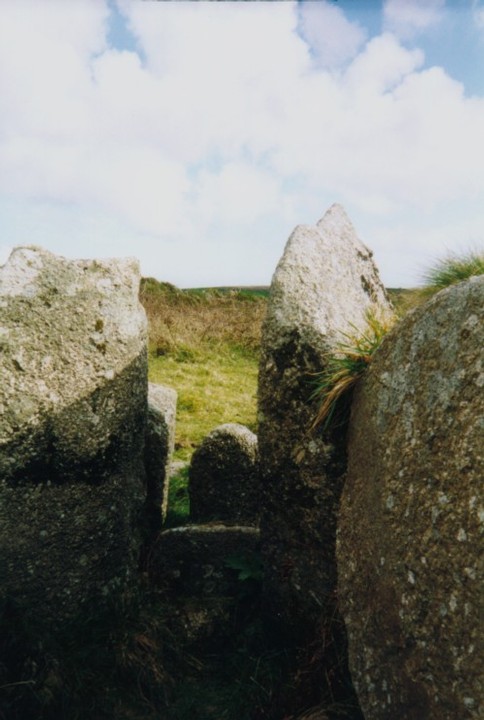
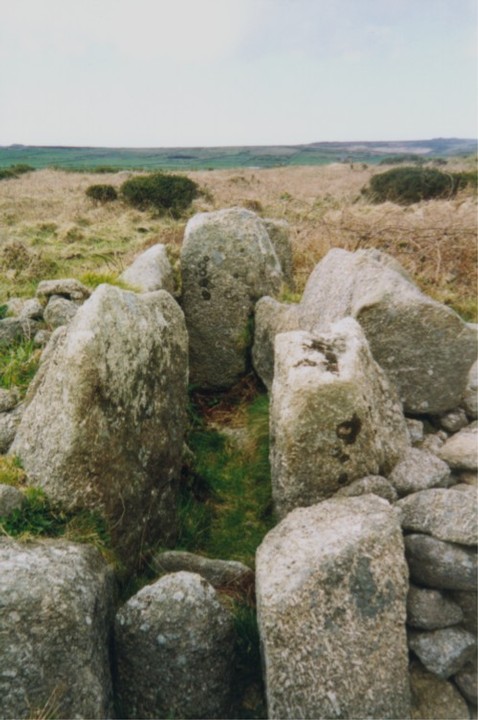
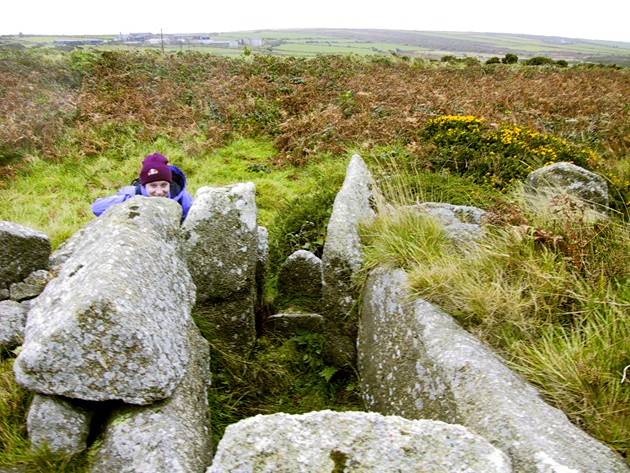
Ever since seeing this "barrow" on here some years ago I knew I had to come and have a look, it looked so together, so well, perfect. Now I've been, I can say with certainty that it is perfect. I needed no help in finding it, beyond that which the map offers, I got a bit confused on the small lanes leading to it, completely failing to see Lanyon Quoit on the way past. Parking was dodgy if not completely devoid of such, we left Phil in charge of the car whilst Eric and me went up the track to the stones. Just keep following the path, whilst looking right for some stones poking over the bracken/gorse down a less well defined path and hey presto, Bobs yer Uncle and ding dong etc etc. There are quite a few sites on the Lands End peninsula that appear to be absolutely perfect, this most definitely is one of them. The stones fitting together smartly, the open chamber points to the winter solstice sunrise, I would be there at that time if I lived half as close. I sat and watched Eric doing a bit of gardening, emptying the chamber of ferns and so on, once he was done I leaped into action and took a hoard of photos, saving the photography for the end , wanting to just look, wonder and ponder at this diamond of a site. Certainly in the top five sites of Lands end. Perfect. |
 Posted by postman
23rd August 2013ce |

|
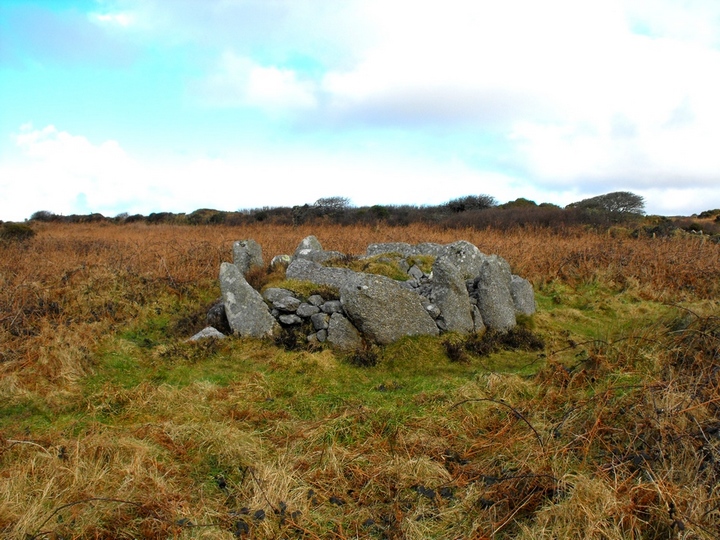
We've been visiting Nine Maidens every year (sometimes several times) since 1999 and each time have failed to find (or sometimes couldn't be bothered to look for) Bosiliak. We have approached both from Ding Dong and from the road with no success. Anyway, on a particularly lovely October day, having walked from St Just, via Tregeseal circle and holed stones, Chun Quoit, Men Scryfa and Nine Maidens, I was determined that today was going to be the day! Paying particular attention to Ian McNeil Cooke's instructions and to the OS map, we reached the gate into the field where I thought the barrow was. At this point, rather footsore girlfriend decided she couldn't face the prospect of poking about in the autumn vegetation to find something which may or may not be worth the effort, so I set off alone, leaving her with our bags. And found the barrow straight away. How have I missed it all these years? And what a beauty - much better than I expected actually, I somehow always thought Ian Cooke's drawing had an element of "reconstruction" to it, but it certainly doesn't. Anyway, it warranted going back and getting patient girlfriend, who was also suitably impressed. The weird thing is, once you have seen some of the sites you then can't miss them. We walked from Bosiliak to Lanyon Quoit and from there the barrow is clearly visible - perhaps the autumn vegetation helps, rather than thicker summer bracken. From Lanyon a stroll to Madron to catch the bus back to Penzance and St Ives. One of the best days out I have had in West Penwith, we actually got sunburned in October. But of all the old favourite sites we saw that day, finding Bosiliak was the most unexpected highlight. Highly recommended, and not too difficult to find (he says now) if you follow the directions in Ian Cooke's books. |
 Posted by thesweetcheat
16th January 2009ce Edited 29th August 2017ce |
|
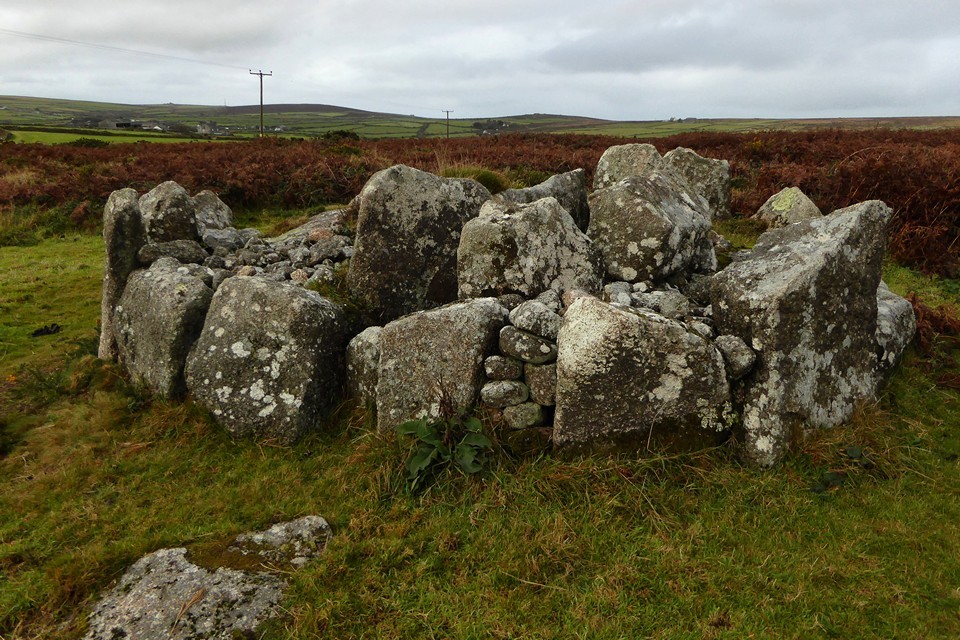
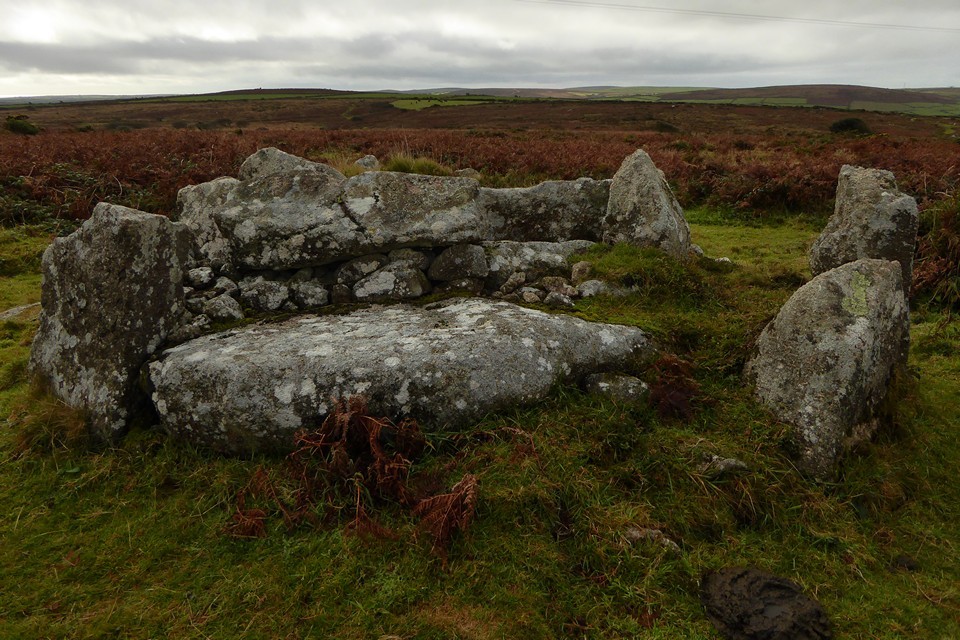
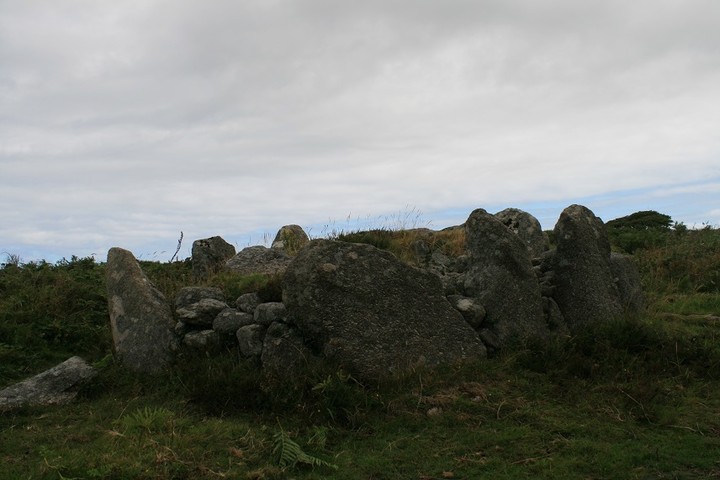
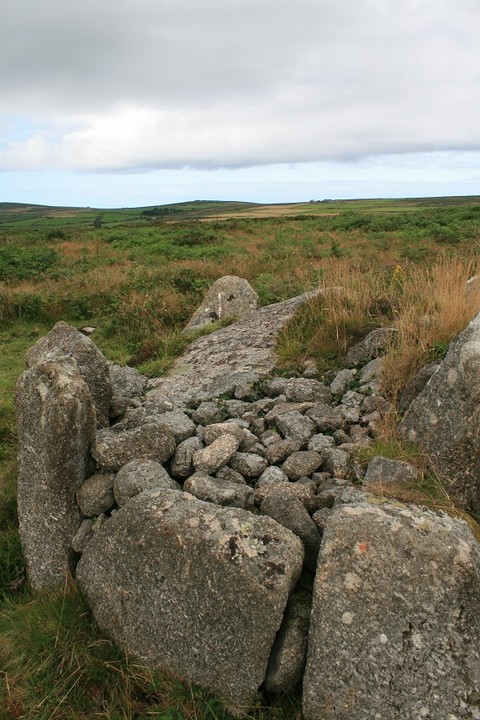
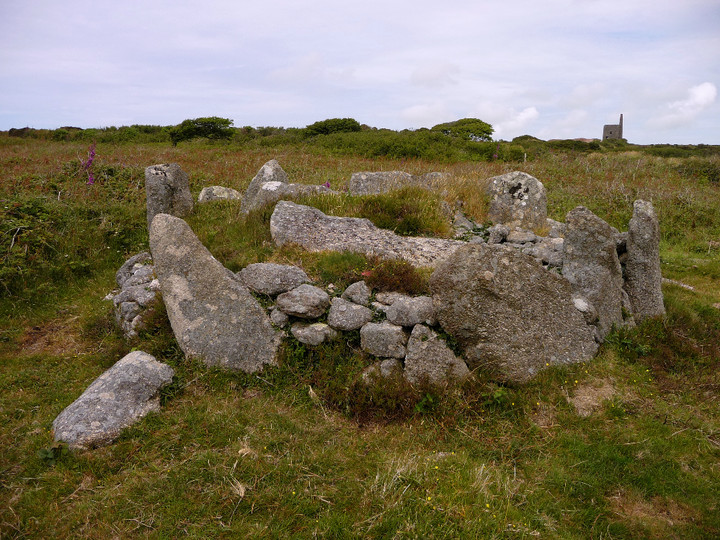
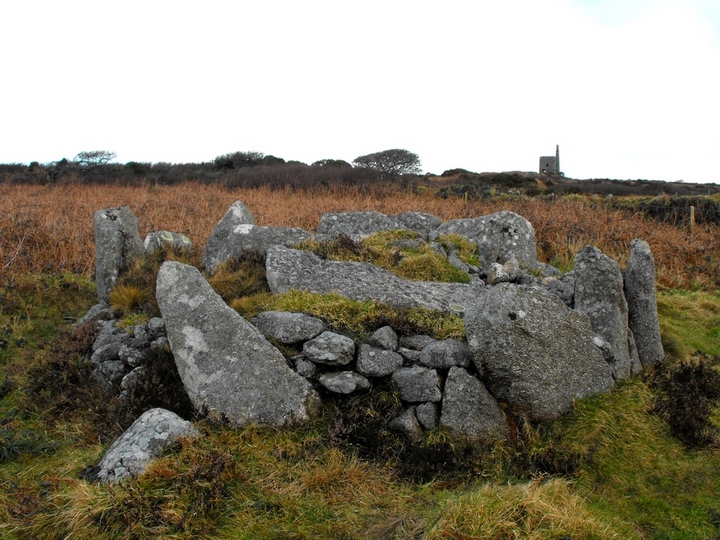
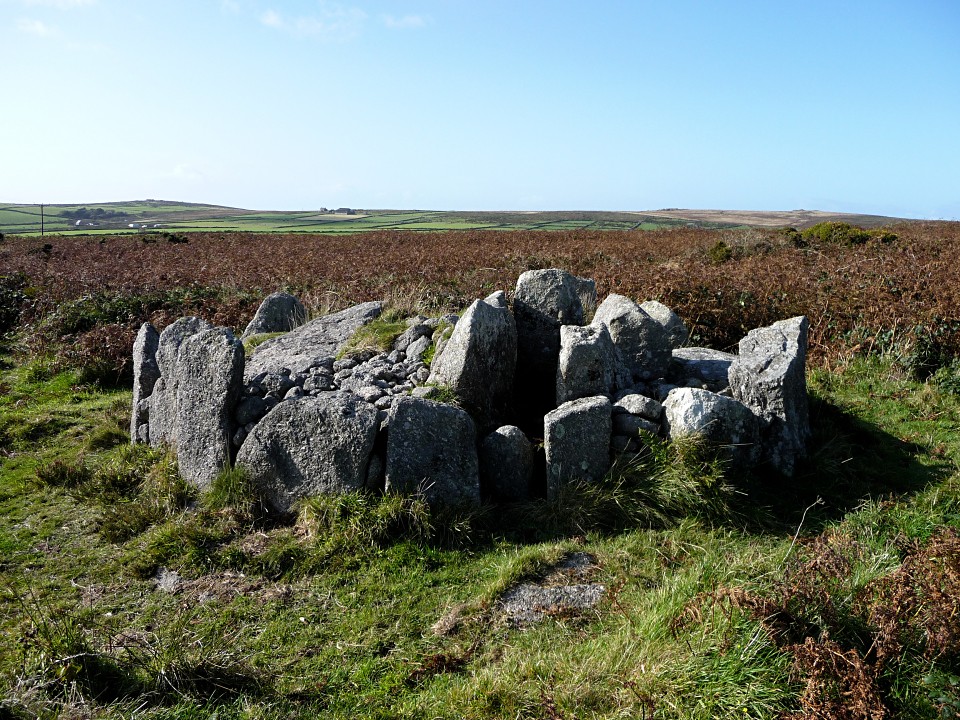
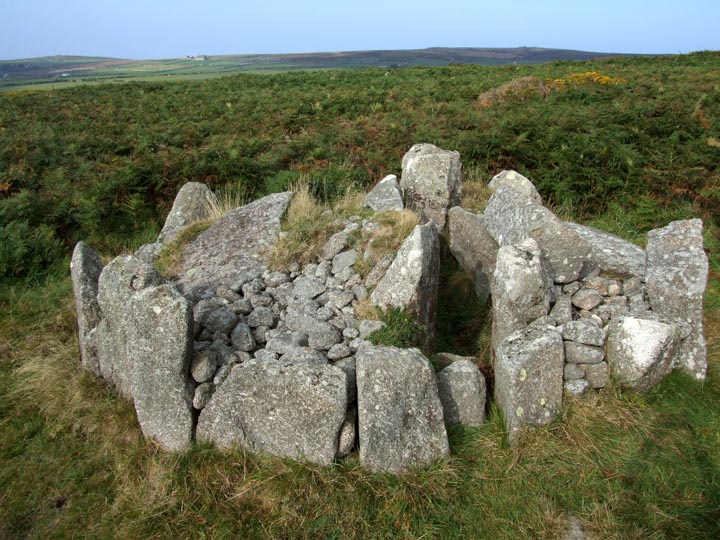
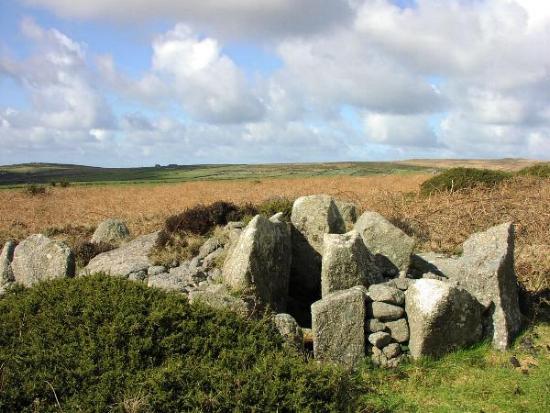
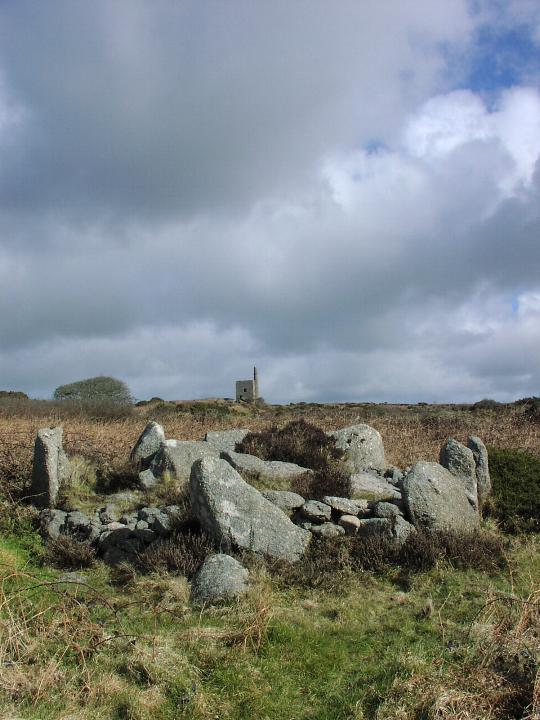
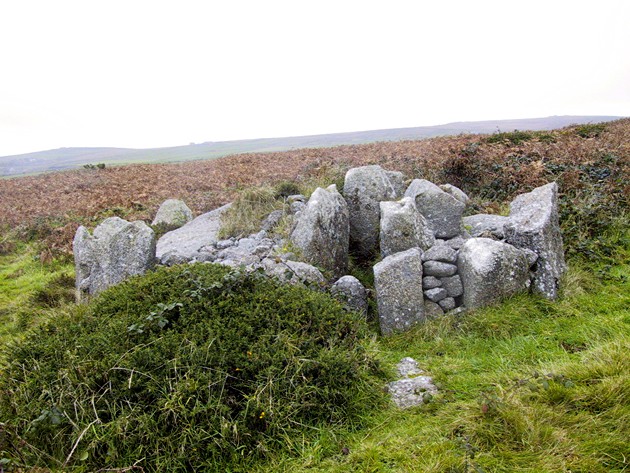
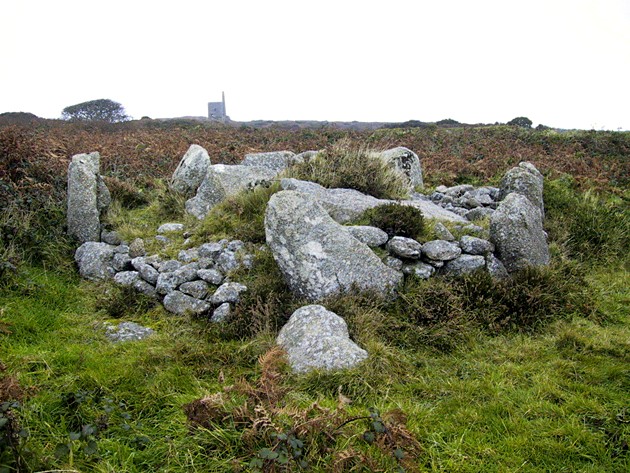
Just a stone's throw from the ever-dominant ruin of Ding Dong tin mine's 19th century engine house, we found this wonderful place with the help of Ian McNeil Cooke's book 'Journey To The Stones', while en route and on foot from the Nine Maidens to Lanyon Quoit. This such a wonderful place, its skin ripped off to reveal its internal structures to the elements. A splendid long grave, open at the top now, lined with big flat slabs faces east to greet the morning sunrise and lovely kerbstones ring the whole rubbly construction. Definitely worth poking around in the gorse for! |
 Posted by Jane
17th March 2004ce |
|
Requiring an OS map and a good deal of poking around among the gorse and bracken to find it, this small chambered round barrow is presumably like what many others are under their earthen mounds, or what the ruined ones were before desecration. But this one was intact until an excavation in 1984, and it stands today with all its stones in place. I've never seen a round barrow in this state before. Imagine if there were no West Kennett or Wayland's Smithy and all we had were covered mounds or stacks of slabs to fuel our imagination. This great state of preservation gives a strong feeling of connection, the sense of what these barrows were is immense, I have never been so struck by a later Bronze Age monument. It almost feels like the builders could turn up any time with the remaines to be interred. Well worth the trek! |
Posted by Merrick 20th July 2003ce Edited 20th July 2003ce |
Miscellaneous |
Add miscellaneous |
|
Taken from the Cornish Ancient Site.... This is a reconstructed barrow in a class of monuments called entrance graves or chambered tombs. It consists of a circular kerb of stones with an entrance; Brane barrow is similar. Approximate Neolithic dating 3000-2500 bc and has a diameter of 4.95 m and a height of 1.5.m approximately. It was excavated in 1984, when a primary deposit in a pot was discovered, it also had, interestingly enough, turf and topsoil in the chamber - ritual deposits? Entrance passage was deliberately positioned to face the midwinter solstice sunrise (same as Brane Barrow). http://www.cornishancientsites.com/Lanyon%20Quoit.pdf |
 Posted by moss
17th June 2009ce |
 Top of page