|
 Log in |
Register Log in |
Register
|

|
|

KnockfarrelHillfort
|
||||||||||||||||||||||||


 0 discussions


 Show map (inline Google Map)
|
|
|
Images (click to view fullsize) |
 Add an image Add an image |
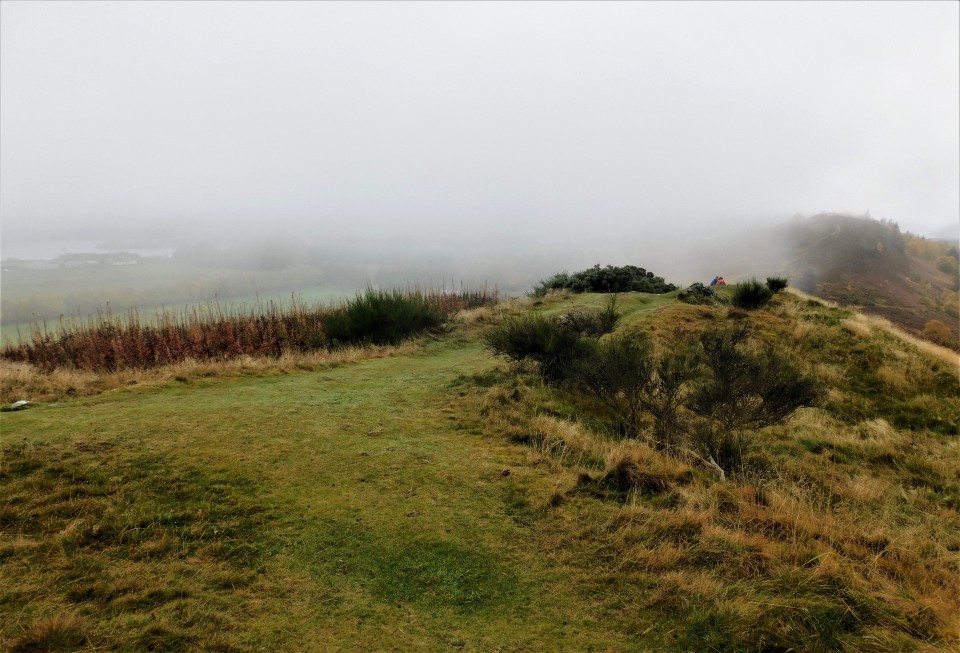
Photographs: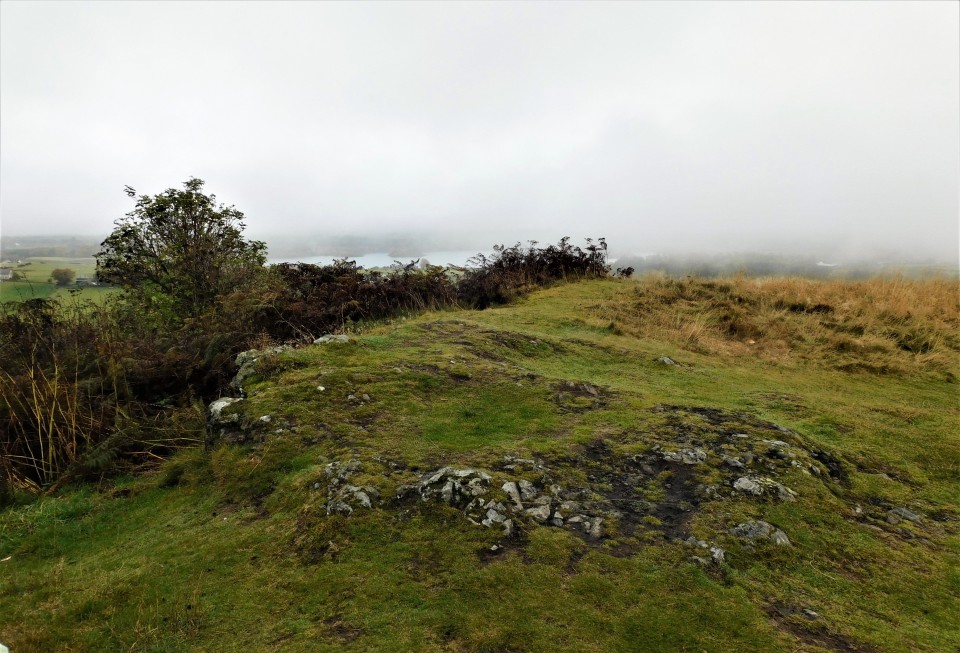
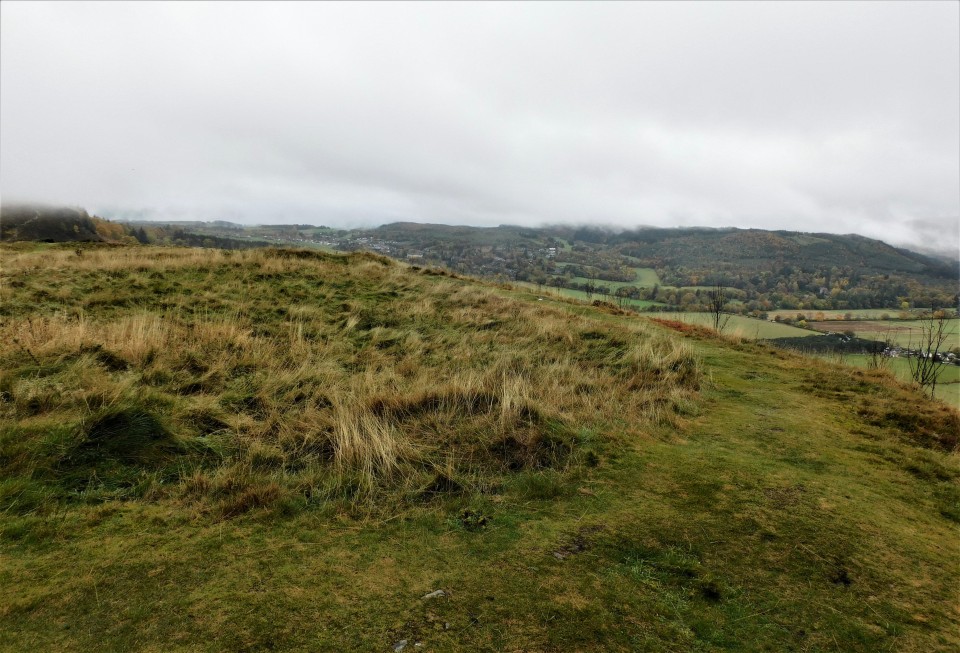
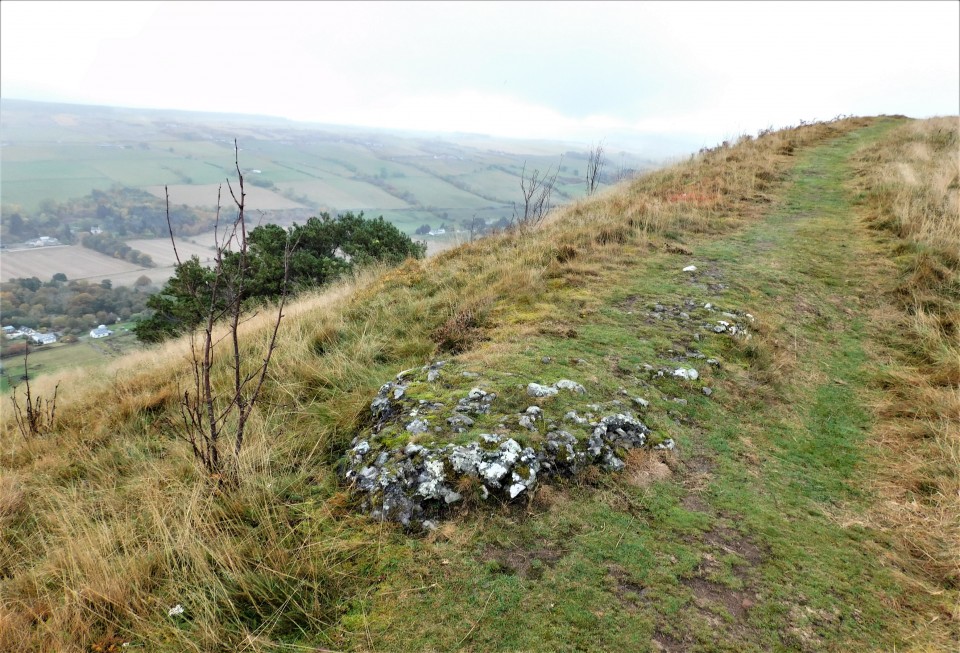


 Artistic / Interpretive: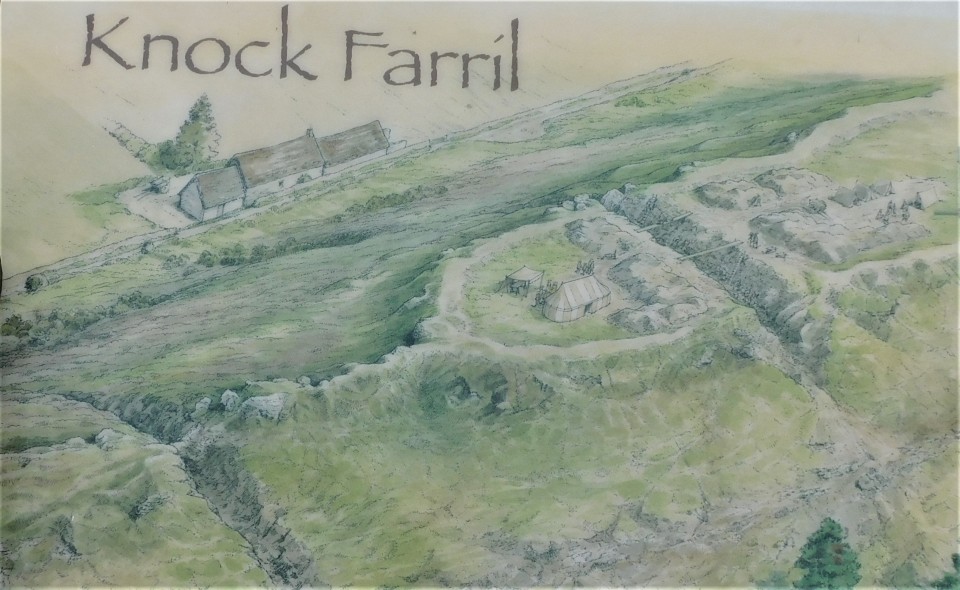
|
Fieldnotes |
Add fieldnotes |
|
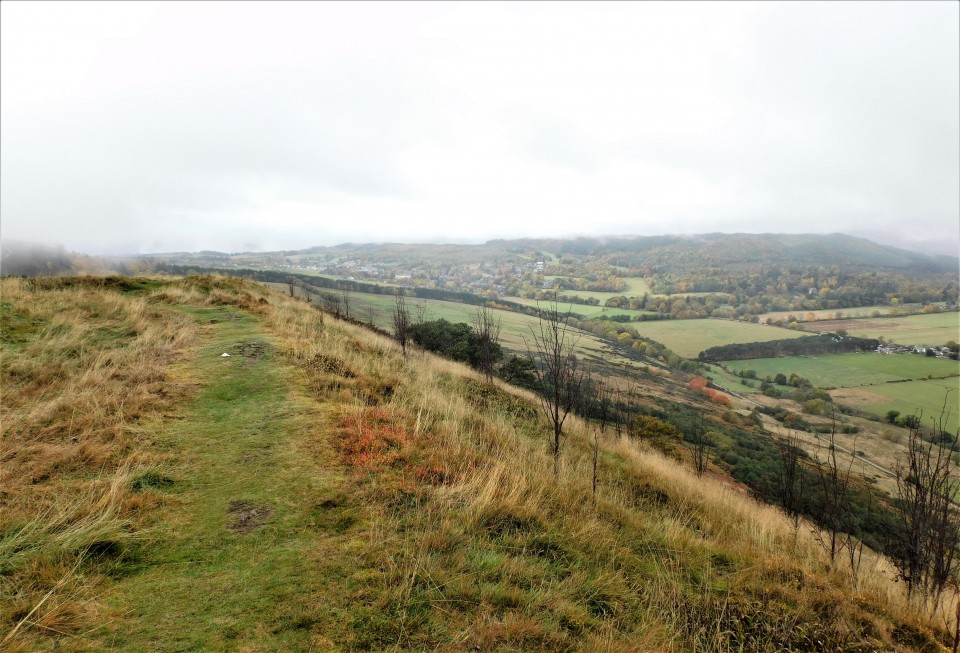
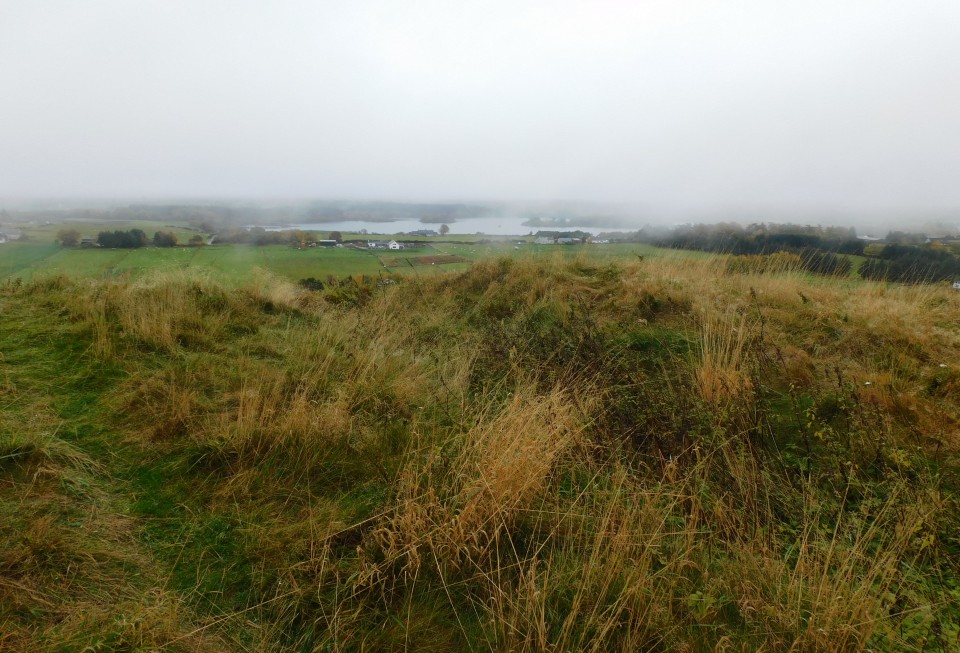
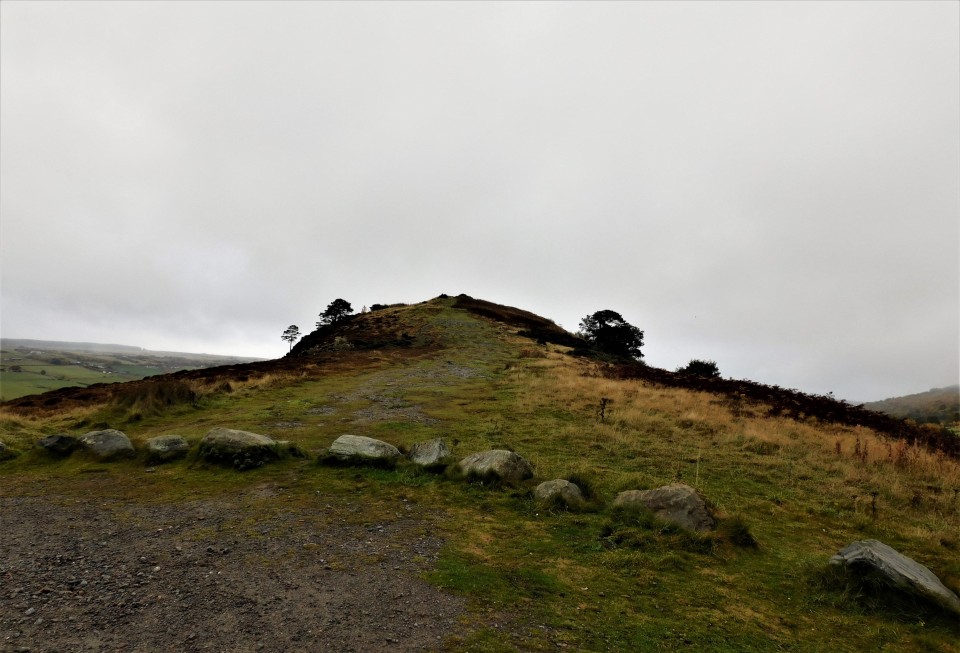
For a change we took the easy option and parked at the car park at the west of the fort, a sterner challenge would present itself later so this proved to be a lucky piece of foresight. Strathpeffer is slightly to the west, Loch Ussie to the south, beyond that a multitude of prehistory, Dingwall to the east and to the north more prehistory, especially chamber cairns and rock art. As described by Mr G, a stunning site, one I'd been meaning to visit for a long time. Visited 20/10/2022. |
 Posted by drewbhoy
21st March 2023ce |

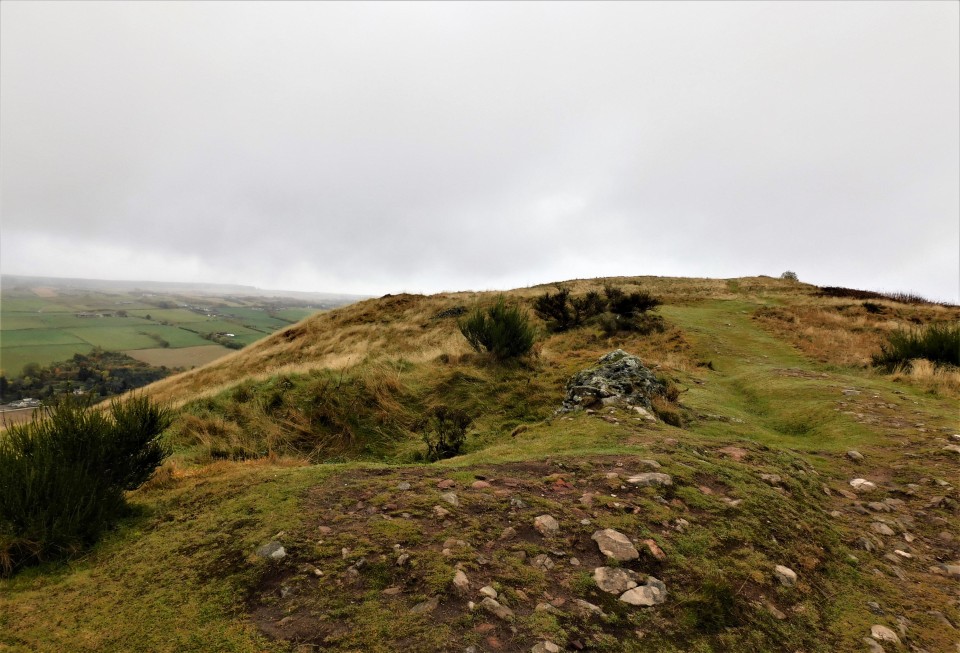
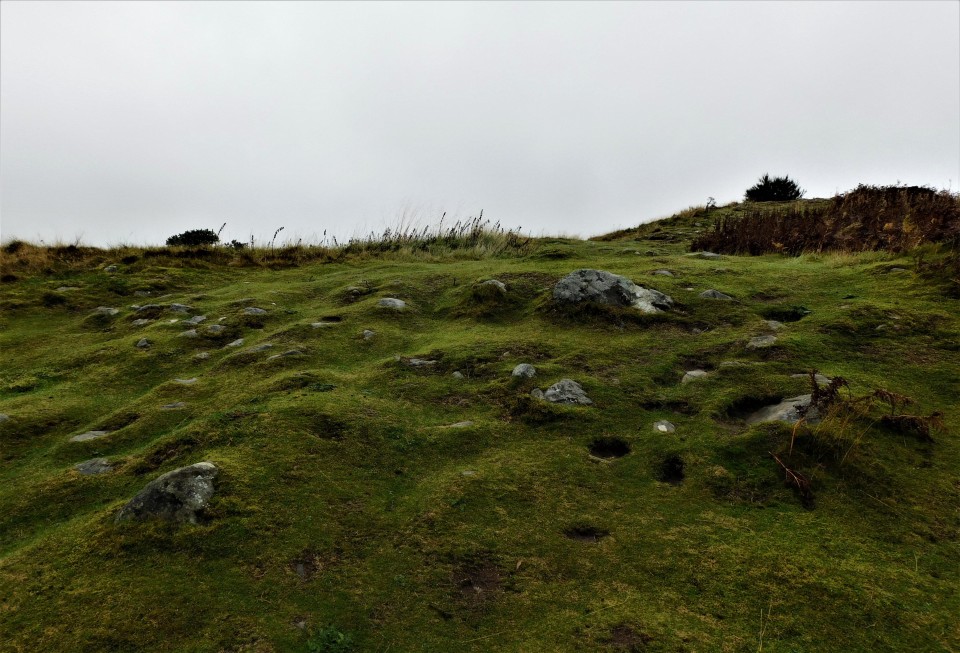
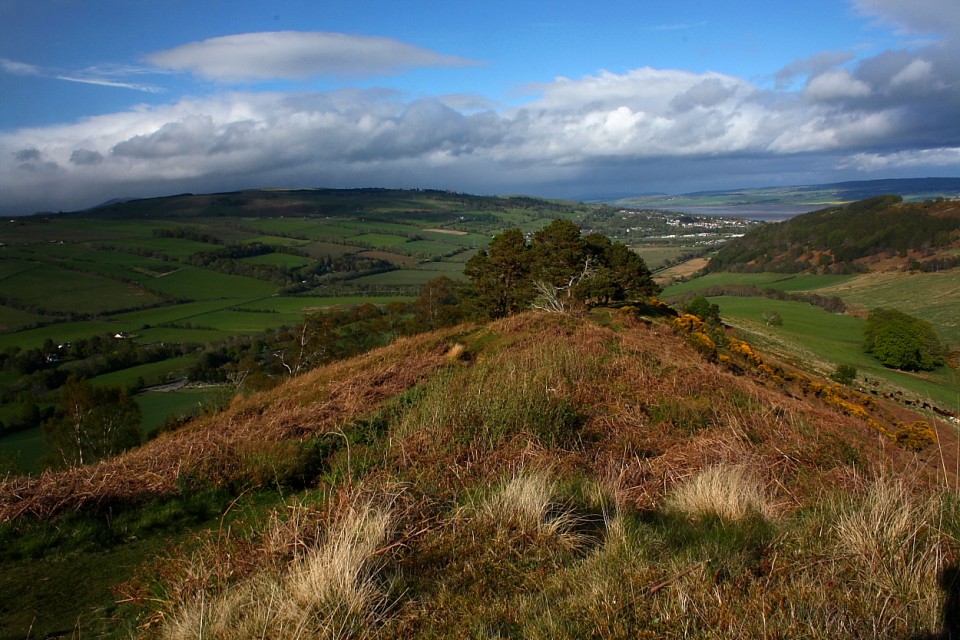
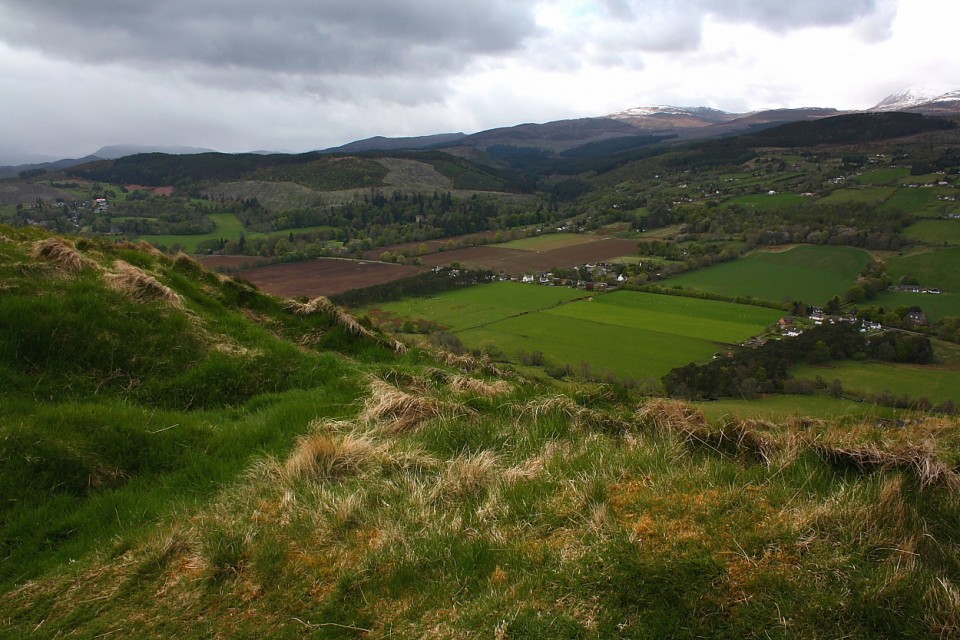
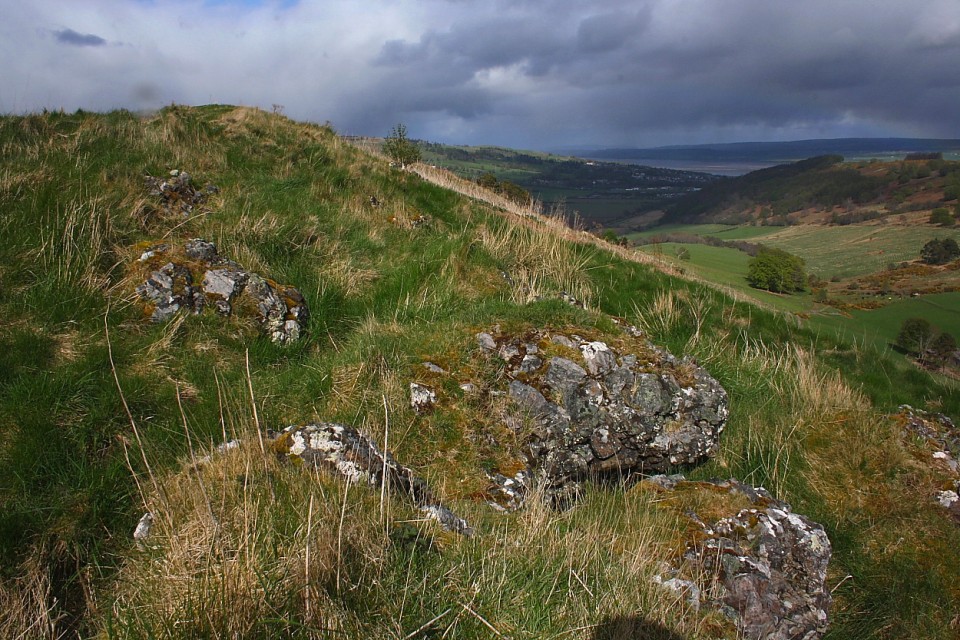
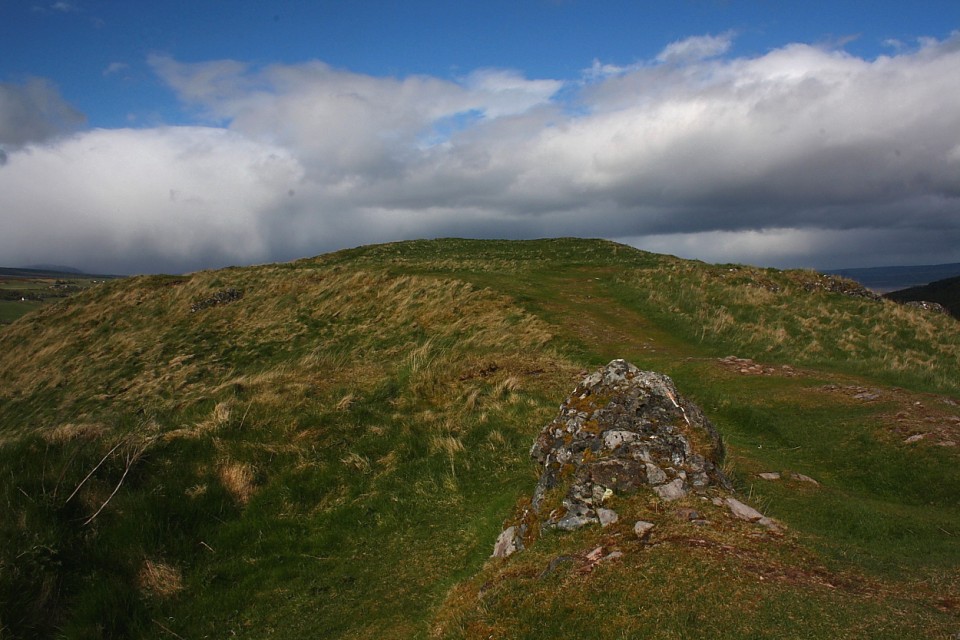
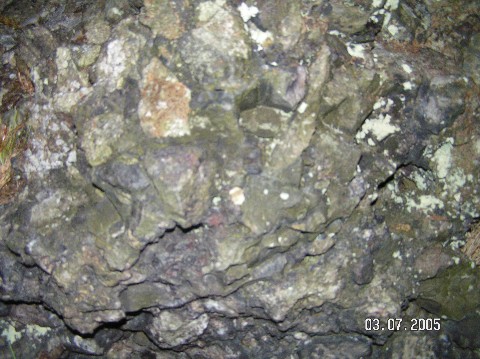
| Vitrified Hill fort with its molten rock formation and the aroma of early July wild flowers and ringlet butterflies flying in the humid air and between rain showers - this site has all round stunning views. Including Cromarty Firth. |
Posted by Hornby Porky 2nd July 2022ce |
|
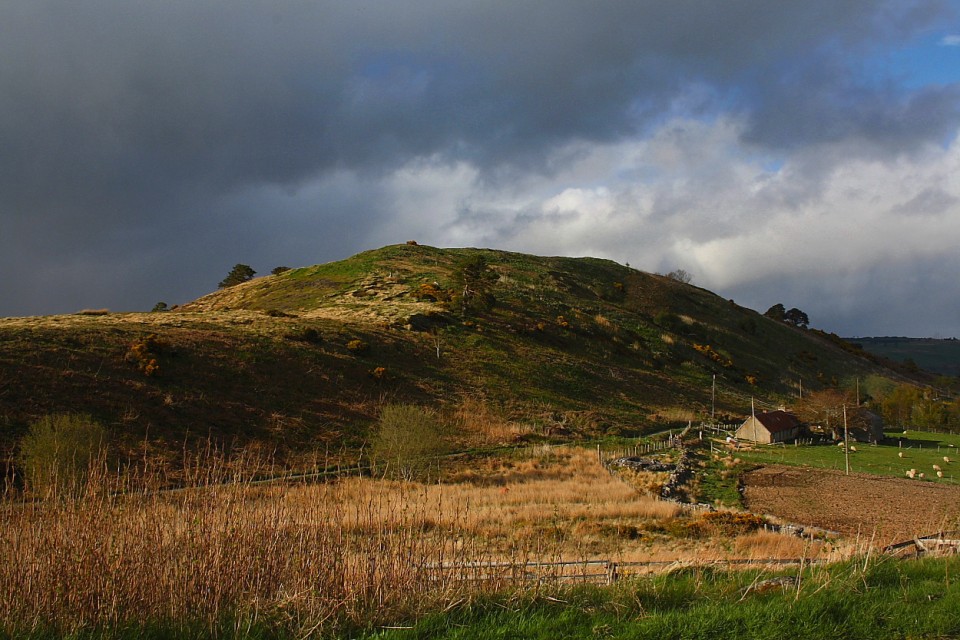
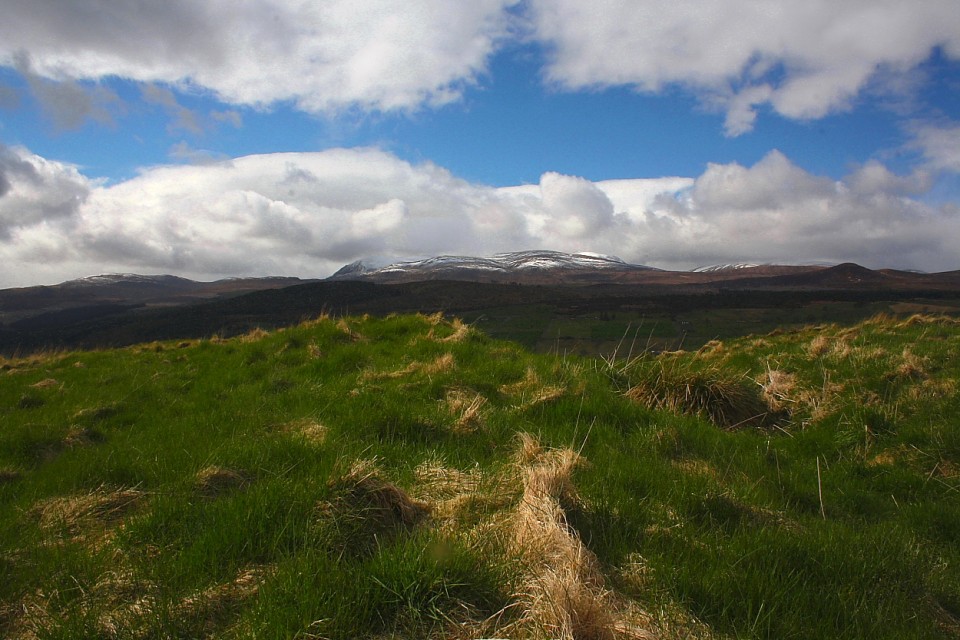
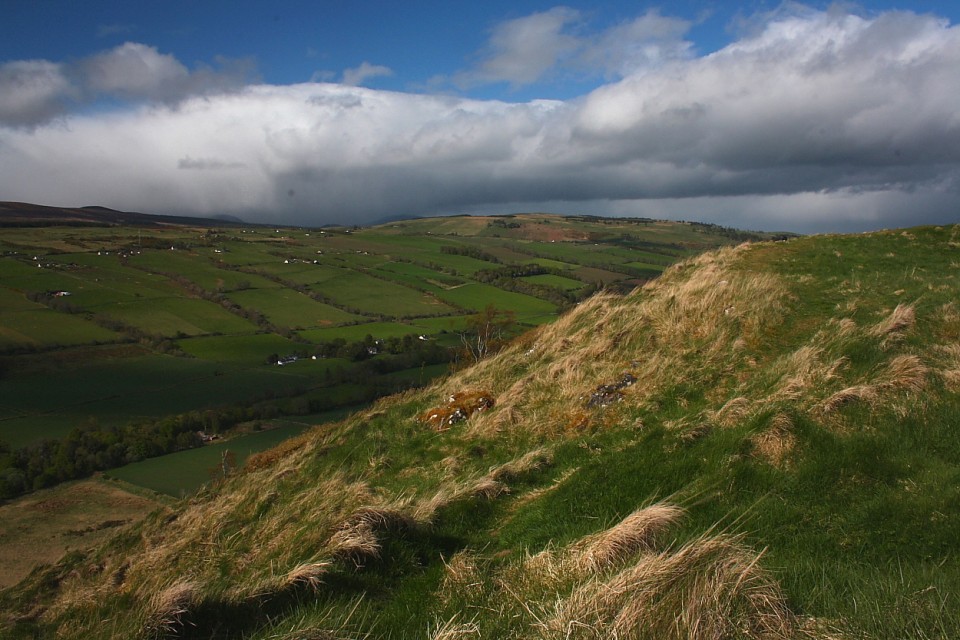
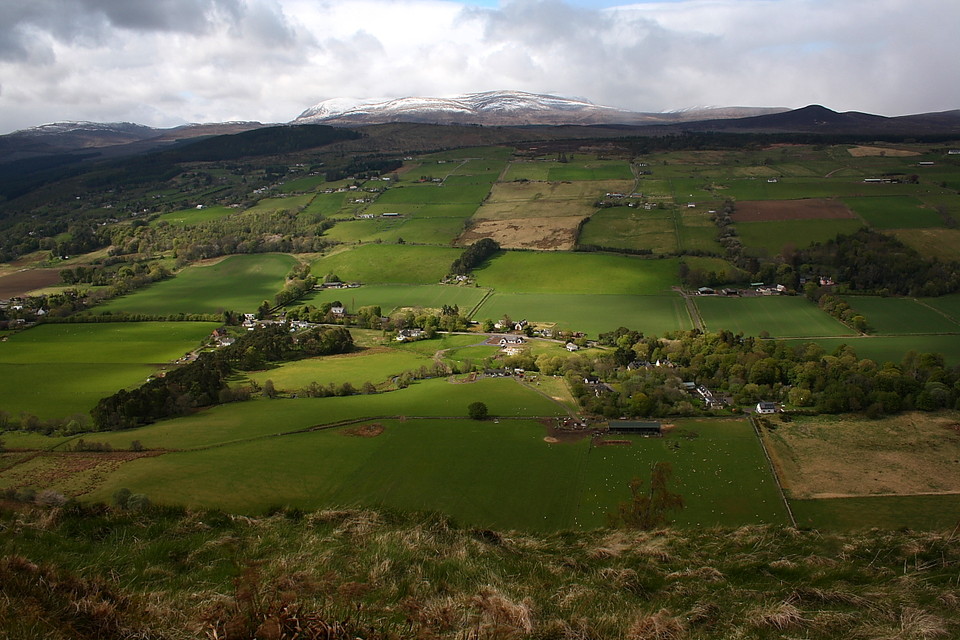
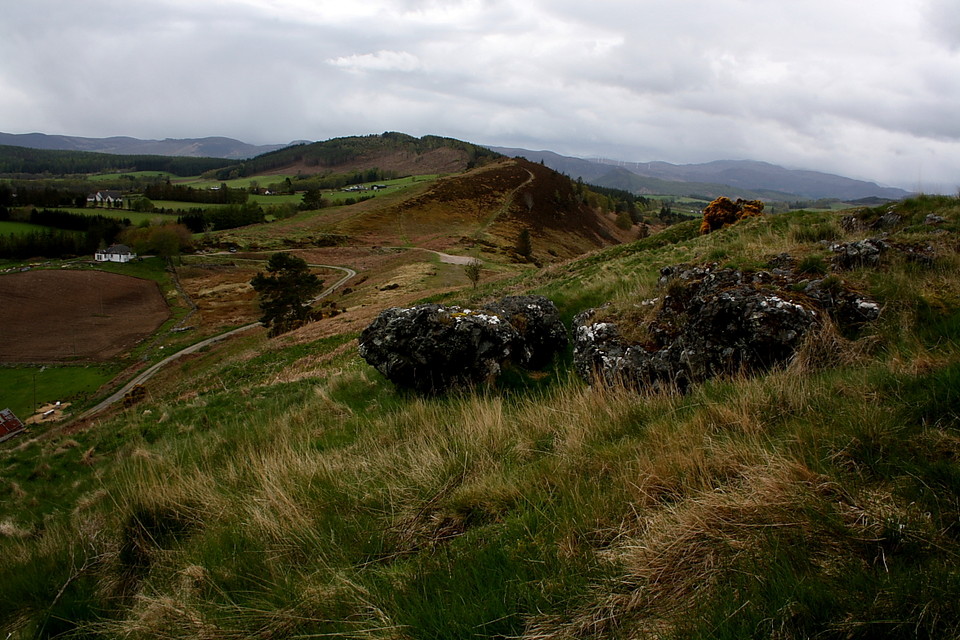
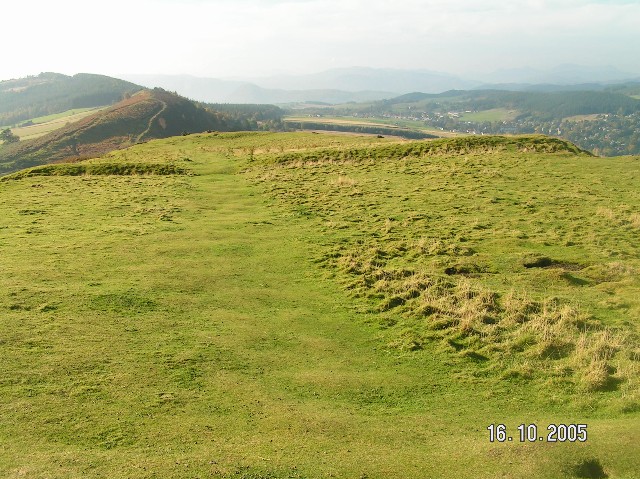
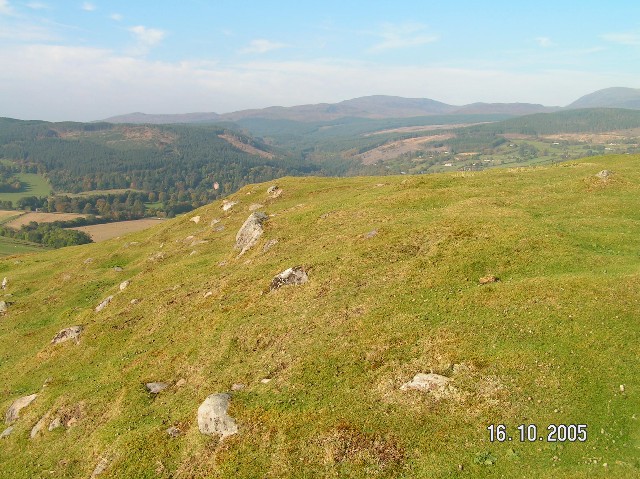
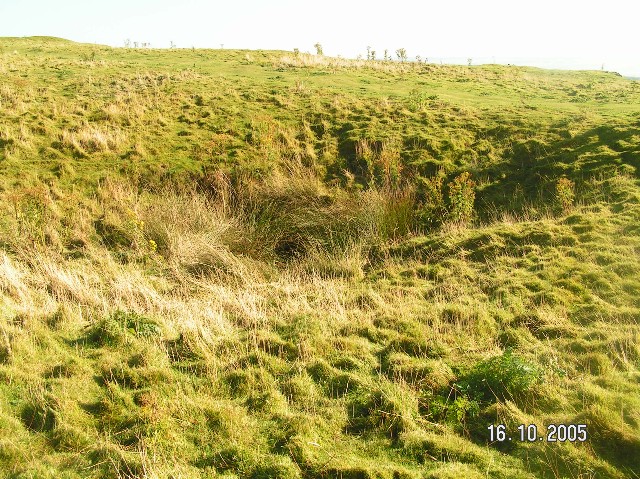
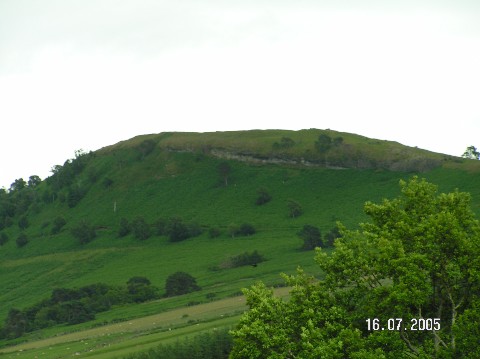
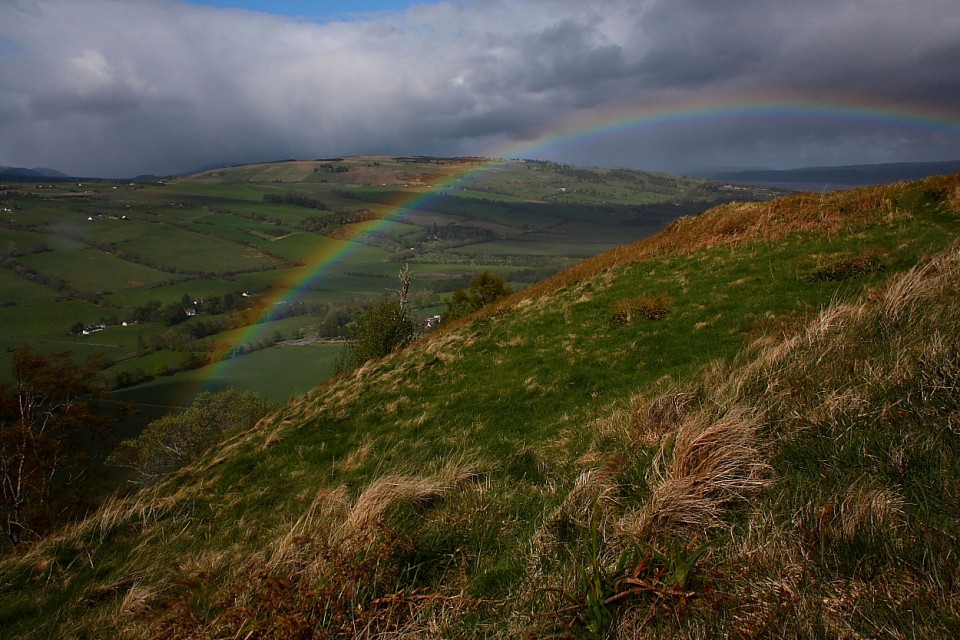
What new madness is this? A Scottish site I'd actually heard of before donning the boots this time around! OK, that's not strictly true since it appears the hill fort is referred to locally as 'Knock Farril'.... but I'm assuming it's probably pronounced more or less the same. Correct me if I'm wrong. Regardless of nomenclature, it's certainly a good 'un requiring precious little introduction - thankfully - to the hardened Scottish 'hill Head', not only due to the fine location, straddling a narrow NE-SW ridge approx midway between the spa-town of Strathpeffer and Dingwall (the latter upon the shore of Cromarty Firth looking across to those curiously alien oil platforms), but because of the extensive vitrification of the defences. Ah, 'vitrification', that seemingly almost mystical process whereby dry stone walls of hill forts, most particularly in Scotland, were subjected to severe, uniform heat - aka fire - causing the stone to fuse to a hard glass-like substance. Or something like that. The reasoning behind such acts has, not surprisingly, been the subject of much academic debate... for what it's worth I favour the 'ritualistic decommissioning' option at time of typing. So that's that settled, then. The hill fort towers impressively above the aforementioned Strathpeffer, which incidentally possesses a Pictish Clach Tiompan, or 'sounding stone'. Needless to say, however, I approach from Loch Ussie to the south, a rough track actually allowing visitors to park upon the ridge to SW, if they so wish. In my ignorance I leave the car a little further down beside the farm house and make my way on foot... in retrospect it is more appropriate, I think. The ascent to the 'fort is quite steep, passing a vitrified outwork described by Canmore as a 'look-out post'; there is another to the NE of the main enclosure, so my interpretation is they might have also functioned as 'barbicans' protecting the main approaches from sudden assault? There is certainly quite a substantial volume of vitrified rock remaining in situ from what must have been a very powerful univallate defence in its day (Canmore gives an average of c4.5m for wall thickness). Interestingly.... Anna and Graham Ritchie (Oxford Archaeological Guide to Scotland) cite Knock Farril as being the location of the earliest recorded excavation in Scotland during 1774, the dig resulting in the trio of 'distinct troughs' to be seen. More interesting still, perhaps, they also state that analysis of the vitrified rock yielded a destruction date of c1,100 BCE. Blimey, that is early, is it not? As I wander around taking in the fabulous views, special mention accorded the vistas looking eastward toward Cromarty Firth and north to Ben Wyvis, Auld Alba decides to add a primeval vibe by introducing fast moving fronts of violent hail, tempered by exquisitely sublime rainbows. Just to make the visit to this wondrous hill fort even more memorable, you understand, and not to give me a randomly generated kicking. Thank you Mam. Incidentally I learn later that my nephew's little girl, Evelyn, upon seeing a rainbow at home in South Wales asked the Mam C whether she could 'go for a ride on it', or words to that effect. You know, up here on Knock Farril, I think I know what she meant. Never lose the child inside, my friends. Never! |
 Posted by GLADMAN
9th July 2013ce Edited 11th July 2013ce |
|
This vitrified fort is between Strathpeffer and Dingwall. It's one of the four hillforts with direct line of sight to Craig Phadraig hillfort above Inverness. It also has direct line of sight to Ord Hill hillfort, North Kessock. |
Posted by Lianachan 12th September 2005ce Edited 2nd May 2006ce |
Folklore |
Add folklore |
|
Strathpeffer Biography What of the signs of burning on the fort walls? From these arose the tale of how the giants went a-hunting to Nigg accompanied by their dogs, of which Finn’s favourites were Bran and Sgeolan (pronounced Scolaing). Garry, a dwarf (only 15 feet tall), was left in charge at the fort, much to his annoyance. He gave vent to his displeasure by storming at the women, and then, going outside, stretched himself on the grass and fell asleep. The women took advantage of the opportunity to peg the plaits of his hair to the ground so effectively that when Garry awoke he nearly scalped himself in trying to pull himself free. Now in a furious temper, he barricaded the women and children indoors and burned the fortress down. From afar the warriors saw the blaze and vaulted home on their spears. They caught the fleeing Garry and offered him the choice of death. The vindictive dwarf-giant chose beheading with his neck on Finn’s knees. Needless to say the ensuing blow not only killed Garry but mortally wounded Finn. So the desolate giants, bereft of wives, offspring and leader, realised that their rule had come to an end and decided to depart. Bearing the body of the mighty Finn to the Craigiehowe Cave at the mouth of Munlochy Bay, they entered, laid down their burden reverently, arranged themselves around and fell asleep. . . Centuries passed. Then one day a shepherd chanced on the cave and, going inside, saw before him the giants and their hounds stretched out in all their barbaric grandeur. Above the door there hung a hunting horn which he tentatively took down and put to his lips. As he blew he noted with alarm that the giants’ eyes were now open but as otherwise they did not stir he risked a second blast upon the horn. With this the giants sat up resting on their left elbows. Unnerved, the shepherd fled with the anguished cry of the only half-liberated sleepers ringing in his ears: ‘Dhuine dhon dh’fhag thu sinn na’ s moisa na fhuair thu sinn.’ (‘Wretch, you have left us worse than you found us!’) An interesting feature of this tale is that while in Irish legend Finn’s life is terminated at the ford of Brea (Bray), in the Highland Scottish version this event takes place on the hill above the Brae Fiord or, as it is now known, the Cromarty Firth. |
Posted by drewbhoy 27th October 2022ce |

There is a tradition of this part of the country which seems not a great deal more modern than the urns or their ornaments, and which bears the character of the savage nearly as distinctly impressed on it. On the summit of Knock-Ferril, a steep hill which rises a few miles to the west of Dingwall, there are the remains of one of those vitrified forts which so puzzle and interest the antiquary; and which was originally constructed, says tradition, by a gigantic tribe of Fions, for the protection of their wives and children, when they themselves were engaged in hunting.From 'Scenes and legends of the north of Scotland, or The traditional history of Cromarty,' by Hugh Miller (1835). |
 Posted by Rhiannon
11th November 2011ce Edited 11th November 2011ce |
On the summit of the hill we met two boys herding cows [...and] we were curious enough to ask them if they ever heard of Coinneach Odhar [the Brahan Seer] in the district, and if he ever said anything regarding the fort on Knockfarrel. They took us to what they called "Fingal's Well," in the interior of the ruined fort, and said that this well was used by the inhabitants of the fortress "until Fingal, one day, drove them out, and placed a large stone over the well, which has ever since kept the water from oozing up, after which he jumped to the other side of the (Strathpeffer) valley."From 'The Prophecies of the Brahan Seer' by Alexander Mackenzie (1877). |
Posted by Rhiannon 21st December 2010ce Edited 21st December 2010ce |
The vitrified fort on Knock-Farril, in Ross-shire, is said to have been one of Fin McCoul's castles;[32] and Knock-Farril, or rather "a knoll opposite Knock-Farril" is remembered as the abode of the Fairies of that district.[33]From 'Fians, Fairies and Picts', by David MacRitchie, 1893. The book is online at Project Gutenberg http://www.gutenberg.org/files/17926/17926-h/17926-h.htm#Footnote_32_32 |
Posted by Rhiannon 10th July 2006ce |
 Top of page