|
 Log in |
Register Log in |
Register
|

|
|

County DownCounty
|
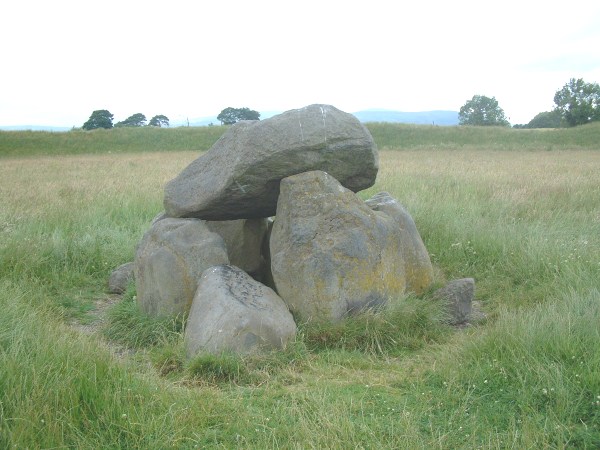


 Show |
 |
|
|
Sites/Groups in this region:
|
8 posts
Annadorn Passage Grave |
2 posts
Ardtole Chambered Tomb |
11 posts
Audleystown Court Tomb |
|
Ballintur
Cairn(s)
|
Ballyalton
Court Tomb
|
Ballyedmond Cairn
Cairn(s)
|
|
1 post
Ballynahatty Stone Standing Stone / Menhir |
56 posts
Ballynoe Stone Circle |
2 posts
Ballyrogan Giant's Grave Chambered Cairn |
|
1 post
Ballystokes Cup and Ring Marks / Rock Art |
Ballyveaghbeg
Chambered Cairn
|
4 posts
Barnmeen Standing Stone / Menhir |
|
6 posts
Burren Cist |
2 posts
Carnadranna Cairn(s) |
3 posts
Carnanbane Court Tomb |
|
Carnbane
Cairn(s)
|
Carn Hill
Cairn(s)
|
Carn Mountain
Cairn(s)
|
|
2 posts
Carrownacan Standing Stone / Menhir |
Chapeltown
Bullaun Stone
|
2 posts
Churchtown Cup and Ring Marks / Rock Art |
|
4 posts
Coolnacran Chambered Tomb |
3 posts
Crobane Standing Stone / Menhir |
8 posts
Drumena Stone Fort / Dun |
|
2 posts
Drummiller Standing Stone / Menhir |
3 posts
Drumnahare Standing Stone / Menhir |
7 posts
Dunnaman Chambered Tomb |
|
6 posts
Finnis Souterrain |
36 posts
1 site The Giant's Ring Passage Grave |
20 posts
Goward Portal Tomb |
|
Goward
Chambered Tomb
|
1 post
Goward Cairn Cairn(s) |
6 posts
Goward Chamber Cairn Chambered Cairn |
|
8 posts
Greengraves Portal Tomb |
13 posts
Kilfeaghan Portal Tomb |
9 posts
Kilkeel Portal Tomb |
|
The King's Grave, Tollymore Pk
Cairn(s)
|
6 posts
Knockiveagh Cairn(s) |
3 posts
Knockshee Cairn(s) |
|
22 posts
Legananny Portal Tomb |
5 posts
The Long Stone Standing Stone / Menhir |
1 post
Loughanhatten Dolmen / Quoit / Cromlech |
|
4 posts
Loughmoney Dolmen / Quoit / Cromlech |
4 posts
Mayo 1 Standing Stone / Menhir |
5 posts
Mayo 2 Standing Stone / Menhir |
|
6 posts
Millin Bay Cairn(s) |
Moneyslane
Standing Stones
|
1 post
The Mother Church of Mourne Christianised Site |
|
5 posts
Moyad Court Tomb |
Mullaghmore
Stone Circle
|
1 post
Murphy's Fort, Mullaghmore Hillfort |
|
Portavoe
Standing Stone / Menhir
|
6 posts
Rostrevor Standing Stone Standing Stone / Menhir |
2 posts
Rush's Cove Chambered Cairn |
|
2 sites
Saval More |
Slieveemartin Cairn
Cairn(s)
|
Slievenagriddle (The Giant's Griddle)
Burial Chamber
|
|
6 posts
Slieve Commedagh Cairn(s) |
6 posts
Slieve Croob Cairn(s) |
8 posts
Slieve Donard Lesser Cairn Cairn(s) |
|
9 posts
Summit of Slieve Donard Cairn(s) |
Tamary Cairns
Cairn(s)
|
Tamnaharry
Standing Stone / Menhir
|
|
The Three Sisters
Stone Row / Alignment
|
4 posts
Warrenpoint Standing Stone Standing Stone / Menhir |
9 posts
Wateresk Dolmen Portal Tomb |
|
6 posts
Wateresk Standing Stone Standing Stone / Menhir |
News |
 Add news Add news |
Save Knock Iveagh!We all want to believe that the places and heritage we love will be protected by somebody else for our children to enjoy. Some really important places in the UK benefit from protection by law and are supposed to be kept safe by our government bodies for the benefit of everyone... continues... |
 Posted by ryaner
16th October 2017ce |

|
The forgotten Mound of Down This is interesting - may be prehistoric, possibly not. http://www.bbc.co.uk/news/uk-northern-ireland-16757999 |
 Posted by tjj
29th January 2012ce Edited 29th January 2012ce |
Neolithic homes unearthed at roadsidehttp://news.bbc.co.uk/2/hi/uk_news/northern_ireland/3613882.stm A Bronze Age cemetery is one of a number of prehistoric settlements that have been discovered in County Down... continues... |
Posted by BrigantesNation 1st September 2004ce Edited 1st September 2004ce |
Latest posts for County Down |
Showing 1-10 of 335 posts. Most recent first | Next 10 
Mayo 2 (Standing Stone / Menhir) — Images (click to view fullsize) |
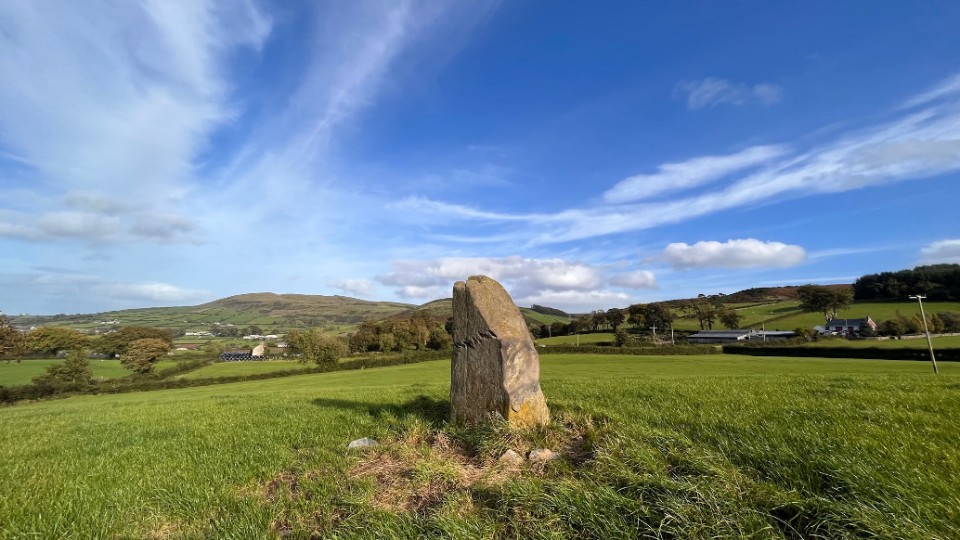 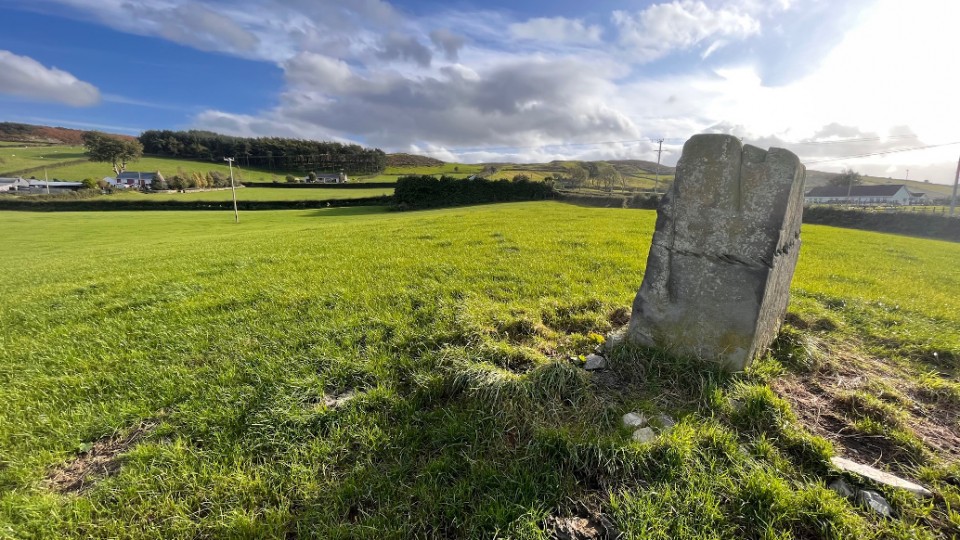 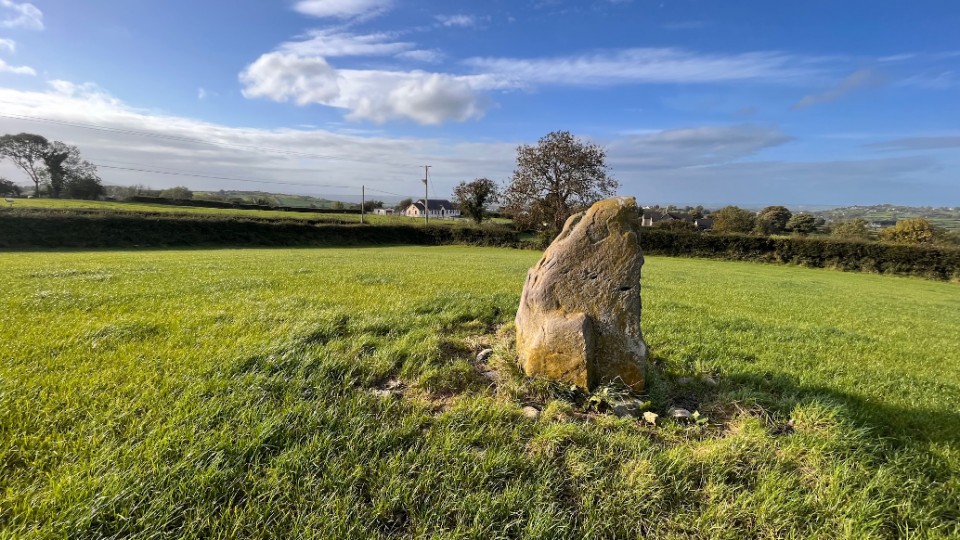 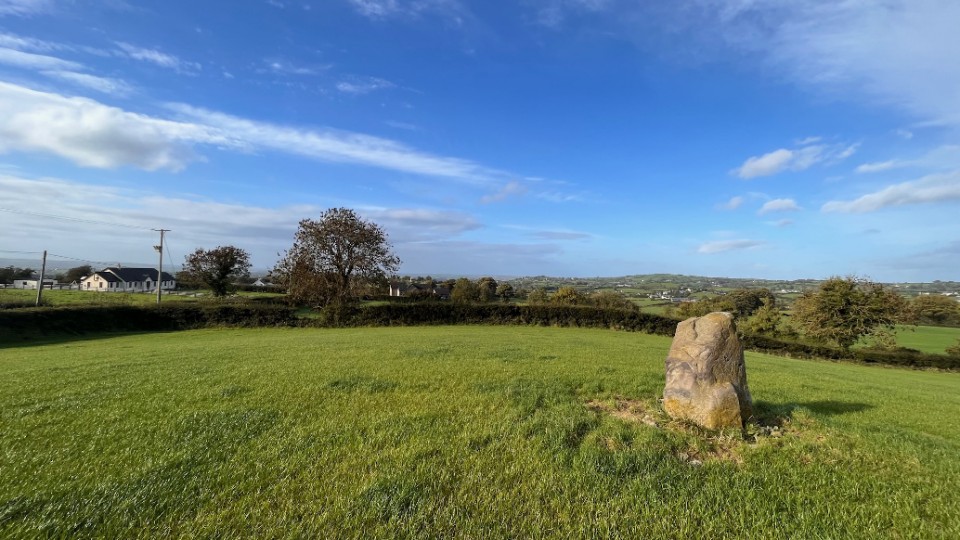 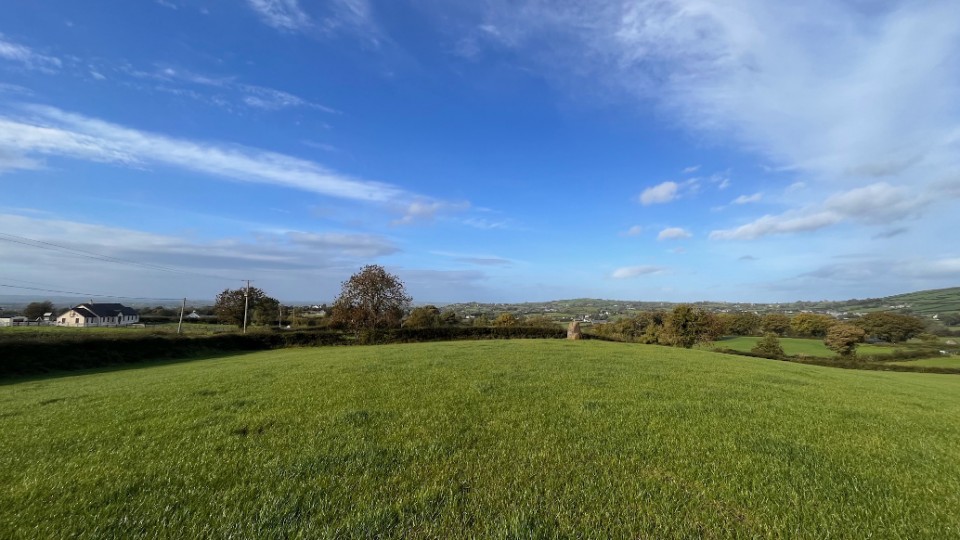
|
Posted by ryaner 28th September 2023ce |
Mayo 1 (Standing Stone / Menhir) — Images |
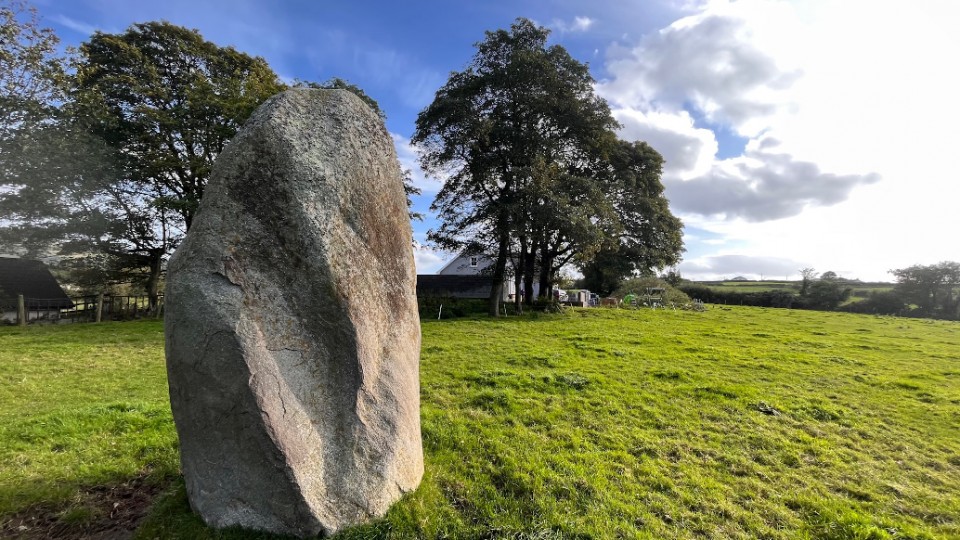 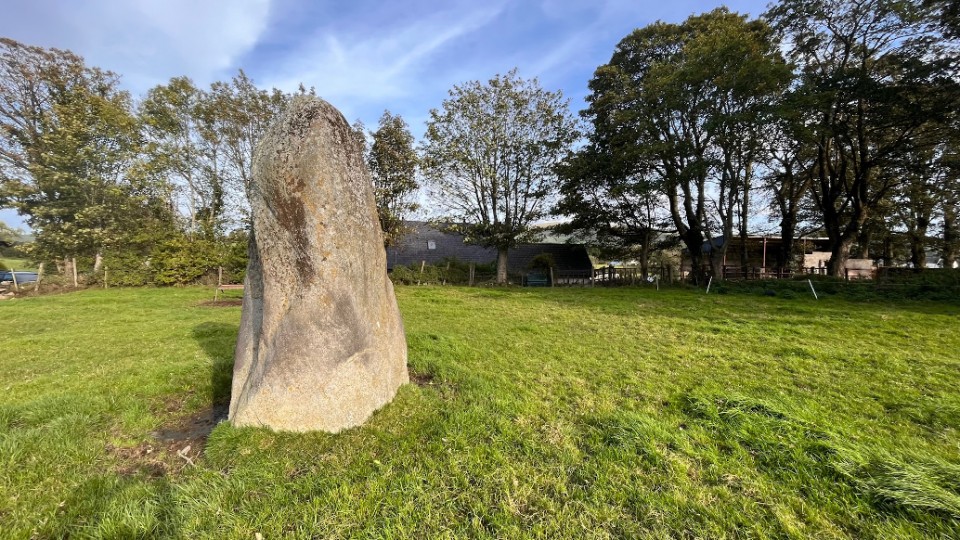 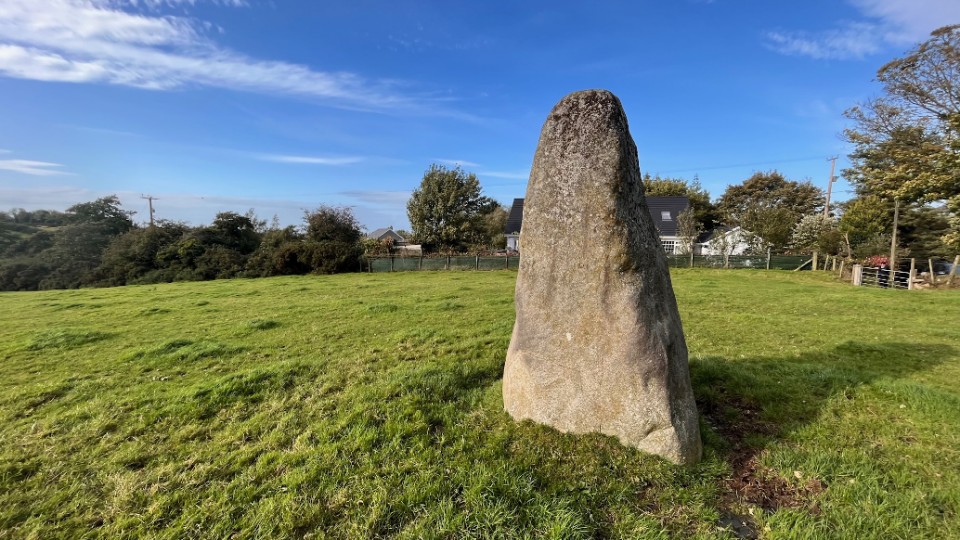 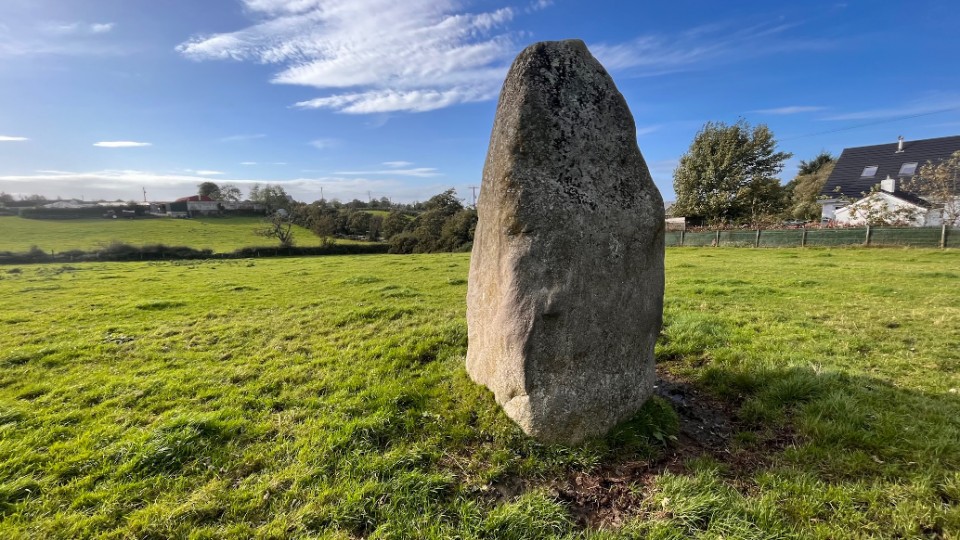
|
Posted by ryaner 27th September 2023ce |
Slieve Croob (Cairn(s)) — Images |
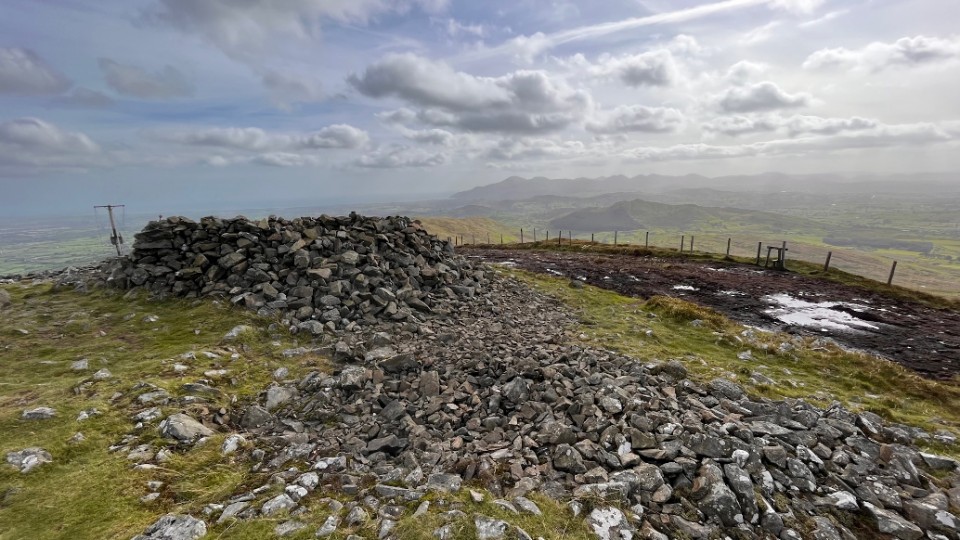
|
Posted by ryaner 27th September 2023ce |
Showing 1-10 of 335 posts. Most recent first | Next 10
 Top of page