|
 Log in |
Register Log in |
Register
|

|
County ClareCounty
|


 3 discussion topics


 Show |
 |
|
|
Sites/groups in County Clare:
|
Ardataggle
Wedge Tomb
|
Ardskeagh
Wedge Tomb
|
2 sites
Ballycroum |
|
10 posts
Ballyhickey Wedge Tomb |
Ballykelly
Wedge Tomb
|
7 posts
Ballymihil Wedge Tomb |
|
Ballynastaig
Wedge Tomb
|
2 posts
Ballytarsna Artificial Mound |
6 posts
Barbane Wedge Tomb |
|
2 posts
The Bargaining Stone - Inishcealtra Natural Rock Feature |
Bealkelly
Wedge Tomb
|
1 post
Bohateh North Chambered Tomb |
|
7 posts
75 sites The Burren |
4 posts
Caher Dolmen / Quoit / Cromlech |
3 posts
Cahermore Stone Fort / Dun |
|
8 posts
Caherphuca Wedge Tomb |
6 posts
Cappaghbaun Mountain Wedge Tomb |
1 post
Cappaghkennedy Wedge Tomb |
|
7 posts
Clooney Stone Row / Alignment |
4 posts
Cloongaheen West Wedge Tomb |
4 posts
Cloonyconry More Wedge Tomb |
|
4 posts
Coolbaun Portal Tomb |
3 posts
Coolnatullagh Wedge Tomb |
1 post
1 site Corbehagh Cup and Ring Marks / Rock Art |
|
8 posts
Corbehagh Wedge Tomb |
1 post
1 site Corbehagh South Wedge Tomb |
5 posts
3 sites Craggaunowen Portal Tomb |
|
3 posts
Craglea Natural Rock Feature |
Crannagh
Portal Tomb
|
2 posts
Craughaun Cemetery Wedge Tomb |
|
4 posts
Curraghadoo Cairn(s) |
3 posts
2 sites Doolin Round Barrow(s) |
2 posts
Doolin Stone Axe Production Site Ancient Mine / Quarry |
|
1 post
Doonmeave Promontory Fort |
Drummin
Wedge Tomb
|
Fahy
Wedge Tomb
|
|
7 posts
Formoyle More West Wedge Tomb |
6 posts
1 site Iniscaltra Christianised Site |
1 post
Kilcarroll Rath |
|
4 posts
Killaloe Standing Stone / Menhir |
2 posts
Killian Bullaun Stone |
5 posts
Killokennedy Wedge Tomb |
|
10 posts
Knappogue Standing Stones |
5 posts
Knappogue N Standing Stone / Menhir |
5 posts
Knockshanvo Wedge Tomb |
|
2 posts
Knockstoolery Standing Stone / Menhir |
2 posts
1 site Magh Adhair Artificial Mound |
10 posts
Milltown Wedge Tomb |
|
15 posts
Mooghaun Hillfort |
10 posts
Moyree Commons Portal Tomb |
12 posts
Newgrove Wedge Tomb |
|
4 posts
Rosslara Wedge Tomb |
11 posts
Teergonean Court Tomb |
7 posts
1 site Tyredagh Lower Standing Stone / Menhir |
|
Violethill
Wedge Tomb
|
News |
 Add news Add news |
6,000 year old Tsunami in Ireland?Archeologists have uncovered evidence of pre-farming people living in the Burren more than 6,000 years ago — one of the oldest habitations ever unearthed in Ireland... continues... |
 Posted by mascot
10th May 2012ce Edited 11th May 2012ce |
Folklore |
Add folklore |
(As usual when it comes to Ireland I am being a bit pathetic with pinning the stories to locations. But I hope the locations still exist)... Avowedly malignant ceremonies have been performed at two, if not three, places in East Clare. At Carnelly, near Clare Castle, at an unknown period remote even in 1840, "a black cock, without a white feather," was offered to the Devil on the so-called "Druid's Altar," two fallen pillars near an earthen ring beside the avenue, --to avenge the sacrificer on an enemy, but in this case it brought an equivalent misfortune on the sacrificer himself.A Folklore Survey of County Clare (Continued) Thos. J. Westropp Folklore, Vol. 22, No. 1. (Mar. 31, 1911), pp. 49-60. |
 Posted by Rhiannon
7th December 2007ce |

|
Links to lots of folklore at the Clare County Library website (much of which relates to the ancient sites of Clare). http://www.clarelibrary.ie/eolas/coclare/folklore/index.htm |
Posted by Rhiannon 20th June 2006ce |
Links |
Add a link |
A Survey of Monuments in the Barony of Bunratty Lower, Co. ClareA Survey of Monuments of Archaeological and Historical Interest in the Barony of Bunratty Lower, Co. Clare by William Gerrard Ryan This part of the thesis discusses the various types of monuments of archaeological and historical interest that were noted in the Barony of Bunratty Lower, Co. Clare. Each type of site is examined in turn, under the headings: distribution, features, dating and related sites in Ireland. |
 Posted by fitzcoraldo
5th July 2007ce |

Clare County LibraryLinks to information and photos of ancient monuments in the county. |
Posted by Rhiannon 20th June 2006ce |
Clare County LibraryHistorical maps of County Clare. |
Posted by Rhiannon 20th June 2006ce |
Ring-Forts in the Barony of Moyarta, Co. Clare, and Their Legends |
Posted by fitzcoraldo 9th January 2006ce |
Latest posts for County Clare |
Showing 1-10 of 714 posts. Most recent first | Next 10 
Iniscaltra (Christianised Site) — Images (click to view fullsize) |
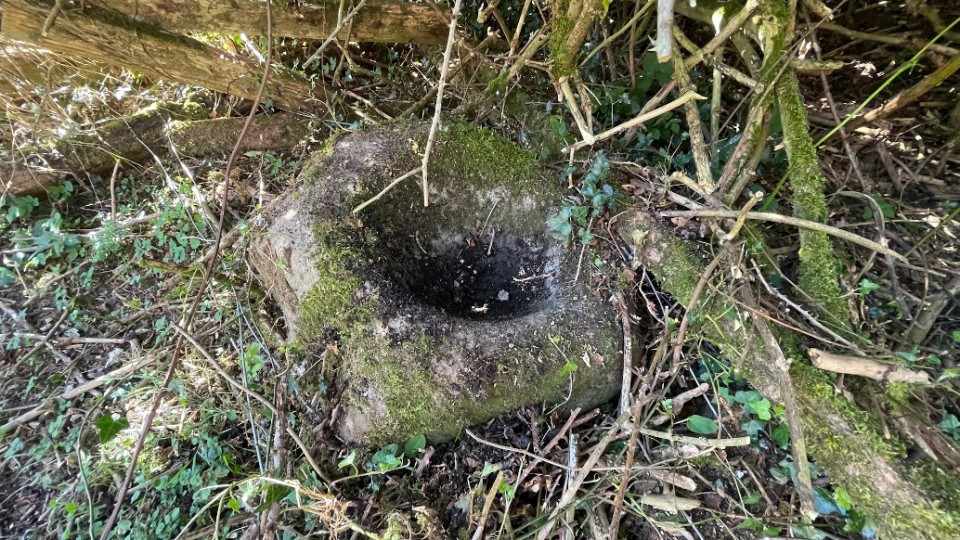 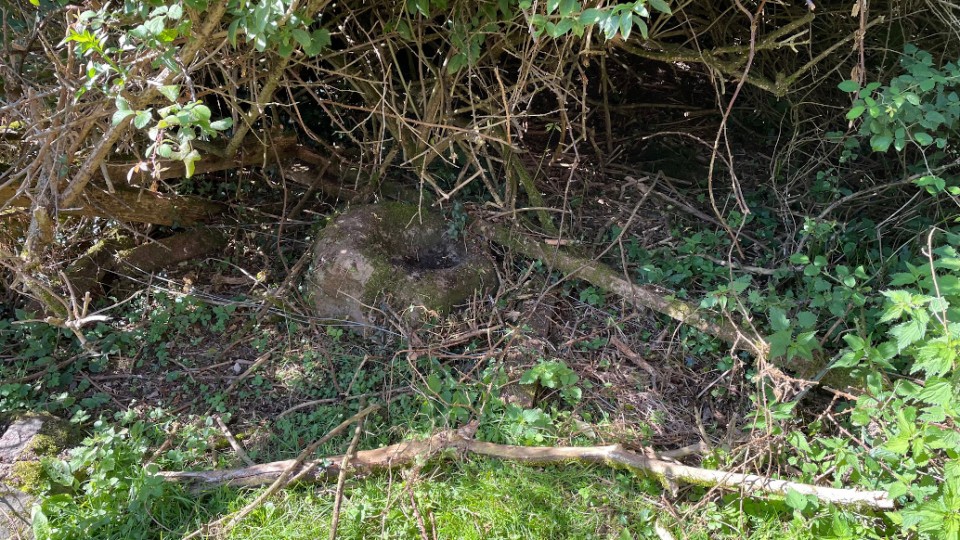 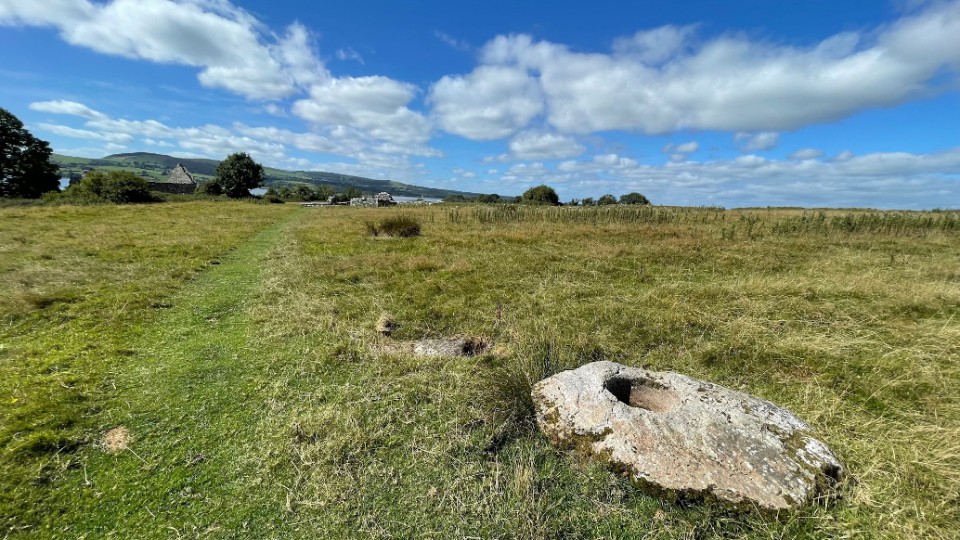 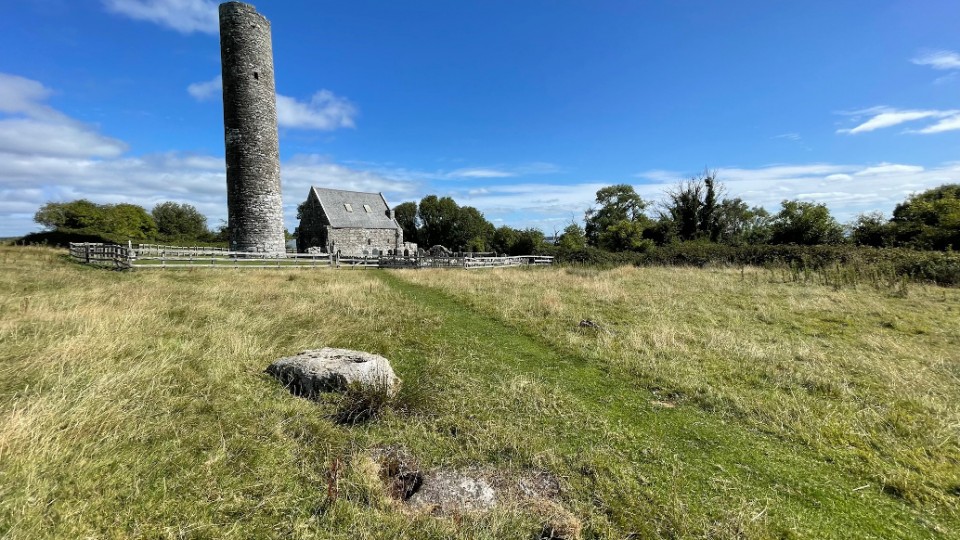
|
 Posted by ryaner
25th August 2022ce |
Cappaghbaun Mountain (Wedge Tomb) — Images |
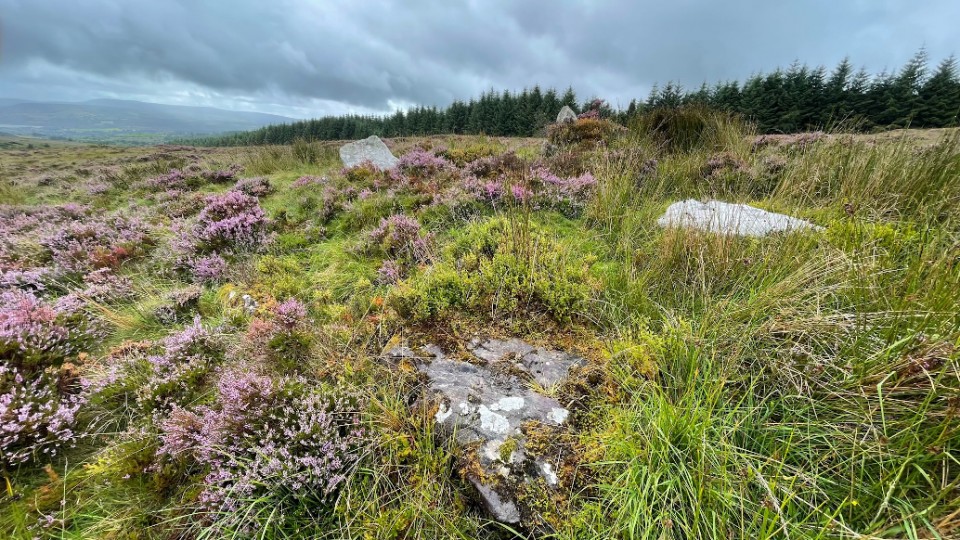 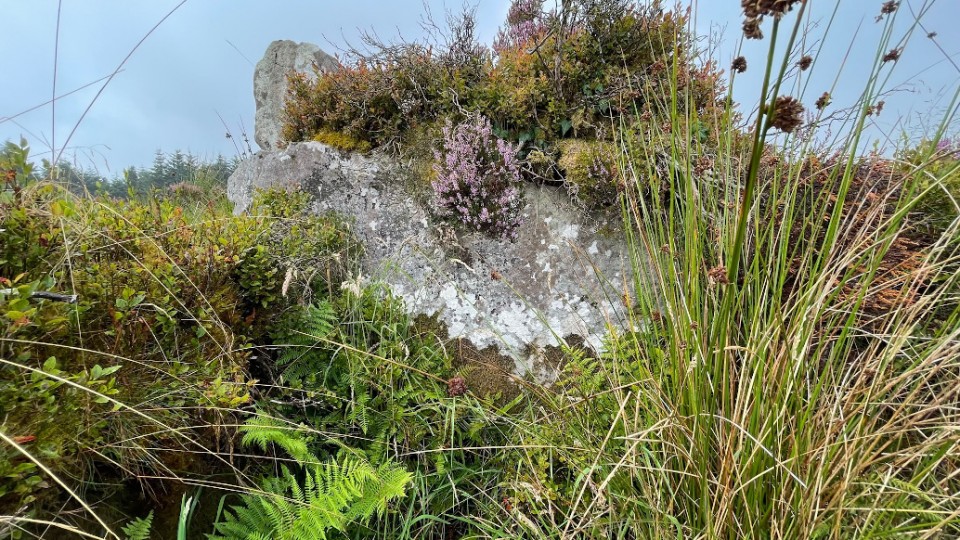 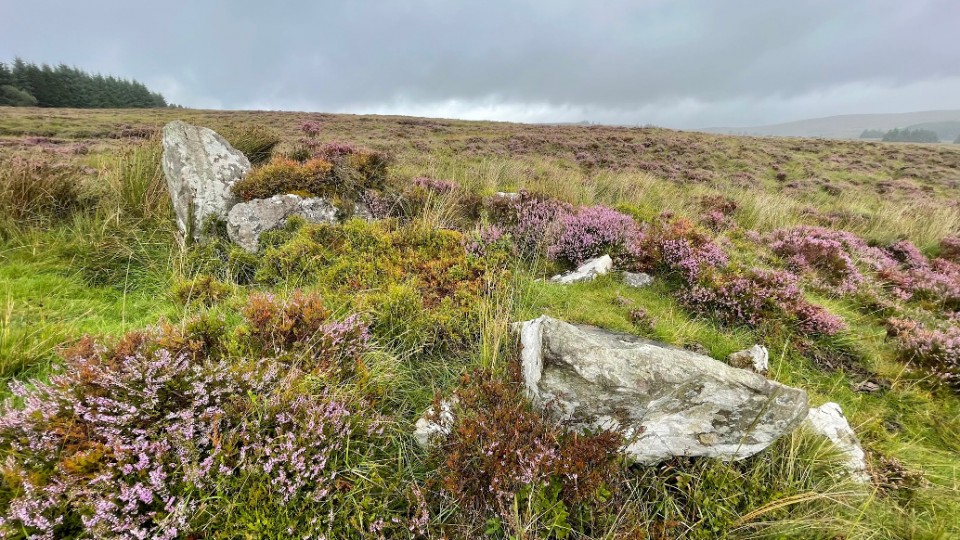 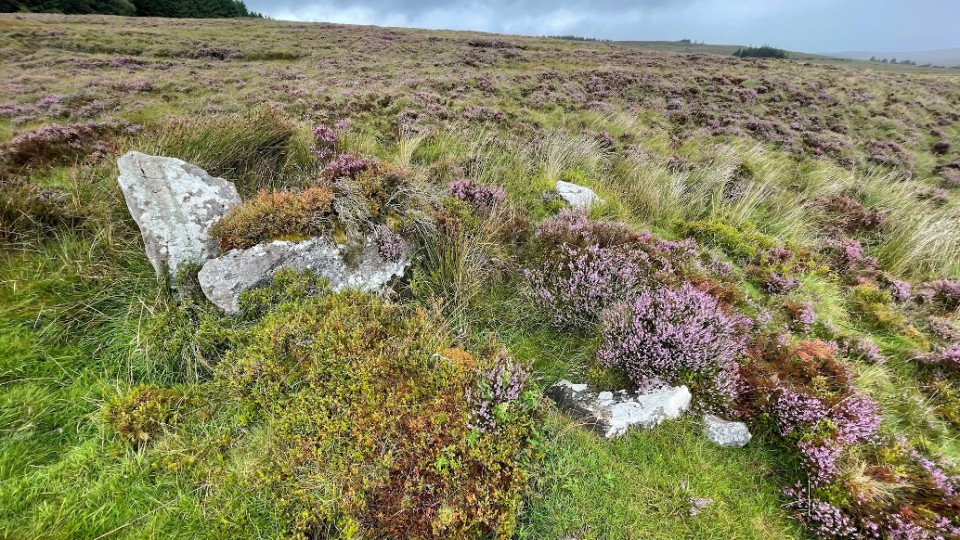 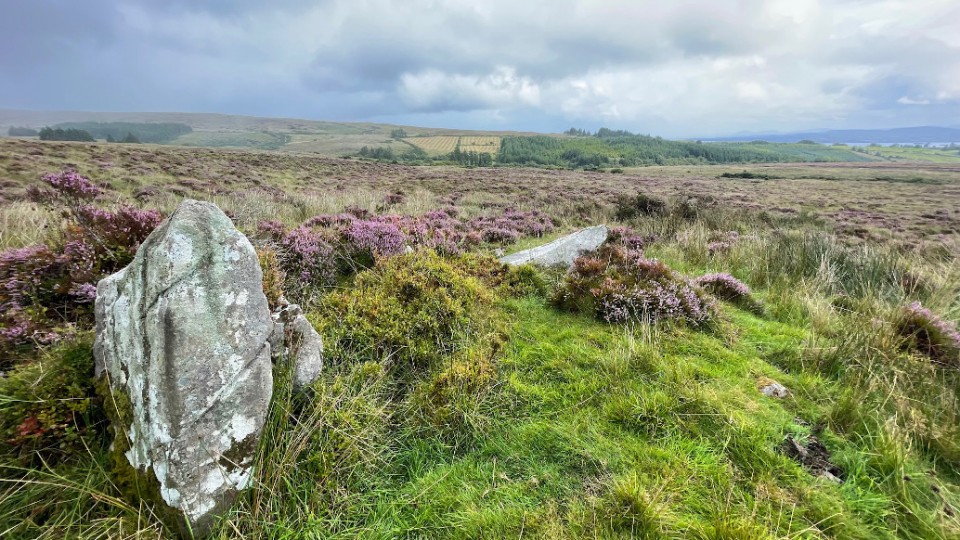 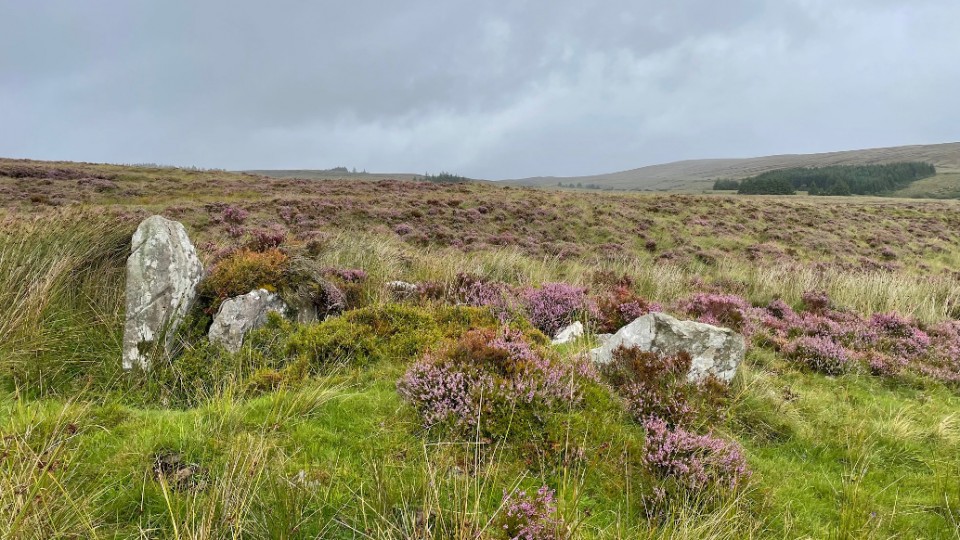
|
Posted by ryaner 20th August 2022ce |
Showing 1-10 of 714 posts. Most recent first | Next 10
 Top of page