The Modern Antiquarian. Ancient Sites, Stone Circles, Neolithic Monuments, Ancient Monuments, Prehistoric Sites, Megalithic Mysteries

Get the TMA Images feed
GLADMAN's Latest Posts

Latest Posts
Previous 50 | Showing 51-100 of 5,683 posts. Most recent first | Next 50

Black Darren (Cairn(s)) — Images (click to view fullsize)

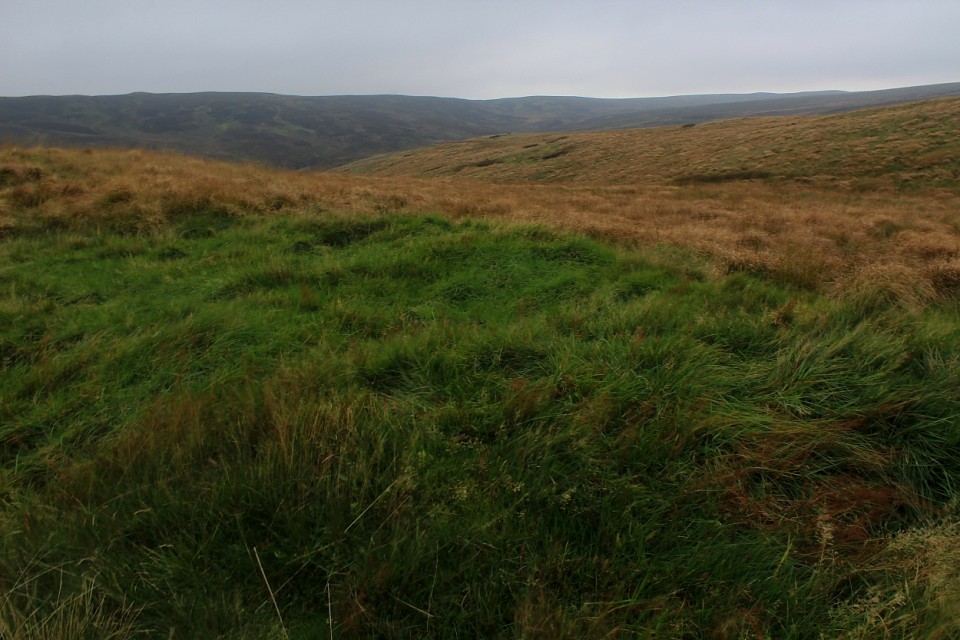
<b>Black Darren</b>Posted by GLADMAN<b>Black Darren</b>Posted by GLADMAN<b>Black Darren</b>Posted by GLADMAN<b>Black Darren</b>Posted by GLADMAN<b>Black Darren</b>Posted by GLADMAN<b>Black Darren</b>Posted by GLADMAN

Pen y Gadair Fawr (Cairn(s)) — Images

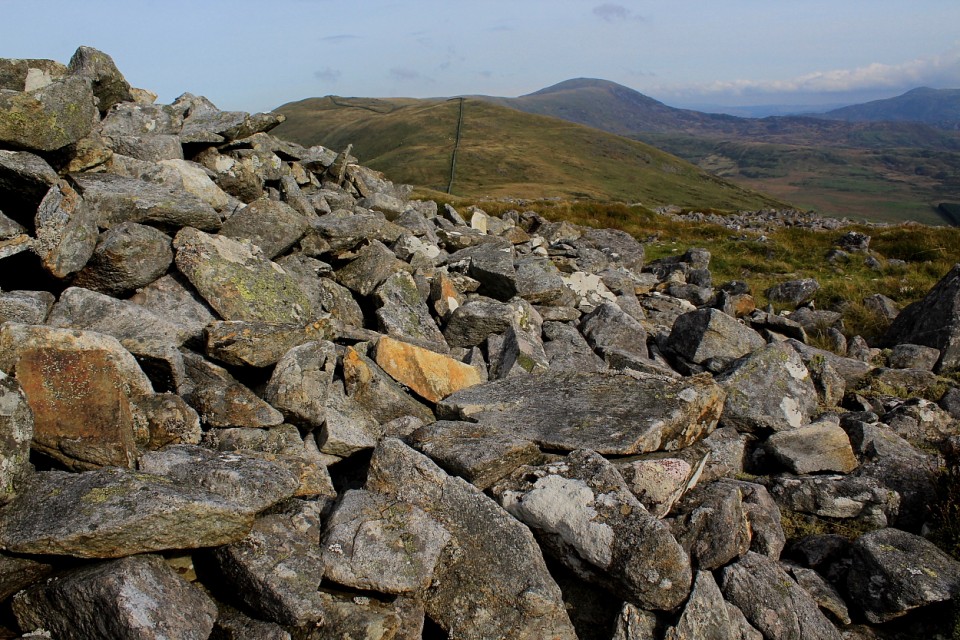
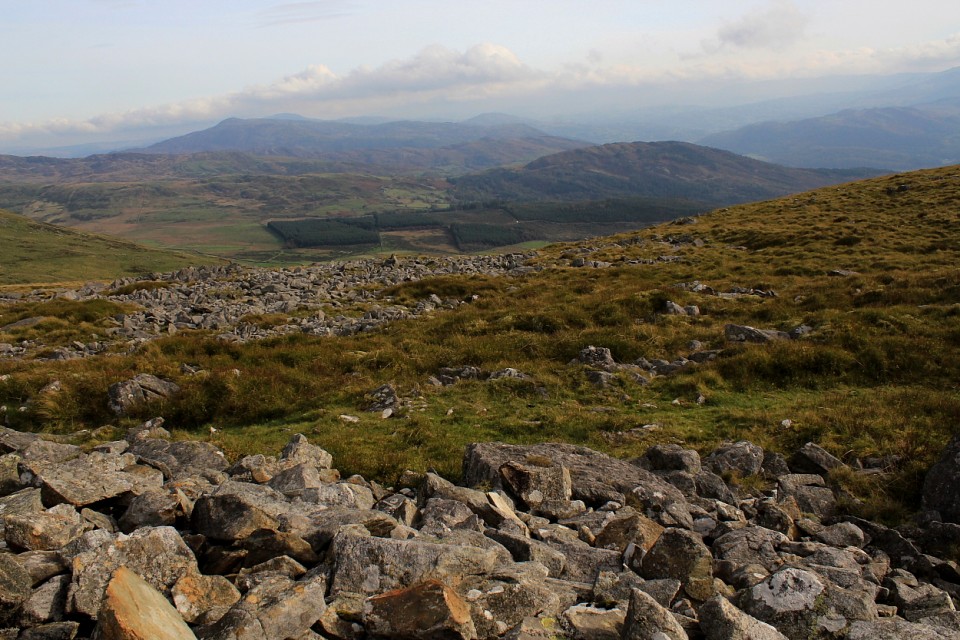
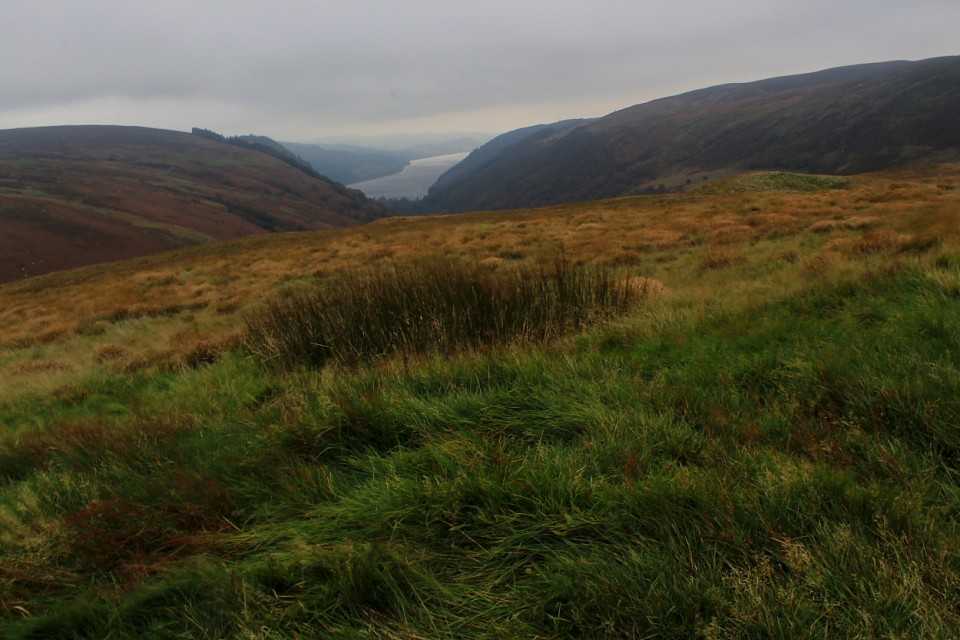
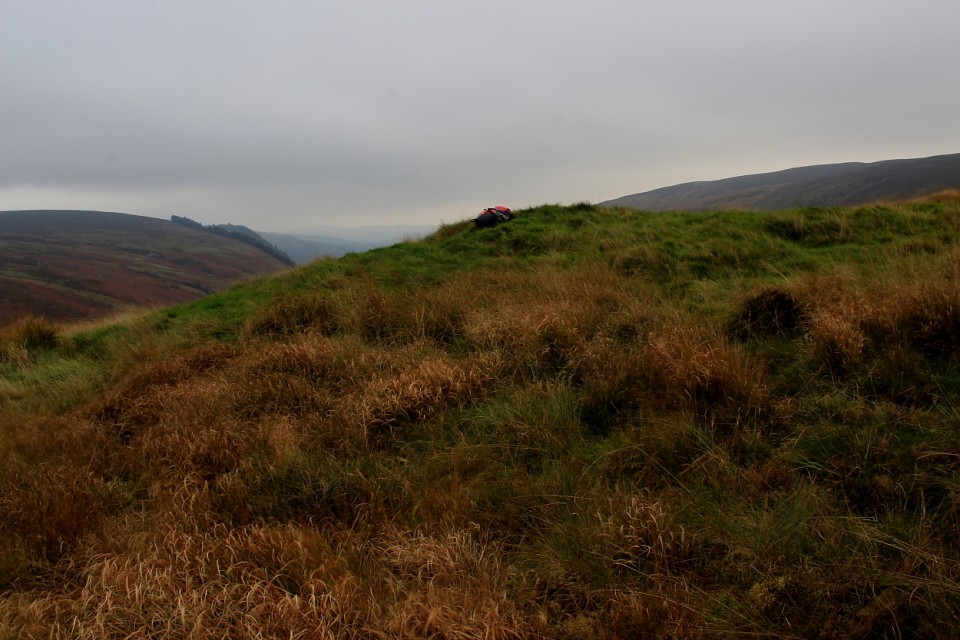
<b>Pen y Gadair Fawr</b>Posted by GLADMAN<b>Pen y Gadair Fawr</b>Posted by GLADMAN<b>Pen y Gadair Fawr</b>Posted by GLADMAN<b>Pen y Gadair Fawr</b>Posted by GLADMAN<b>Pen y Gadair Fawr</b>Posted by GLADMAN<b>Pen y Gadair Fawr</b>Posted by GLADMAN<b>Pen y Gadair Fawr</b>Posted by GLADMAN<b>Pen y Gadair Fawr</b>Posted by GLADMAN<b>Pen y Gadair Fawr</b>Posted by GLADMAN

Maen Llwyd (Twyn Du) (Standing Stone / Menhir) — Images

<b>Maen Llwyd (Twyn Du)</b>Posted by GLADMAN<b>Maen Llwyd (Twyn Du)</b>Posted by GLADMAN<b>Maen Llwyd (Twyn Du)</b>Posted by GLADMAN<b>Maen Llwyd (Twyn Du)</b>Posted by GLADMAN<b>Maen Llwyd (Twyn Du)</b>Posted by GLADMAN<b>Maen Llwyd (Twyn Du)</b>Posted by GLADMAN<b>Maen Llwyd (Twyn Du)</b>Posted by GLADMAN<b>Maen Llwyd (Twyn Du)</b>Posted by GLADMAN

Merlin's Hill (Hillfort) — Fieldnotes

After almost (but not quite) making it to Dinas Emrys last October - actually ending up on the hill opposite, like a prize muppet... must do better next time - an opportunity to visit another site associated with the legendary sorcerer is some recompense. To be fair the name does give prospective visitors a hint of sorts...

Merlin's Hill is (very) prominently sited a little to the approx east of the busy former Roman port of Carmarthen, the latter cited by Gerald of Wales, in 1188, as being nothing less than the wizard's birthplace. Needless to say yer man Emrys wasn't around to contradict such tomfoolery, allowing Gerald to no doubt dine out on the local innkeepers' generosity for months.

The locals are still in touch with the Arthurian vibe, the Alltyfyrddin Farm playing host to the 'Merlin's Hill Centre' offering activities (presumably) for those with children - B&B as well if you like, something which would certainly get you in the little blighters' good books... for a while, anyway. Of course some of the more traditional heads out there (he says) may well tremble at the prospect, like I did... but there is no need to fret... a public footpath ascending the hill from the approx west through woodland. In short everyone's a winner. The centre is signposted from the A40, those not visiting the farm currently able to park at a left hand junction some way beyond and walk back, the hillfort towering above to the south.

Upon arrival at the summit, following a somewhat steep clamber up the aforementioned public footpath, this visitor initially doesn't see a lot of 'hillfort', to be honest. The site is more subtle than that. What is immediately apparent, however, is the inspired setting, the enclosure completely dominating the Dyffryn Tywi to the south, the Afon Tywi executing a series of wondrous, lazy loops as it meanders its way to Carmarthen Bay to the south-west, incidentally beneath the watchful gaze of another Iron Age enclosure (surmounted by later medieval castle) at Llansteffan. Perhaps the best view, however, is that beside the main entrance to the east looking toward another distant castle at Dryslwyn. Unfortunately the defences of said entrance - pretty substantial, it should be noted - are located behind a barbed wire fence, as are what transpire to be equally formidable (if disintegrating) univallate earthworks upon the southern and western flanks, the terrain here sloping away sharply. Arguably there is a case for some serious conservation activity here? Happily, however, the northern bank - again, apparently univallate - is accessible to everyone and remains very powerful indeed, facing the direction of probable attack in times past.

So, clearly Merlin's Hill was an Iron Age enclosure of some stature, well worth the diversion if you happen to be in the area. And of course we're all suckers for legendary tomes of sorcery permeating our past like the wreathes of mist clinging to our mountain tops. Here is a place to linger a while and appreciate why this is so. Hey, why not follow the Twyi's example and let the mind 'go serpentine' for a few hours? And if you do happen to discover the old dude imprisoned up here, kindly inform the local police. Oh, and needless to say keep him away from that J.K Rowling woman... he would no doubt have suffered enough across the centuries as it is.

Mynydd Pen-cyrn (Cairn(s)) — Fieldnotes

Situated more or less due west of Twr Pen-cyrn's summit cairns - the monuments just about intervisible - this smaller cairn possesses a less spartan vibe than its peers owing to the absence of surrounding boulder field. Then again I guess such considerations are relative... the terrain not exactly offering up a staggering diversity of exotic flora. You want tussocky grass? You got it. Anything else, jog on.

Nevertheless with more time at our disposal this would have provided a great place for an extended stop.... I'd reckon the odds on being disturbed here are about as high as a bar of Dairy Milk surviving an afternoon in the Mam C's rucksack. You do the maths.... All things considered well worth the continuation from the summit of the ridge, then. As TSC notes Nature has clearly taken a greater 'hands on' interest here, the central hollow (presumably the work of 'treasure seekers' as opposed to walkers?) having been reclaimed by organic matter. Having said that there is enough bare stone in situ to ensure an impression of a fine upland cairn.

Briefly we consider heading directly north to visit (yet) another cairn a little south of Eglwys Faen; however this is duly vetoed so as to provide an excuse to return and enjoy the exquisite northern views some other time. Yeah quality, not quantity... that is the byword for this, Pelagius's Day.

Twr Pen-cyrn cairns (Cairn(s)) — Fieldnotes

St David's Day 2013. To be fair I don't know a great deal about the bloke... aside from an apparent fondness for a certain liliacaea vegetable and his vehement condemnation of Pelagian heresy. Don't get me wrong - I can deal with a nice leek soup; but both the Mam and I are firmly with Pelagius in respect of the doctrine of free will, at least to the extent human psychology will admit of such a concept. Which is why we pair of Citizens Cairn'd freely choose to visit the (apparently) great cairns which surmount Twr Pen-cyrn upon this freezing Pelagius's Day. Yeah, because we want to!

In some respects the shattered ridge of Twr Pen-cyrn could be said to mark not only a physical demarcation between the grim landscape of 'industrial South Wales' and the scenic splendour of the Black Mountains to the north, but also that of mindset, too. It goes without saying that the social realities contributing to what appears to me a fundamental division are complex... and very real. Nevertheless the contrast between the two landscapes, the two societies, the two outlooks on life, is striking - overwhelming, even - as we approach the parking area at approx SO209154 from the south, the magnificent vista of the River Usk, backed by the sculptured heights of The Black Mountains rising above Crickhowell, literally taking the breath away.

An old green quarry track heads westward from the car park beneath the soaring crags of Darren before ascending the eroded hillside, incidentally near the location of a cave where it appears the ancestors once took shelter. The usual, then. Once upon the crest the low summit ridge rises more or less due south across what - I guess - would normally be a featureless, boggy plateau. Today, however, it bears a greater resemblance to frozen arctic tundra... not that I've ever been to the Arctic, you understand? The 'going' underfoot is thus pretty firm - although the resident ponies remain resolutely static some distance away refusing us an audience - so we soon find ourselves scrambling up the left hand (eastern) end of the ridge to discover a pair of very substantial cairns gracing as brutally chaotic a landscape as you could wish to find in upland South Wales. As mentioned by TSC there is actually a third cairn, the Hen Dy-aderyn, sited immediately adjacent to the northern monument and crowned by an OS trig pillar. The parent has unfortunately suffered at the hands of the usual walker muppets; having said that, however, it remains a fine testament to the efforts of its anonymous builders millennia ago. The second major cairn, standing some way to the south-east at the ridge's terminus is - for me - a superior stone pile with a much more substantial interior than its neighbour. To be honest this is perhaps to be expected, bearing in mind the predictable summit-fixation of the average rambler. Indeed we are paid a fleeting visit by such a walker whom we duly send on his way in short order.... the Mam C is not impressed by 'know it alls'; even less so by those actually knowing bugger all and reminding us of the current Mayor of London. Cripes! Particularly when there is chocolate to be eaten. Mind you Boris himself would no doubt have been bizarrely entertaining....

Either cairn offers a fine perch to view the far horizons capped by a multitude of further monuments to Bronze Age VIPs... in fact you could say they represent the best seats in the theatre, truly 'up in the gods'. To the west the eyes are drawn toward the distant high peaks of The Brecon Beacons, beyond Garn Fawr and Cefn yr Ystrad. The dark mass of Blorenge rises to the south-east whilst, best of all, the serried ranks of The Black Mountains fill the northern aspect. Only the vista to the south would (arguably) appear totally alien to the original Bronze Age gaze. My, what have we done? The rape of the land, no less. However it is something that should not.... can not.... be ignored. We must look, no matter how painful it is. Not to mention deal with the resulting inherent issues. Easier said than done.

There is more to be seen upon this windswept - tell me about it - mountain. Firstly an alleged 'stone circle' located within a boulder field a little to the approx north-west of the main summit cairn. Hmmm. Suffice to say we agree with TSC here in that the form of the monument - if indeed it is a monument - is subject to confirmation by a member with greater expertise in the field. And secondly.... another cairn visible some way along the ridge to the approx west. Well, it would be rude not to.

Graig-ddu, Black Mountains (Cairn(s)) — Fieldnotes

This shattered cairn, the eastern-most of a triumvirate of such Bronze Age upland monuments sited to the approx south-east of the Ffawddog Ridge of the eastern Black Mountains, would appear - from the map, at least - to offer a credible approach from most points of the compass (which, of course, any prospective TMA Citizen Cairn'd will be tightly clasping within a hand clammy with anticipation, if not soaked through courtesy of the borderland precipitation not exactly unknown in these parts!). The most direct route is probably that from Llanthony via Troed rhiw-mon, a public footpath rising above the southern bank of the stream cascading through Cwm Bwchel.... however having 'taken in' the Cwm Bwchel cairn earlier on in the day I approach from the summit of Bal Mawr, that is from the west across trackless heather. I've experienced worse, however, as will have everyone who has ever gone stone hunting in Mid Wales. Needless to say the direct route, although steep in places, proves invaluable during a descent in fading light later on in the day.

The monument, located below and to the south of the summit of the hill, is unfortunately in a sorry state of repair.... Coflein reports of an excavation-cum-ransacking of the cairn - incidentally resulting in the discovery of 'bone fragments and pottery sherds' from a centrally placed cist - no doubt tell us all we need to know in this respect. Hey, at least we know for certain this cairn was - hell, is - the real thing. That doesn't happen very often, to be fair.... to be 100% sure is pretty unusual. In addition, the shattered remains of the cist, as with the monument's neighbour to the north-west, remain in situ. This means a lot. One of the orthostats is split longitudinally, the cleft of such precision as to render the result an enduring testament to the incredible natural forces inherent in the action of ice upon rock. Exquisite....

So, once again.... here we have an upland Bronze Age cairn - albeit one ravaged by 'excavation' - still retaining vestiges of original internal features simply because it lies 'off the beaten track', away from the predictable wanderings and destructive tendencies of yer average hillwalking punter. The realisation, at first overwhelmingly positive, leaves a bitter aftertaste. How much more of our Bronze Age heritage would still remain if only ignorant ramblers could keep their vandalising hands to themselves and not indulge in erecting pointless 'storm shelters'. A rhetorical question, naturally.

The Graig-ddu cairn, though similar in many respects to its counterpart beyond Cwm Bwchel, certainly trumps it when it comes to on site panoramas. Whereas the latter stands in insularity, apparently focussed upon Bal Mawr, Graig-ddu overlooks a classic vista, the glorious southern skyline featuring the distinctive profiles of Mynydd Pen-y-Fal (aka The Sugar Loaf) and the sacred-hill-cum-hillfort of Ysgyryd Fawr, with the mighty Iron Age fortress of Twyn y Gaer rising between. The great promontory fort upon Hatterrall Hill fills the horizon to the south-east, the ridge to the south-west duly crowned by the (apparently) massive Bronze Age cairn of Garn Wen, the third of the triumvirate. It is truly a classic spot, much better than I supposed and worthy of much more time than the cycles of Nature will allow. Sadly I ascend to the summit and subsequently begin the descent to Llanthony, pausing by some grouse butts to enjoy a truly monumental, mind blowing view of the Vale of Ewyas. Suffice to say the irony, being privy to such natural wonder whilst perched upon the haunts of utter scum who enjoy killing for pleasure, is not lost on me.

Cwm Bwchel, Black Mountains (Cairn(s)) — Fieldnotes

Set deep within the beautiful borderland Vale of Ewyas overlooked by the lofty, parallel ridges of the eastern Black Mountains, the little hamlet of Llanthony perhaps represents the very epitome of 'rural tranquility'. The vernacular settlement name apparently translates as 'Church of St Dewi on the River Hoddni'... however it is the ruins of the priory, established (according to CADW) around 1100, which provide the architectural focal point nowadays. Turner came here to undertake a preliminary sketch in 1792; less favourable visits include a severe thrashing during Glyndwr's uprising, not to mention Henry VIII's dissolution. Illustrious - and not so - names from the past aside, Llanthony has much to offer the modern day traveller, particularly since the large, free car park provides a fine gateway to the aforementioned mountain ridges with all their Bronze Age treasures. I'm here today to ascend The Ffawddog Ridge rising above Cwm Bwchel, the pretty comprehensive cloud cover not ideal, although not an issue as long as the cloud base kindly refrains from descending for a committee meeting with the landscape...

Upon exiting the car park look for a public footpath - signposted 'Bal Mawr' - across the main (ha!) road, said path shortly crossing the Afon Honddi, via a steel bridge, prior to beginning the ascent above the northern (right hand) bank of the stream cascading down Cwm Bwchel. The path is steep and uneven, as you would no doubt expect, intermittent icy patches adding an appropriately wintry, not to mention slippery vibe to proceedings. The 'going' eventually eases as I reach the headwall of the cwm, the bare ridge of Bal Mawr crowning the bleak horizon ahead. Here it is necessary to abandon the path and veer right (approx north) in order to locate amongst the heather a tangiable reminder of the people who lived and worshipped their gods in this small corner of Wales millennia before The Bastard and his bleedin' Normans arrived bearing trumped up apologia for conquest. Locating the Bronze Age cairn is not easy, to be fair, probably even less so in high summer when the hillside's covering of heather is at its zenith. However a glint of exposed stone eventually gives the game away.

Despite its isolation away from the main path to the bwlch the cairn is very denuded. However there is an inherent detail which makes the effort expended getting here more than worthwhile, namely two large side slabs of a former cist remaining in situ, quite a rarity in upland cairns nowadays, it has to be said. Oh, not to mention that fabulous 'hear a pin drop' upland aura. Two details, then. Furthermore, as I recline betwixt the stones and drink my coffee, it appears to me that there may well be a case for suggesting the chamber was intentionally aligned toward the southernmost aspect of Bal Mawr... that is to say there was a direct association between mountain and monument? This aside, views are otherwise limited, the cairn apparently located so as to remain aloof from the pastoral wonders of the Vale of Ewyas far below to the east. Perhaps to ensure all focus was upon Bal Mawr? Yeah... the situation is bleak, brutal even. A wondrous place for contemplation.

As I sit and ponder I notice my poor old 1:25k OS map, annotated to within an inch of incomprehension over the years, nevertheless indicates another cairn in antiquarian typescript located upon the far (southern) flank of Graig-ddu, the hill rising beyound the head of Cwm Bwchel to the approx south-east. I decide it'd be rude not to pay a visit seeing as I'm in the area..... following a venerative sojourn upon Bal Mawr of my own, that is. I reckon the former occupant and builders of this now lonely - but once perhaps not so lonely - cairn above Cwm Bwchel would approve. It's the least I can do in the circumstances.

Y Das (Round Barrow(s)) — Images

<b>Y Das</b>Posted by GLADMAN<b>Y Das</b>Posted by GLADMAN

Mynydd Bychan (Platform Cairn) — Fieldnotes

**Please note that this site does not correspond to the prominent - presumably modern (see relevant image) - marker cairn crowning the tip of Mynydd Bychan's summit ridge at SO1968032030.... but to a less upstanding - but potentially much older - low 'mound' situated some way to the approx east**

A week characterised by a series of rather low cloud bases - anathema to those who tread lightly upon the hills 'neath massive skies - ends, appropriately enough for unpredictable South Wales, with the promise of a fine day. Consequently a snap decision is taken to introduce the Mam C to the upper reaches of the wondrous ridge of Y Grib, beyond Bwlch Bach a'r Grib.... and take it from there. Not a comprehensive plan, then, although it has to be said it is always good to turn a 'must do it one day' into 'let's do it today'. So, leaving the car near the farm of Blaneau Uchaf, the farmer, in hulking great cattle truck, acknowledging a self preservingly considerate bit of parking, we ascend the northern flank of the serpent's back to the aforementioned pass. Pausing to breathlessly take in the primeval sight of a crow - the top bird around these parts, bar none - make mince meat of what the Mam C reckons is a peregrine falcon against a western backdrop of Bronze Age cairn and the enigmatic Castell Dinas, the eyes are soon inexorably drawn across Cwm y Nant to the handsome crests of Mynydd Bychan and Y Das. The latter is cited by Coflein as possessing a round barrow, only identified as such during a CPAT upland survey during 2007.... the prominent, slender rock pile crowning the former apparently a modern 'marker cairn'. To be fair it looks to be 'in the wrong place' for a Bronze Age funerary cairn, the ridge seemingly too narrow at that point, or at least appearing so upon the map. Having said that there is undeniably 'something' about Mynydd Bychan, an intangible sense of mystique that nevertheless draws us in like one of James T Kirk's tractor beams... and this despite being completely unaware of TSC's miscellaneous post at the time. In short Mynydd Bychan simply looks the sort of place where one would choose to intern a Bronze Age VIP. The plan, such as it was, is duly revised to include a descent via the peak. Yeah, we'll worry about the gradient of descent when we get there....

The ascent of Y Grib to Pen-y-Manllwyn is exhilarating, the ridge narrow enough to see below to either side, but nowhere too exposed or technical for the average pilgrim. Upon arrival we abandon the lee of the summit ridge in order to seek solitude away from the route marching groups of punters, happy to accept the consequences of a biting arctic wind in lieu. The north-eastern flank of the mountain, subject to an icy blast which might even have made Jean-Claude Van Damme consider a jacket, is today a shimmering mass of sunlight upon icicle... the two primary sources of life on this planet interacting in a display of exquisite beauty upon such a brutal landscape. A delicious irony, perhaps?

Lunch... hey, picnic.... and a couple of hours fly by... as they seem to always do up here. All too soon we must head north where the ridge is populated by a series of indistinct 'stone features' previously interpreted - or so I understand - as evidence of prehistoric settlement, expertly positioned in the lee of the ridge overlooking Cwm y Nant, fresh water nearby. Although living at around the 2,500ft contour may seem pretty extreme to us nowadays, the 1:25K OS map does indeed cite a hut circle here.... which needless to say we do not manage to positively identify. Nevertheless it would appear Coflein are now more inclined toward a later 'post prehistoric' date for habitation. Whatever, it must have been a pretty dramatic place to live.

It is here that the walk takes on an altogether more serious aspect, the Mam C suddenly complaining of feeling faint and losing her sense of balance / co-ordination as we approach Mynydd Bychan. A touch of sunstroke, perhaps? Or overheating caused by not adjusting layers of clothing to changing circumstances quickly enough. What else could bring on such symptoms with such alacrity? Hopefully a short rest by the frozen tarn as I take some pictures of the truly exquisite scenery upon Mynydd Bychan will do the trick?

So, what of Mynydd Bychan's 'marker cairn'. Sad to report that the base certainly looks modern to me, far too insubstantial to claim any prehistoric origin. There is an interesting feature a little to the east, however, but since I recall quarrying was supposed to have taken place here in times past I'm not sure what it represents. Ha! According to Coflein, as related in TSC's post, this is actually the 'platform cairn'. So there you are... the mountain probably was the resting place of some Bronze Age dude after all. What's more there is another feature a short distance downhill to the west of the marker cairn which appeared a much more likely candidate without the power of hindsight, a disrupted cairn containing what - for all the world - looks to me like a shattered cist (ironically Coflein reckons this represent quarrying debris?). The overwhelming fiery orb of the low winter sun frustrates further photography so I return to the Mam C and find the rest has not had the desired effect.... far from it... and, to be frank, we are in trouble, the acute descent to Cwm y Nant, not a problem under normal circumstances, now a major obstacle with sundown just an hour away. Never underestimate the strength and sheer determination of a woman, however... at least one with such a concentration of natural life forces flowing through her being. Where she got the strength from I'll never know. But there you are. The descent is not elegant, but it gets the job done. Safely back at the car we pledge that we shall return to Mynydd Bychan one day, given the chance, and give this complex mountain the time it clearly deserves. Not to mention to pay the ancestors due respect for seeing us alright that day....

Several days later back in Essex I'm struck down by a severe bout of gastroenteritis seemingly coming out of nowhere. Most definitely not 'sunstroke', then. Case closed, m'lud. Needless to say I shudder to think what I would have made of such a daunting challenge.... feeling like that on top of Mynydd Bychan. Hey, always wanted a ride in a helicopter... but not like that.

Mynydd Bychan (Platform Cairn) — Images

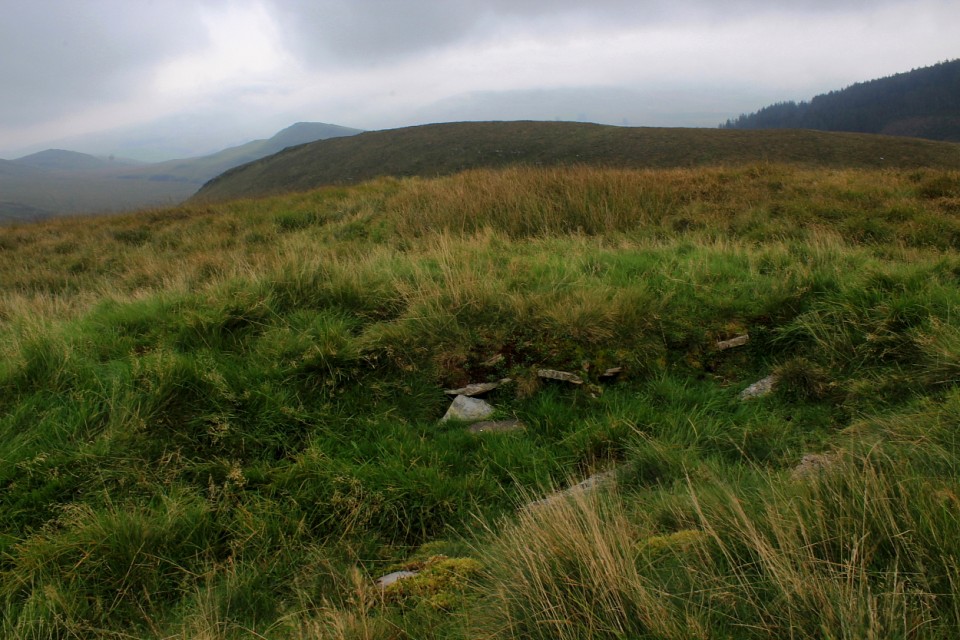
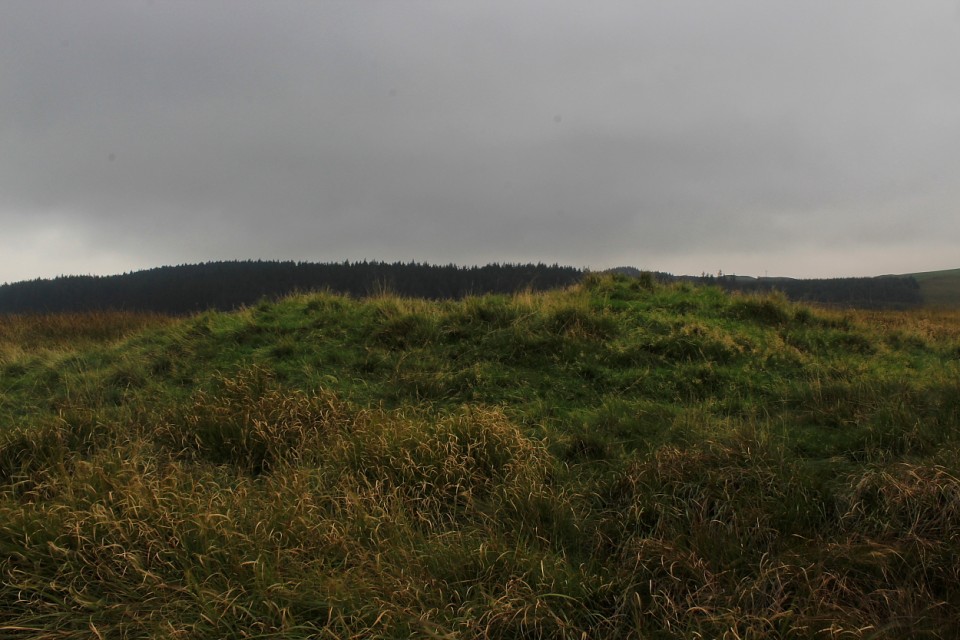
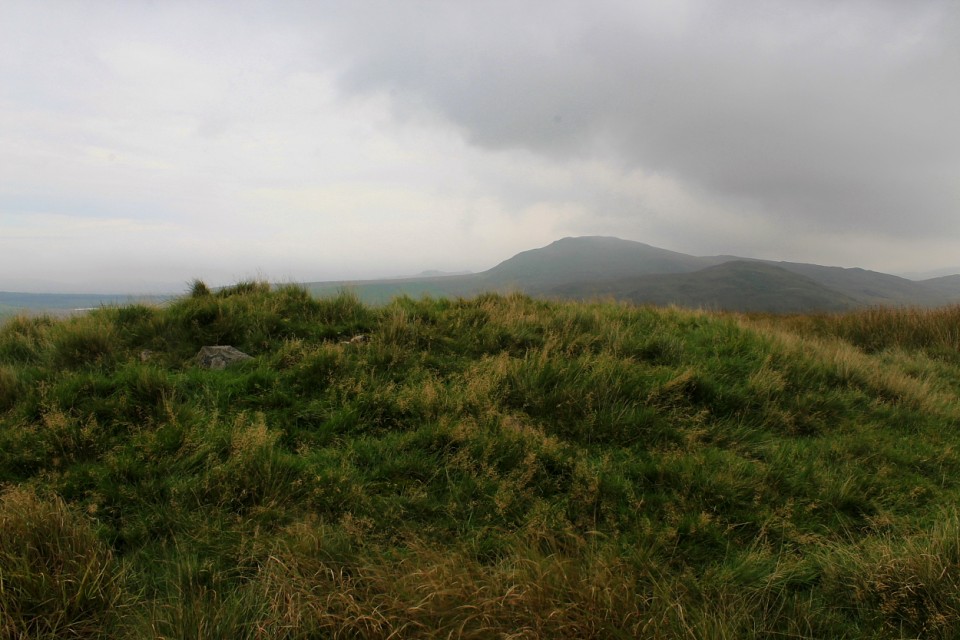
<b>Mynydd Bychan</b>Posted by GLADMAN<b>Mynydd Bychan</b>Posted by GLADMAN<b>Mynydd Bychan</b>Posted by GLADMAN

Bwlch Bach a'r Grib (Cairn(s)) — Images

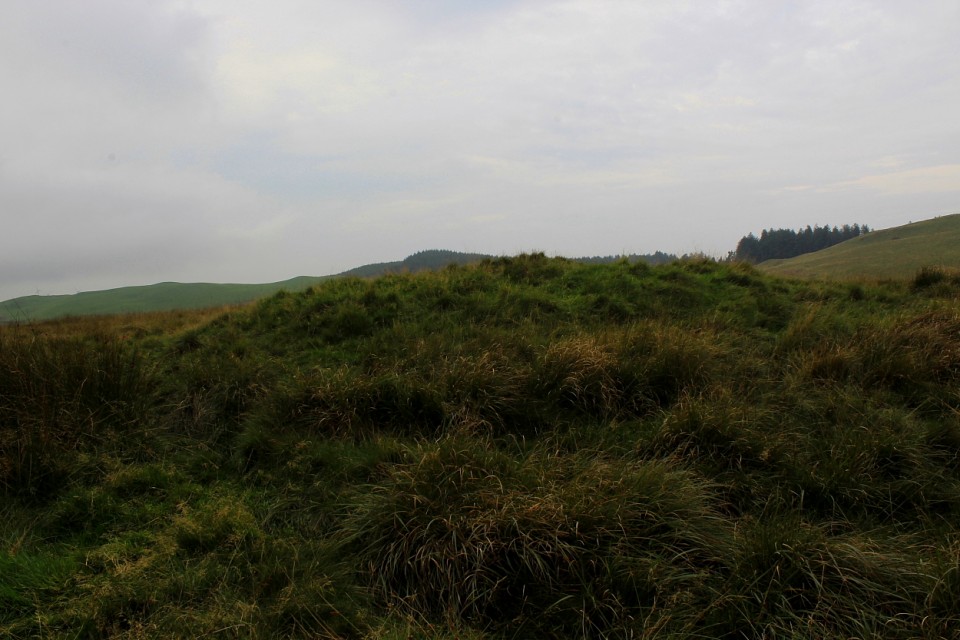
<b>Bwlch Bach a'r Grib</b>Posted by GLADMAN

Mynydd Bychan (Platform Cairn) — Images

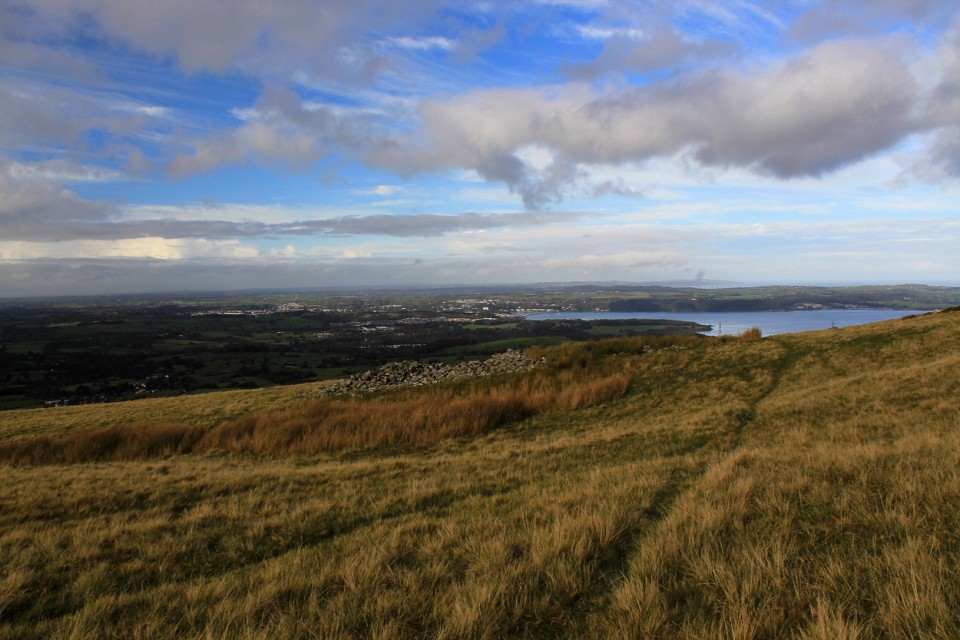
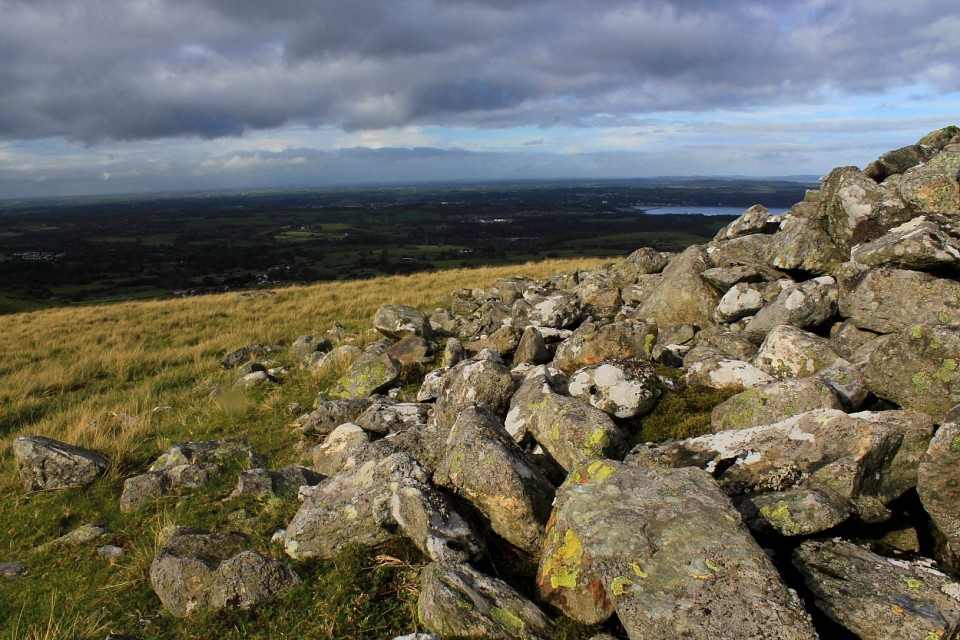
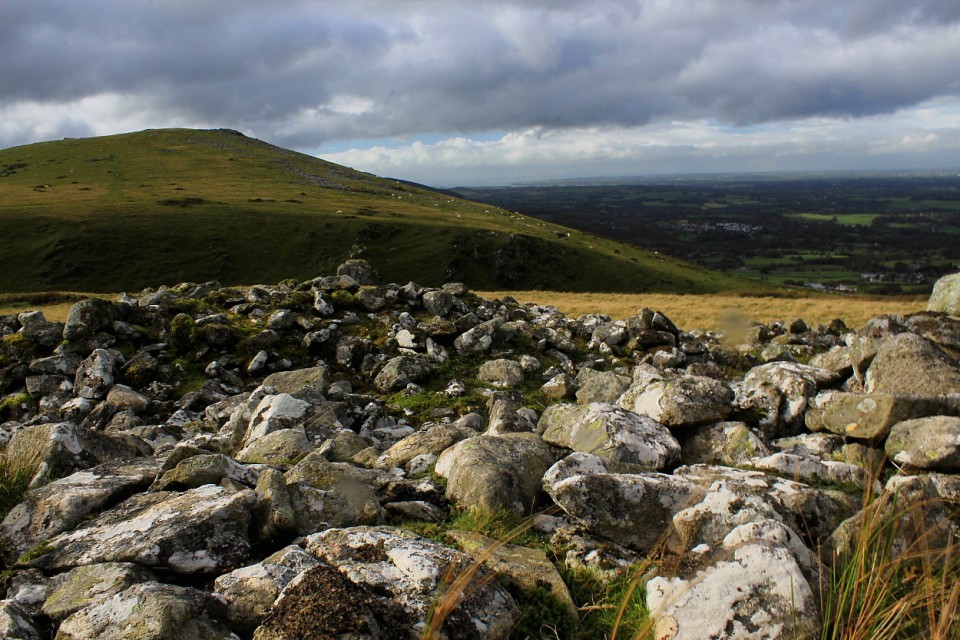
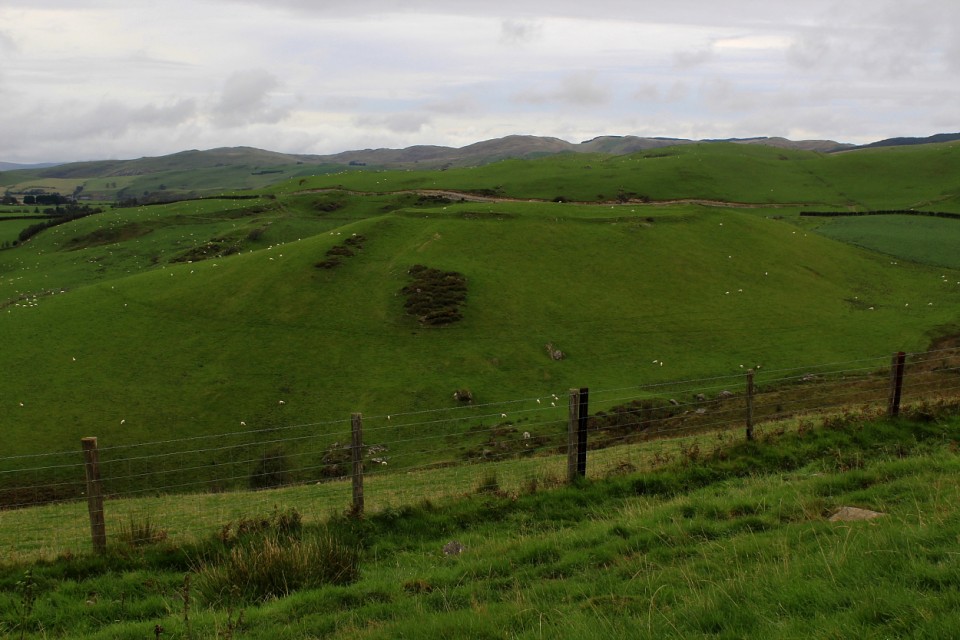
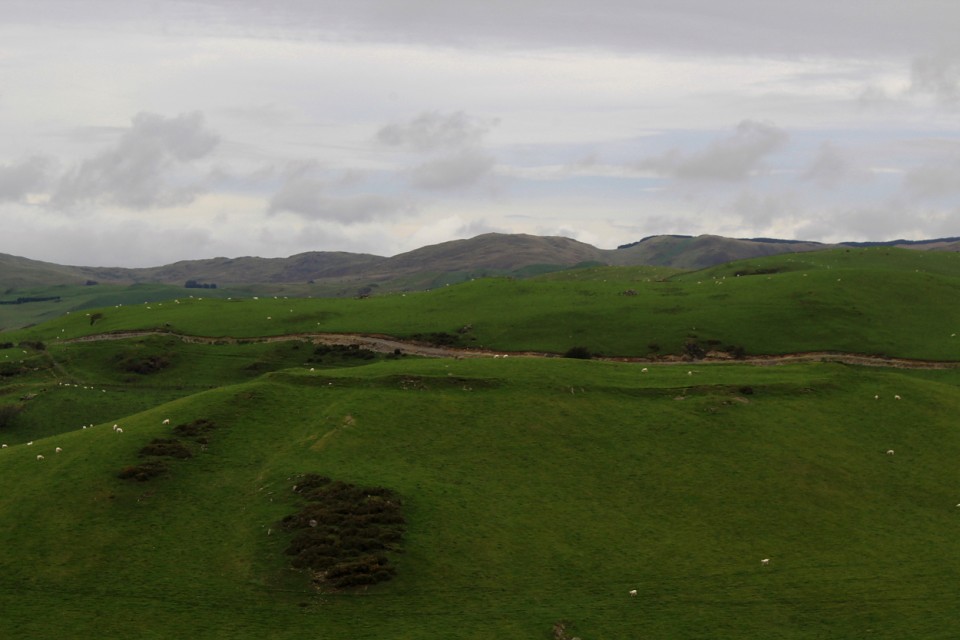
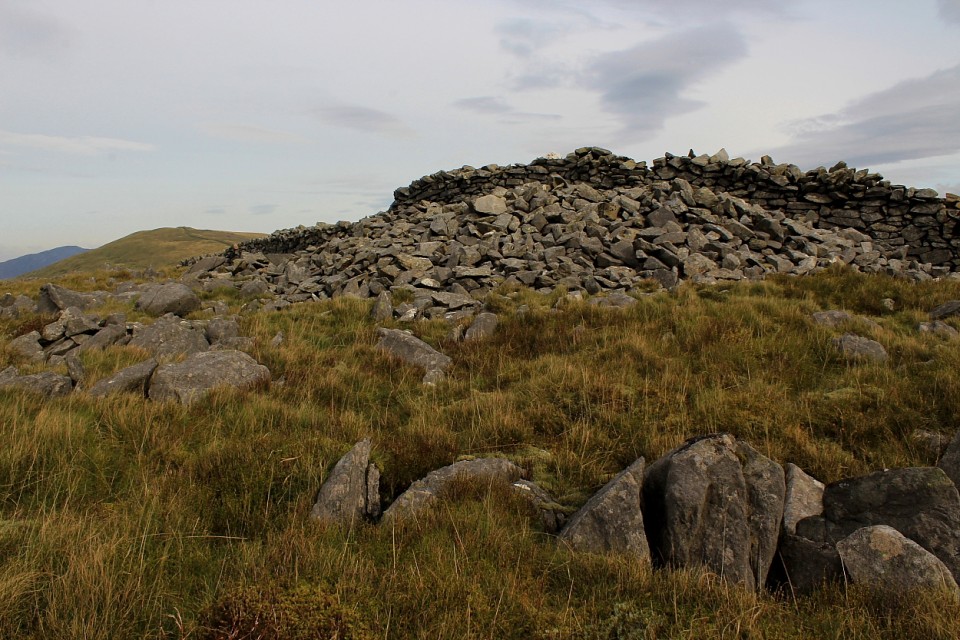
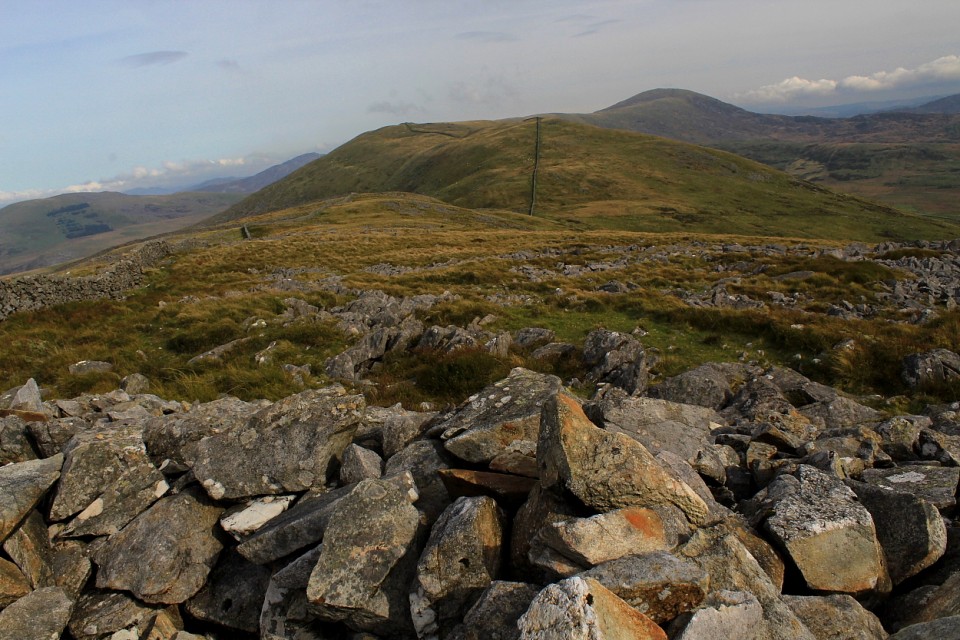
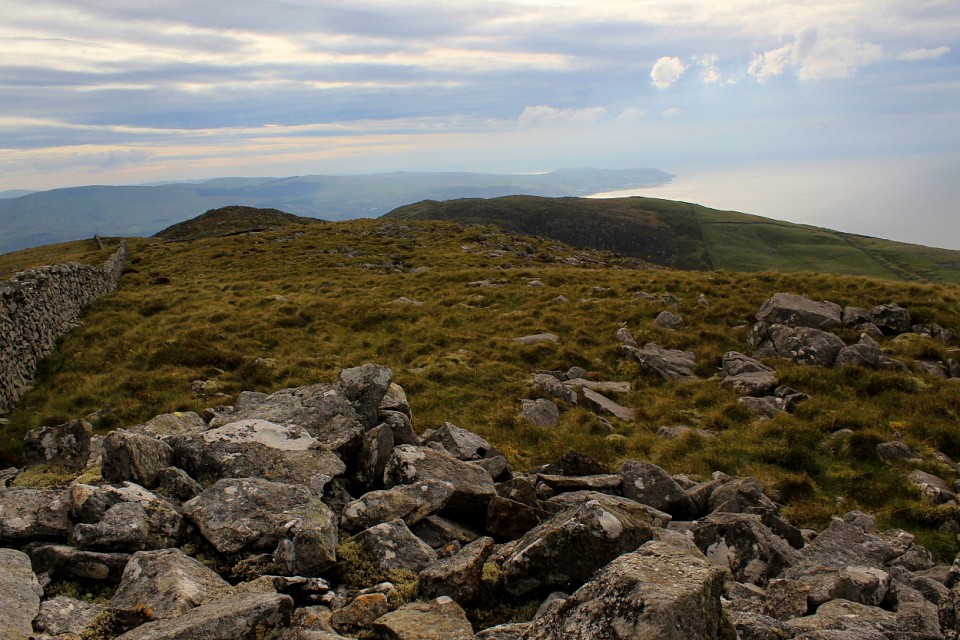
<b>Mynydd Bychan</b>Posted by GLADMAN<b>Mynydd Bychan</b>Posted by GLADMAN<b>Mynydd Bychan</b>Posted by GLADMAN<b>Mynydd Bychan</b>Posted by GLADMAN

Lechmore Round Barrows (Round Barrow(s)) — Images

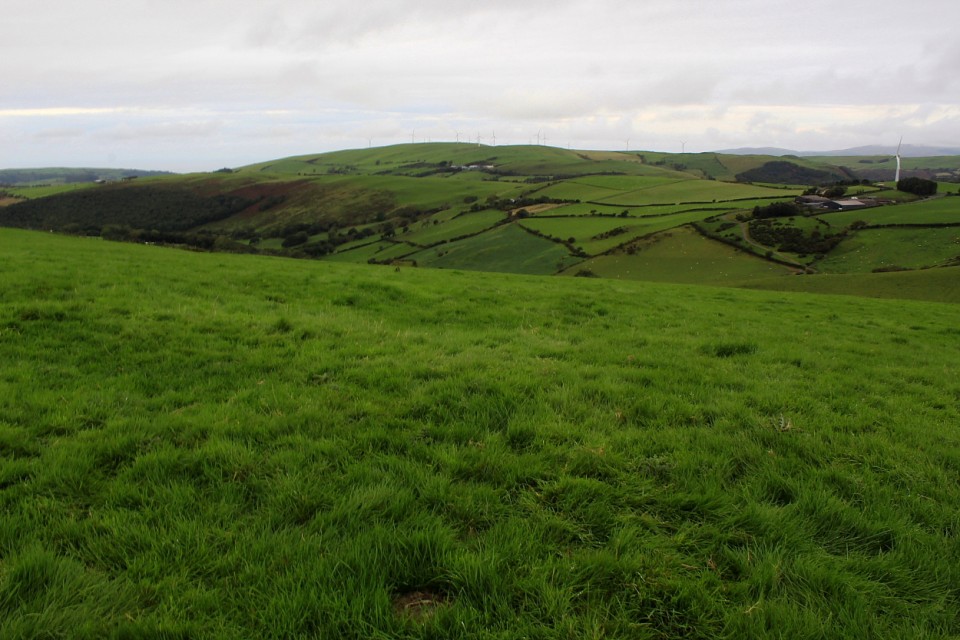
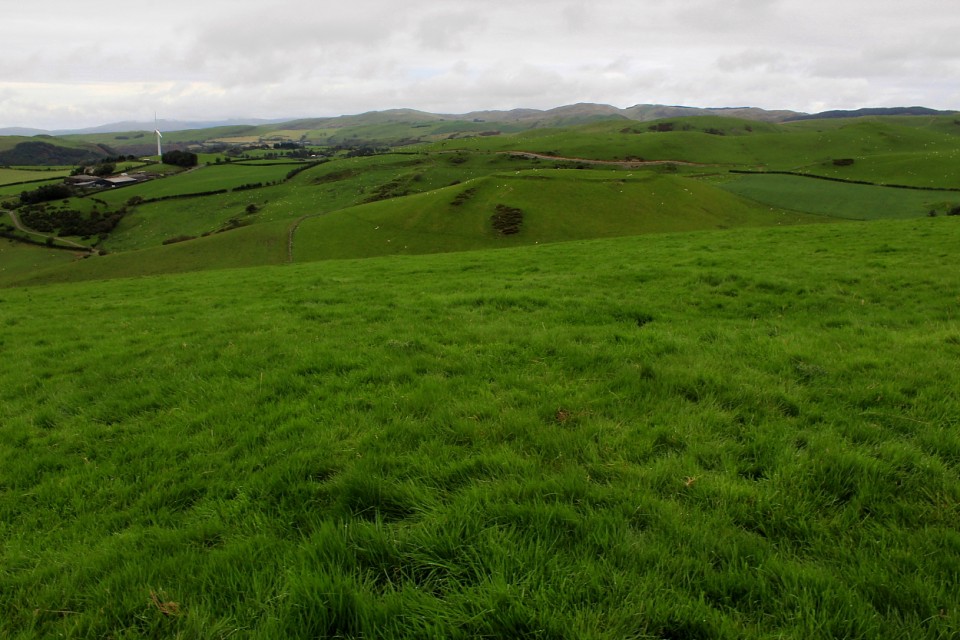
<b>Lechmore Round Barrows</b>Posted by GLADMAN<b>Lechmore Round Barrows</b>Posted by GLADMAN<b>Lechmore Round Barrows</b>Posted by GLADMAN<b>Lechmore Round Barrows</b>Posted by GLADMAN<b>Lechmore Round Barrows</b>Posted by GLADMAN<b>Lechmore Round Barrows</b>Posted by GLADMAN

Lechmore Long Barrow — Images

<b>Lechmore Long Barrow</b>Posted by GLADMAN<b>Lechmore Long Barrow</b>Posted by GLADMAN<b>Lechmore Long Barrow</b>Posted by GLADMAN<b>Lechmore Long Barrow</b>Posted by GLADMAN<b>Lechmore Long Barrow</b>Posted by GLADMAN
Previous 50 | Showing 51-100 of 5,683 posts. Most recent first | Next 50
Gladman... aka Citizen Cairn'd. Yeah, every monument blows me away, but in particular those highland piles of stone with the appropriately monumental views. Visiting them, I think, helps engender a certain 'connection', however intangible, with this land of ours, providing an indispensable reference point for those of us struggling to make sense of this so called 'computer world' Kraftwerk warned us was a'coming in 1981. And hell, it makes me feel good, truly alive... on top of the world in the most literal sense. A perfectly natural 'high'.

Suffice to say, then, that mine is not an exercise in dryly cataloguing sites for the benefit of future generations - as much as I might try I haven't yet been able to embrace altruism to that extent - but rather an attempt to try and reconcile why I am so incredibly moved by these constructions of stone and/or earth representing a time when everything was, by all accounts, literally a matter of life and death. Yeah, just as an empty house appears to retain echoes of past humanity... the raw emotion that apparently sets us apart as a species... so does the stone circle, the chambered cairn, the long barrow and the mountain top funerary cairn. We may be only able to make an (hopefully educated) guess as to what forms the human interaction may have taken - but clearly it mattered. A lot.

I make no special claim for my contributions, particularly since the majority of my earlier images are (variable quality) scans of archive prints.... and my opinions are, well... those of an enthusiastic amateur with a bog-standard 'comprehensive' education. Consequently I'd recommend visitors to TMA refrain from taking my - or anyone else's - word for anything. If you like what you see, why thank you! But please go see for yourself and post what you saw, relate what you think, share what you experienced... that is the greatest compliment you can accord me. Yeah, make up your own mind and do your own thing and help keep the facists, authoritarians and religious freaks from the door. As the great Ian Dury once said, 'Be inspired, be inspiring, be magnificent!' ... and thus the circle turns in on itself to go round again, as upon the great slabs at Bru na Boinne....

However... let's not get carried away. Steady now. In a society where computer generated fantasy is all too prevalent please be aware that reaching some of the more remote upland sites in the British Isles can be potentially dangerous, even life threatening, for the unprepared... or arrogant. Treat the landscape and weather with the respect they deserve (take map, compass, waterproofs etc) and you hopefully won't go far wrong. If in doubt, pop a question in the Forum. That's why Mr Cope puts up the readies to run TMA.... Thank you Julian.

So cheers... to Mr Cope for being his inspirational, confrontational self, showing that field archaeology can be FUN! - hey, who'd have thought it? ...to my sister (Mam Cymru) for using her wondrous female 'macro' vision to help me see the detail throughout an ongoing re-exploration of the South Walian uplands, albeit upon dodgy ankles, knees etc... to my own mam for insisting 'young men should have adventures'.... and my Dad for unwittingly inspiring a profound love of high places. Oh, and to Aubrey Burl for those pioneering guides BC.... 'Before Cope'.

For what it's worth some of my other inspirational people are:

Charles Darwin (for his peerless humanity... amongst, er, 'other things'... although let's not forget Wallace for forcing the great man's hand with his own magnificent contributions);

And then, in no particular order:

George Orwell (peerless essayist with the ability to change his mind); Michael Collins (things are not often black and white... there are two sides to every story); Winston Churchill (for obvious reasons... but especially for all his faults); Martin L. Gore (my favourite songwriter...from just up the road!); Richard Dawkins (much maligned, yet helping to carry the torch of reason during an age of religious resurgence); Shane MacGowan (for making Christmas that little bit more tolerable); Sophie Scholl (words fail me); W A Mozart; Manic Street Preachers (the true spirit of South Wales, not the bleedin' Treorchy Male Voice); Pat Jennings; Stuart Adamson; Will Shakespeare; Harry Hill (there's only one way to find out!); Claudia Brucken (proving Germans do have passion); the (Allied) generation of WW2 for making all this possible; Mr Beethoven; Marc Almond; Stan Laurel and Oliver Hardy; Christopher Hitchens; Mulder and Scully; John Le Mesurier (do you think that's wise, sir?); Ralf Hutter and Florian Schneider.... not to mention anyone who has ever asked 'Why?' - the true legacy of punk. Last but not least, Gaelic beauty Karen Matheson... 'the call is unspoken, never unheard'.

George Orwell - '...during times of universal deceit, telling the truth becomes a revolutionary act'....

Norman MacCaig - 'I took my mind a walk. Or my mind took me a walk — Whichever was the truth of it'.

Alan Bennett - 'Life is rather like a tin of sardines, we're all of us looking for the key'.

Martin L. Gore - 'Like a pawn on the eternal board; Who's never quite sure what he's moved toward; I walk blindly on....'

Truman Capote - 'Failure is the condiment that gives success its flavour'.

Winston Churchill - 'KBO'.

My TMA Content: