|
 Log in |
Register Log in |
Register
|

|
|

St Weonard's TumpArtificial Mound
|
||||||||||||||||||||||||


 0 discussions


 Show map (inline Google Map)
|
|
|
Images (click to view fullsize) |
 Add an image Add an image |
|
Fieldnotes |
Add fieldnotes |
|
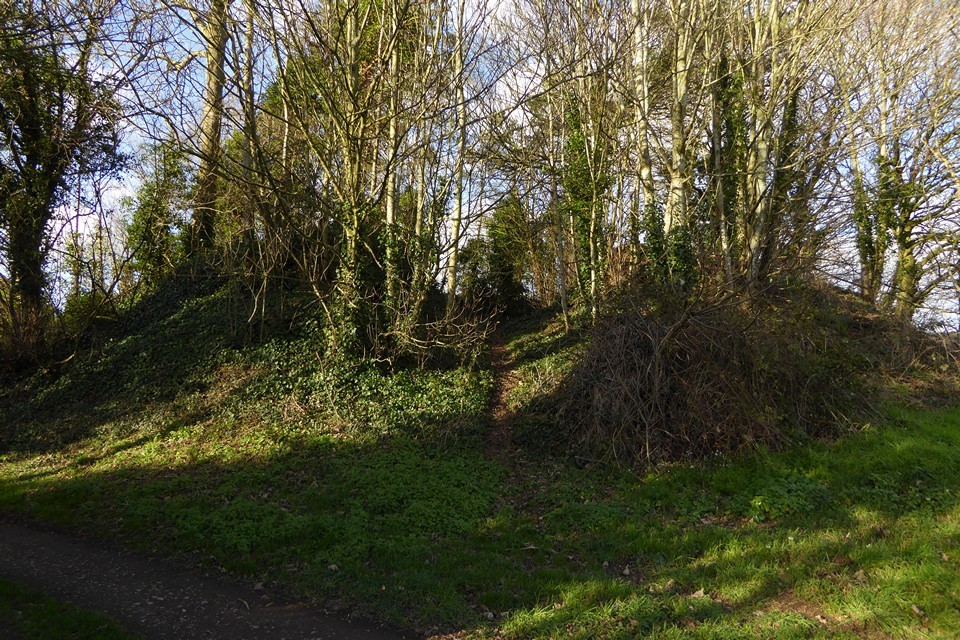
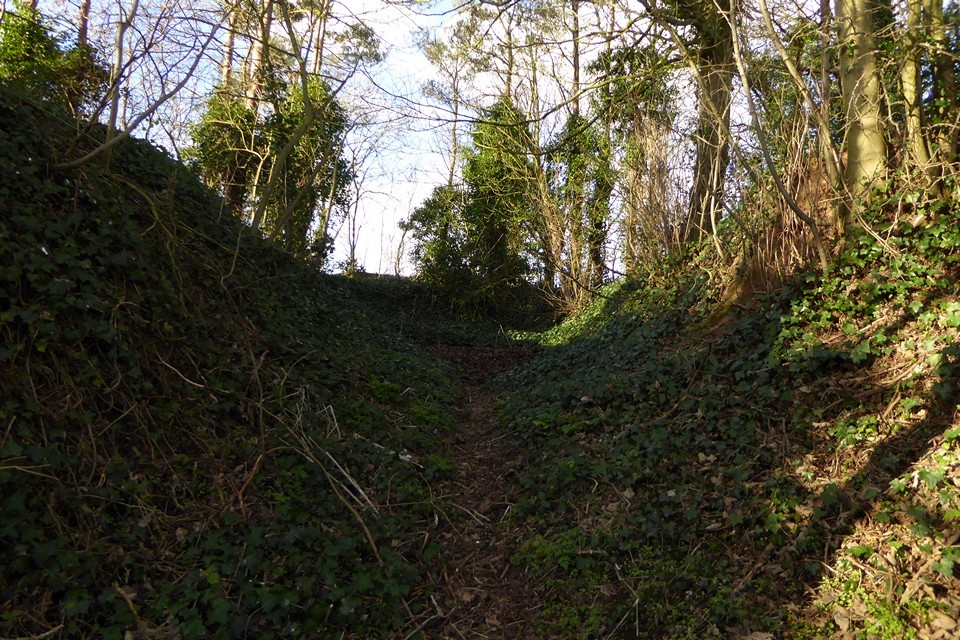
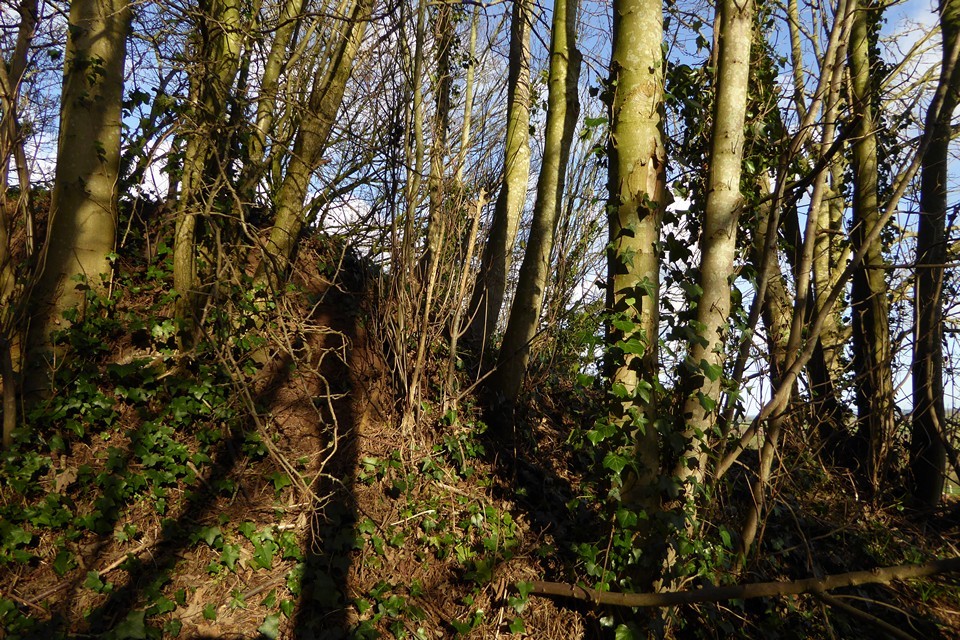
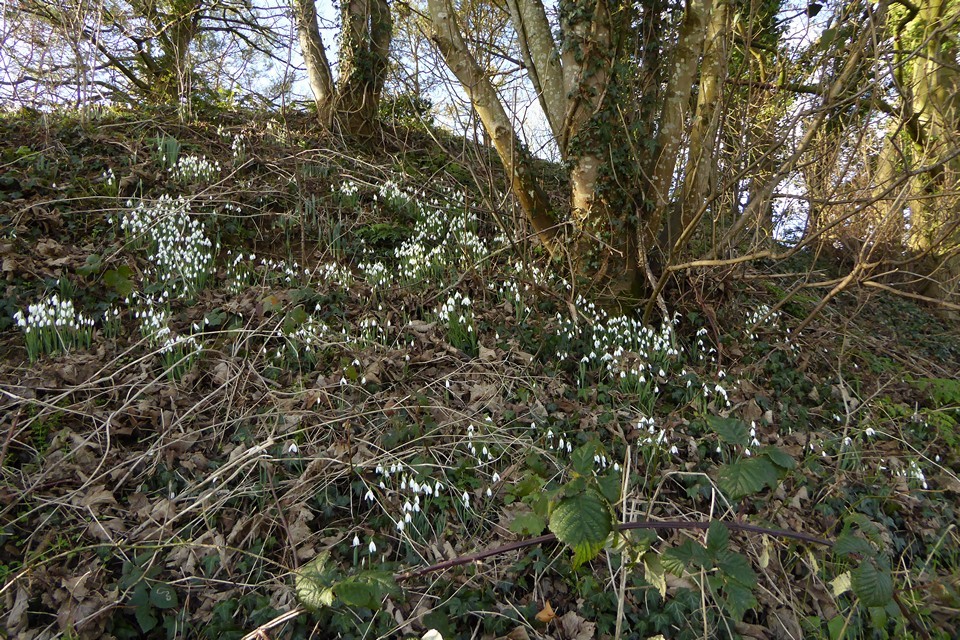
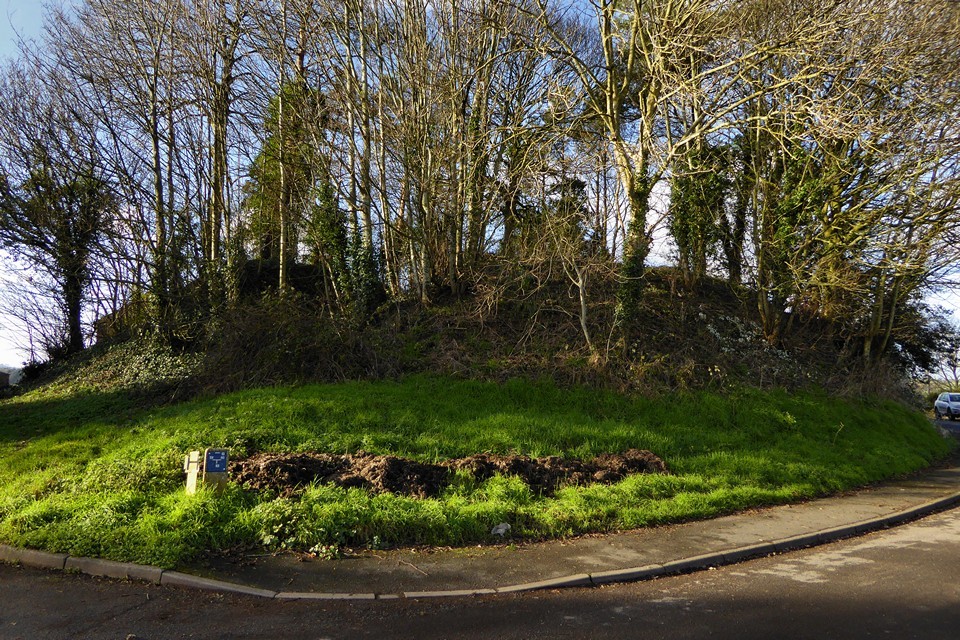
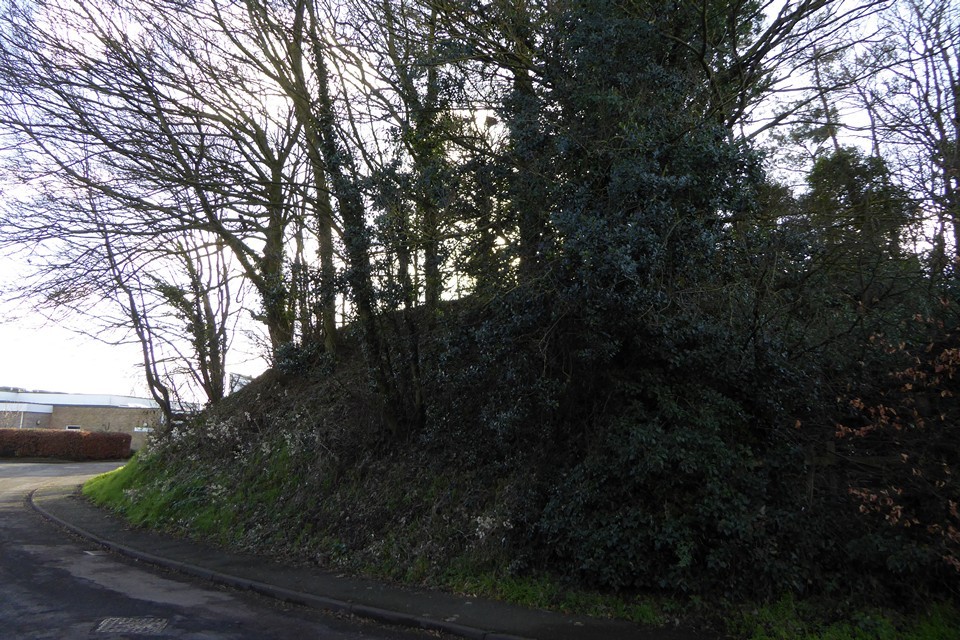
Visited 21.6.15 Directions: On the A466, north of Monmouth. St Weonard’s is only a small village and it is easy to spot the church. We parked outside the church and bought a sunflower from the church’s ‘honesty table’. (That morning we discovered a slug had eaten Sophie’s sunflower she had from school and was very upset so this was a ‘must buy’!) I like ‘honesty tables’ and try to buy from them as much as possible. It restores my faith in humankind. The church is pretty and well worth a look around. There is a 15thC wooden chest and some kind of wooden stretcher which I assume was used for carrying coffins? I like an old church……….. Anyway, onto the Tump. It is easily found, just outside the church, next to the primary school. There is a pavement which runs around the base of it. Two ends have a fence around it (part of someone’s garden?) but the main bit is open from the pavement. It is very large and completely covered in trees, bushes, nettles etc. The sides are steep and the soil loose. When I climbed up the soil was giving way with each step. Due to the trees there is no view to be had but I suspect when the Norman fort was built it would have commanded the surrounding area. If you happen to be in the area it is well worth stopping off for. I would strongly suggest combining a visit with the not-to-far away Kilpeck Church, with its fantastic carvings and famous Sheela Na Gig. |
Posted by CARL 22nd June 2015ce |
Folklore |
Add folklore |
|
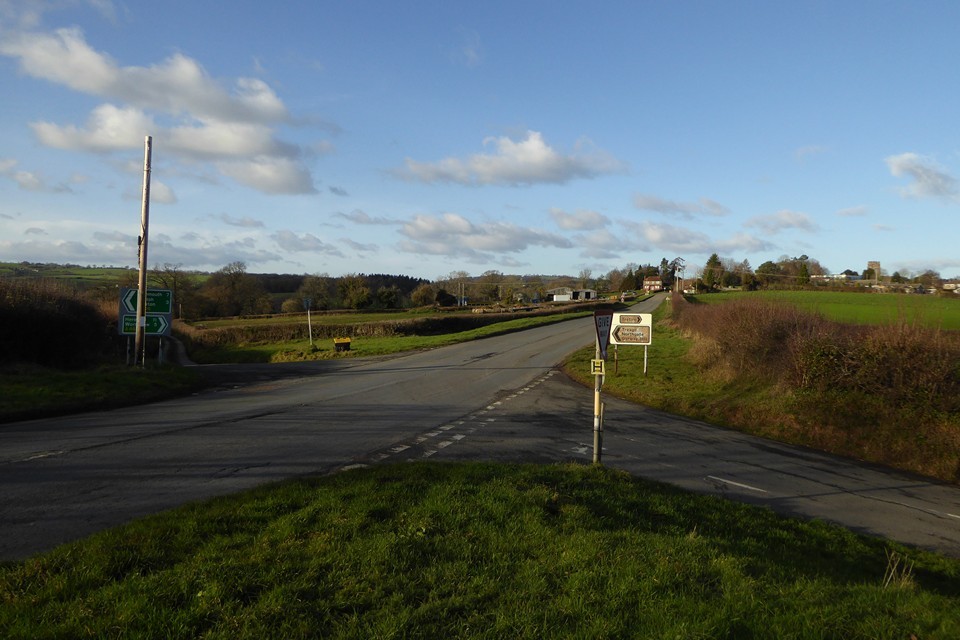
Some additional folklore: There was a standing stone near the barrow*, which disappeared in the 1990s, which had the following associated with it: "'when hanging was meted out to sheepstealers, a man was found one morning dead, leaning up against the stone, with a sheep tilted over the upper edge, with its four legs tied together for carrying'. The man had rested and the sheep to which he had tied himself had somehow slipped or struggled and strangled him. This was told to explain the bronze age cup marks on the stone, looking like imprints of a pair of sheep's trotters. The road is said to be haunted by the ghost of the man, with the sheep on his back; he crosses the road and disappears into a yew tree." As told in "Stone Spotting in Herefordshire" - Jonathan Sant (2000 Moondial) *The stone was listed in "Herefordshire Register of Countryside Treasures" - E.C. Davies/County Planning Department (1981) published by H&W County Council: "Standing Stone, St Weonards A pillar of red sandstone lying N-S. 1m high with base section 0.6 x 0.3m. Two cupmarks discernable on the E side. At roadside near to crossroads S of St Weonard's on A466. (497235)." I wonder if anyone has any pictures of this before it went missing? |
 Posted by thesweetcheat
7th January 2009ce Edited 12th January 2009ce |

|
St Weonard's Tump is a bronze age barrow reused as a Norman motte. Excavation in 1855 revealed two burnt human burials under a cover of stones. The village church was built less than 100m away. It is a prominent landmark right at the centre of the village, and seems to have been used as a focus for the community for centuries: a Victorian writer (ok, maybe romantically) spoke of it being used 'since time immemorial' for fetes and dancing. It is planted with trees - most recently to celebrate the Queen's Silver Jubilee. Just try to ignore the disused water tank sunk into the summit. The folklore is christianised - St Weonard is said to be buried inside in a golden coffin, or maybe on a golden coffer filled with gold, with the inscription "Where this stood is another twice as good; but where that is, no man knows". |
 Posted by Rhiannon
3rd May 2002ce Edited 5th January 2005ce |
 Top of page