|
 Log in |
Register Log in |
Register
|

|
|

Herefordshire
|


 Show |
 |
|
|
Sites in this group:
|
20 posts
Aconbury Hillfort |
4 posts
Archenfield Chambered Tomb (Destroyed) |
92 posts
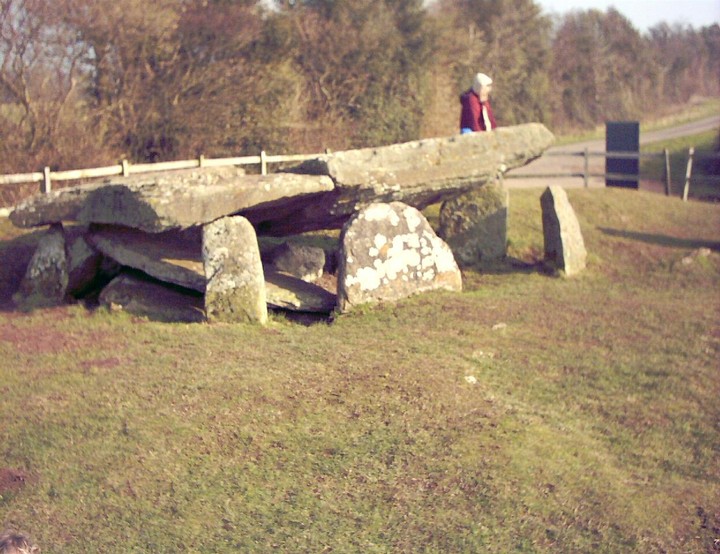
Arthur's Stone Dolmen / Quoit / Cromlech |
|
12 posts
Bach Camp Hillfort |
14 posts
Backbury Hillfort |
27 posts
Black Darren Round Cairn |
|
3 posts
Brandon Camp Hillfort |
79 posts
British Camp Hillfort |
23 posts
Capler Camp Hillfort |
|
2 posts
Cefn Hill Round Barrow(s) |
17 posts
Chase Wood Hill Hillfort |
13 posts
Cherry Hill Camp Hillfort |
|
24 posts
Colwall barrows Round Barrow(s) |
11 posts
Coxall Knoll Hillfort |
1 post
Cradley Camp Enclosure |
|
33 posts
Credenhill Camp Hillfort |
25 posts
Croft Ambrey Hillfort |
7 posts
Cross Lodge Long Barrow |
|
12 posts
Dinedor Camp Hillfort |
16 posts
Dinmore Camp Hillfort |
2 posts
Dorstone Hill Promontory Fort |
|
1 post
Downton Camp Hillfort |
1 post
Duke's Farm Round Barrow(s) |
8 posts
Dunseal Round Barrow(s) |
|
13 posts
Eaton Camp Hillfort |
2 posts
Gamber Head Round Barrow(s) |
4 posts
Gannols Farm Standing Stone / Menhir |
|
17 posts
Garway Hill Ancient Village / Settlement / Misc. Earthwork |
1 post
Gold Post Standing Stone / Menhir (Destroyed) |
2 posts
Haffield Camp (Donnington) Hillfort |
|
2 posts
Hill Croft Field Causewayed Enclosure |
15 posts
Ivington Camp Hillfort |
11 posts
Kilbury Camp Hillfort |
|
17 posts
King Arthur's Cave Cave / Rock Shelter |
1 post
Kinsham Cupmarked Stone Standing Stone / Menhir |
49 posts
Little Doward Hillfort |
|
4 posts
Llan Oleu Round Barrow(s) |
1 post
Longtown Stone Circle Stone Circle |
1 post
Lower Court (Lower Kinsham) Round Barrow(s) |
|
Lower Newton
Cup Marked Stone
|
44 posts
Midsummer Hill Hillfort |
1 post
Milton Cross Round Barrow(s) |
|
2 posts
Oldbury Camp Hillfort |
1 post
Parkwood Burial Chamber (Destroyed) |
11 posts
Pentre House Standing Stone / Menhir |
|
1 post
Pen-twyn Camp (Brilley) Ancient Village / Settlement / Misc. Earthwork |
1 post
Poston Camp Hillfort |
12 posts
Pyon Wood Camp Hillfort |
|
14 posts
The Queen Stone Standing Stone / Menhir |
3 posts
Risbury Camp Hillfort |
12 posts
Rotherwas Ribbon |
|
4 posts
Seven Sisters Rocks Cave / Rock Shelter |
22 posts
Shire Ditch Dyke |
1 post
Stapleton Henge Henge |
|
10 posts
St Weonard's Tump Artificial Mound |
20 posts
Sutton Walls Hillfort |
6 posts
Tillington Common Cup Marked Stone |
|
Timberline Camp
Hillfort
|
8 posts
Uphampton Camp Hillfort |
2 posts
Walford Barrow Round Barrow(s) |
|
3 posts
Wall Hills Camp (Ledbury) Hillfort |
4 posts
Wall Hills (Thornbury) Hillfort |
3 posts
Walterstone Camp Hillfort |
|
26 posts
Wapley Hill Hillfort |
13 posts
Waum's Well and Clutter's Cave Sacred Well |
14 posts
Wergins Stone Standing Stone / Menhir |
|
20 posts
Wern Derys Standing Stone / Menhir |
1 post
Westington Camp Hillfort |
6 posts
The Whet Stone Natural Rock Feature |
|
23 posts
Wiral Cairn, Black Mountains Round Cairn |
Sites of disputed antiquity:
|
4 posts
Bradlow Knoll Round Barrow(s) |
1 post
Buckton Round Barrows Round Barrow(s) |
7 posts
Bush Bank Standing Stone / Menhir |
|
8 posts
Canon Pyon Artificial Mound |
12 posts
The Colwall Stone Standing Stone / Menhir |
1 post
Llanveynoe Crucifix Stone Cup and Ring Marks / Rock Art |
|
8 posts
Mynydd Brith Standing Stone / Menhir |
Parc-y-Meirch
Standing Stone / Menhir
|
8 posts
Stanford Bishop Standing Stone / Menhir |
News |
 Add news Add news |
Detectorists hid find that rewrites Anglo-Saxon historyAn expert gasped when he saw coins unearthed by two men now convicted of theft On a sunny day in June 2015 amateur metal detectorists George Powell and Layton Davies were hunting for treasure in fields at a remote spot in Herefordshire... continues... |
 Posted by ryaner
21st November 2019ce |

Experts Dig Out an Ancient IronworksLeominster's biggest-ever archaeological excavation uncovered important clues about the town's long history. The extensive dig, covering half an acre of the Focus DIY development site at Mill Street, revealed that Leominster was a hive of industry from a very early period... continues... |
Posted by BrigantesNation 9th January 2004ce Edited 30th March 2006ce |
Links |
Add a link |
Historic Herefordshire OnlineHerefordshire's searchable Sites and Monuments Record. |
 Posted by Rhiannon
7th July 2004ce Edited 7th July 2004ce |
Latest posts for Herefordshire |
Showing 1-10 of 910 posts. Most recent first | Next 10 
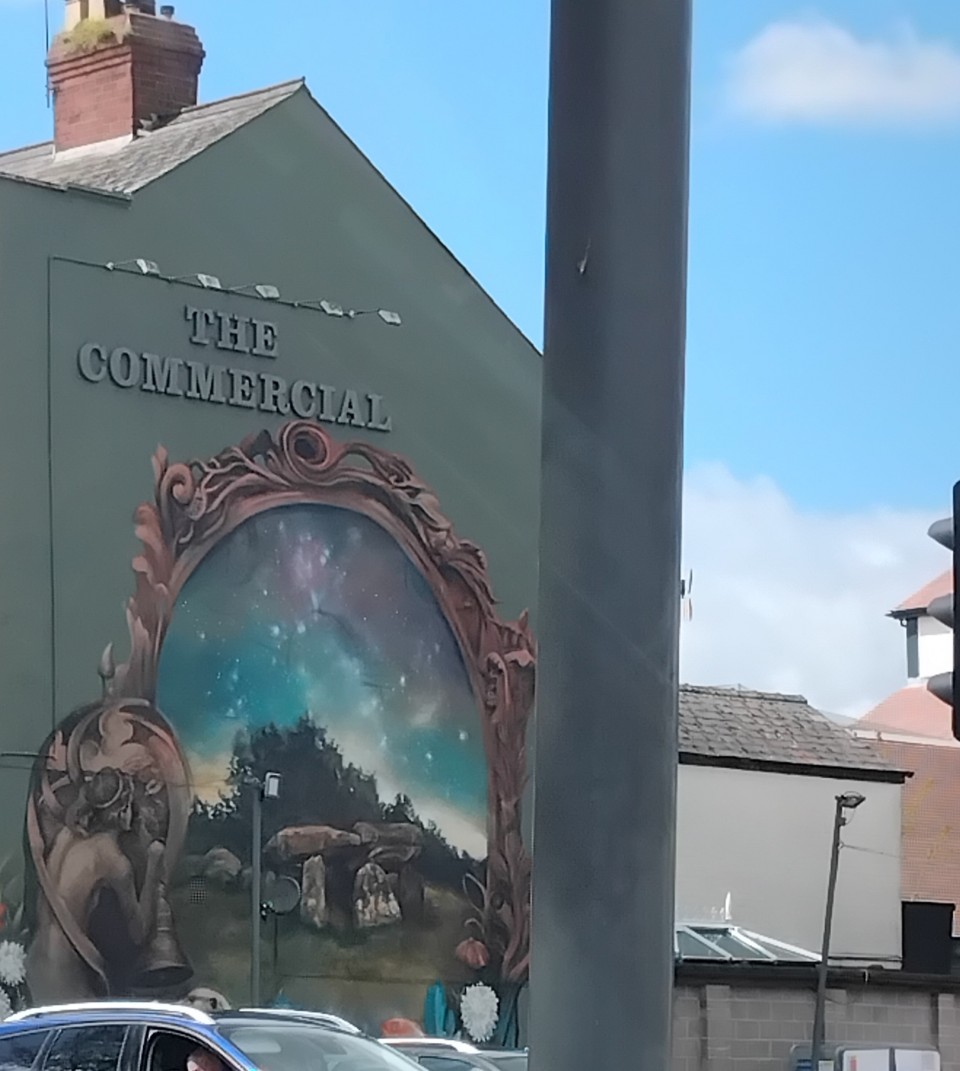
Arthur's Stone (Dolmen / Quoit / Cromlech) — News |
Arthur's Stone featured on one of four new murals in Herefordhttps://www.herefordtimes.com/news/24163793.herefords-new-murals-take-shape/ |
 Posted by MelMel
16th April 2024ce |
Arthur's Stone (Dolmen / Quoit / Cromlech) — Images (click to view fullsize) |
|
Posted by MelMel 16th April 2024ce |
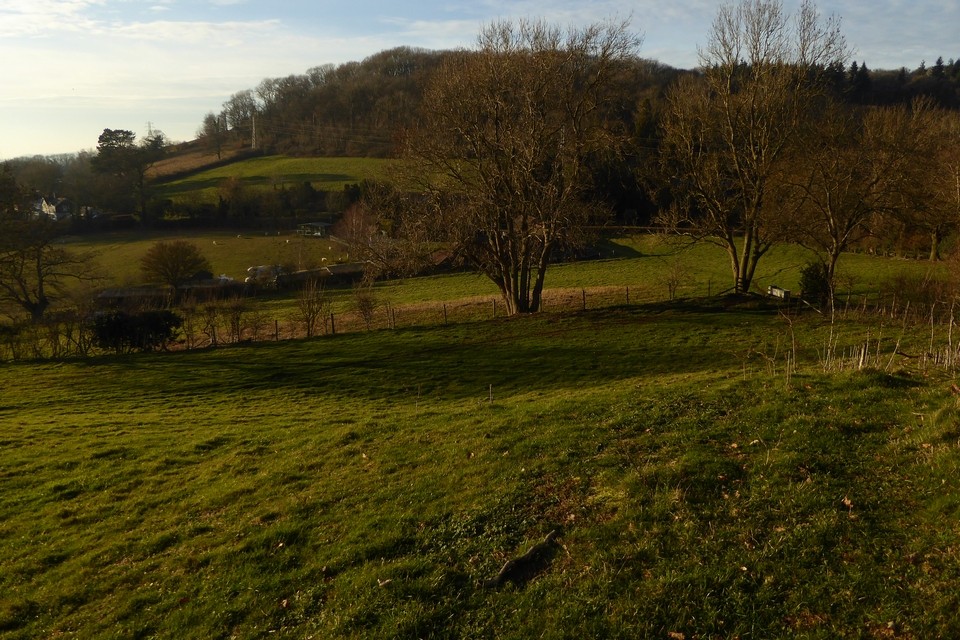
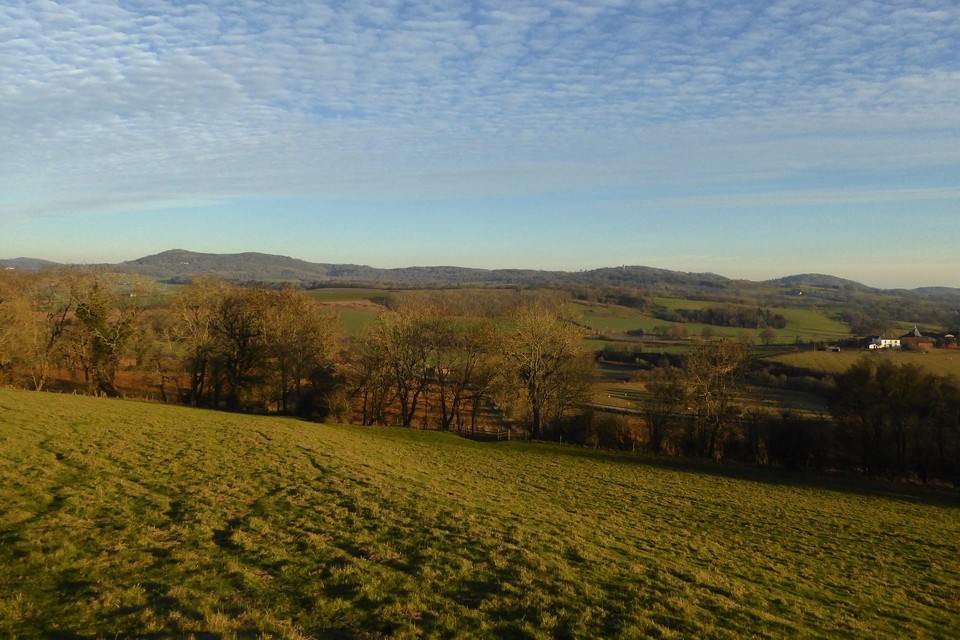
Kilbury Camp (Hillfort) — Images |
  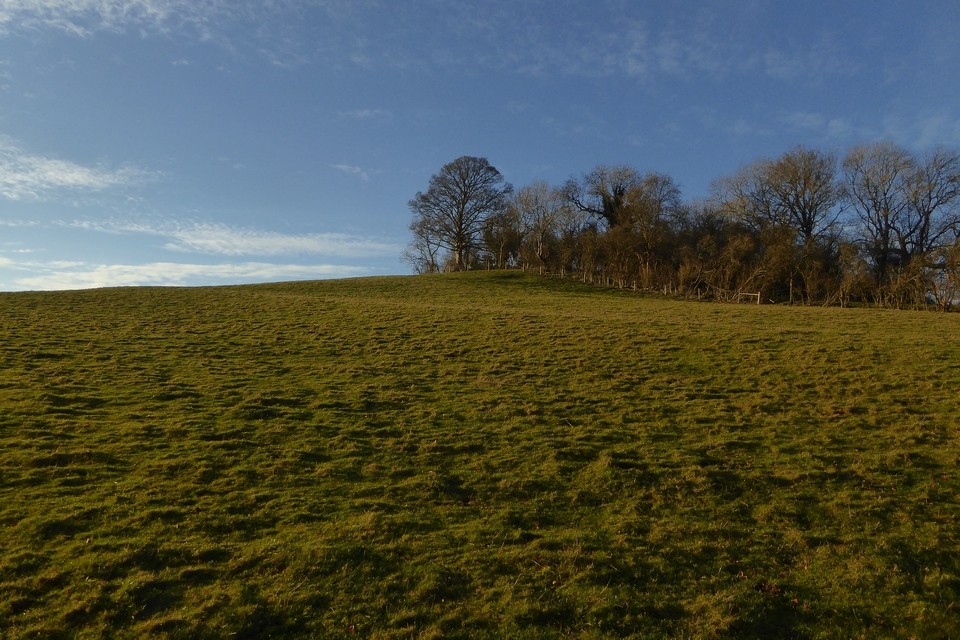 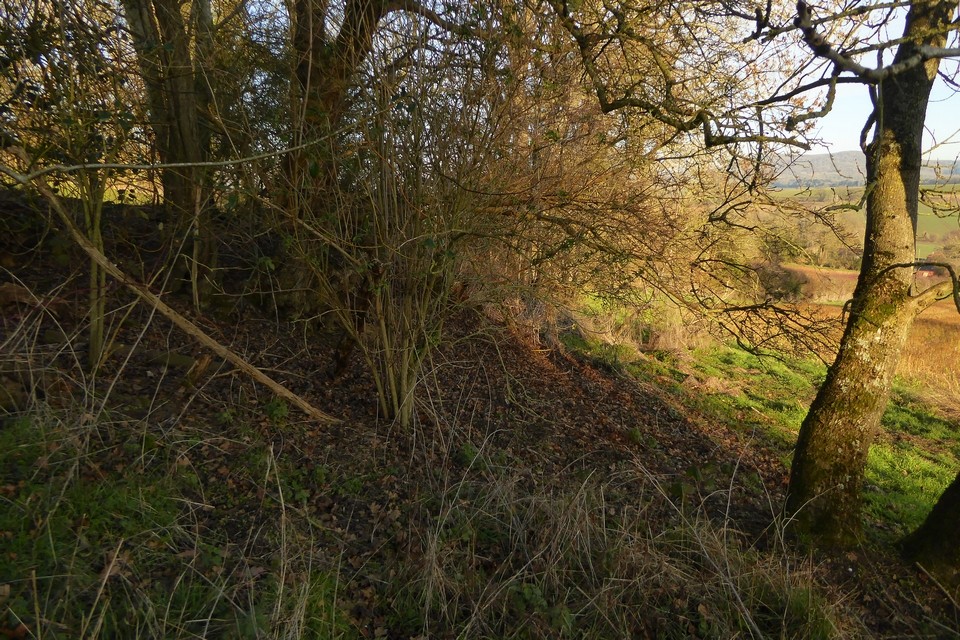 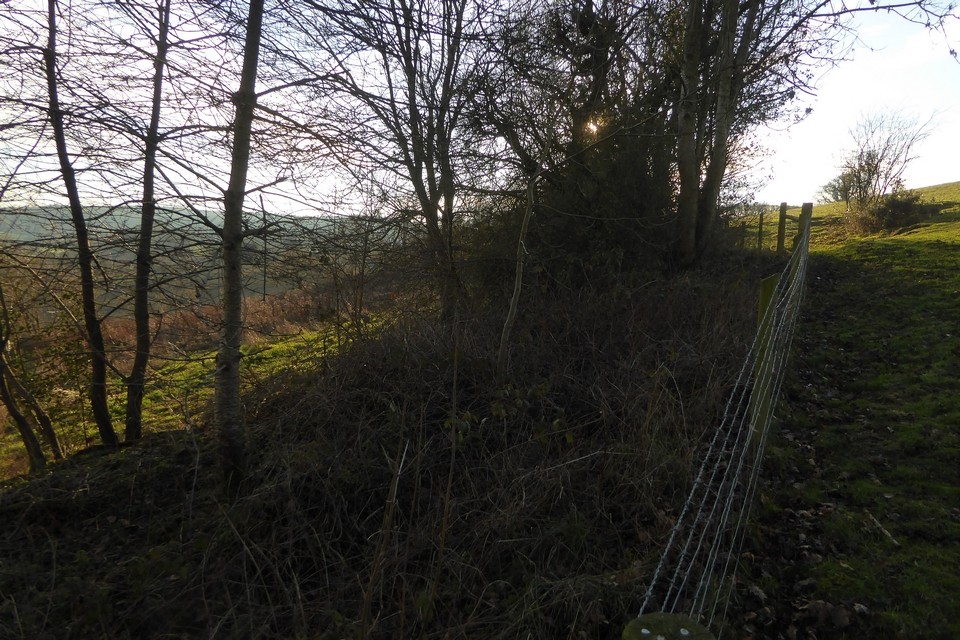 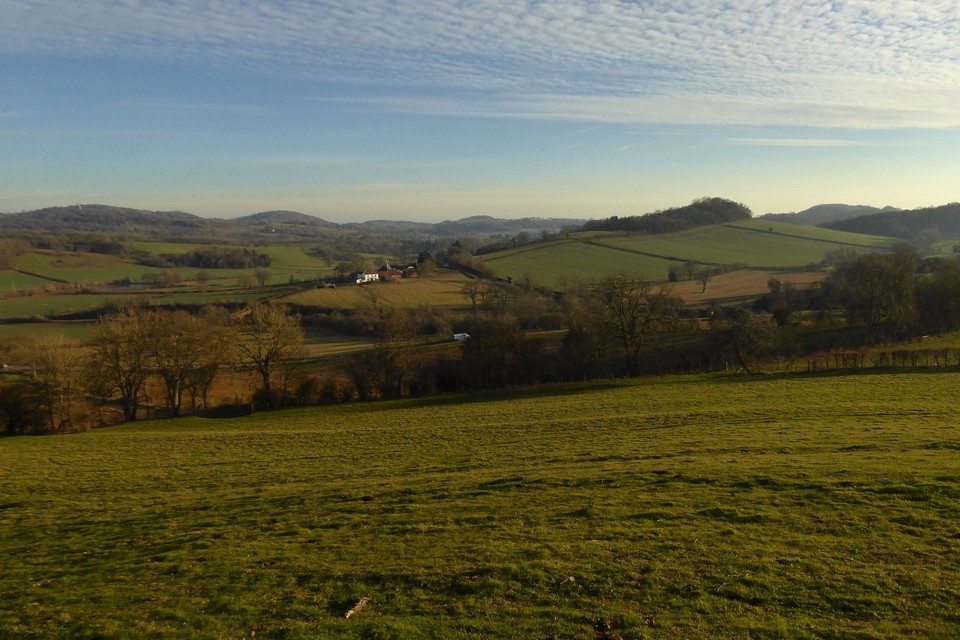 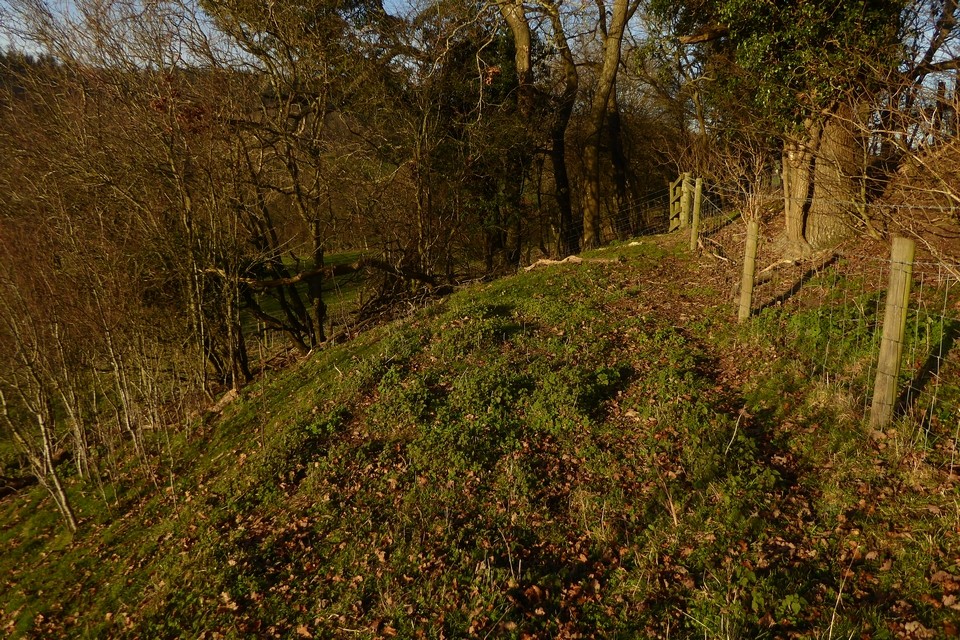 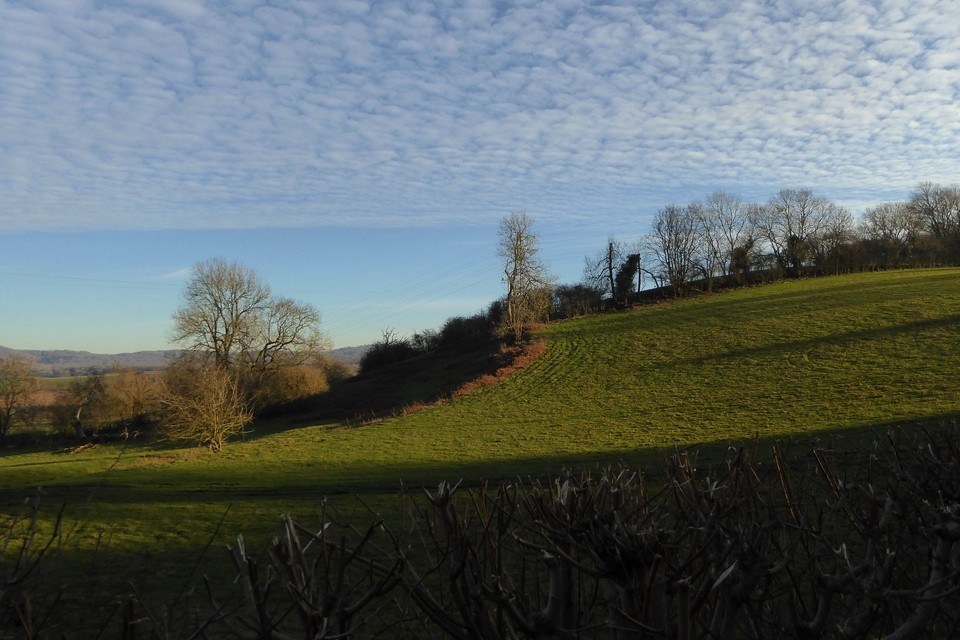
|
 Posted by thesweetcheat
13th January 2024ce |
Showing 1-10 of 910 posts. Most recent first | Next 10
 Top of page