|
 Log in |
Register Log in |
Register
|

|
|

Kent
|


 Show |
 |
|
|
Sites in this group:
|
35 posts
Addington Long Barrow Long Barrow |
8 posts
Ashenbank Wood Bowl Barrow Round Barrow(s) |
9 posts
Barnfield Pit, Swanscombe |
|
10 posts
Barrow Hill, Higham Marshes Sacred Hill |
1 post
Bay Hill Round Barrow(s) |
20 posts
Bigbury Camp Hillfort |
|
12 posts
Bodsham Long Barrow Long Barrow |
1 post
Broad Downs (near The Firs) Round Barrow(s) |
12 posts
Castle Hill, Tonbridge Hillfort |
|
30 posts
The Chestnuts Long Barrow |
5 posts
Clowes Wood Round Barrow(s) |
8 posts
The Coffin Stone Natural Rock Feature |
|
154 posts
Coldrum Long Barrow |
52 posts
The Countless Stones Dolmen / Quoit / Cromlech |
14 posts
Eggringe Wood Round Barrow(s) |
|
20 posts
1 site High Rocks Cave / Rock Shelter |
1 post
Holborough Knob Round Barrow(s) |
10 posts
Iffin Wood Round Barrow(s) |
|
11 posts
Jackets Field Long Barrow |
20 posts
Julliberrie's Grave Long Barrow |
10 posts
King's Wood Round Barrow(s) |
|
110 posts
Kit's Coty Dolmen / Quoit / Cromlech |
4 posts
Maplescombe Church Stone Christianised Site |
2 posts
North Foreland Round Barrow(s) (Destroyed) |
|
23 posts
Oldbury Hillfort Hillfort |
22 posts
Oldbury Rock Shelters Cave / Rock Shelter |
7 posts
Quarry Wood Camp Ancient Village / Settlement / Misc. Earthwork |
|
7 posts
Ringlemere Farm Round Barrow(s) |
Rubury Butts, Three Barrows Down
Barrow / Cairn Cemetery
|
14 posts
Shoulder of Mutton Wood Round Barrow(s) |
|
4 posts
Smythe's Megalith Long Barrow |
14 posts
Squerryes Park Hillfort |
1 post
Stumblebury Round Barrow(s) |
|
2 posts
Warren Wood Round Barrow(s) |
3 posts
West Wood Barrow / Cairn Cemetery |
26 posts
White Horse Stone Standing Stone / Menhir |
|
12 posts
Wildernesse Barrow Round Barrow(s) |
Sites of disputed antiquity:
|
1 post
Dane John Mound Round Barrow(s) |
4 posts
Standing Sarsen Stone at Eynsford Standing Stone / Menhir |
1 post
St Augustine's Abbey Standing Stones |
|
9 posts
Walderslade Woods Cup and Ring Marks / Rock Art |
News |
 Add news Add news |
|
Giant stone artefacts found on rare Ice Age site in Kent Researchers in Kent have unearthed some of the largest early prehistoric stone tools ever found in Britain. More info : https://www.bbc.co.uk/news/uk-england-kent-66112136 |
 Posted by drewbhoy
7th July 2023ce |

Archaeologists compare Neolithic Kent site to Stonehenge, find Bronze Age funerary monumentA Neolithic ditch which became a huge funerary monument when it was enlarged with an outer ring during the Bronze Age has been found on housing development grounds in Kent. Archaeologists suspect a “sacred way” could have led to a henge 6,000 years ago at Iwade Meadows, to the west of the Kent industrial town of Sittingbourne... continues... |
 Posted by moss
13th August 2014ce |
Henge found on North Downs from satellite imagesA BBC video on the discovery of this (slightly empty) henge..... Circular earthworks dating back to the stone age have been discovered on the North Downs in Kent. The henge was found after satellite images were studied by archaeologists... continues... |
Posted by moss 24th August 2012ce |
|
Bronze Age Boat Replica Fails To Float The band was ready, the champagne was on hand then........ More info : http://www.kentonline.co.uk/east_kent_mercury/news/2012/may/12/bronze_age_boat_replica_fails.aspx |
Posted by drewbhoy 21st May 2012ce |
Bronze Age bracelets found in KentTwo Bronze Age gold bracelets almost 3,000 years old have been discovered during excavations along the route of the East Kent Access Road. When they were found one bracelet was placed inside the other. The bracelets were found in an area of the Ebbsfleet peninsula from which four other Late Bronze Age hoards are already known... continues... |
 Posted by thesweetcheat
21st September 2010ce |
|
Artefacts hint at earliest Neanderthals in Britain "Archaeologists have found what they say is the earliest evidence of Neanderthals living in Britain. Two pieces of flint unearthed at motorway works in Dartford, Kent, have now been dated to 110,000 years ago. " Full story from the BBC - http://news.bbc.co.uk/1/hi/science_and_environment/10206677.stm |
 Posted by Chris Collyer
2nd June 2010ce Edited 2nd June 2010ce |
Lottery Grant to raise Medway's profileI have spent the last few months battering away at the local Heritage departments in an attempt to improve the knowledge and awareness of the locals and to do something about the pretty sad state of the monuments around the Medway... continues... |
 Posted by slumpystones
31st May 2007ce Edited 22nd October 2010ce |
Road Dig Reveals Iron Age RemainsFrom an article published on the BBC News web site on 4th May 2005: Archaeologists have discovered iron age remains under the route of a new bypass around the village of Leybourne... continues... |
 Posted by Kammer
9th May 2005ce Edited 17th February 2006ce |
Bronze Age finds to go on displayExcerpts from an article published on the BBC News web site on 3rd February 2005: Skeletons from the Bronze Age that were found in an archaeological dig in Kent and said to be among the best preserved from that time, are to go on show... continues... |
Posted by Kammer 3rd February 2005ce Edited 17th February 2006ce |
Bronze Age Skeletons Found in DigFrom an article published on the BBC News web site on 28th January 2005: Archaeologists have unearthed a unique site in Kent which they claim contains the best preserved examples of Bronze Age skeletons... continues... |
Posted by Kammer 1st February 2005ce Edited 17th February 2006ce |
Recreated Bronze Age boat to cross ChannelArchaeologists are planning to build a copy of an ancient boat found in Dover and sail it from Britain to France. The original was found by chance in 1992 in a water filled shaft during roadworks in the town. It was one of the best preserved examples of a coastal vessel from the Bronze age ever found... continues... |
 Posted by Rhiannon
1st December 2004ce Edited 17th February 2006ce |
|
Kentish Metal Detectorists Unearth Treasure In two separate incidents metal detectorists working in Kent have unearthed fascinating hoards of prehistoric coins, axe heads and jewellery. A number of weeks ago two metal detectorists found an Iron Age hoard on farmland near Maidstone and last Sunday another detectorist dug up a Bronze Age hoard near Wye. Whole story here |
 Posted by Jane
15th December 2003ce Edited 8th February 2006ce |
A white horse, 100 metres high, is to be carved into the chalk downs at FolkestoneTurf war over Byers' white horse http://politics.guardian.co.uk/localgovernment/story/0,9061,675788,00... continues... |
Posted by phil 6th April 2002ce Edited 15th February 2006ce |
Images (click to view fullsize) |
Add an image |
Photographs:


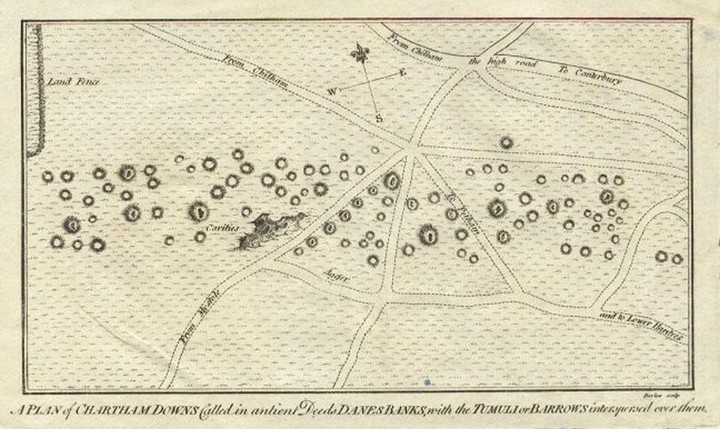
 Maps / Plans / Diagrams:
|
Miscellaneous |
Add miscellaneous |
|
In response to Rhiannon's Battle Street conundrum, I drove past there today and made a short detour. Just before the end of the lane, on the right, is a modernish housing development...called Sarsen Close, would you believe...in the drive of one house were 3 stones, and more in the gardens of the other houses in the close. One must have been 12' x 6' x 1' thick, laying flat and used as a planter of all things, a real shame because it was a stunning piece of stone...I didn't go into the field or down the path. not knowing really what to look for. Also 1/4 mile away I found another stone, an absolute beauty, either heavily carved or bless with the most natural art ever. Now I have some photos, but if I start posting pictures of sarsens everywhere it will mean chaos! |
Posted by slumpystones 24th March 2007ce Edited 24th March 2007ce |

|
When first built, the Medway's long barrows had high rectangular chambers. These, their entrances finally blocked by a focal portal stone, and with a facade, were at the eastern end of considerable, in surviving instances more than 60m in length, long barrows. Flanked by quarry ditches or scoops, they were retained by sarsen stone kerbs, the surviving boulders being mostly of modest size. On the eastern side of the Medway there is the Lower Kit's Coty House, where, when scrutinized from the east, it can be seen that the chamber's side stones have fallen to the north. Were they, as were those of Chestnuts, merely pulled back into a vertical position, there would be a chamber almost 7m long and 3.5m wide, with an astonishing internal height, at least at the entrance, of almost 2.8m. At Chestnuts this procedure showed that its stones demarcated a chamber 4m long, 2m wide and 3m high. The Coffin Stone's chamber could have been at least 3.5m high. Such chamber heights are exceptional, and thus the Medway's megalithic long barrows were undiputedly a unique group of the largest and most grandiose of their kind. Paul Ashbee - Kent in Prehistoric Times. |
Posted by slumpystones 20th March 2007ce Edited 22nd October 2010ce |
Something else to throw into the Medway mix. I'd not heard of these pits before, perhaps they're not prehistoric at all, but their proximity to Kit's Coty and the rest is interesting, and they are to do with flint..At several places in this part of Kent, especially on and near the high ridge which runs to the westward, there have been observed deep pits, evidently of a very remote antiquity. They consist of a large circular shaft, descending like a well, and opening at the bottom into one or more chambers..p565 in The Gentleman's Magazine for 1852, in an article on 'The Valley of Maidstone - Kits Coty House and the Cromlechs around' by Thomas Wright. |
Posted by Rhiannon 21st January 2007ce Edited 22nd October 2010ce |
Right out of the Medway valley area we have hints of another megalithic structure, near the village of Cobham, some five miles west of Rochester. Here in an orchard off Battle Street remains today one sarsen, but we know that a group of great stones once existed here because Payne gives extracts from the diary of the farmer who carted them away in 1770-3, while others were removed in 1842 to make a rockery at Cobham Hall. Lucas reported in 1854 on the probability of a megalith once existing here, and states that a native told him that Battle Street led to 'The Warrior's Grave'.This comes from p38 and p42 of 'Notes on the Folklore and Legends Associated with the Kentish Megaliths, by John H. Evans, in Folklore, Vol. 57, No. 1. (Mar., 1946). Cobham is at TQ6768, and 'Battle Street' is marked on the 1:25,000 OS map. Does the stone exist or not? The author's obviously confused! Perhaps someone local knows. |
Posted by Rhiannon 25th September 2006ce Edited 25th September 2006ce |
Links |
Add a link |
ADSYou can now download Peter Clark's EH Archaeological Monograph about the Dover Bronze Age Boat (2004) from the ADS website. |
Posted by Rhiannon 12th December 2014ce |

Exploring Kent's PastSearchable Historic Environment Record for Kent. If you look at the sites on a map you can also choose historic maps for the area. |
Posted by Rhiannon 3rd June 2011ce |
Dover Museum'The Dover Bronze Age Boat', said to be the world's oldest known sea-going boat. Explanations, photos and diagrams of how the boat was constructed, how it was excavated, and how it was conserved. Basic but nice. Perhaps a trip to the museum to see the boat in person is in order.. |
Posted by Rhiannon 19th September 2006ce Edited 3rd June 2011ce |
Latest posts for Kent |
Showing 1-10 of 685 posts. Most recent first | Next 10 
King's Wood (Round Barrow(s)) — Links |
King's Wood 'Mound'...A quick look at the 'Mound' at TR034502 in passing... |
 Posted by GLADMAN
13th March 2024ce |
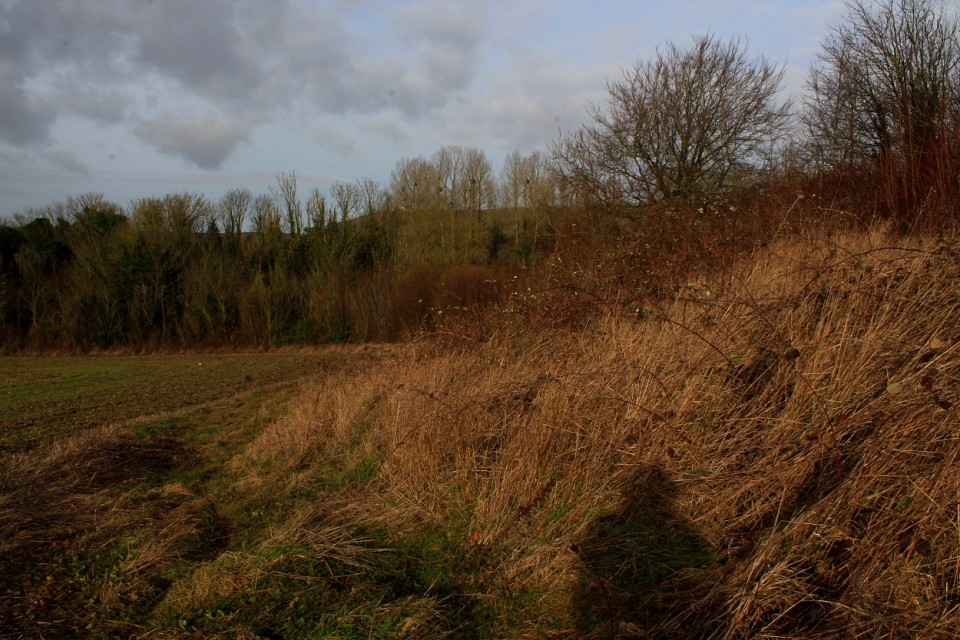
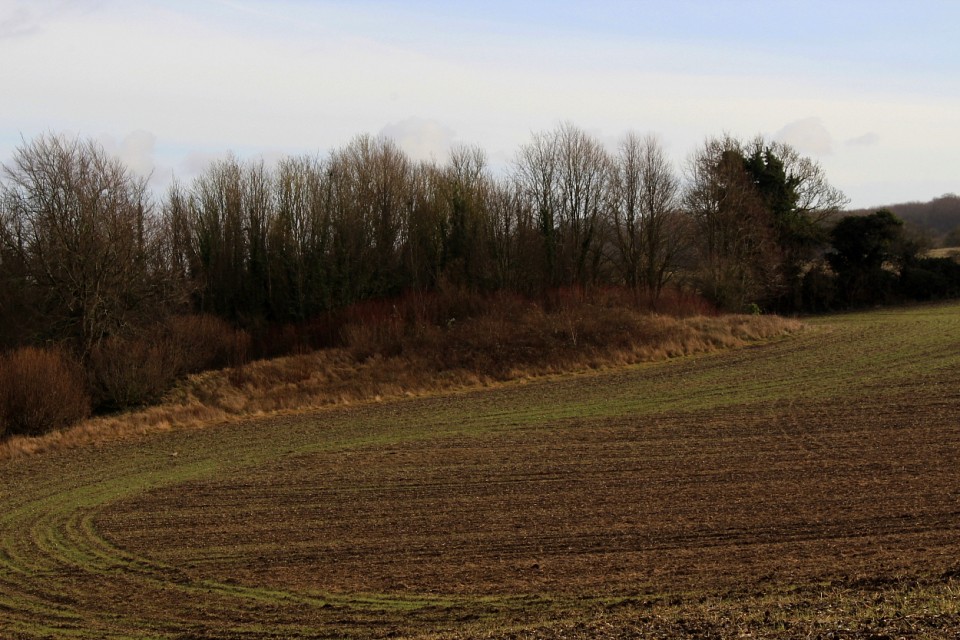
Julliberrie's Grave (Long Barrow) — Links |
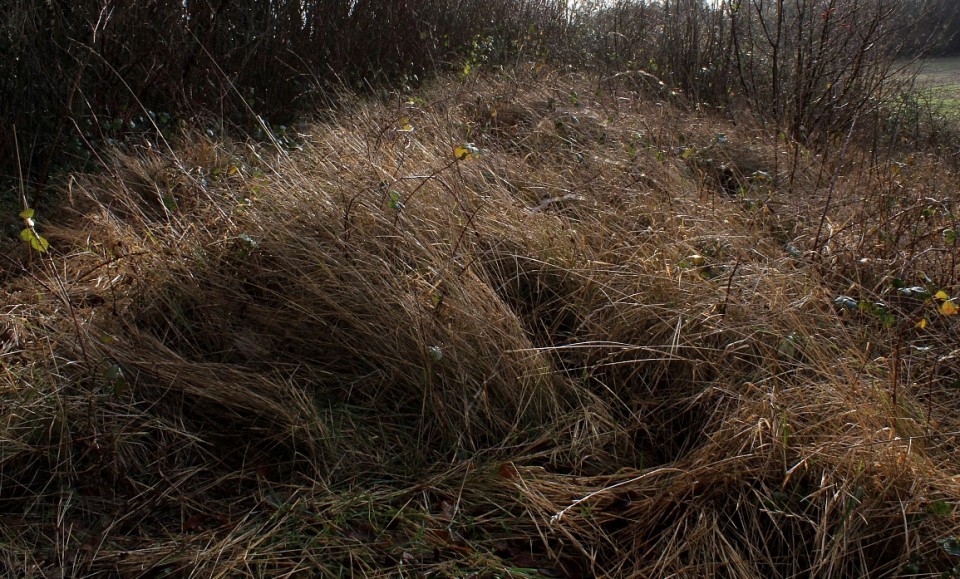
Julliberrie's GraveIt's up there somewhere - honest. |
Posted by GLADMAN 17th February 2024ce |
Julliberrie's Grave (Long Barrow) — Images (click to view fullsize) |
   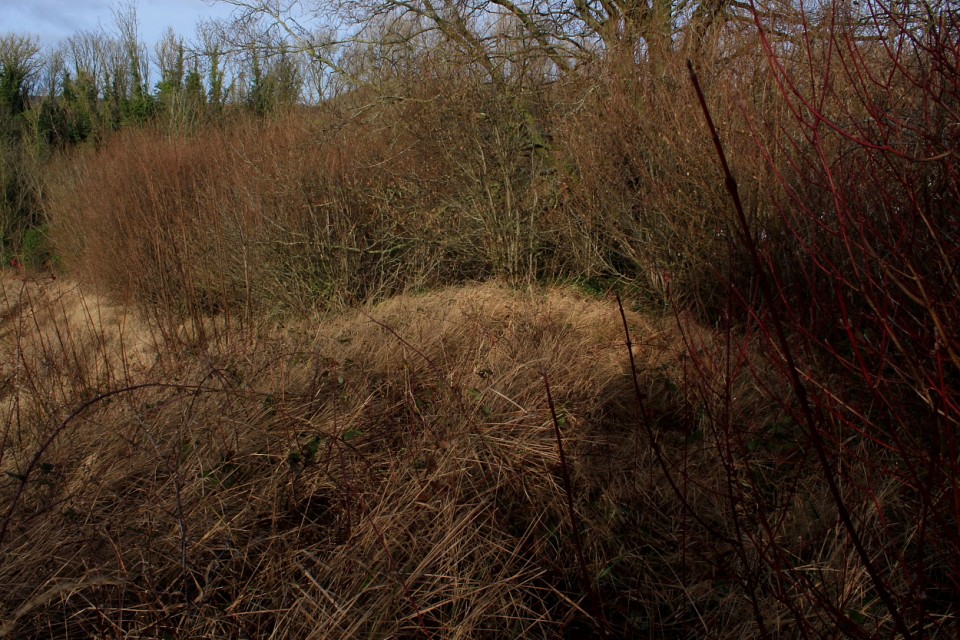 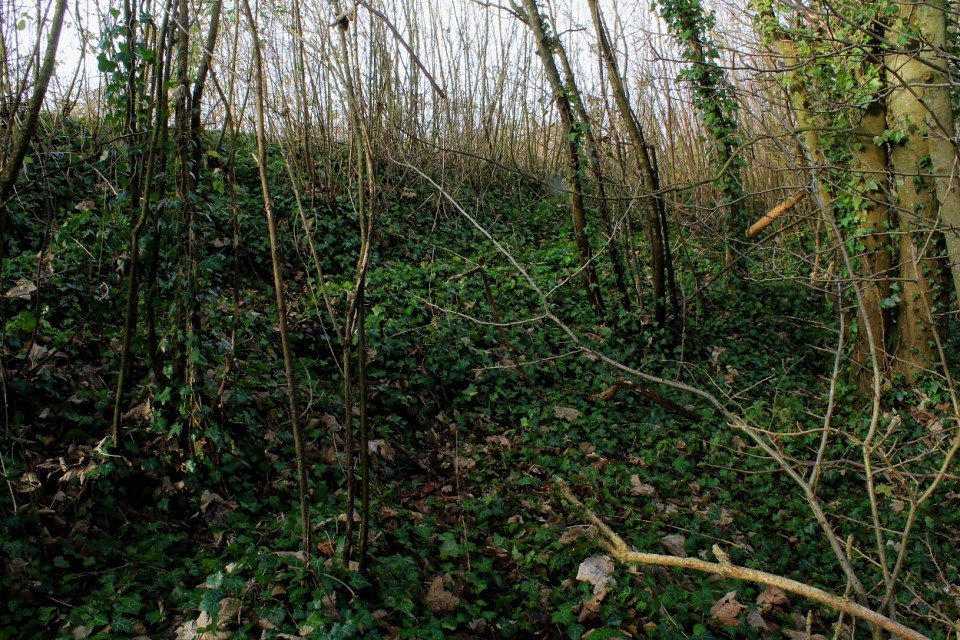 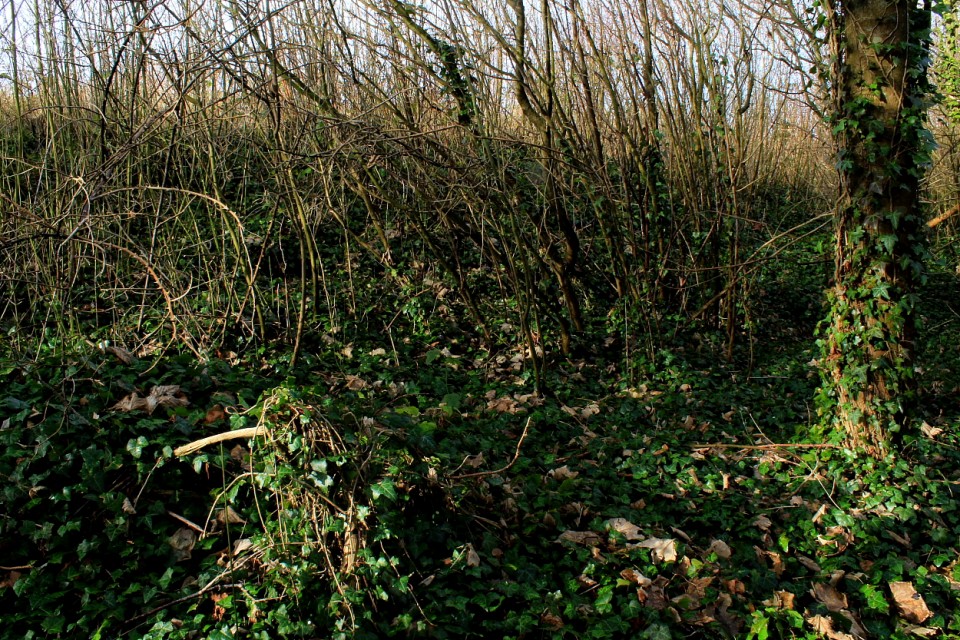 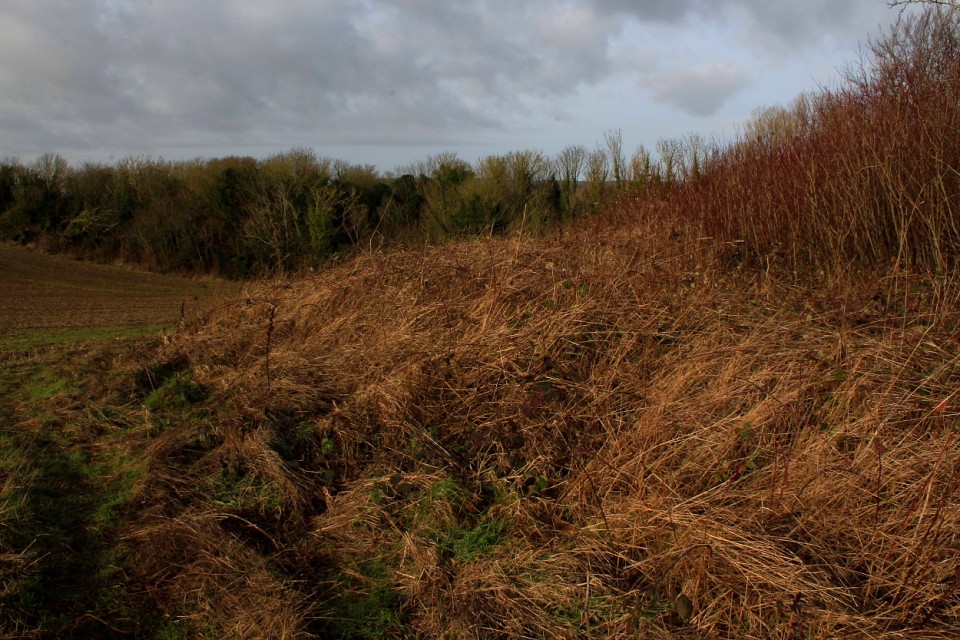 
|
Posted by GLADMAN 5th February 2024ce |
Showing 1-10 of 685 posts. Most recent first | Next 10
 Top of page