|
 Log in |
Register Log in |
Register
|

|
|

Capel GarmonChambered Cairn
|


 Show map (inline Google Map)
|
|
|
Images (click to view fullsize) |
 Add an image Add an image |
Photographs: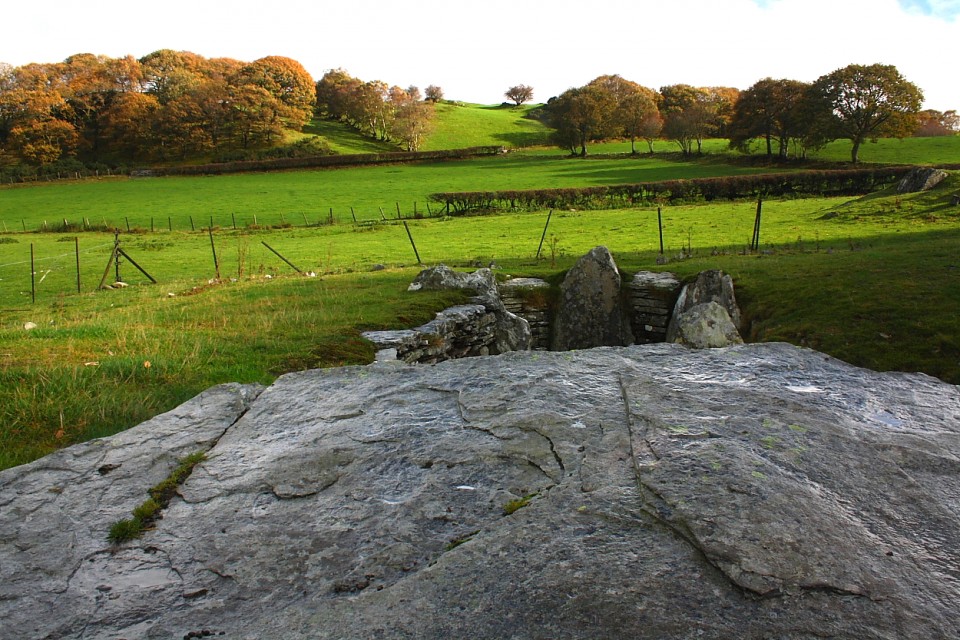










 Maps / Plans / Diagrams: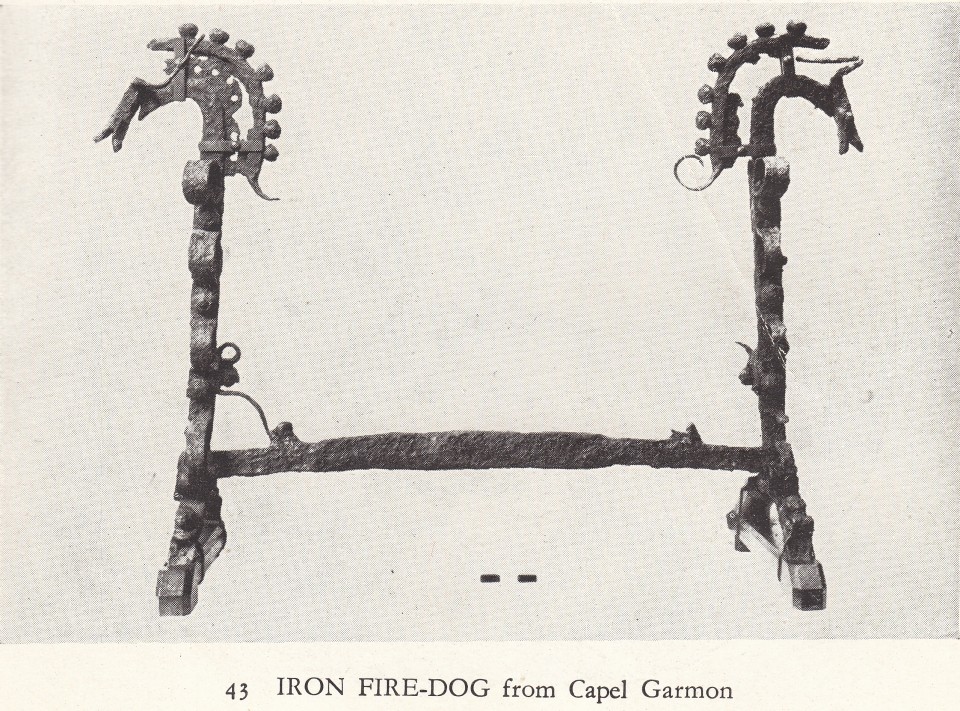
 Artistic / Interpretive: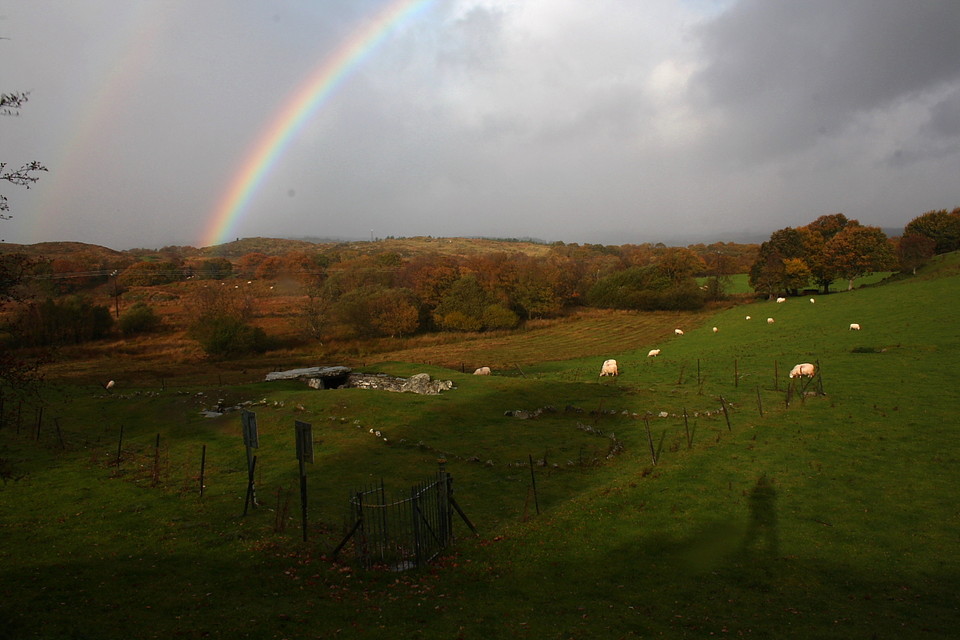
|
Fieldnotes |
Add fieldnotes |
|
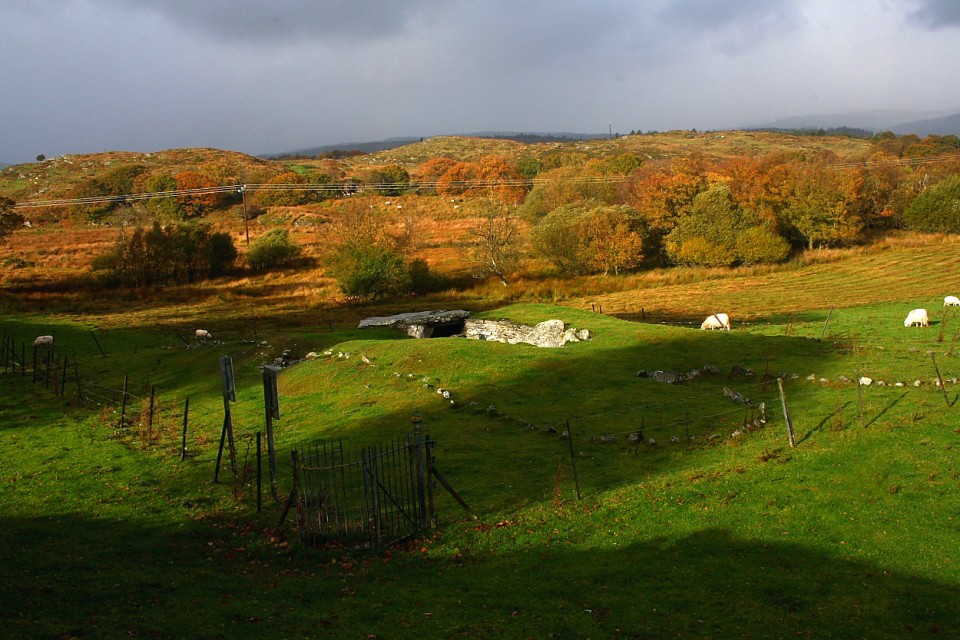
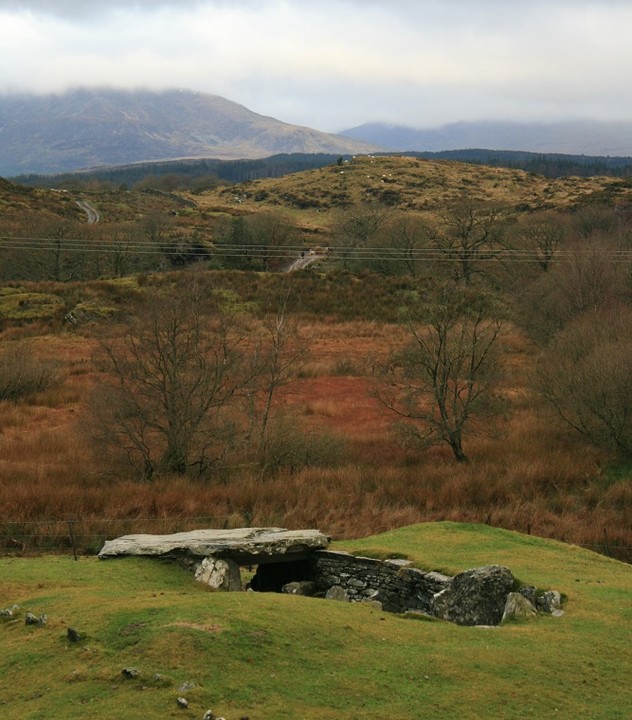
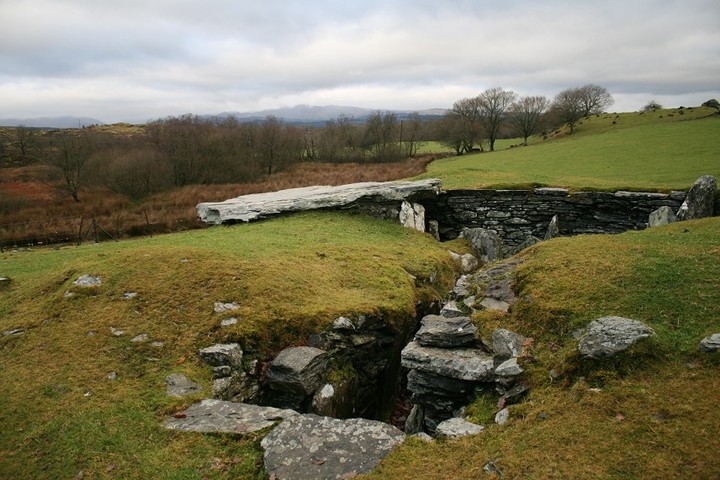
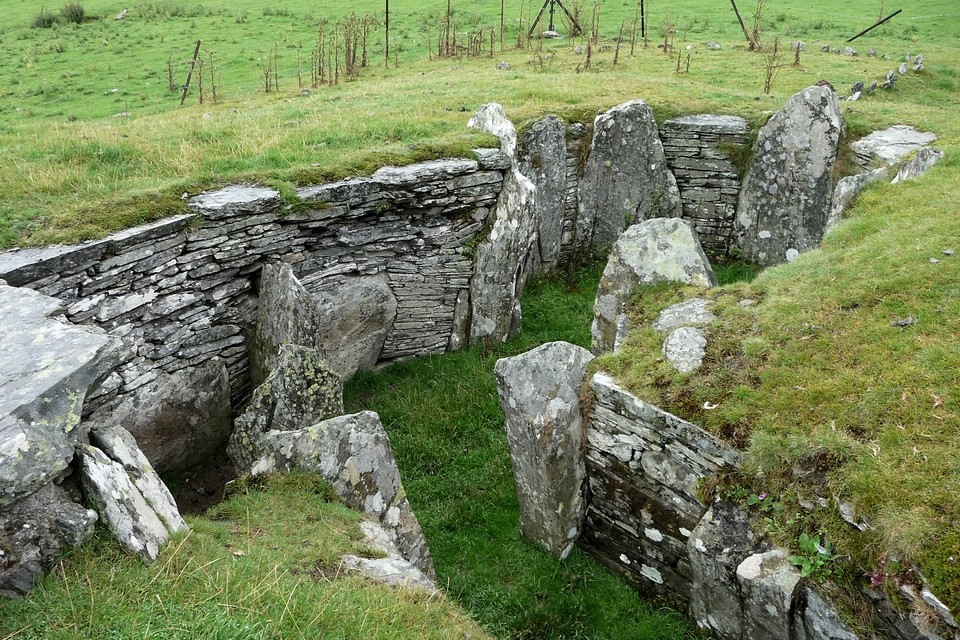
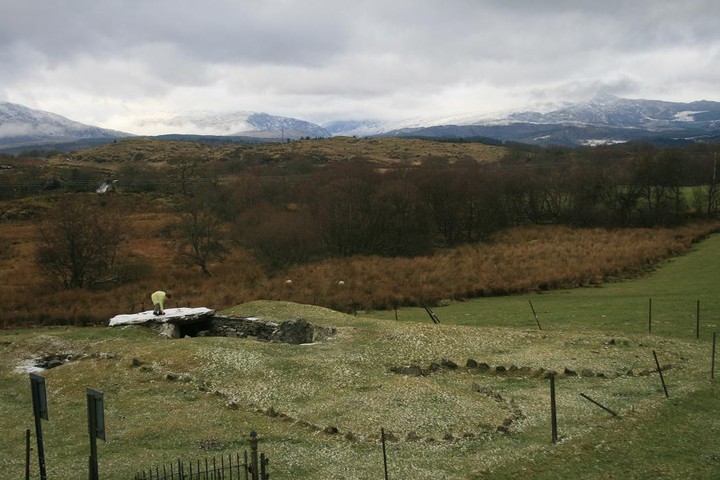
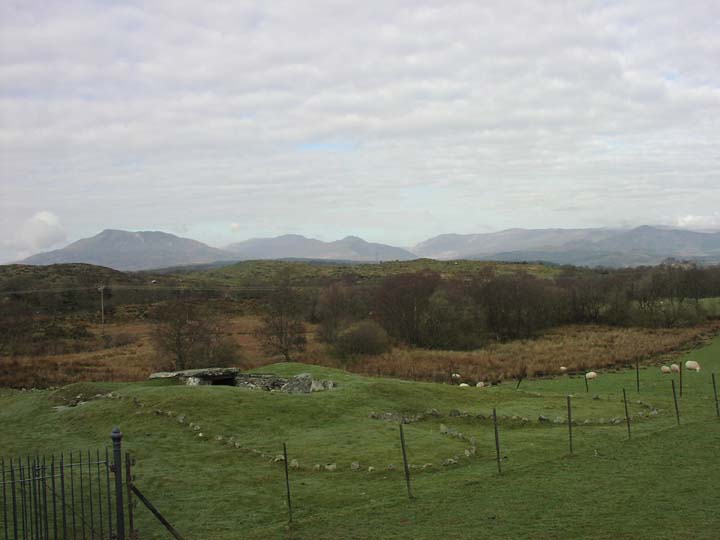
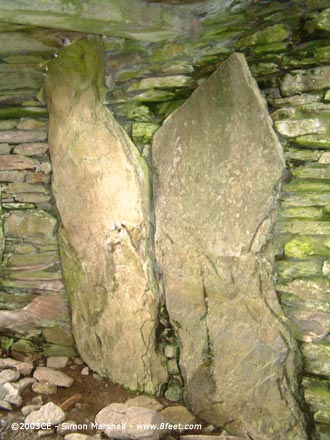
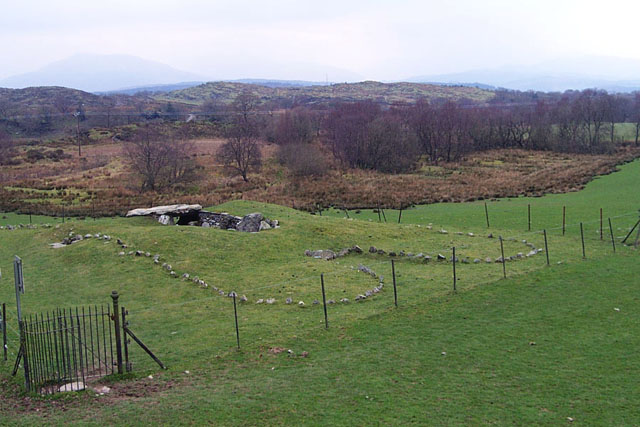
Visited Thursday 5th June, as part of a walk taken from 'Best Walks in North Wales' by Carl Rogers. The famous Victorian 'Fairy Glen' just above the Afon Conwy was at the start of this walk and of course a visit was compulsory on this beautiful warm June day (the best day of the week in weather terms). After visiting the Fairy Glen we crossed the lane to start the very steep zig zag walk up through a wooded area to eventually arrive on a peaceful lane leading to the village of Capel Garmon. Before entering the field to the tomb we had to run the gauntlet of a very barky border collie belonging to a nearby farm. Capel Garmon burial chamber is described as "... one of the best examples of a Neolithic burial chamber in the locality and also has one of the finest settings - backed by a panorama of Snowdonia's highest peaks." Very similar to some of the burial chambers to be found in the Cotswolds. "The remains consist of a triple chamber faced with drystone walling as well as large upright stones using the post and panel technique." A wonderful site in a stunning location. |
 Posted by tjj
8th June 2015ce |

|
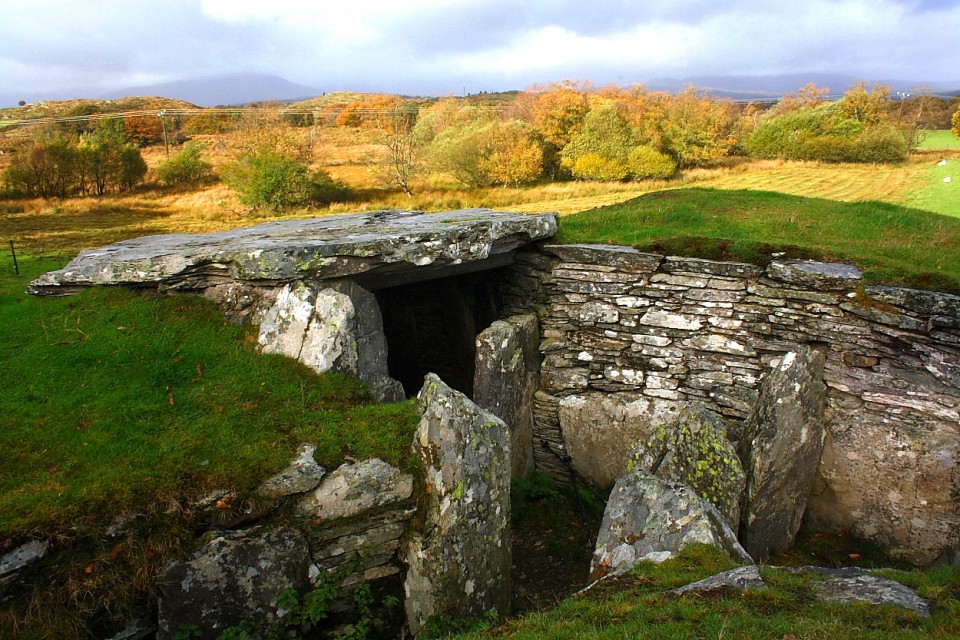
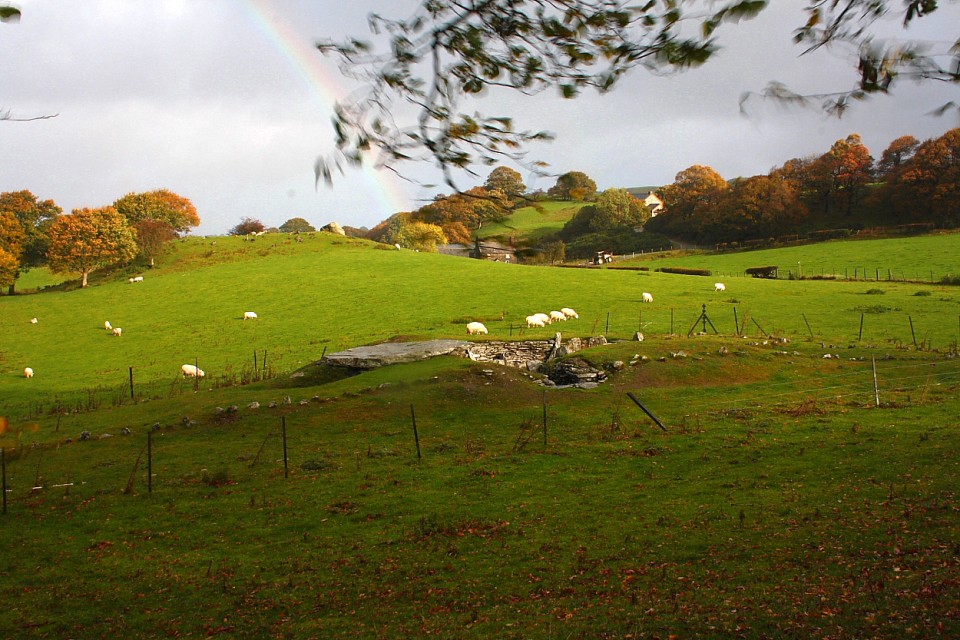
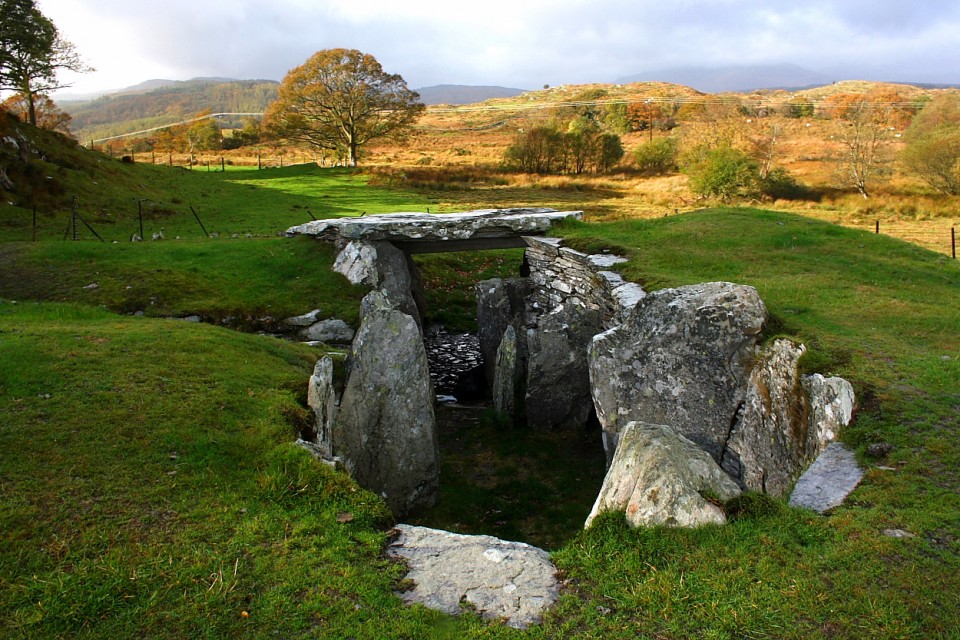
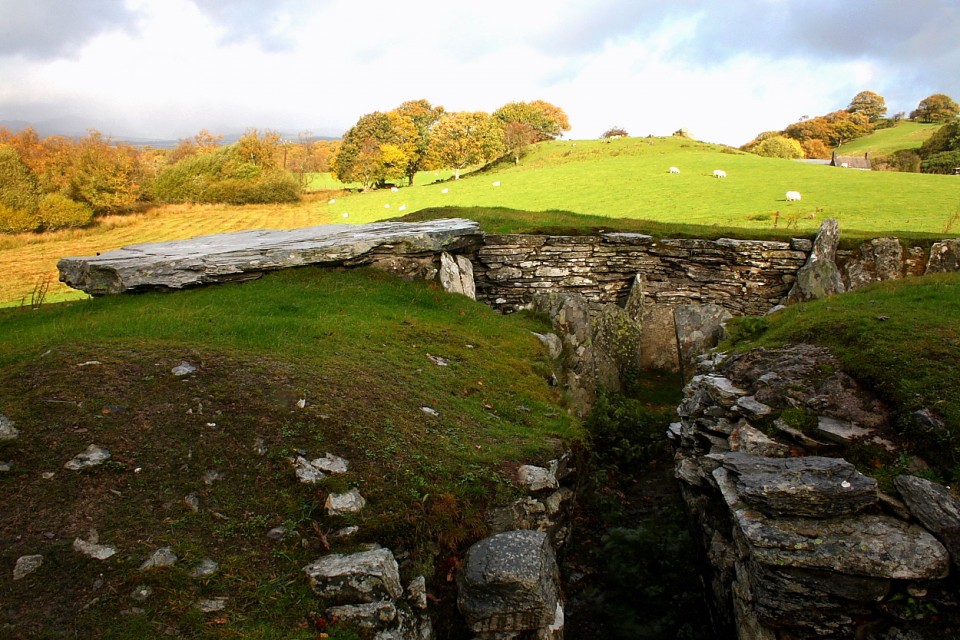
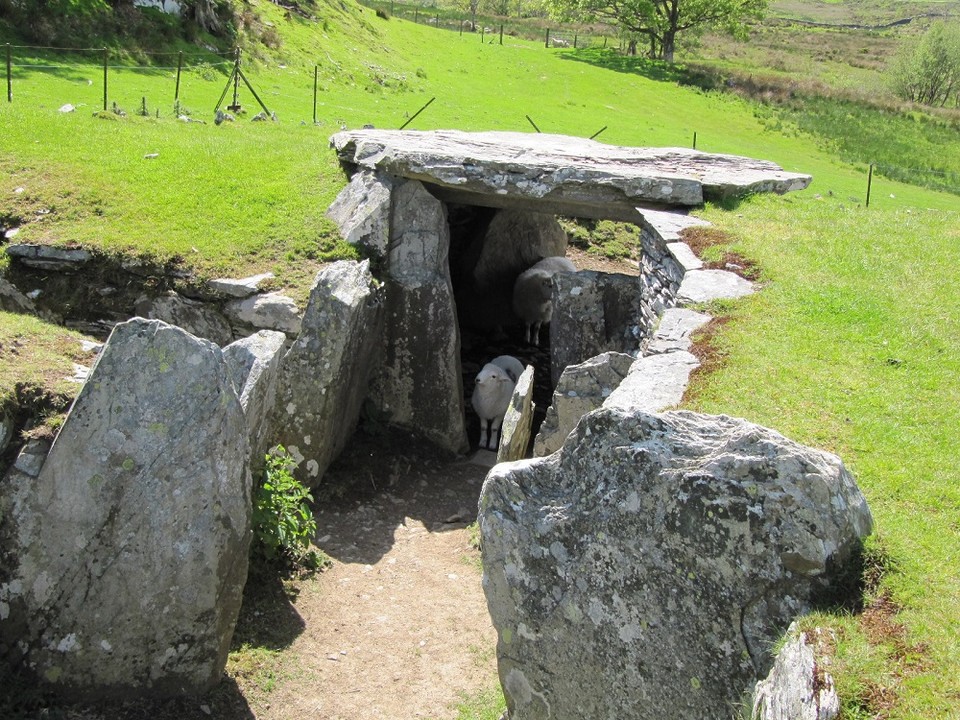
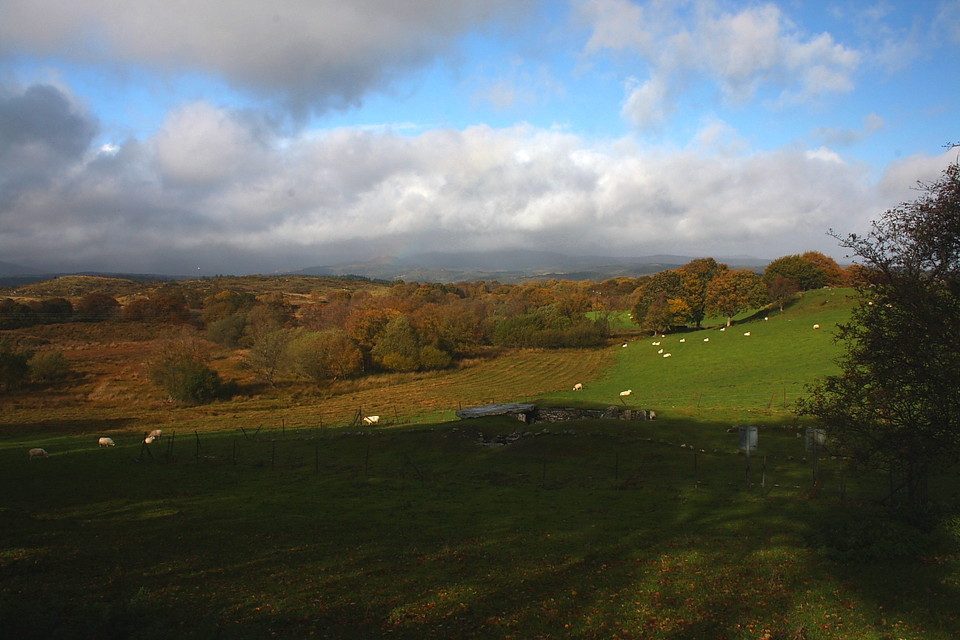
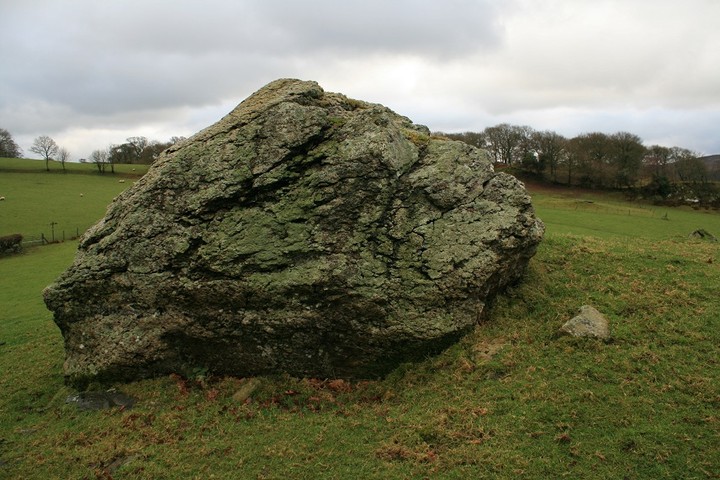
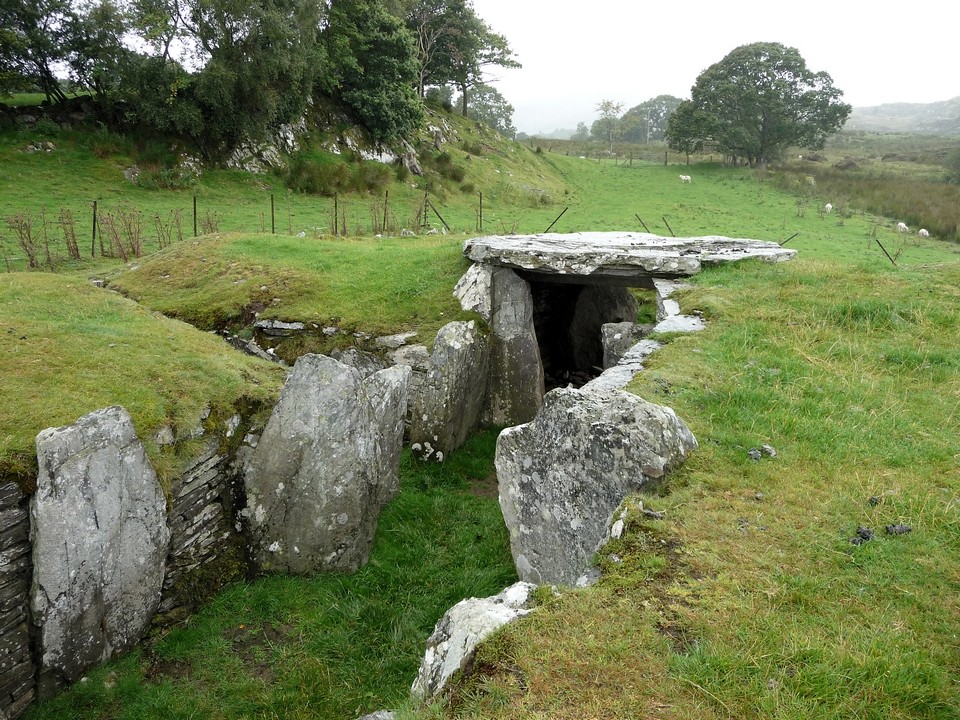
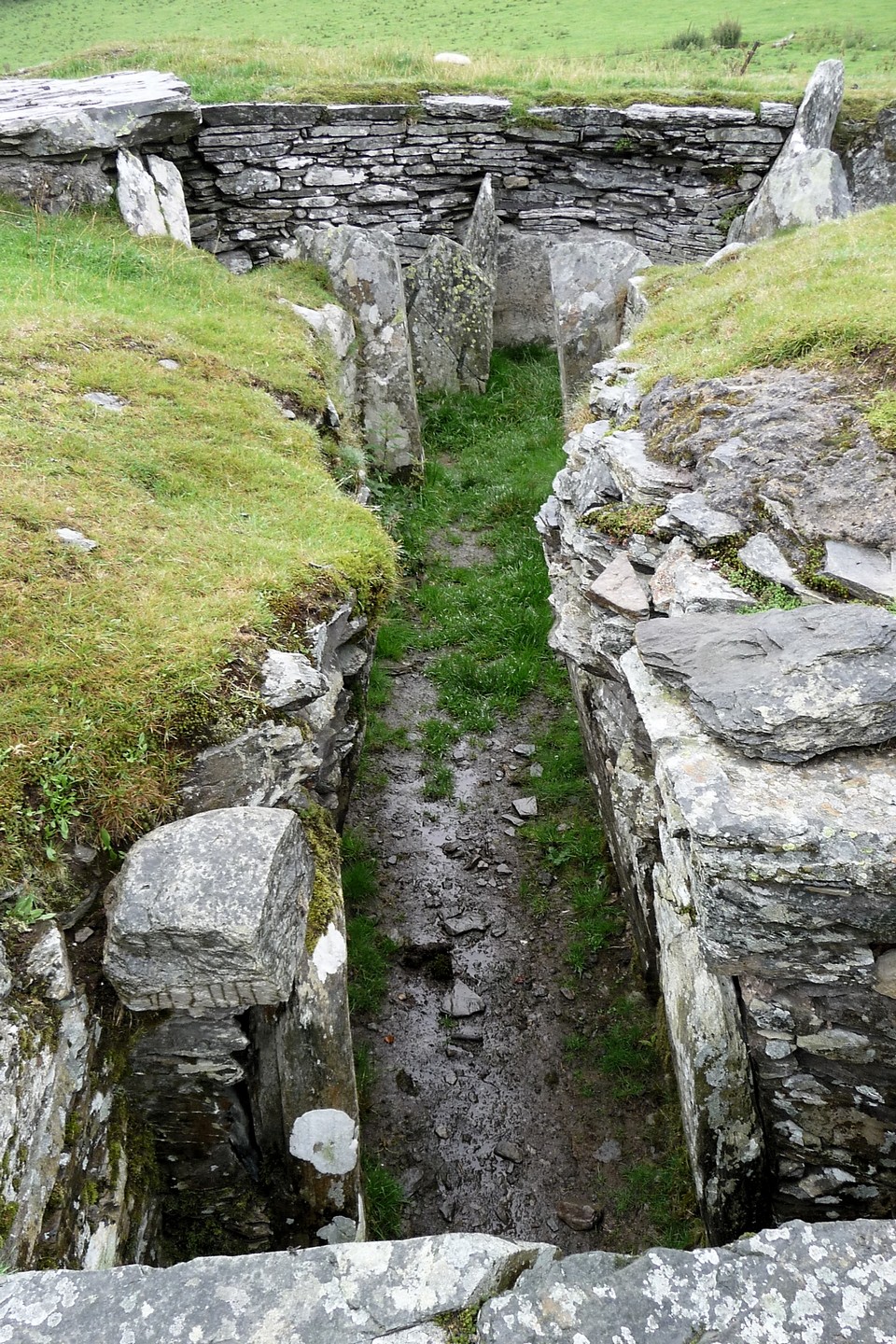
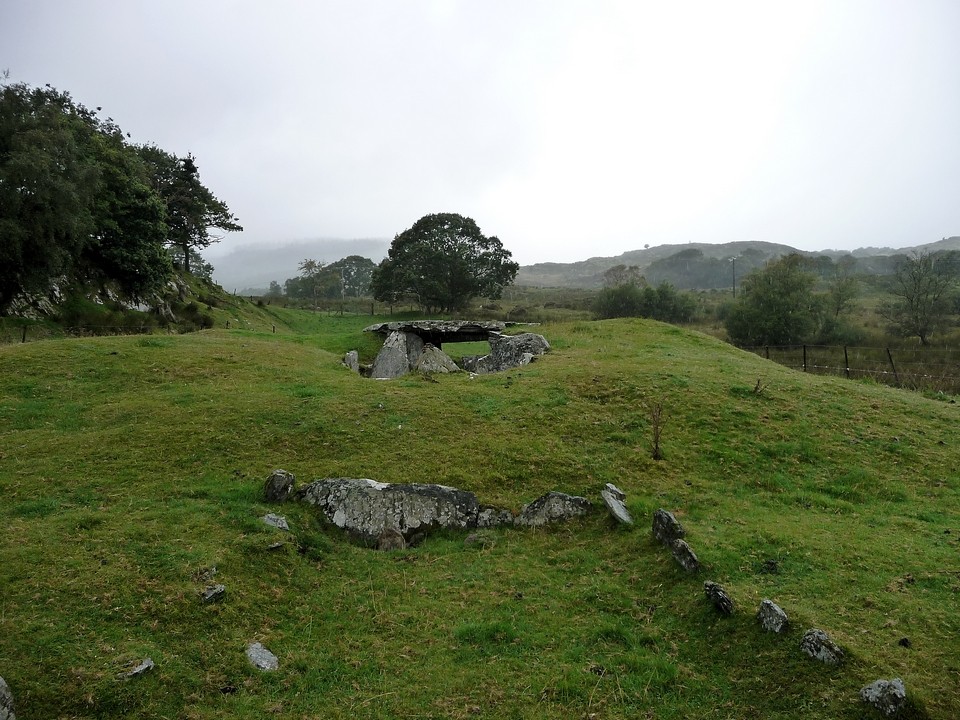
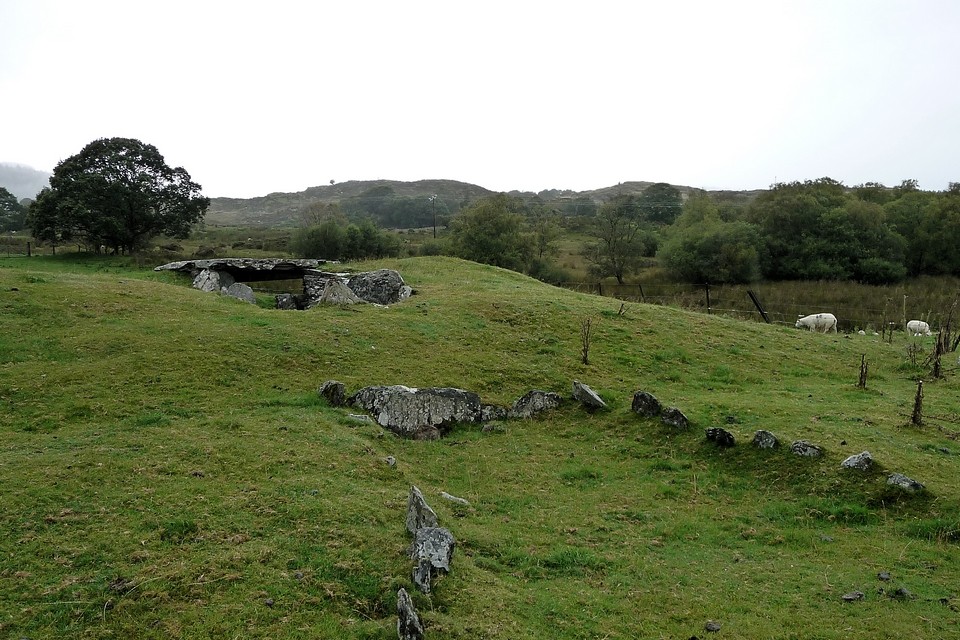
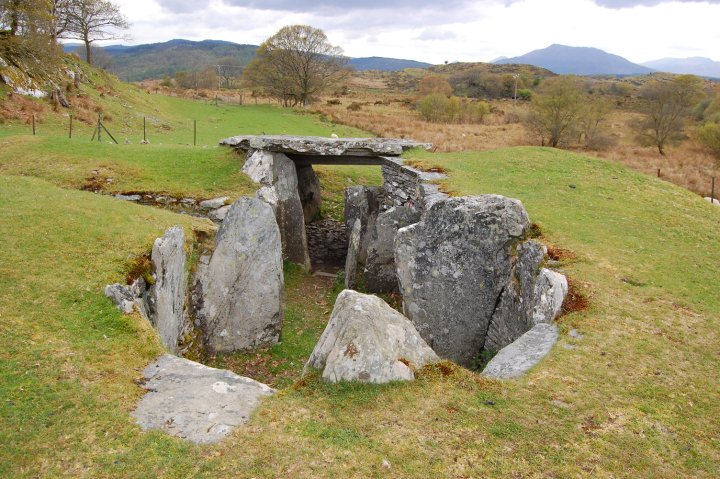
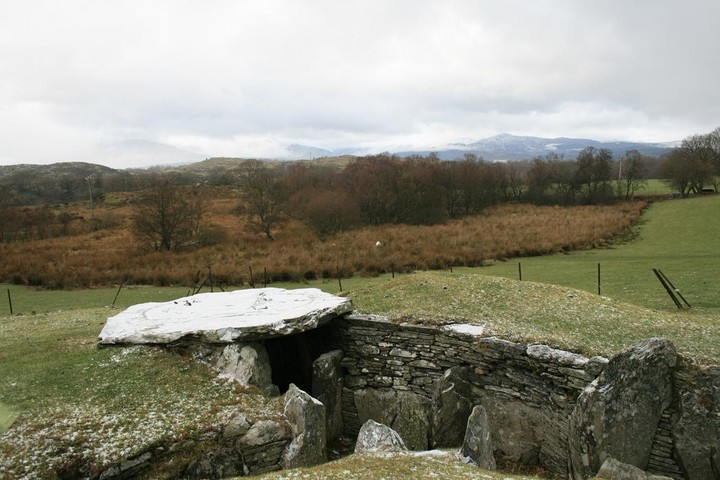
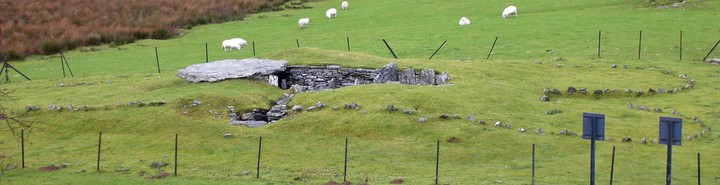
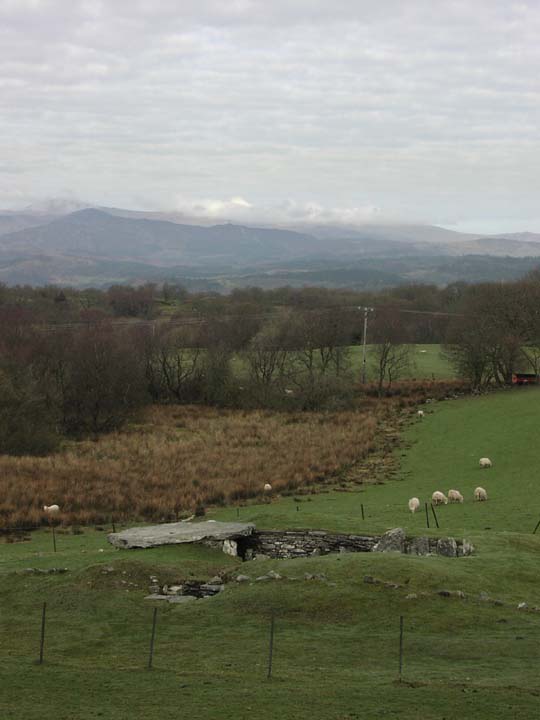
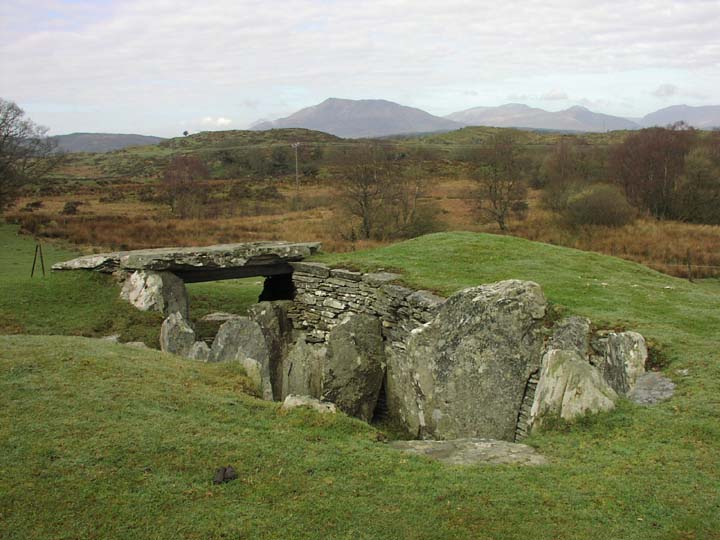
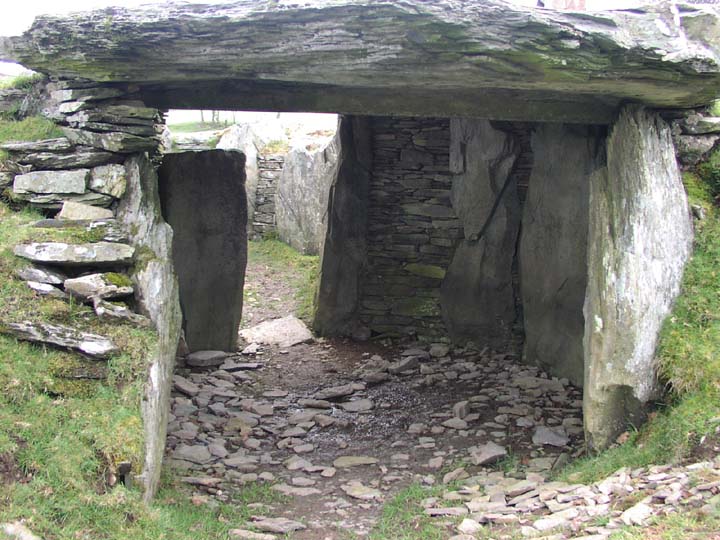
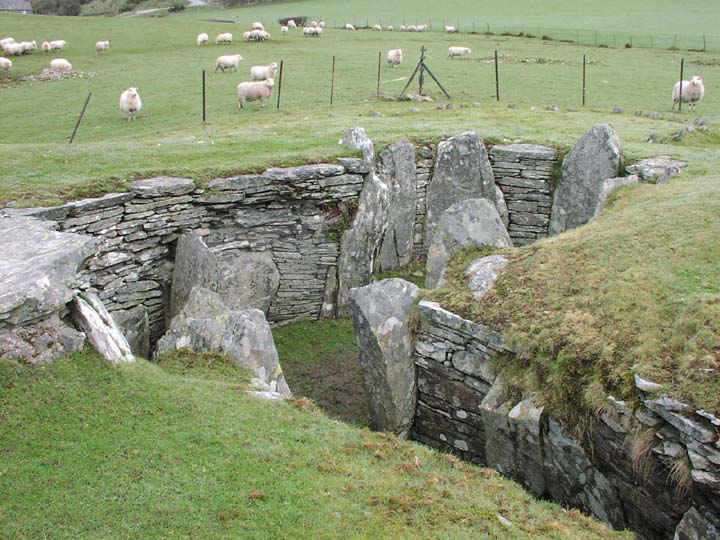
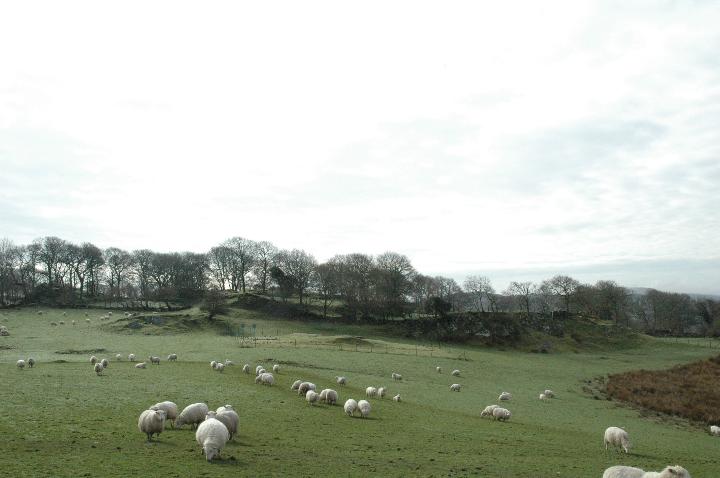
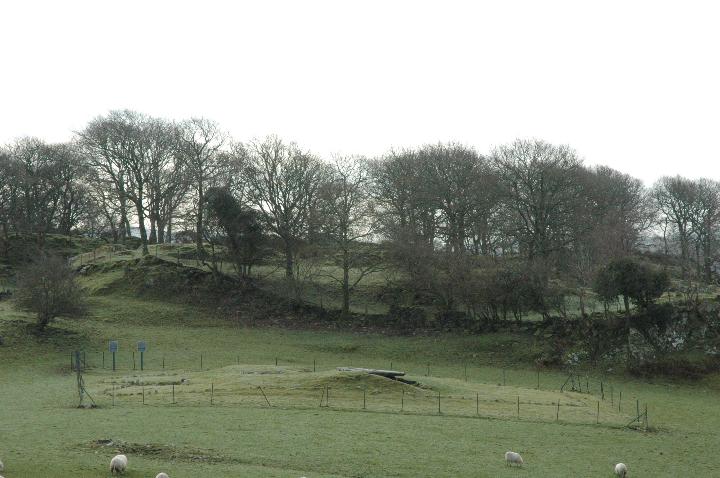
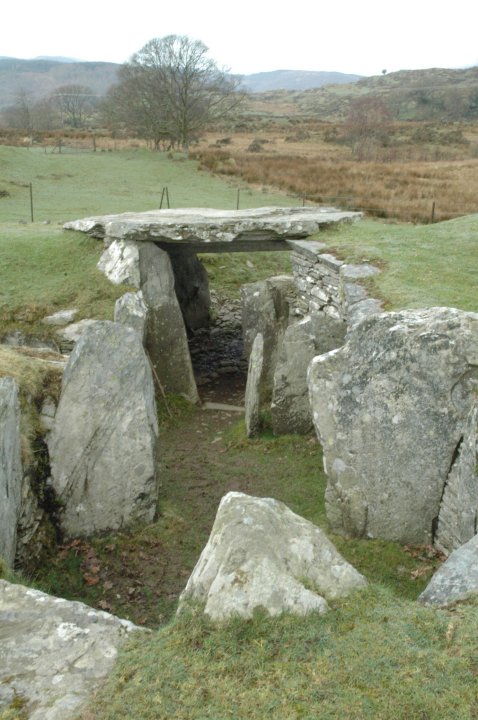
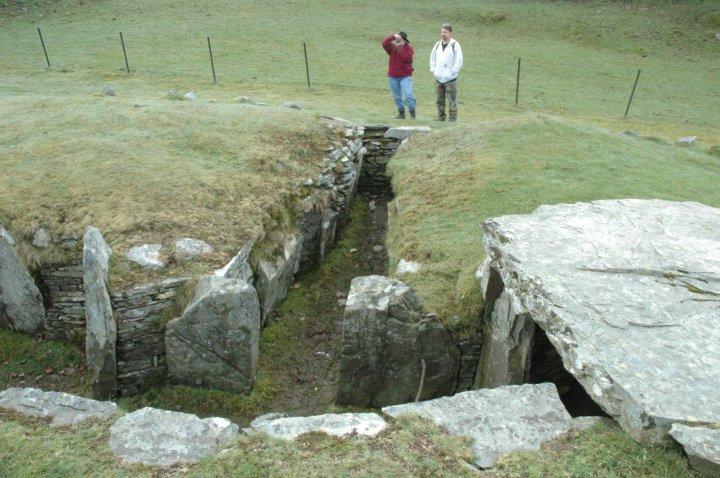
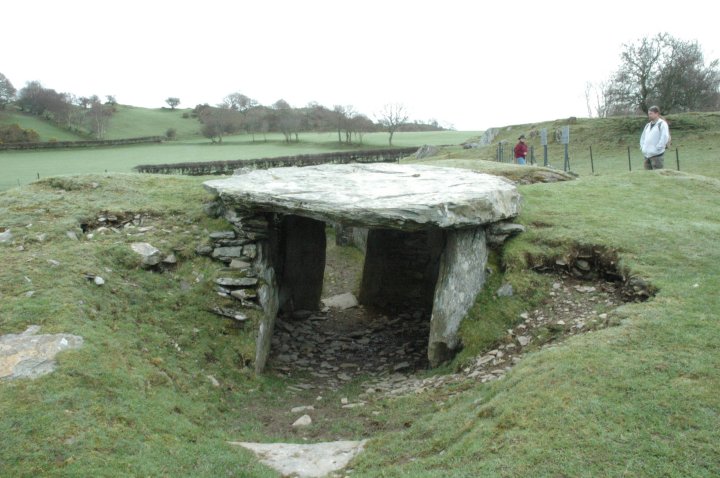
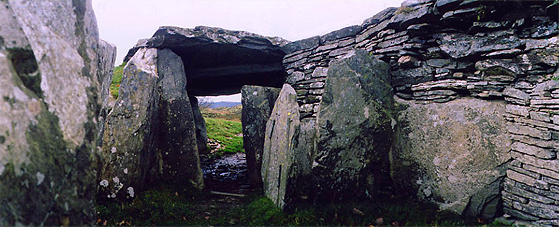
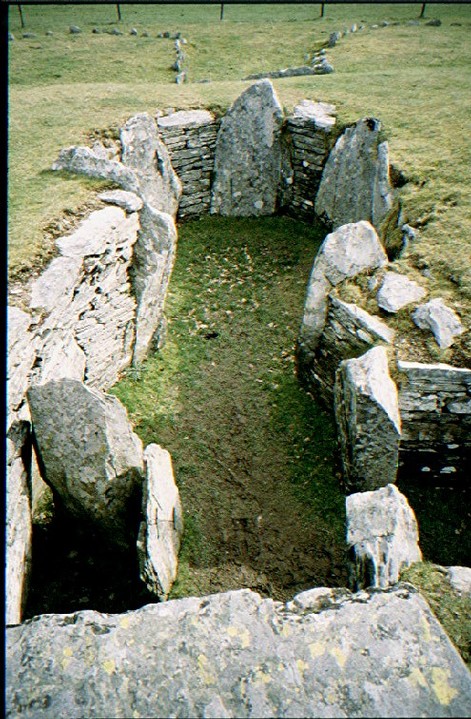
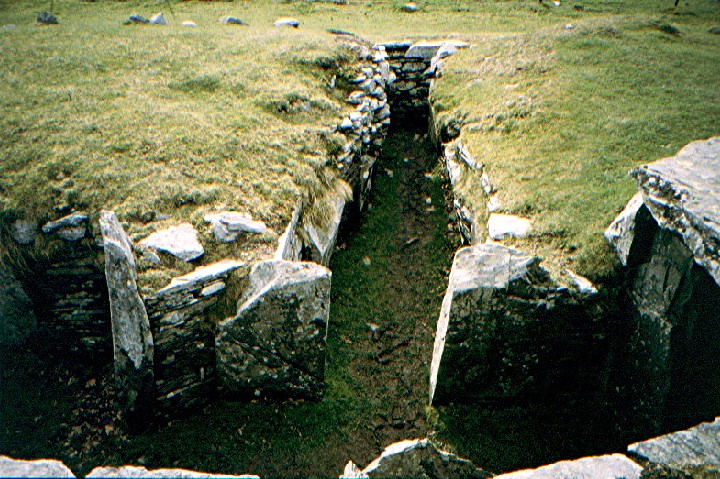
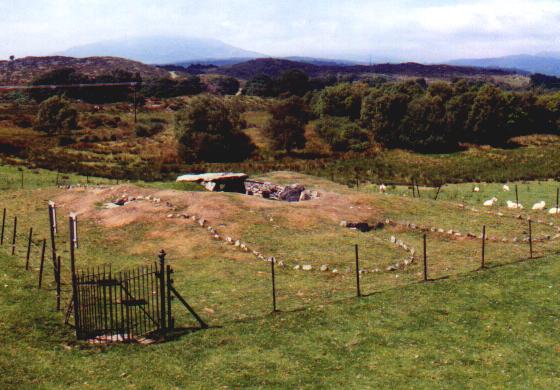
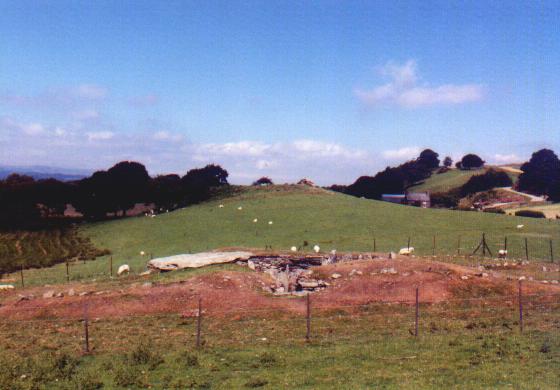
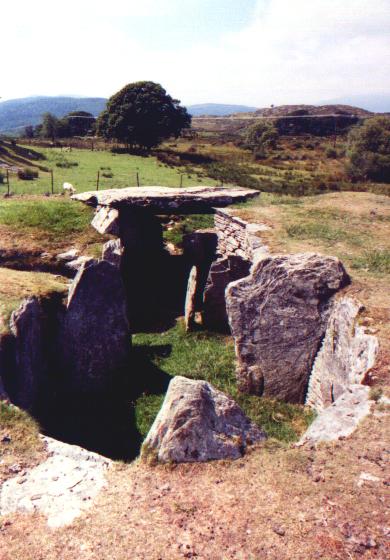
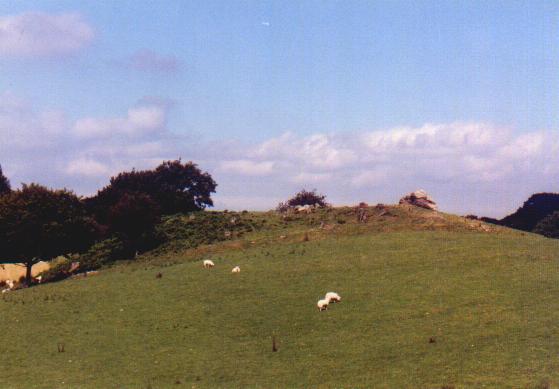
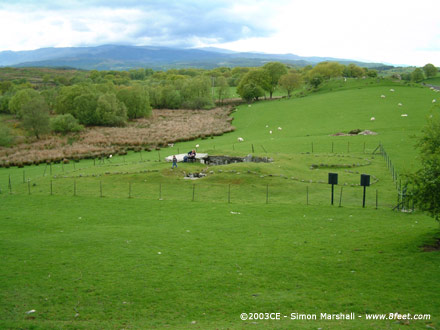
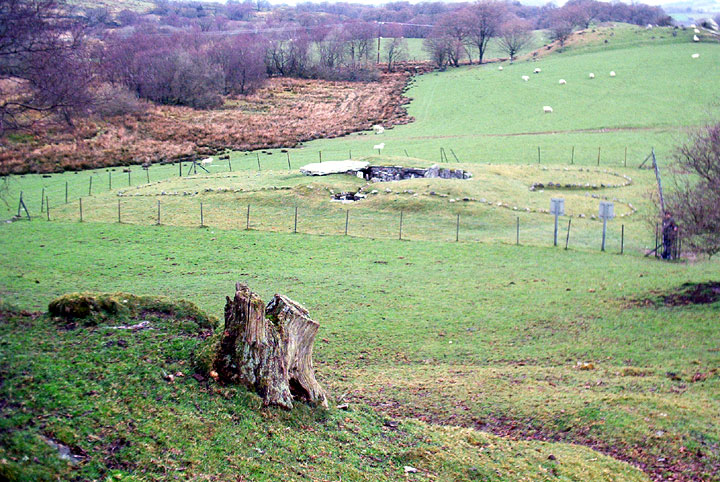
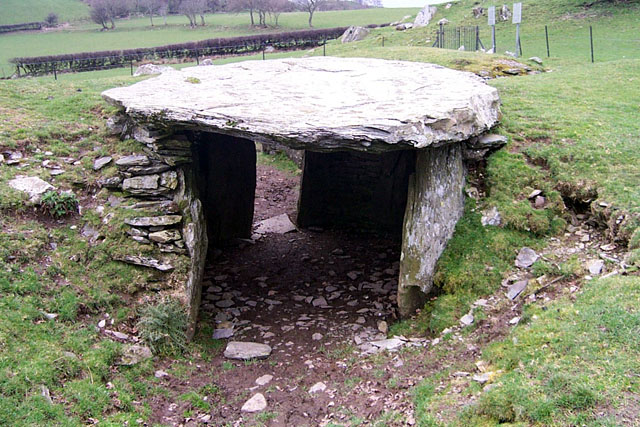
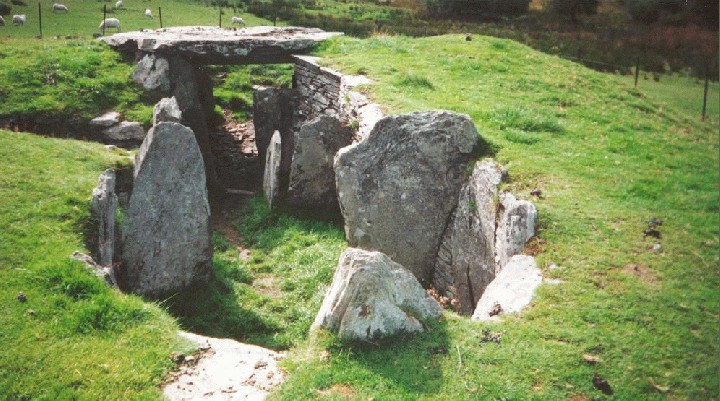
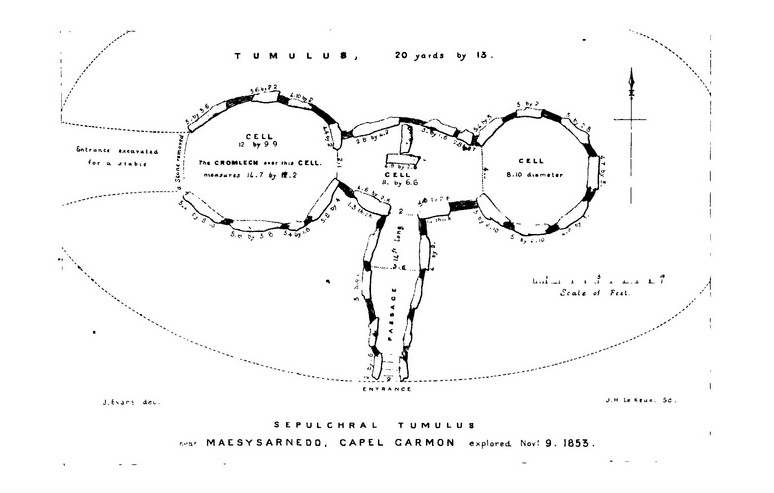
Dawn arrives at Fferm y'Rynys - a little under a mile below and to the south of the great chambered long barrow standing mute testimony to millennia of humankind's ultimately forlorn attempts to tame this wild, uncompromising landscape - to witness my tent.. somehow.. still clinging to this North Walian hillside, like a particularly stubborn limpet upon the foreshore beneath Penmaenmawr, having defied the unwelcome attentions of Hurricane Gonzalo's swirling extremities during the night. Well, at least the meteorologists named this latest manifestation of Nature's destructive power after a male, albeit (presumably) one from Shakespeare's 'Tempest'. How poetic. Anyway, having just about managed to avoid dashing out what brains I do possess upon Tal-y-Fan's summit crags the previous day, I wisely resist the siren call of the high peaks, as exemplified by the soaring profile of Moel Siabod to the west. Must be getting old. So Capel Garmon it is. Ironically, despite having patronised Gareth and Carol Williams wondrous campsite more-or-less every year since 1989, this is but my third visit to the superb neolithic monument which overlooks the fertile Conwy Valley at its juncture with that of the Machno. As noted by previous members parking/access is not ideal if approaching from the village of Capel Garmon. Hence I decide to finally take Carol's advice and walk from my tent. Hey, why hadn't I thought of that before? Standing at the campsite entrance the access road continues uphill beyond a gate, the negotiation of a couple more such barriers bringing me to a public footpath veering left where a large corrugated iron barn looms above. From here marker posts direct the would-be visitor across a couple of fields until the great funerary monument is seen slumbering below, beyond a kissing date. Yeah, this is a much better way to arrive, blown in on the wind. Immediately it is obvious that Gonzalo hasn't finished yet, not by a long chalk. Violent gusts of wind propel towering cathedrals of cumulonimbus across the sky, unleashing shafts of golden sunlight interacting with lashing rain squalls to send rainbows arcing into the apparent stratosphere, tripping the light fantastic to the symphony in my head. The scene, the vibe is so 'Turner-esque' that, upon glancing toward the natural gorsedd to the north, I almost expect to see Timothy Spall sitting there, paintbrush in hand. Nature's invigoratingly full-on theatrics would be more than enough today, to be fair. However Capel Garmon happens to be an absolutely first rate monument.... Substantial, too, a central 'chamber', flanked by another large example either side upon an approx east-west axis entered - at least originally - by a narrow passage to the south, this seemingly aligned upon the aforementioned gorsedd (as noted by Mr Cope in his day-glo tome). Seems a reasonable assumption to me. However for me the most impressive component of this great chambered long barrow is the massive capstone which still rests, albeit with a bit of help from a surprisingly unobtrusive concrete support, upon the western chamber. This is open to the west giving the impression of being the entrance. But apparently, in true Cotswold-Severn tradition, this was actually a falsie. More to the point though is why we have a Cotswold-Severn influenced monument up here upon a raging Snowdonian hillside at all? How very odd. Pondering such imponderables I sit inside and let a couple of hours drift by in relative shelter. 'Relative' since even the overwhelming mass of a 14ft capstone isn't sufficient to keep out the weather in these parts today. Particularly tail ends of hurricanes. In some ways Capel Garmon's great tomb sticks out like a sore thumb here in the uplands of Northern Snowdonia, the preserve of the great Bronze Age round cairn. But I, for one, am not complaining. |
 Posted by GLADMAN
18th November 2014ce Edited 19th November 2014ce |
| Visited this site last summer whilst spending a few days in Bala. This is a lovely place to visit on a warm summers day. The chamber itself was larger than I expected and in better condition. It was a nice experience to sit under the capstone and admire the dry stone walling. While we were there the local farmer was using two sheep dogs to round his flock up - something we all enjoyed watching. |
Posted by CARL 7th May 2010ce |
|
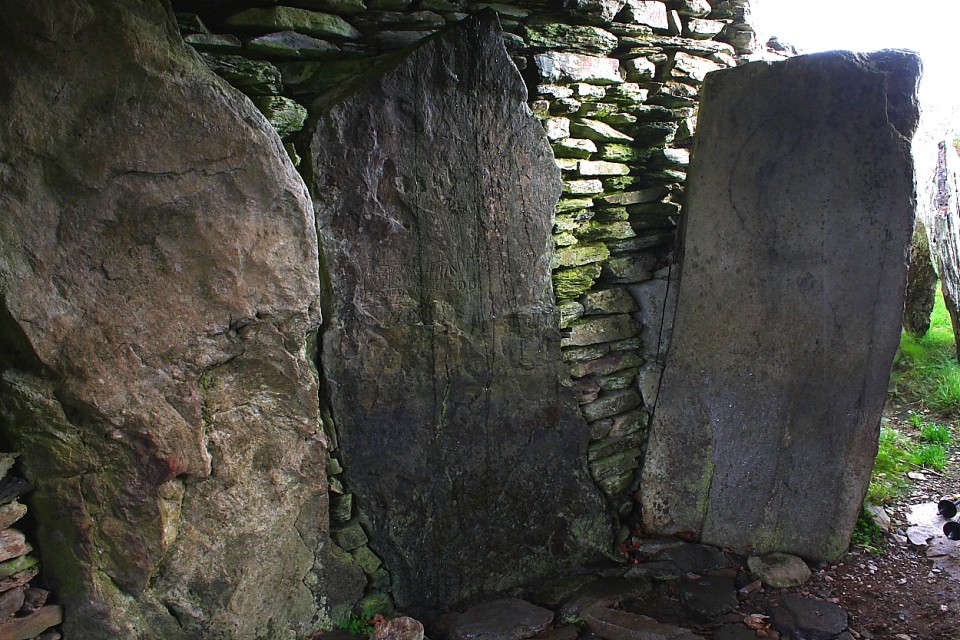
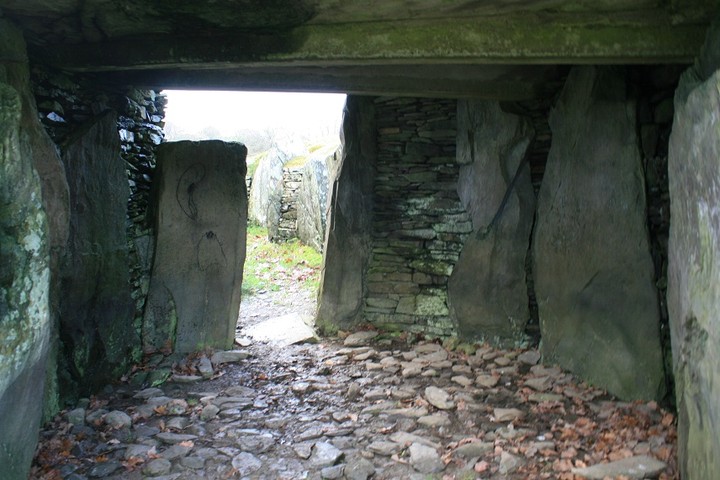
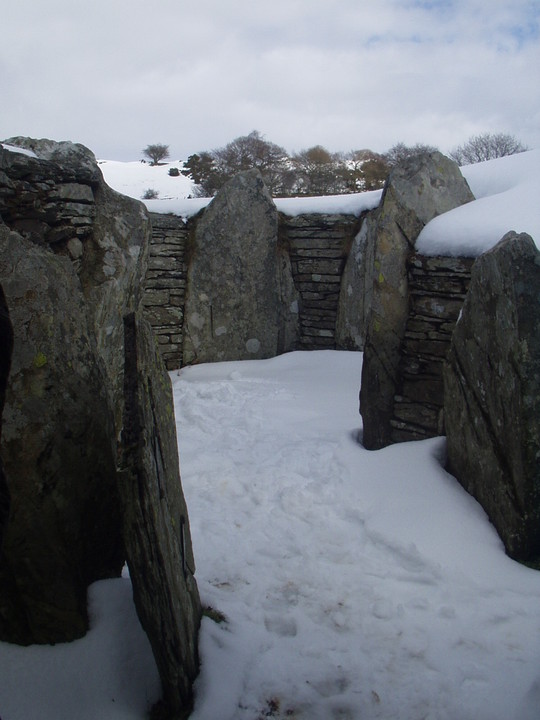
Seeing as we started the day with a big burial chamber it felt right to end it with one too, from one side of Snowdonia to the other. I can see why the farmer doesnt really like having folk over to gawp at the stones, there's nowhere good to park and your made to feel like your intruding (which we are), but this is such an important site some money should be spent on parking, up by the road maybe. Not quite the winter wonderland, more of a toenumbingarseendoftheyearland, but even in the snow and excepting the stick carrying farm dog, this is still a good place to be. The big capstone, the passage and side passage, with standing stones in the walls. Magnificent. Not bad |
 Posted by postman
19th December 2009ce |
|
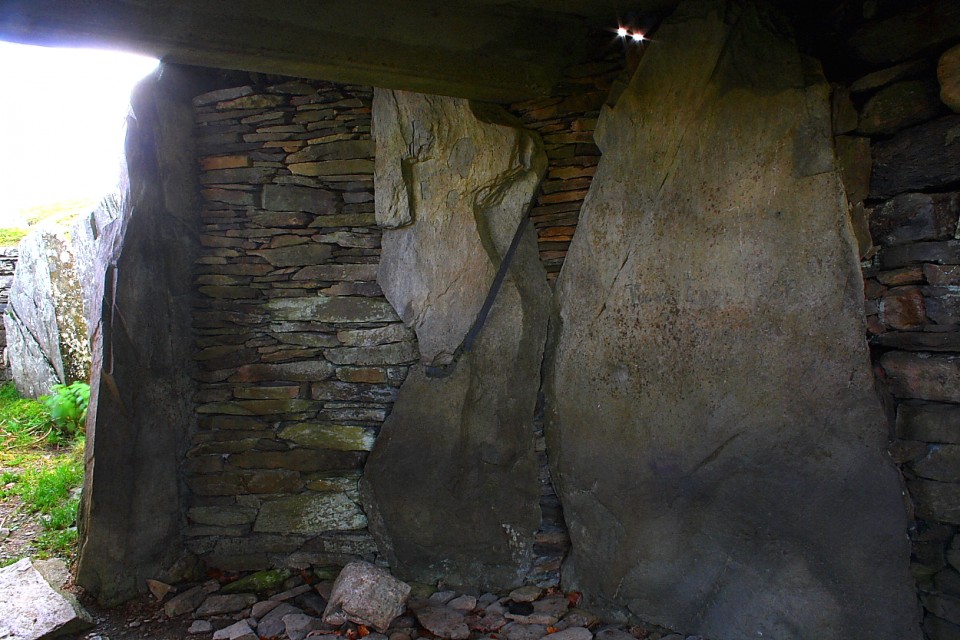
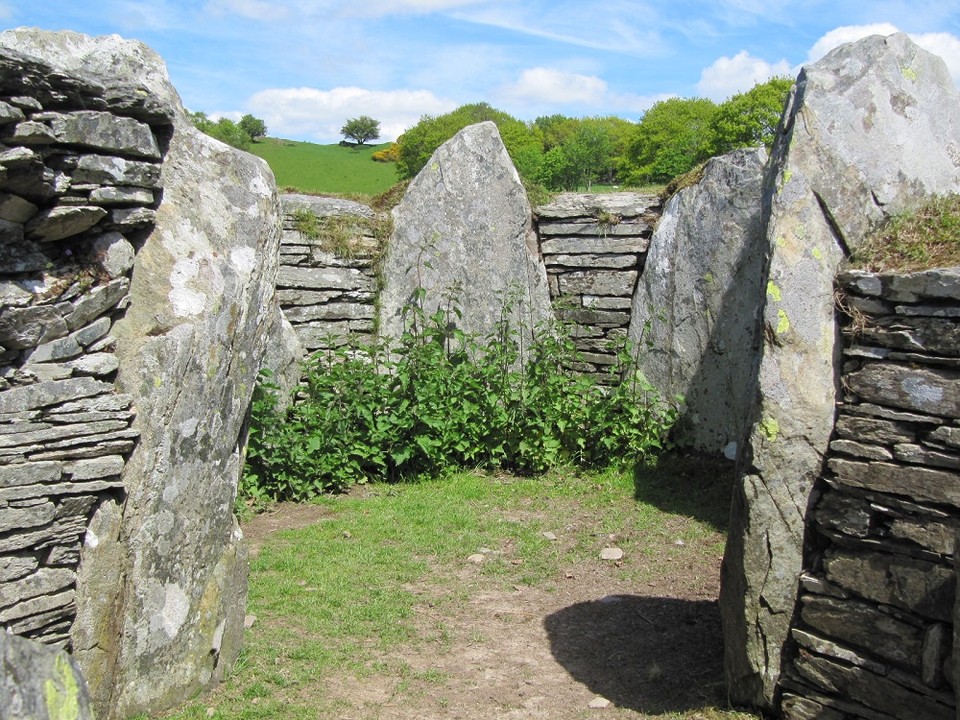
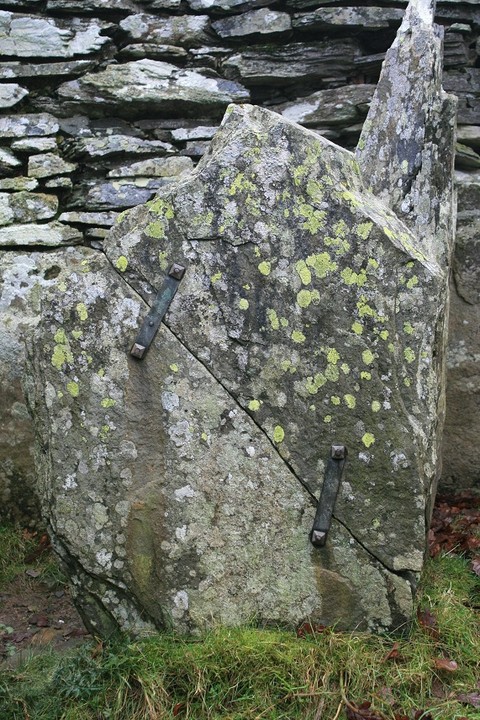
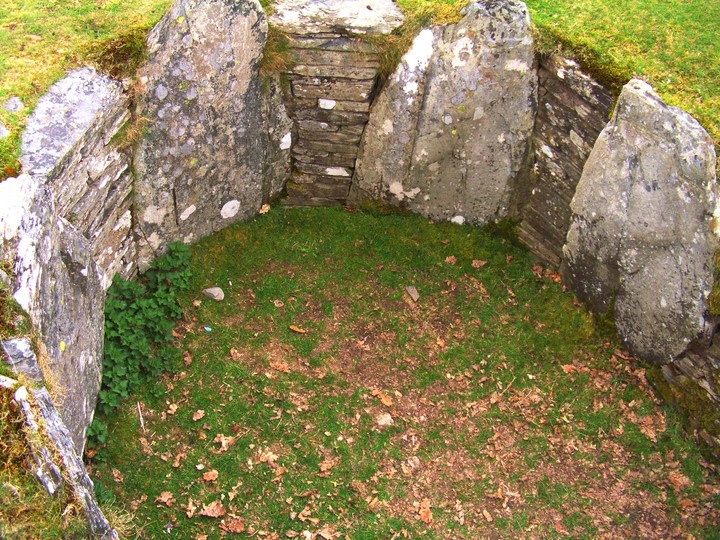
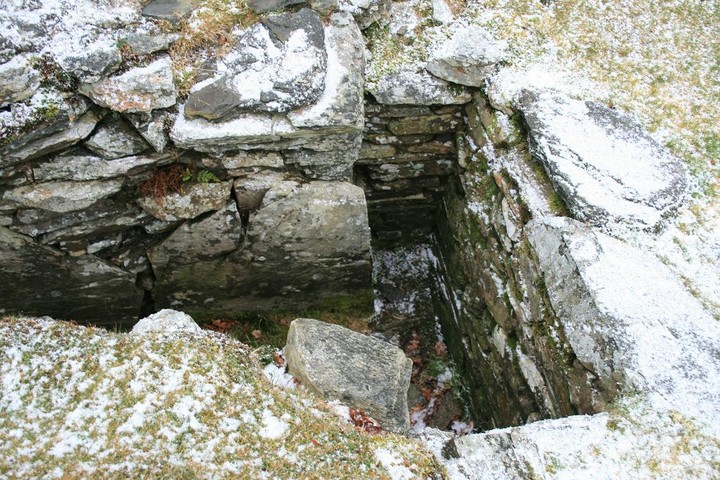
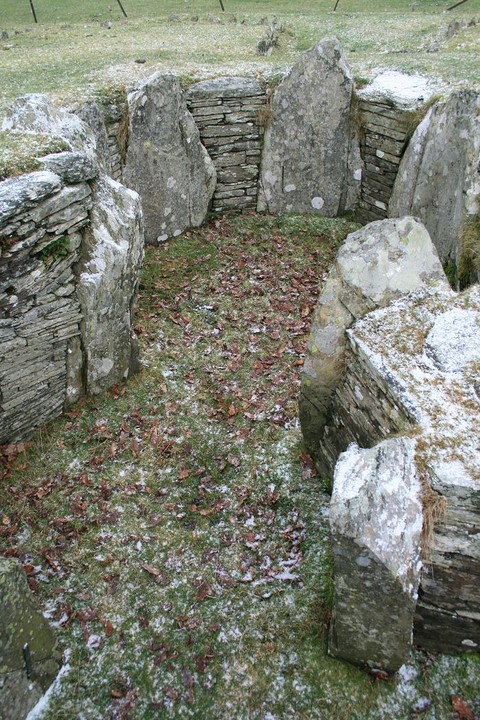
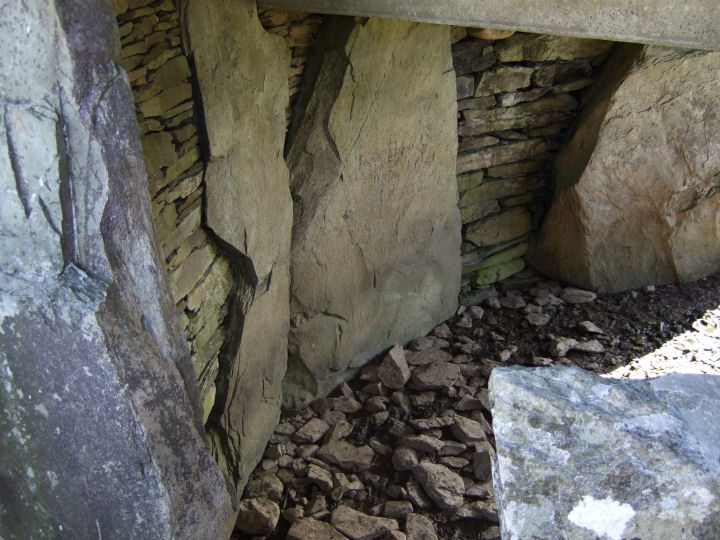
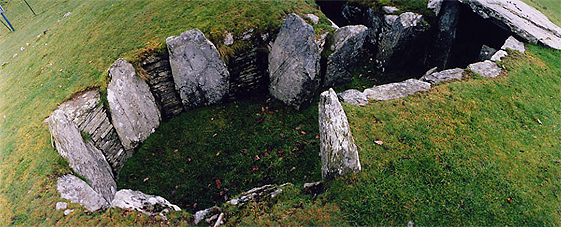
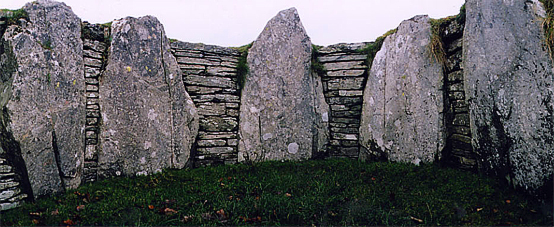
Another effective method the arresting Kate employed to seduce me. She brought me here on a glorious blue, russet, and gold autumn day, and blew me away. This place is so beautiful, peaceful and completely breathtaking. When Jane, Moth and I visited, a misty, slightly overcast sky greeted us, and lifted as we left – typically. Nonetheless, a superb view of Snowdonia was afforded which demonstrated beautifully why the ancestors chose this site. As ever, the placing of a Severn-Cotswold long barrow in the heart of North Wales fascinated me. Who were the builders? Were they a group of people who moved up from the south? Were they a tribe who had taken on different belief systems to the others prevalent in the vicinity? Were they traders? There are no such barrows anywhere else up here, so I assume this must be the case. Or could it have been the last one to have been built before that set of beliefs changed? Or is the only one that has survived? Whatever the reasons, this is a fabulous structure, definitely worth a visit. The remaining capstone (on the western chamber), is awesome, and it is easy to imagine how the thing must have looked when originally built. The post and panel work inside the chambers is a joy to behold, and even though it has been extensively restored, remains of the original dry walling can be seen in the lower courses of the eastern chamber. 5,000 year old dry walling. Cool. We enjoyed a good half hour here, joined briefly by two other visitors, and watched by many fluffy sheep. This post appears as part of the weblog entry Three Go Mad In Conwy: Part I
|
 Posted by treaclechops
8th April 2005ce |
|
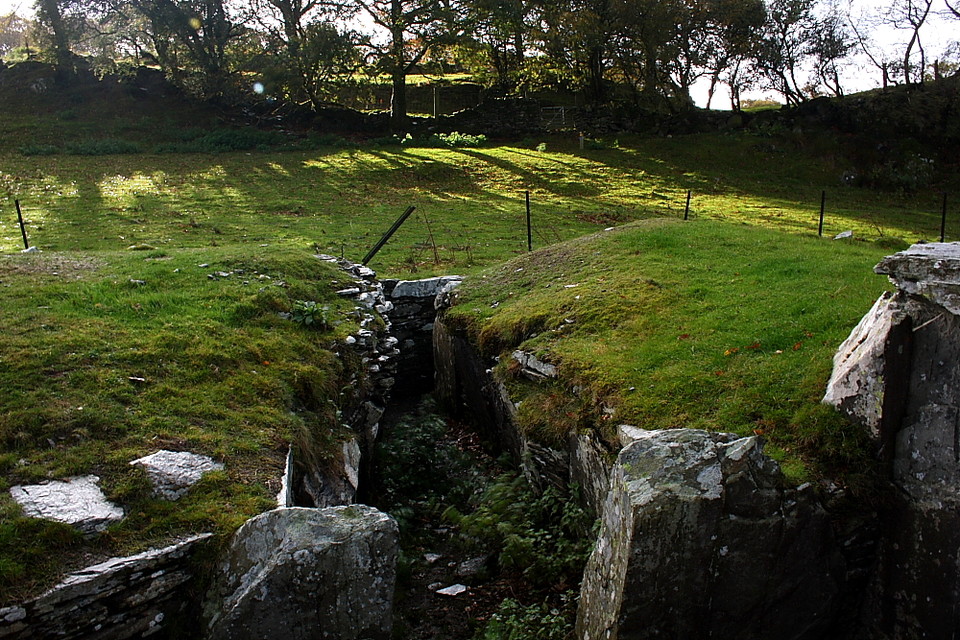
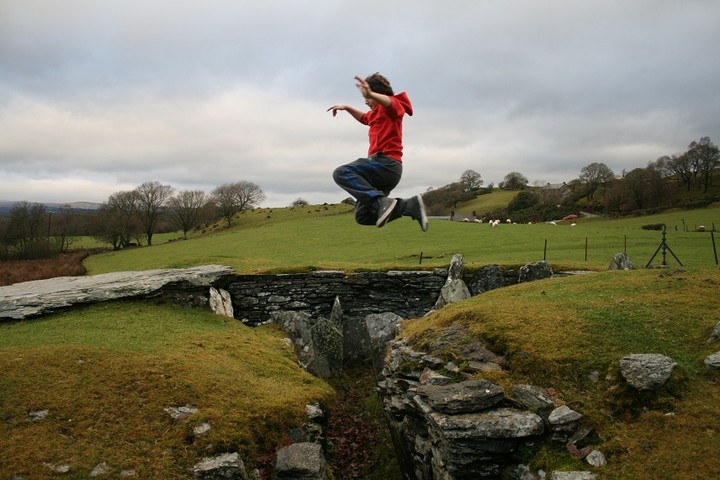
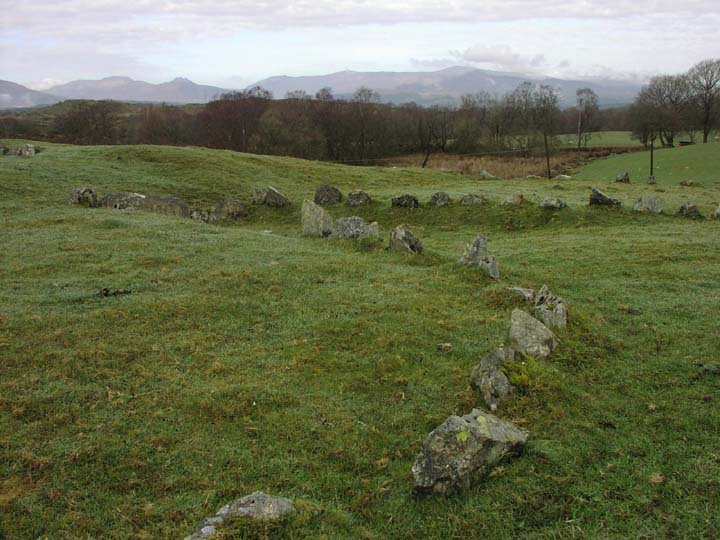
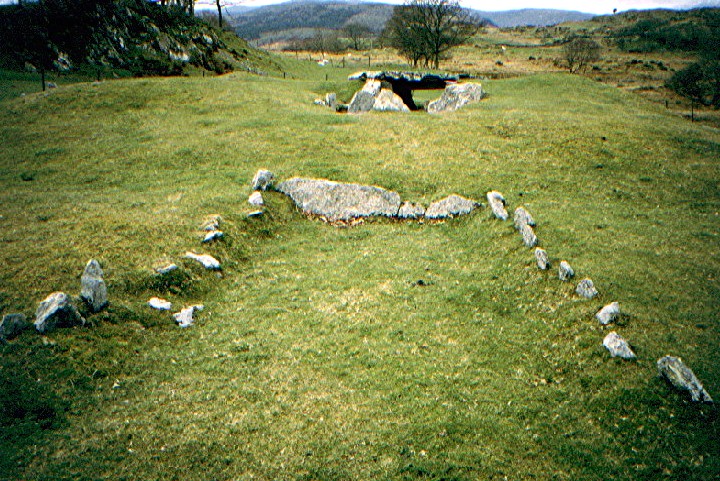
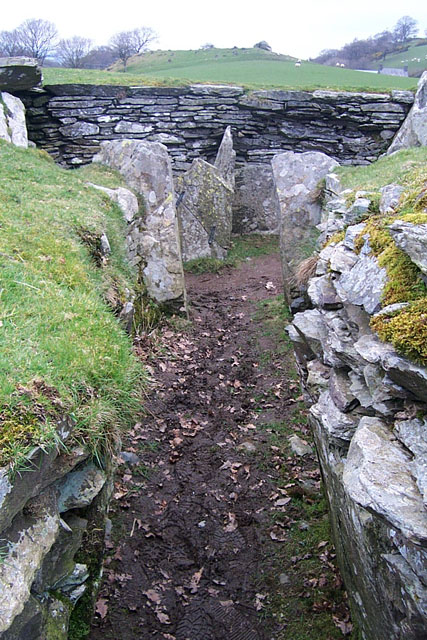
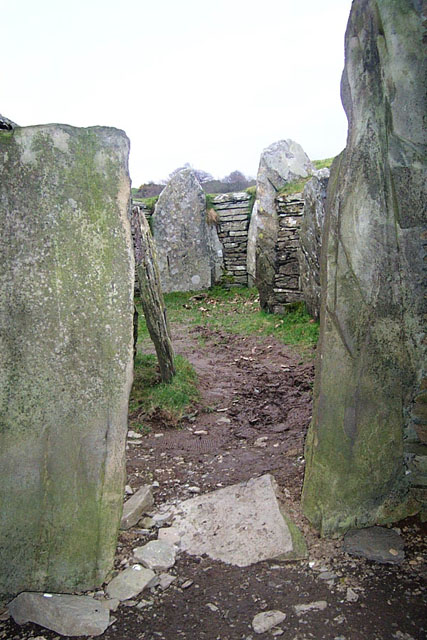
Crikey! Didn't expect to come face-to-face with a typical Cotswold-Severn tomb in North Wales. The lovely horned forecourt and shape of the entire structure is marked out with little kerbstones placed there following an excavation in 1925. The main passageways are open to the elements now, save for one large capstone flaking like tasty French patisserie. The interior of the open passageway has large pointy uprights used as walling materials with drystone walling in between. The construction reminded me of Orcadian stalled cairns. Though much of the cairn material is gone, there is enough left to indicate the vast height and bulk of this place. The rolling irregular contours of the grass on the monument undulate and flow in the same way as they do on Hetty Peglar's Tump. Gorgeous. This is an 'A-list' site in the most beautiful valley overlooked by a corking gorsedd stone. What a shame the wretched information boards are sited too high and the large metal kissing gate is just a bit too close to the monument. This post appears as part of the weblog entry Conwy crusade: three burial chambers and a stone row
|
 Posted by Jane
27th March 2005ce Edited 28th March 2005ce |
|
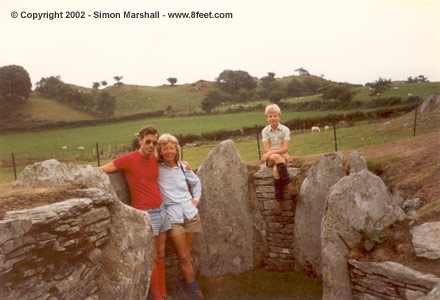
Visited 25th May 2003: After a kiddies party near Conwy I dragged everyone off to see some sites. First stop was Capel Garmon, which I last visited 20 years ago with my parents! The chamber is heavily reconstructed, or so it appeared to me. We were all a bit tired and irritable, so it was difficult to relax and enjoy the site. Not much 'zing' was found here. The surrounding landscape is fantastic though, with excellent views of the mountains. I'd quite like to come here again on my own, without fractious kiddies, and see whether there's any 'zing' here to be had. I had intended to recreate the 1983 photos with Lou, Will and Alfie in them, but my attempts were too crap to post. Another thing I stuffed up was forgetting to check the location of the Gorsedd before heading out to the site. As a result I totally failed to take a look. PS. Broen - I suspect that the farmer knew exactly where this site was when he directed you elsewhere. I didn't get the feeling that he's keen on people visiting the site (crappy gates, mad sheep dogs etc.) |
 Posted by Kammer
18th June 2003ce Edited 4th August 2003ce |
| On my first journey here the farmer was totally ignorant of this chamber in his back garden pointing us down the road instead. |
 Posted by broen
5th February 2003ce Edited 6th February 2003ce |
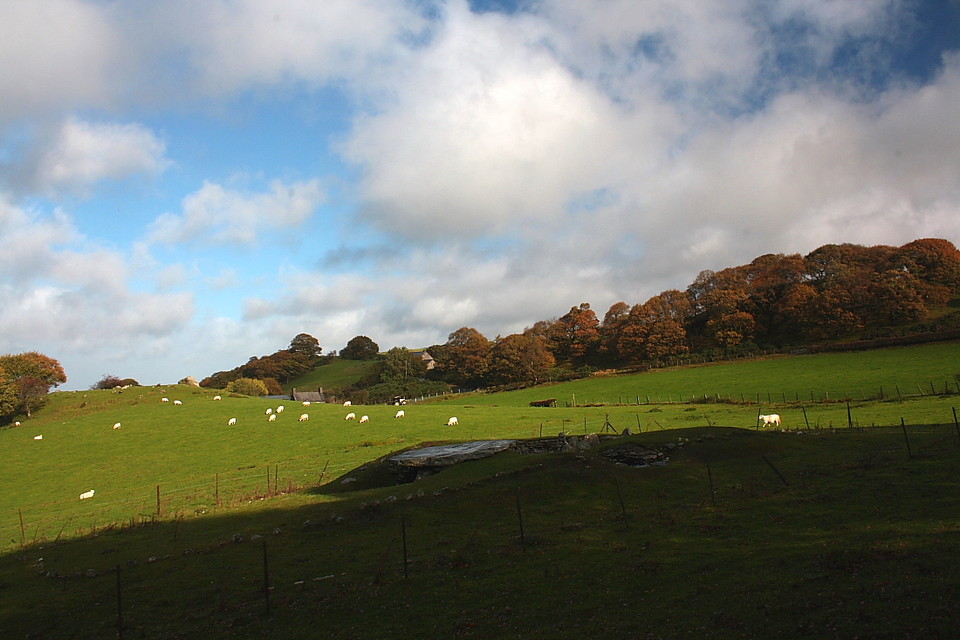
| Nestled in a very private spot, Capel Garmon has a beautiful air of tranquility. The hum of farm equipment in the distance doesn't detract from this place. The Gorsedd stone, as described in TMA, is just one part of a complex of hidden spots which must all have had there part within this sacred landscape. |
 Posted by IronMan
25th March 2002ce |
|
Just 1 mile south of Capel Garmon, a chambered long barrow lies in the most breathtaking scenery. a few hundred metres from Ty'n-y-Coed Farm lies a 90 foot chambered long barrow, sadly open to the harsh elements this area experiences. A massive 14 foot capstone is the only reminants of the roof that remains, and this covers a false entrance, where in recent times it was used as a stable. A smaller and probably the original entrance lies to the southerly point of the barrow, a number of large stones line the walls of the main burial chamber, with a small chamber, formed by three smaller upright stones, strutting out into the main chamber. Although not as impressive as Bryn Celli Ddu on Anglesea, this chamber is still well worth a visit. Map reference SH818543 |
 Posted by mort
1st June 2000ce Edited 6th February 2003ce |
Miscellaneous |
Add miscellaneous |
A folklorish snippet about the site's name and some other information:The locality consists of a series of small plains or glades, chiefly turbary, interspersed with rocky hillocks covered with oak, presenting scenes of singular variety and beauty; while the panorama of the Caernarvonshire hills, which this spot exhibits, can scarcely be surpassed in magnificence.From 'Carnedd enclosing a cromlech at Chapel Garmon' in the first volume of the Cambrian Journal (1857). Some years ago the compartment under the stone was converted into a stable, by clearing out the side of the carnedd to the west, throwing down the end-stone, and fitting in a framed window. A door was also provided, and a stone manger. All these have since been removed.From 'The Conway in the Stereoscope' by James Bridge Davidson (1860). Sadly there isn't a stereoscope photo of the site, in the book, though there are of various other scenes. |
 Posted by Rhiannon
30th January 2010ce Edited 31st January 2010ce |

|
Capel Garmon means (unsurprisingly) 'chapel of Garmon' in Welsh. As yet I've not been able to establish who Garmon was, so perhaps someone out there can tell me. If you want to hear the name being pronounced in an authentic (north Welsh) accent, there's a WAV file available on the Betws-y-Coed Web site: http://www.croeso-betws.org.uk/sounds/place/capgarm.wav |
Posted by Kammer 20th November 2002ce Edited 10th June 2004ce |
Links |
Add a link |
National Museum WalesThe truly amazing Iron Age Capel Garmon firedog was found not far from here. You can visit it in person at the museum in Cardiff (or perhaps at St Fagans at the moment). In Archaeologia Cambrensis (1863) it says: The relic [...] was discovered in May, 1852, by a man cutting a ditch through a turbary on the farm of Carreg Goedog, near Capel Garmon, Llanrwst. It lay on the clay subsoil, flat upon its side, with a large stone at each end, and at a considerable depth. The spot is quite unfrequented, nor are there any remains of ancient buildings. It is all of iron, and the execution indicates considerable taste and skill. It is in some parts much corroded, and exposure to the air decomposed the metal considerably [...]Although the journal suggests the firedog was found "at the foot of" Dinas Mawr, at the confluence of the Conway and Machno rivers (which would be Romantically Celtic), the farm of Carreg-coediog isn't actually at its foot at all. But it's not far away. |
Posted by Rhiannon 16th January 2014ce Edited 21st April 2020ce |

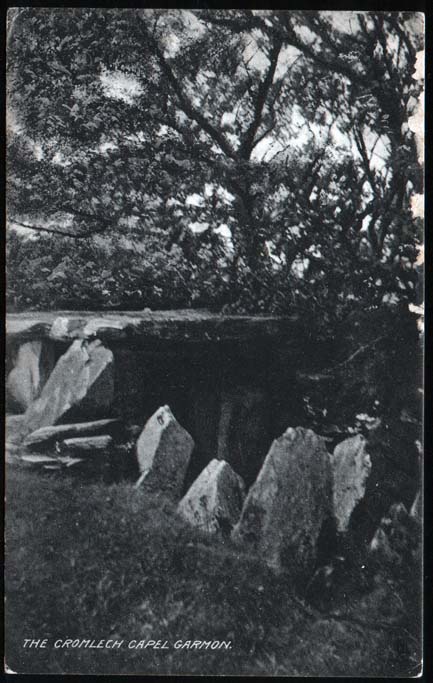
George Eastman House ArchiveAn old photo of Capel Garmon by Alvin Langdon Coburn. There's a second and third photo of the tomb by Coburn on the same web site. The date of these photos isn't clear but, the tomb was excavated in 1927, so that gives us a clue (so long as it wasn't restored before that). In the photos the site is neatly fenced off for public access, so it's probably not been recently excavated. Coburn died in 1966, so the photos may well have been taken between 1930 and 1966. |
Posted by Kammer 10th June 2004ce Edited 10th June 2004ce |
Megalithics: Capel GarmonThis page contains a photo and a description of the cairn, and it links to more pages containing loads more photos and interactive panoramas of the site. The panoramas are really good fun! |
Posted by Kammer 20th November 2002ce Edited 10th June 2004ce |
Megalithic Walks: Capel GarmonThe walk to this site from the road is only a quarter of a mile, so it's not exactly an arduous pilgrimage. This page directions to the cairn (first by car, then on foot), a description of the site and lots of photos. |
Posted by Kammer 20th November 2002ce |
 Top of page