|
 Log in |
Register Log in |
Register
|

|
|

Derbyshire
|


 Show |
 |
|
|
Sites in this group:
|
10 posts
Aleck Low Round Barrow(s) |
41 posts
The Andle Stone Natural Rock Feature |
205 posts
Arbor Low Circle henge |
|
19 posts
Ashover Cup and Ring Marks / Rock Art |
3 posts
Ash Tree Cave Cave / Rock Shelter |
2 posts
Aston Cursus Cursus |
|
13 posts
1 site Ball Cross Hillfort |
7 posts
5 sites Bamford Moor |
1 post
1 site Bank Top Oval Barrow |
|
10 posts
Barbrook IV Ring Cairn |
2 posts
Basset Wood Round Barrow(s) |
15 sites
Beeley Moor |
|
3 posts
Bee Low Round Cairn |
2 posts
Benty Grange Round Barrow(s) |
10 sites
Big Moor |
|
1 post
3 sites Birchen Edge |
4 posts
Blackstones Low Round Barrow(s) |
2 posts
Blake Low Round Barrow(s) |
|
13 posts
Boars Low Round Barrow(s) |
Bole Hill
Round Barrow(s)
|
3 posts
Bonsall Lane Cave / Rock Shelter |
|
1 post
Bostern Grange Cairn(s) |
15 posts
Bradbourne Standing Stone / Menhir |
13 posts
Bradley Tor Rocking Stone |
|
1 post
Brood Low Round Barrow(s) |
20 posts
Brown Edge Stone Circle |
44 posts
1 site Bull Ring Henge |
|
2 posts
Bumper Castle Ring Cairn |
5 posts
Bunkers Hill Plantation Cave / Rock Shelter |
6 posts
Burr Tor Hillfort |
|
3 posts
Burton Bole Round Barrow(s) |
2 posts
Burton Moor Round Barrow(s) |
2 posts
Cadborough Hill Hillfort |
|
2 posts
Cales Dale Upper Cave / Rock Shelter |
4 posts
Cales Farm SW Round Barrow(s) (Destroyed) |
6 posts
Calling Low Dale Cave / Rock Shelter |
|
3 posts
Carder Low Cairn(s) |
4 posts
Carsington Pasture's Cave Cave / Rock Shelter |
3 posts
Castlegate Lane Round Barrow(s) |
|
8 posts
Castle Hill (Castleton) Sacred Hill |
35 posts
Castle Naze Hillfort |
22 posts
Castle Ring (Harthill) Hillfort |
|
3 posts
Chatsworth Park Round Barrow(s) |
3 posts
Chee Tor Stone Circle |
3 posts
Chelmorton Low Round Barrow(s) |
|
15 posts
Chisworth Cup Marked Stone |
5 posts
Conksbury Round Barrow(s) |
1 post
Cop Low |
|
8 posts
Cown Edge Round Cairn |
7 posts
Cow Low Round Barrow(s) |
2 posts
Cow Low Round Barrow(s) |
|
5 posts
Crackendale Pasture Round Barrow(s) |
1 post
Crake Low |
6 posts
Cranes Fort Hillfort |
|
27 posts
Cratcliff Rocks (Defended Settlements and Cave) Enclosure |
53 posts
Creswell Crags Cave / Rock Shelter |
9 posts
Cronkston Low Round Barrow(s) |
|
14 posts
Crook Hill Stone Circle |
4 posts
1 site Cross Low Cairn(s) |
2 posts
2 sites Crow Chin Cairn(s) |
|
5 posts
Cuckoo Stone |
9 posts
Curbar Edge Cairn(s) |
4 posts
Dalebrook Cairn(s) |
|
9 posts
Darley Dale Ancient Trackway |
9 posts
Dennis Knoll & Sheepwash Bank Ancient Village / Settlement / Misc. Earthwork |
10 posts
Dobb Edge Cup and Ring Marks / Rock Art |
|
94 posts
Doll Tor Stone Circle |
10 posts
Doll Tor Standing Stone Standing Stone / Menhir |
10 posts
Dowel Cave Cave / Rock Shelter |
|
6 posts
Dudwood Ancient Village / Settlement / Misc. Earthwork |
8 posts
Dudwood Tor Rocky Outcrop |
11 posts
Eagle Stone Natural Rock Feature |
|
4 posts
Eaton Dale Wood Standing Stone / Menhir |
7 posts
Eldon Hill Round Barrow(s) |
4 posts
Eldon Hill Enclosure Enclosure |
|
12 posts
Elton Common |
6 posts
End Low Round Barrow(s) |
17 posts
Etches Cave Cave / Rock Shelter |
|
5 posts
8 sites Eyam Moor |
2 posts
Fairfield Low Round Barrow(s) |
2 posts
1 site Fallinge Edge Cairn(s) |
|
14 posts
Farley Moor Standing Stone / Menhir |
6 posts
Faybrick Natural Rock Feature |
3 posts
Findern-Willington Cursus (Destroyed) |
|
30 posts
Fin Cop Hillfort |
60 posts
Five Wells Chambered Tomb |
3 posts
Foxlowe Edge Standing Stone / Menhir |
|
28 posts
Fox Hole Cave Cave / Rock Shelter |
1 post
Fox Low Round Barrow(s) |
5 posts
Frank I' Th' Rocks Cave / Rock Shelter |
|
2 posts
Friden Hollow Round Barrow(s) |
Froggatt Edge cairn
Round Cairn
|
6 posts
Galley Low Round Barrow(s) |
|
3 posts
Gallows Knoll |
3 posts
Gallows Low Lane Round Barrow(s) |
17 posts
7 sites Gardom's Edge |
|
5 posts
Gardoms' Edge III (rock art) Cup and Ring Marks / Rock Art |
16 posts
Gautries Hill Round Barrow(s) |
13 posts
Gibbet Alignment Stone Row / Alignment |
|
10 posts
Gibbet Moor and East Moor Barrow / Cairn Cemetery |
5 posts
Gibbet Moor cist Cist |
24 posts
Gibbet Moor North Stone Circle |
|
4 posts
Gibbet Moor South Enclosure |
9 posts
Gibbet Moor Standing Stones Standing Stone / Menhir |
3 posts
Gibbet Moor West Ring Cairn |
|
1 post
Gibbet Moor West Ancient Village / Settlement / Misc. Earthwork |
43 posts
Gib Hill Long Barrow |
1 post
Gorsey Low Round Barrow(s) |
|
4 posts
Gospel Hillocks Long Barrow |
3 posts
Gotham Grange Barrow Round Barrow(s) |
3 posts
2 sites Gratton Moor |
|
4 posts
Great Low Barrow / Cairn Cemetery |
29 posts
Green Low Ring Cairn |
26 posts
Green Low Burial Chamber |
|
7 posts
Green Low Barrow Round Barrow(s) |
3 posts
Green Low Field Tumulus Cairn(s) |
1 post
Grind Low Round Barrow(s) |
|
13 posts
Grin Low Round Barrow(s) |
2 posts
Haddon Fields North Round Barrow(s) |
1 post
Haddon Fields South Round Barrow(s) |
|
2 posts
Handley Bottom Cup Marked Stone |
37 posts
Harboro' Rocks Rocky Outcrop |
1 post
Harewood Moor Ancient Village / Settlement / Misc. Earthwork |
|
14 posts
Harley Grange Cairn(s) |
6 posts
Harpur Hill Cairn Cairn(s) |
9 posts
Harrod Low Long Barrow |
|
2 posts
Harthill Moor Barrow Barrow / Cairn Cemetery |
3 posts
Harthill Moor Pathway (Rock art) Cup and Ring Marks / Rock Art |
18 posts
Hatch-a-way Cairn(s) |
|
Hawks Low
Round Barrow(s)
|
2 posts
Hay Dale Round Barrow(s) |
1 post
Hay Top Round Barrow(s) |
|
3 posts
Hind Low (Site of) Round Cairn |
7 posts
Hirst Stones (site) |
17 posts
Hitter Hill Cairn(s) |
|
11 posts
Hob's House Cave / Rock Shelter |
38 posts
Hob Hurst's House Burial Chamber |
2 posts
Hognaston Barrow Round Barrow(s) |
|
1 post
Hole Stone (site) |
16 posts
Hollins Hill Round Barrow(s) |
2 posts
The Holmes Enclosure |
|
8 posts
1 site Holymoorside Cup and Ring Marks / Rock Art |
5 posts
Hoon Mount Round Barrow(s) |
2 posts
Ivet Low Round Barrow(s) |
|
8 posts
Kenslow Knoll Round Barrow(s) |
5 posts
Kiln Knoll Round Barrow(s) |
23 posts
Kinderlow Cairn(s) |
|
9 posts
Ladder Hill Round Barrow(s) |
12 posts
Ladybower Tor Cup and Ring Marks / Rock Art |
8 posts
Lady Low Round Barrow(s) |
|
3 posts
Langwith Basset Cave Cave / Rock Shelter |
5 posts
Larks Low Round Barrow(s) |
11 posts
Lawrence Field Stone Circle |
|
10 posts
Lean Low Round Barrow(s) |
5 posts
Liffs Low Round Cairn |
3 posts
Lindup Low Round Barrow(s) |
|
8 posts
Lismore Fields Ancient Village / Settlement / Misc. Earthwork |
6 posts
Longshaw Estate Round Barrow(s) |
2 posts
Longside Moor Round Barrow(s) |
|
3 posts
Long Dale Round Barrow(s) |
1 post
Long Gallery Plantation Round Barrow(s) |
30 posts
Lord's Seat Round Barrow(s) |
|
8 posts
Lose Hill Round Barrow(s) |
15 posts
Ludworth Intakes Cairn(s) |
5 posts
Mag Low Round Barrow(s) |
|
73 posts
Mam Tor Hillfort |
14 posts
Mam Tor barrows Round Barrow(s) |
4 posts
Margery Bower Round Barrow(s) |
|
4 posts
Markland Grips Hillfort |
5 posts
Masson Hill Round Barrow(s) |
4 posts
Mellor Hilltop Ancient Village / Settlement / Misc. Earthwork |
|
3 posts
Middleton Moor Platform Cairn |
74 posts
Minninglow Burial Chamber |
9 posts
Minninglow Round Barrow Round Barrow(s) |
|
4 posts
Moat Low Round Barrow(s) |
1 post
Moisty Knowl (Site of) |
3 posts
Moneystone Barrows Round Barrow(s) |
|
2 posts
Moot Low Round Barrow(s) |
1 post
Nettly Knowe Cairn(s) |
1 post
New Inns Round Barrow(s) |
|
144 posts
Nine Stones Close Stone Circle |
7 posts
Nine Stones Close cup marked stone Cup Marked Stone |
12 posts
Nine Stones Close standing stone Standing Stone / Menhir |
|
10 posts
Odin Mine Cave / Rock Shelter |
4 posts
Offerton Moor East Cairn(s) |
8 posts
Offerton Moor West Stone Circle |
|
2 posts
Old Woman's House Cave / Rock Shelter |
2 posts
1 site One Ash Round Barrow(s) |
3 posts
One Ash Shelter Cave / Rock Shelter |
|
4 posts
1 site Osmaston Fields Round Barrow(s) |
1 post
Ows Low Round Barrow(s) |
Ox Low
Round Barrow(s)
|
|
4 posts
Parsley Hay Round Cairn |
4 posts
Perryfoot Long Barrow |
7 posts
Peter's Stone Natural Rock Feature |
|
1 post
Pike Low Cairn(s) |
6 posts
Pilsbury Cairn(s) |
2 posts
Pin Dale Enclosure |
|
2 posts
Putwell Hill Round Cairn |
6 posts
Rainster Rocks Natural Rock Feature |
6 posts
Rains Cave Cave / Rock Shelter |
|
5 posts
Ravencliffe Cave Cave / Rock Shelter |
28 posts
1 site Raven Tor Triple Cairn Cairn(s) |
5 posts
Reynard's Kitchen |
|
5 posts
Ringham Low Round Barrow(s) |
1 post
Ringham Low (Friden) Round Barrow(s) |
88 posts
Robin Hood's Stride Rocky Outcrop |
|
2 posts
Rockhurst Long Barrow |
Rod Knoll
Cairn(s)
|
3 posts
Rolley Low Round Barrow(s) |
|
4 posts
Round Low Round Barrow(s) |
91 posts
Rowtor Rocks Cup and Ring Marks / Rock Art |
3 posts
Royd Edge and Oldfield Hill Earthworks, Meltham Enclosure |
|
5 sites
Roystone Valley |
3 posts
Sanctuary Wood Ancient Village / Settlement / Misc. Earthwork |
3 posts
Seven Brideron (site) Stone Circle |
|
68 posts
Seven Stones of Hordron Edge Stone Circle |
4 posts
Shardlow |
4 posts
Sharp Low Round Barrow(s) |
|
2 posts
Slipper Low Cairn(s) |
1 post
Slipper Low II Cairn(s) |
14 posts
3 sites Smelting Hill & Abney Moor Stone Circle |
|
3 posts
Smerrill Moor Round Barrow(s) |
5 posts
Staden Enclosure |
13 posts
14 sites Stanton Moor |
|
1 post
Stan Low (site) Round Barrow(s) |
73 posts
Stoke Flat Stone Circle |
4 posts
Stoney Low Chambered Cairn |
|
3 posts
Stone Low Round Barrow(s) |
11 posts
The Stoup Standing Stone / Menhir |
7 posts
Stoup High Edge Cairn(s) |
|
5 posts
Stump Cross Field Barrow Round Barrow(s) |
3 posts
Swarkestone Lows Barrow / Cairn Cemetery |
8 posts
Thirst House Cave / Rock Shelter |
|
16 posts
Tideslow Chambered Cairn |
2 posts
Tinker's Inn Round Barrow(s) |
2 posts
The Tong Long Barrow |
|
1 post
Tup Low Round Barrow(s) |
14 posts
Turning Stone and Robin Hoods Mark Rocking Stone |
4 posts
Twyford Henge (site of) and Round Hill Round Barrow(s) |
|
3 posts
Upper edge Cairn(s) |
2 posts
Vincent Knoll Round Barrow(s) |
Waggon Low
Round Barrow(s)
|
|
1 post
Wardlow Hay Cop Round Barrow(s) |
7 posts
Whaley Bridge Stone Standing Stone / Menhir |
3 posts
White Cliff Round Barrow(s) |
|
2 posts
White Edge Cairn Cairn(s) |
3 posts
White Rake Long Barrow Long Barrow |
19 posts
Wigber Low Cairn(s) |
|
7 posts
Windy Knoll Cave / Rock Shelter |
3 posts
Wind Low Round Barrow(s) |
3 sites
Wirksworth Standing Stone / Menhir |
|
4 posts
Wishing Stone Natural Rock Feature |
2 posts
Wolfscote Hill Round Cairn |
1 post
Woodend Farm Round Barrow(s) |
Sites of disputed antiquity:
|
6 posts
Brand End Standing Stones |
12 posts
Gib Hill east Ancient Village / Settlement / Misc. Earthwork |
17 posts
Horse Clough Chambered Tomb (Destroyed) |
|
7 posts
Pike Low Standing Stone / Menhir |
3 posts
Pillsbury Hills Castle Standing Stone / Menhir |
21 posts
Roosdyche Ancient Village / Settlement / Misc. Earthwork |
News |
 Add news Add news |
|
National park bosses fear 'irreparable damage' to Derbyshire stone circle Fires have been lit in the centre of the 4,000-year-old Nine Ladies stone circle at Stanton in Peak, Derbyshire, and a tent found nearby. More info : https://www.bbc.co.uk/news/uk-england-derbyshire-66669485 |
 Posted by drewbhoy
1st September 2023ce |

|
Dovedale Roman and Iron Age coins to go on show at Buxton Museum A hoard of 2,000-year-old coins found in a cave in the Peak District have gone on public display. http://www.bbc.co.uk/news/uk-england-derbyshire-29754949 |
 Posted by scubi63
25th October 2014ce |
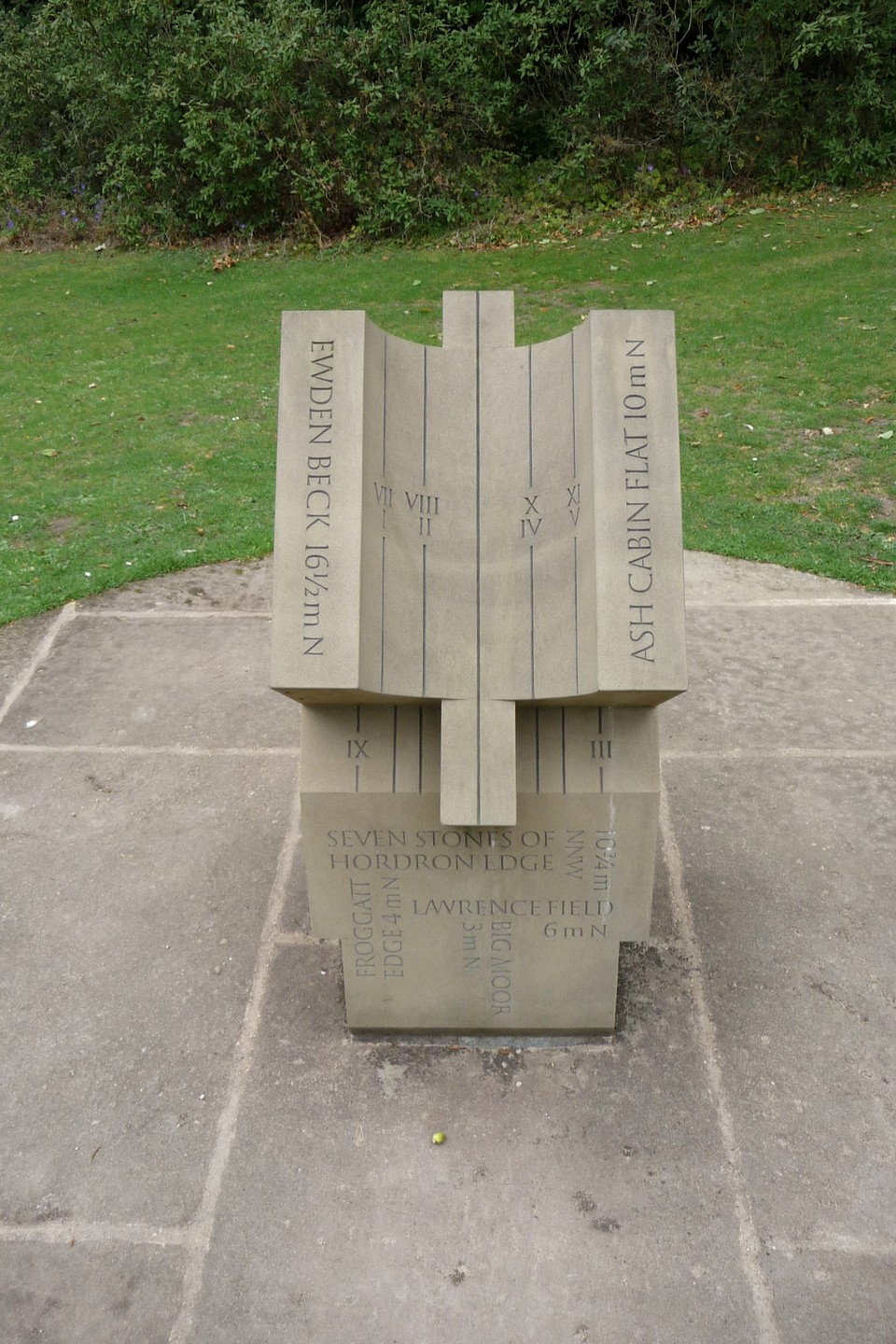
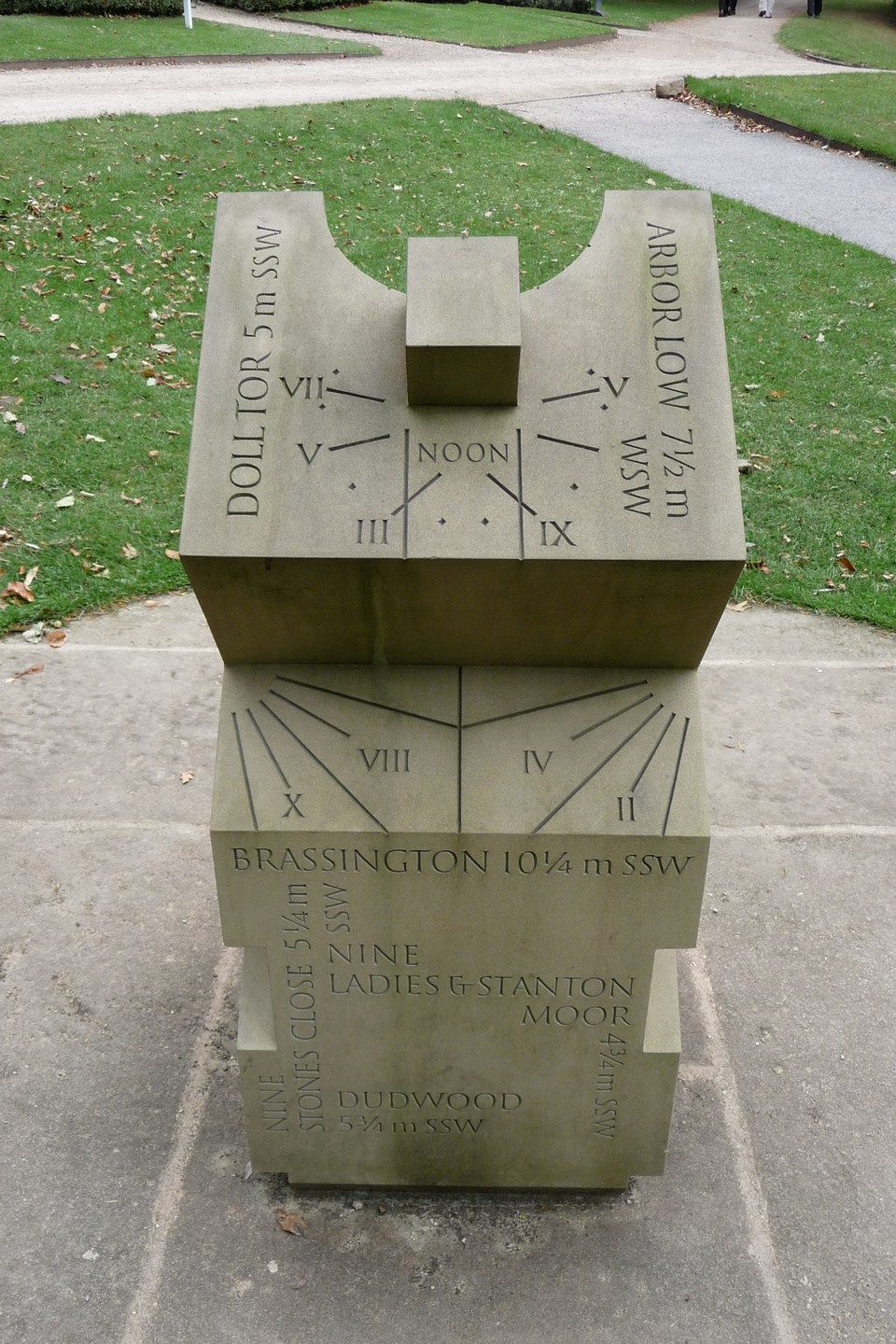
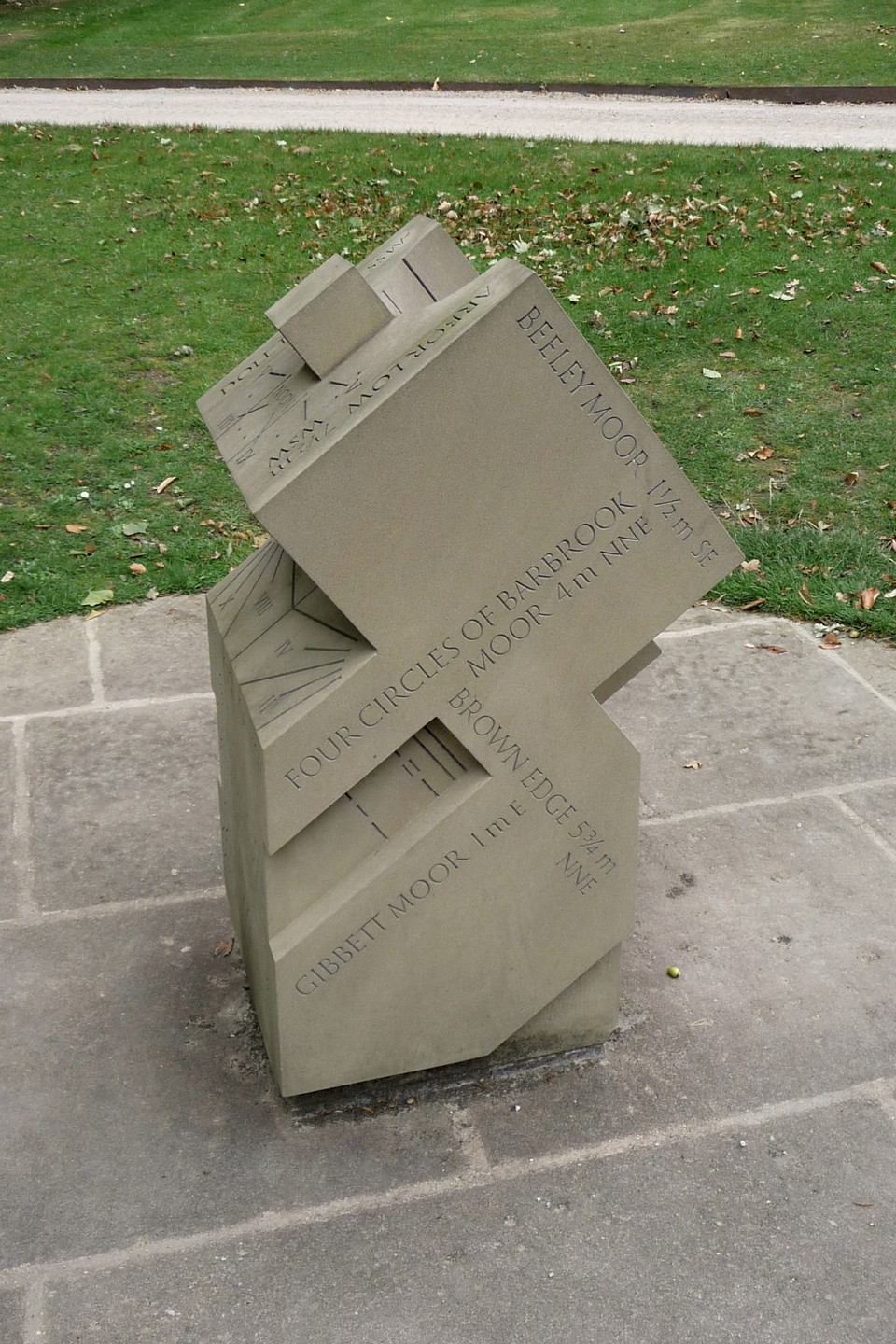
Stone Circle sundial at ChatsworthOld news (2010) but as there can't be many sundials or sculptures that namecheck stone circles, worth noting. A NEW sundial sculpture showing the distance to 42 stone circles and earthworks in Derbyshire has been unveiled at Chatsworth in time for this year's summer solstice... continues... |
 Posted by thesweetcheat
21st September 2011ce |
Curzon LodgeArchaeologists have made the stunning discovery of a 5,500-year-old Stone Age village, home to Derbyshire's first farmers and potters. Ben Johnson and his team made the ancient find during a painstaking dig in Peak District fields, near Wirksworth. continues... |
 Posted by stubob
13th January 2011ce |
Rare Amber Necklace FoundFrom an article published on the BBC News web site on 1st December 2008: A rare amber necklace believed to be about 4,000 years old has been uncovered in Greater Manchester. |
 Posted by Kammer
1st December 2008ce |
Peak Landscape Tour with Helen Caffrey 15th JulyFrom the recently released Manchester Uni Continuing Ed. guide: With Helen Caffrey - A walk by the Limestone Way to investigate the cluster of Bronze Age, Iron Age, and later sites in the Peak landscape. We shall see: Nine Stones Close Iron Age enclosed settlements The Hermitage Fee £25... continues... |
Posted by whipangel 18th March 2007ce Edited 18th March 2007ce |
Mellor Flint Dagger On Display 4/5th SeptemberA perfectly-preserved 4,000-year-old flint dagger unearthed at the dig in Mellor, Stockport, is being hailed as one of the most significant finds of its type in the region... continues... |
 Posted by Rhiannon
31st August 2004ce Edited 31st August 2004ce |
Roman and Stoneage Artefacts Found Near PubArchaeologists have unearthed evidence of a Roman fort and a Stone Age settlement near a pub in Chesterfield. Experts were called in when developers discovered the artefacts on land underneath the Old Feather's Pub on Lordsmill Street. Some of the pottery dates back to the 1st Century AD... continues... |
Posted by BrigantesNation 16th July 2004ce Edited 28th July 2006ce |
Bronze Age cremation site unearthed in DerbyThe remains of people who lived in Derby (England) 3,500 years ago have been found on the site of a derelict hotel in Littleover. Archaeologists say the Bronze Age cremation site, containing burial urns dating back to 1500 BCE, is the oldest historical exhibit found intact in Derby... continues... |
Posted by BrigantesNation 25th February 2004ce Edited 21st March 2006ce |
Quarries Threaten Ancient English MonumentsRevised proposals have been submitted to the Peak District National Park Authority for the reopening of the controversial quarries at Stanton Lees near Matlock (England). Stancliffe Stone Ltd is seeking to commence work at the quarries, which have been dormant for several decades... continues... |
 Posted by Kozmik_Ken
2nd January 2004ce Edited 2nd January 2004ce |
Log Boat UnearthedA second prehistoric log boat has been unearthed in a Derbyshire quarry less than a mile from where a similar find was discovered five years ago. Archaeologists found the 3,500-year-old log boat, which dates back to the Bronze Age, at Shardlow Quarry, Shardlow, in an area that used to be river channel into the Trent... continues... |
 Posted by Jane
24th November 2003ce Edited 24th November 2003ce |
Prehistoric skull unearthed in EnglandA Quarry worker could have discovered proof of prehistoric life close to the River Trent (England). Part of a skull was found at a working gravel pit off Pasture Lane, Long Eaton, by a worker from RMC Aggregates (Eastern). Initial tests date it back to the prehistoric age... continues... |
Posted by Kozmik_Ken 29th September 2003ce Edited 28th July 2006ce |
Images (click to view fullsize) |
Add an image |
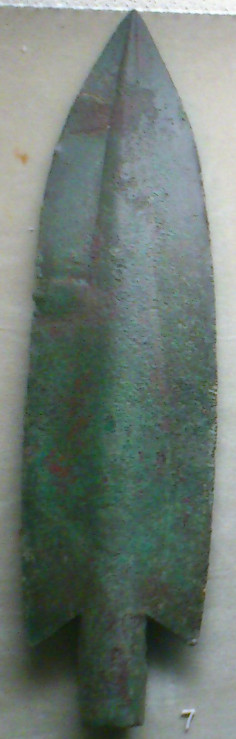
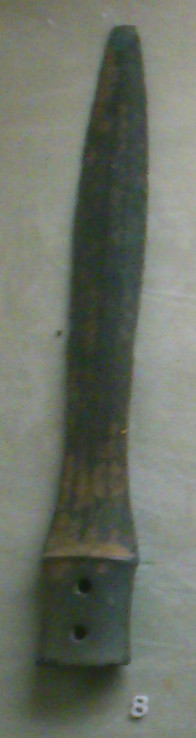

|
Fieldnotes |
Add fieldnotes |
|
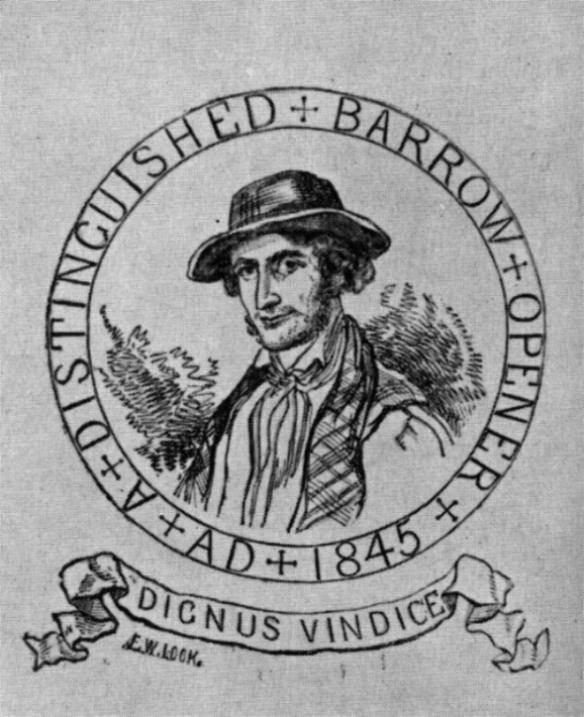
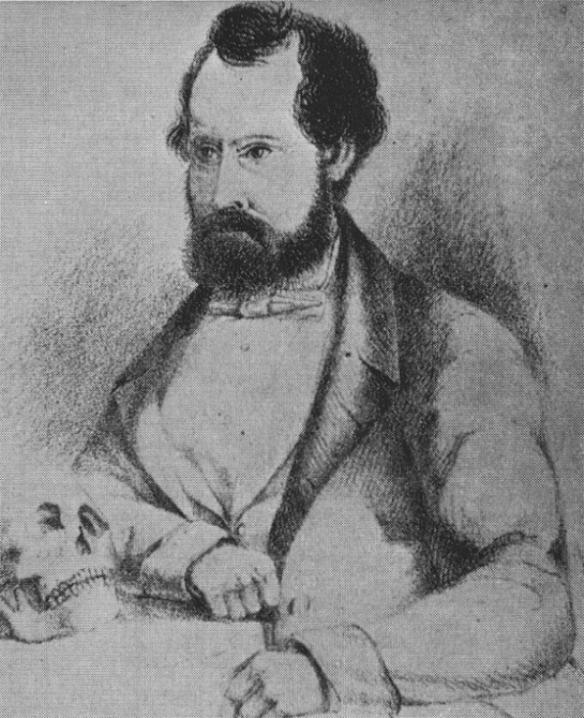
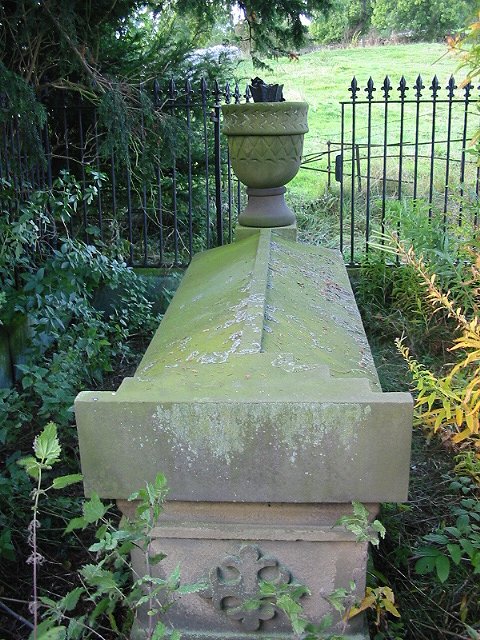
SK194633 - Bateman's Tomb Not really an antiquity as such, but Thomas Bateman dug over 200 barrows in the Peak District, sometimes up to 6 a day. He wrote two books on his works, 'Vestiges of the Antiquities of Debyshire' in 1848, followed in 1861 with 'Ten Years Digging....'. Some of his finds are displayed in the Sheffield and Buxton museums. Inside the chapel the tomb lays behind, there used to be a carved marble memorial to Thomas Bateman....it is Now in Sheffield Museum. A strange thing to do with the grave and chapel still there.....I can imagine Batemans wry grin at the thought of it.. |
Posted by stubob 18th October 2002ce Edited 25th November 2007ce |
Miscellaneous |
Add miscellaneous |
| The Peak District is named not after the hills but after the tribe "Pecsaetans" who lived in the area, the name roughly means 'Hill dwellers'. |
Posted by stubob 7th May 2003ce |
Links |
Add a link |
Peak District PrehistoryThis is a new facebook group purely to discuss Peak District Prehistory. Its to show off sites we've been to, help for sites we can't find and to organise meet ups! If you live nearby or regularly visit the region, feel free to join... |
 Posted by juamei
27th November 2013ce |

Vestiges of an Antiquarian: The Thomas Bateman ArchiveThe aim of this project is analyze the Bateman archive of manuscripts, correspondence, and drawings and to look at the archaeological objects from his collection largely located at Sheffield's Weston Park Museum. |
Posted by stubob 18th February 2013ce |
Google BooksThomas Bateman's "Ten Years' Digging in the Celtic and Saxon Grave Hills, in the counties of Derby, Stafford and York. From 1848 to1858..." |
Posted by stubob 11th February 2008ce |
Internet ArchiveCatalogue of the Bateman collection of antiquities in the Sheffield public museum. Prepared by E. Howarth. Published by order of the Committee. 1899 |
Posted by stubob 9th December 2007ce |
Google Books'Vestiges of the Antiquities of Derbyshire, and the Sepulchral Usages of Its Inhabitants..' by Thomas Bateman and Stephen Glover (1848). |
Posted by Rhiannon 31st July 2007ce |
I dig SheffieldInformation on excavations and sites in Derbyshire and South Yorkshire. Lots photo's, watercolours and info on Peak District sites. Good sections on Arbor Low and Gib Hill, Stanton Moor and various barrows. |
Posted by stubob 28th April 2003ce |
Debyshire Archaeological SocietyDetails about the Derbyshire Archaeological Society, founded in 1878, with events, publications, and membership details. |
Posted by Serenissima 9th September 2002ce |
Prehistory in the Peak(Amazon link). This book really opened up the Peaks for me. Just the index, which covers over 100 sites, is enough. The photography is wonderful, and the text enlightening and atmospheric. |
 Posted by Holy McGrail
2nd January 2002ce Edited 9th June 2016ce |
Rock Around the Peak(Amazon link). Easily digestible and straight-forward guide to "the most notable" prehistoric sites in the Peak District. |
Posted by Holy McGrail 2nd January 2002ce |
Trent & Peak Archaeological Unit |
Posted by RiotGibbon 5th September 2001ce |
Latest posts for Derbyshire |
Showing 1-10 of 3,796 posts. Most recent first | Next 10 
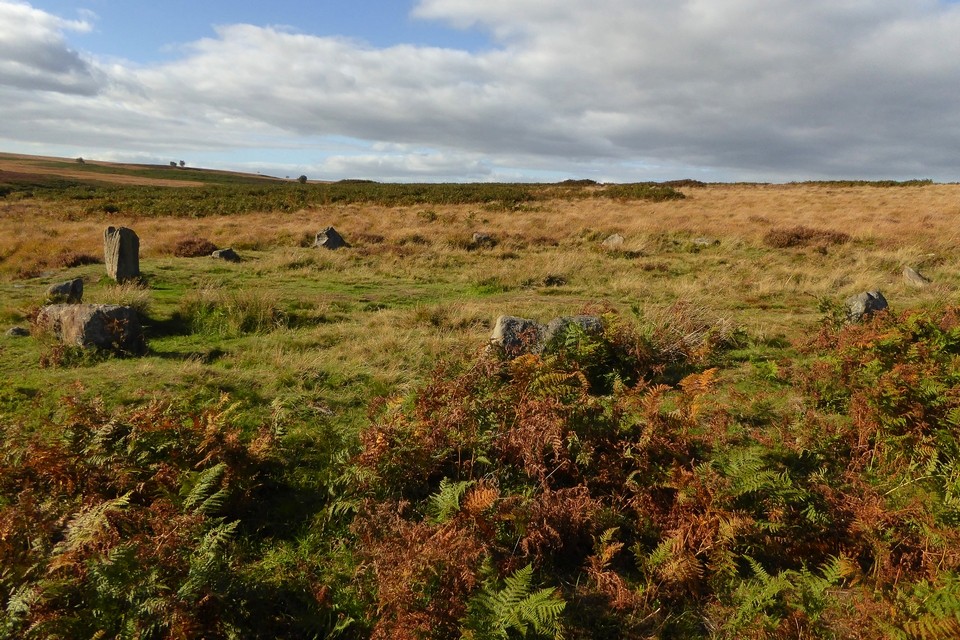
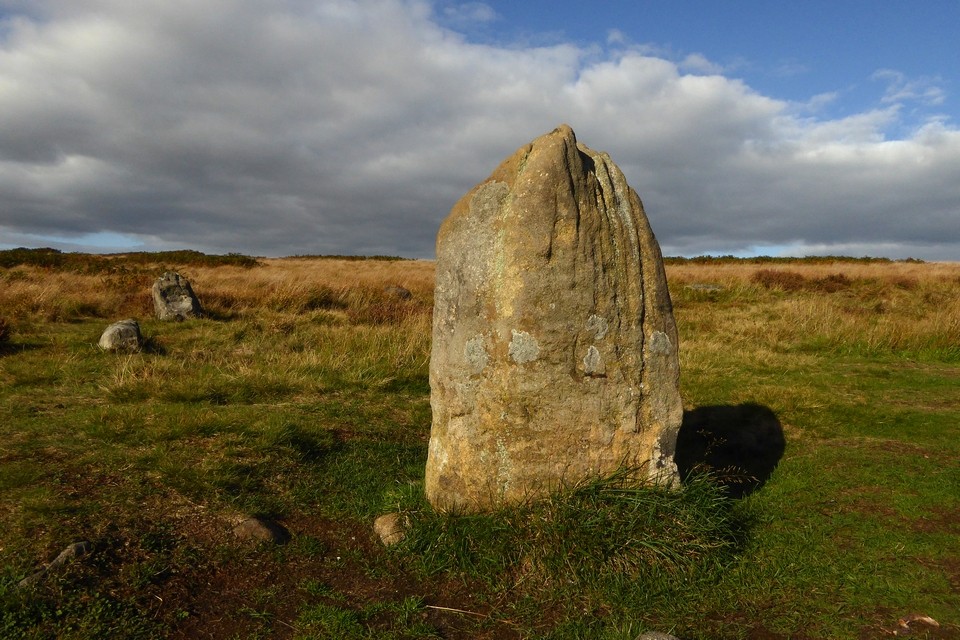
Barbrook I (Stone Circle) — Images (click to view fullsize) |
  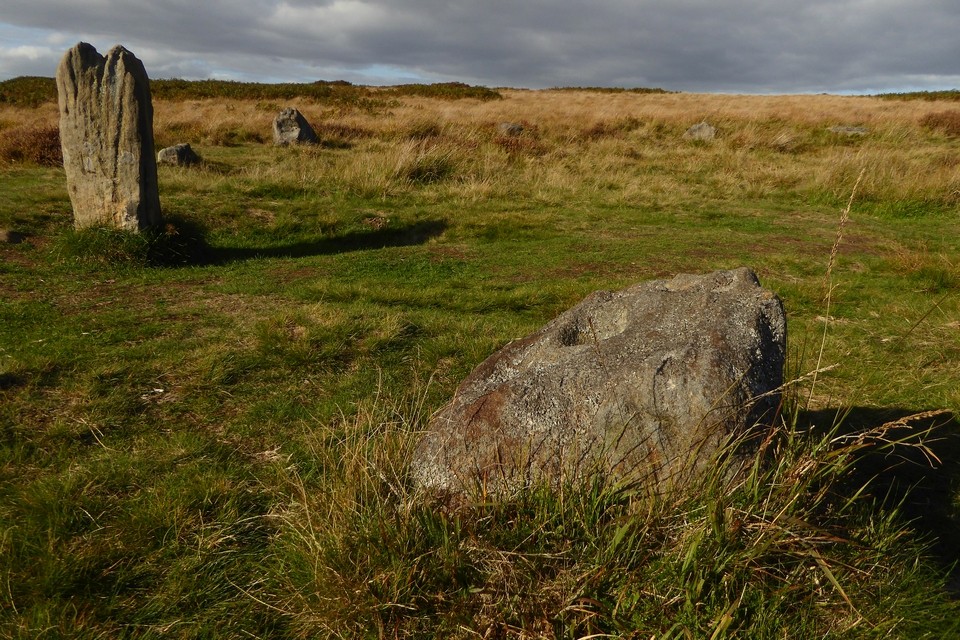 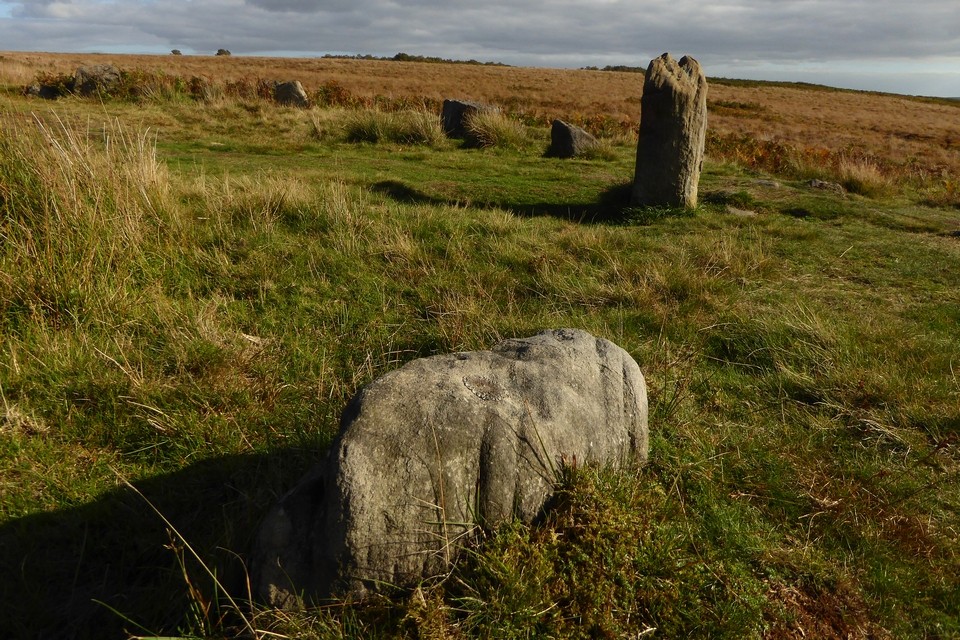 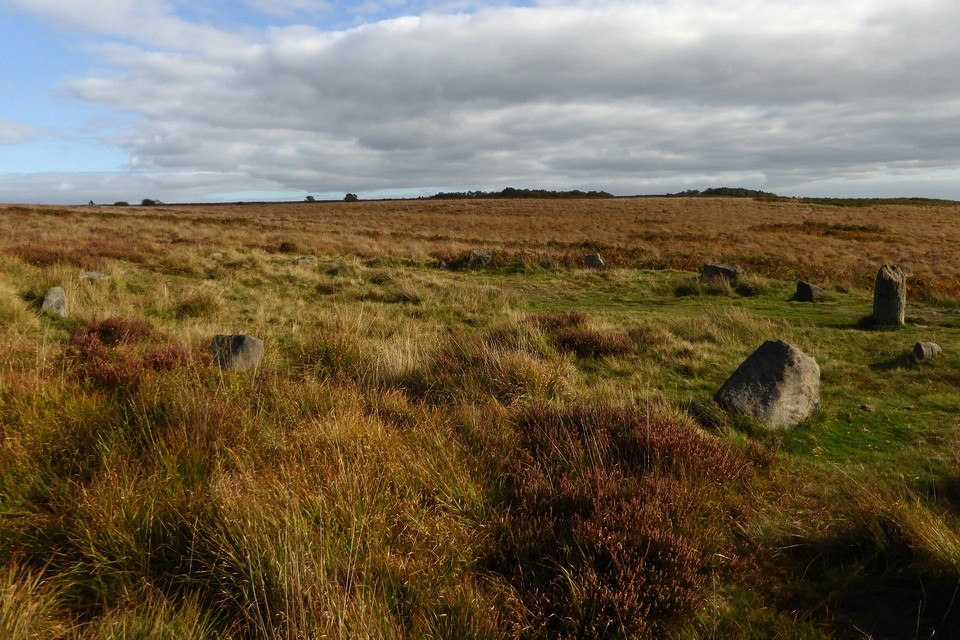 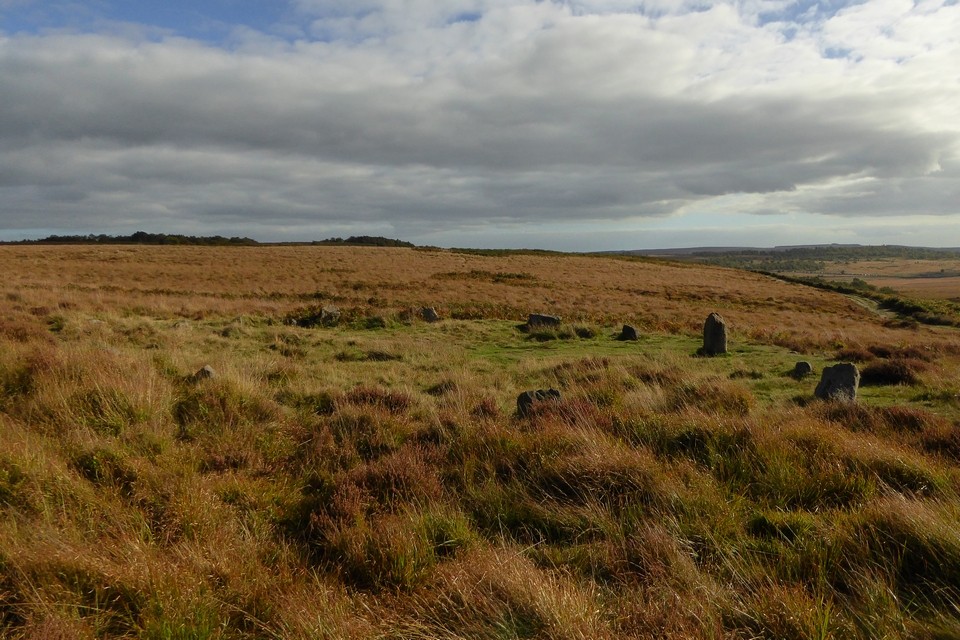
|
Posted by thesweetcheat 4th October 2023ce |
Barbrook II (Stone Circle) — Images |
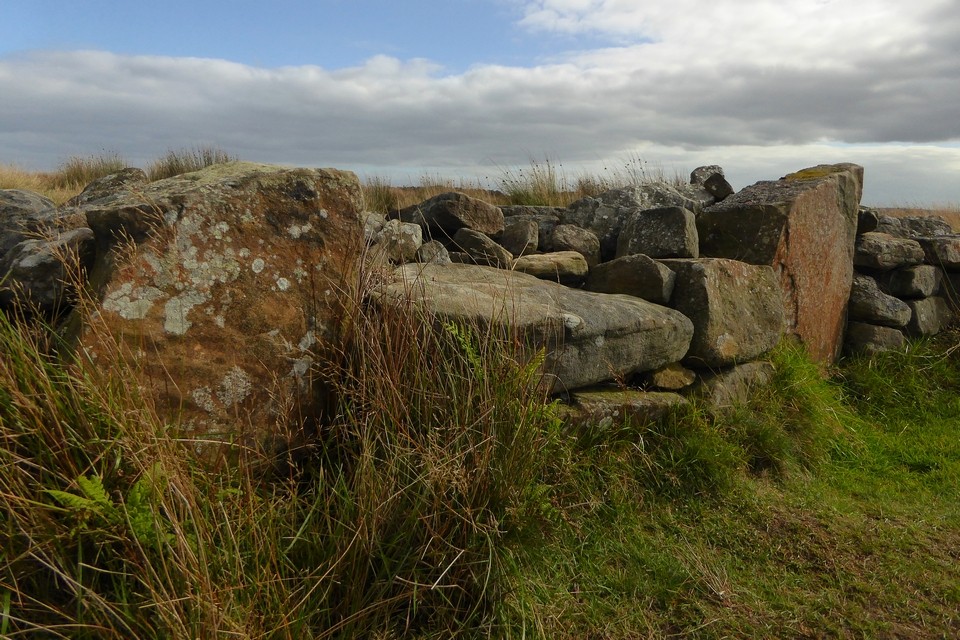 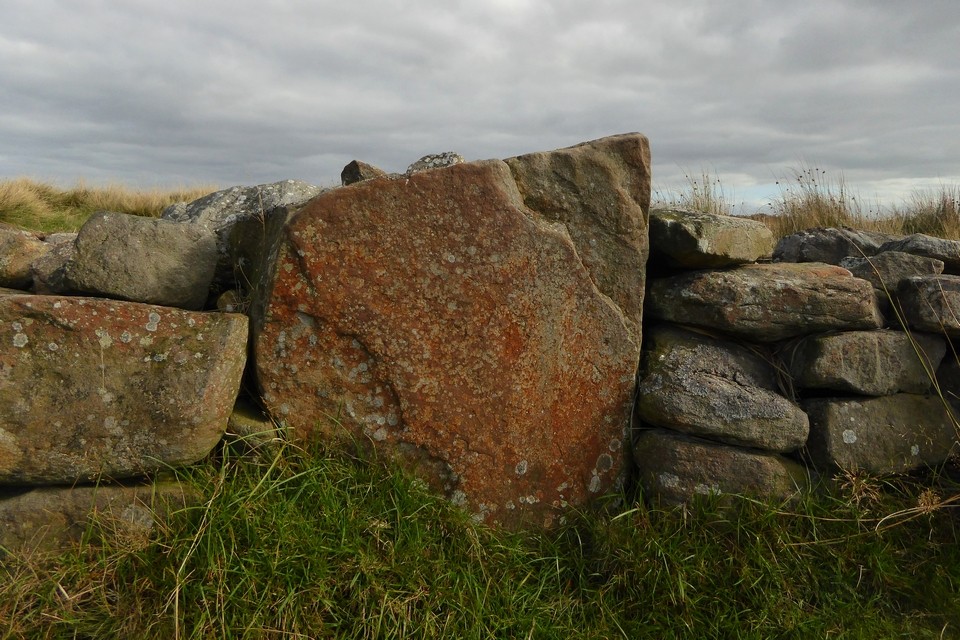 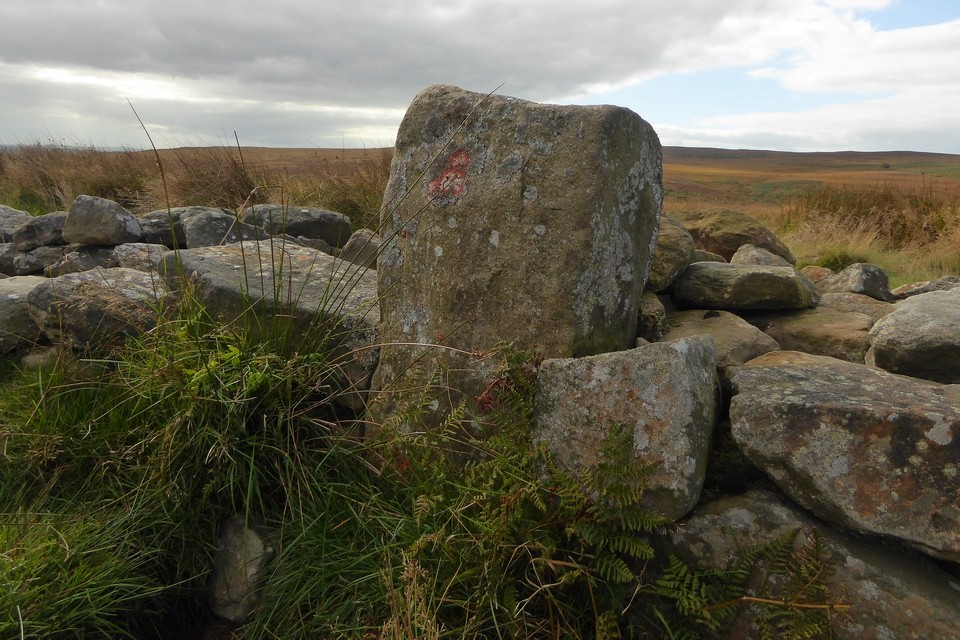 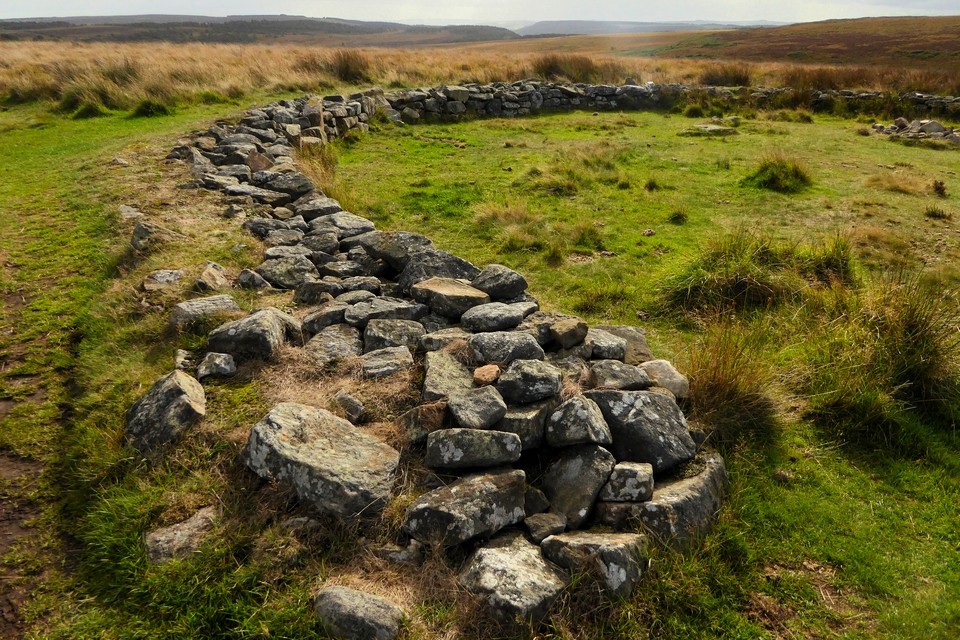
|
Posted by thesweetcheat 4th October 2023ce |
Showing 1-10 of 3,796 posts. Most recent first | Next 10
 Top of page